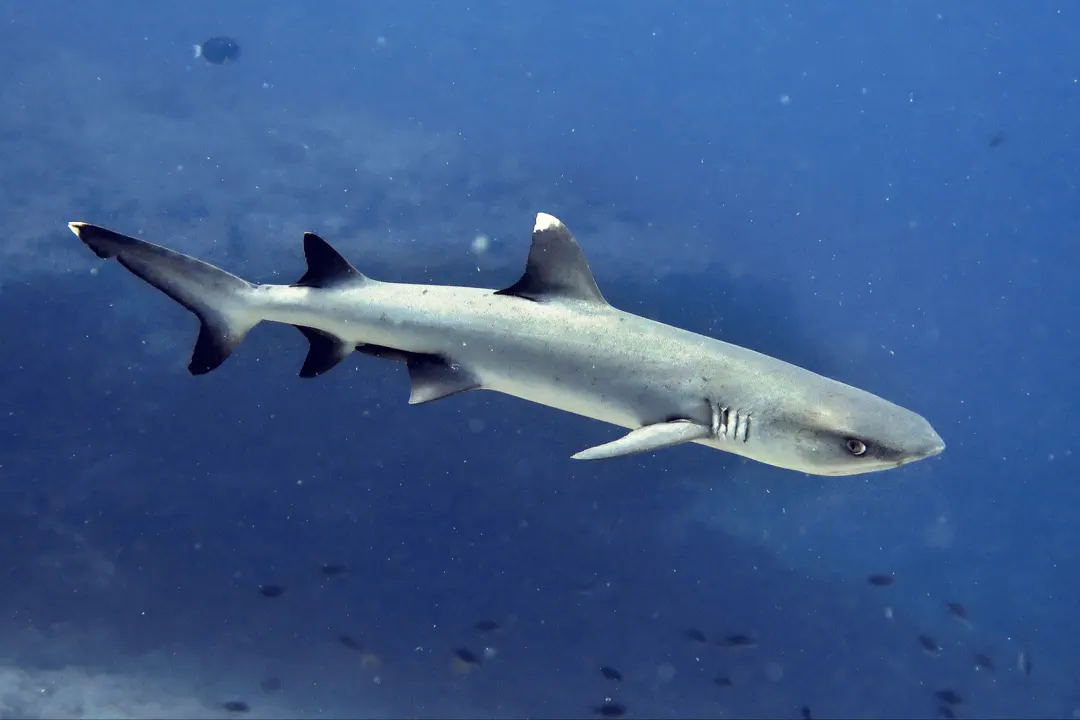
At a depth of 15 meters inside First Cathedral off Lana‘i, light cuts through overhead lava perforations like shafts in a high-vaulted ceiling. A whitetip reef shark rests motionless on the dark basalt floor, its tail fin flexed against a gentle surge. Outside the cavern wall, yellow tangs stream across black rock ledges while a green sea turtle glides into the open blue ocean.
Scuba diving in Hawaii takes place across an isolated volcanic archipelago shaped by ancient basalt flows and oceanic currents. Water temperatures range from 23°C in February to 27°C in August, with underwater visibility averaging between 15 and 30 meters at protected leeward sites. Ocean conditions fluctuate depending on seasonal swell patterns rather than drastic temperature changes.
Key sites include Manta Ray Village off Kona, Molokini Crater off Maui, First Cathedral off Lana‘i, Turtle Canyons off O‘ahu, and the Corsair wreck. Divers encounter reef manta rays, green sea turtles, endemics like the saddle wrasse, and migrating humpback whales. The region accommodates novice divers in calm bays as well as experienced divers navigating deep wrecks and cavern systems.
What Is Diving in Hawaii Like?
Hawaii's underwater topography was built by hot-spot volcanism, producing a subterranean landscape unlike typical coral atolls. Cooling basaltic lava created an intricate network of swim-throughs, archways, vertical drop-offs, and hollow tubes that extend beneath the waves. Each island reflects a different geological age, with the Big Island featuring young, sharp basalt structures and Kauai displaying heavily eroded overhangs.
Because Hawaii is one of the most isolated archipelagoes on Earth, its marine ecosystem evolved in relative solitude. A 2023 inventory in the journal checklist available through PubMed Central notes that the inventoried Hawaiian marine flora contains 661 algae and seagrass records and has an overall endemism rate of 13.2%. Reef fish show similarly specialized adaptations, resulting in species variations found in no other ocean basin.
Water clarity across the islands remains high when wind and swell permit. Leeward coastlines escape trade-wind disturbance, leaving ocean conditions calm for shore and boat entries. Divers explore volcanic reefs where bright yellow butterflyfish stand out against dark basalt rock faces.
Best Time to Dive in Hawaii
Diving in Hawaii is possible year-round, but seasonal ocean swells alter which coastlines are accessible. The summer months from May through September bring small waves and calm seas to northern shores like Tunnels Beach on Kauai. Water temperatures peak near 27°C during late summer, creating comfortable surface and underwater conditions.
Winter months from December through April introduce large northern swells that transform north-facing beaches into heavy surf zones. During this period, diving activity shifts entirely to sheltered southern and western coastlines like Kona on the Big Island or South Maui. Winter also brings migrating humpback whales to the archipelago, where divers frequently hear their vocalizations reverberating underwater.
Local weather forecasts and ocean swell directions dictate daily site selection across all islands. Trade winds usually build by late afternoon, making morning boat trips preferred for clear conditions. Choosing the correct leeward shoreline ensures safe entries regardless of the calendar month.
Hawaii Water Temperature by Month
Water temperature
Hawaii, USA, monthly average
Reference point: Honolulu, Oahu (nearshore reef/diving areas; typical surface conditions around the main Hawaiian Islands).
Hawaiian sea surface temperatures remain relatively stable throughout the calendar year, hovering between 23°C and 27°C. A thermal drop occurs during February and March, when water cools to its annual low of 23°C. Thermal protection requirements vary based on individual tolerance, dive depth, and total bottom time.
For summer diving, a 3mm shorty or full wetsuit provides adequate thermal insulation for multi-dive days. During winter months or repetitive deep profiles, a 5mm wetsuit helps prevent body heat loss over long exposures. Surface wind chills on open boat skiffs can cool divers quickly after surfacing, making a windproof jacket useful between entries.
Thermoclines are rare on shallow reef platforms, but deeper drop-offs past 25 meters can drop several degrees lower than surface readings. Proper suit fit prevents cold water flushing through wrists and ankles during longer safety stops. Monitoring warmth keeps divers comfortable throughout consecutive dive days.
Best Dive Sites in Hawaii
Manta Ray Village (Kona, Big Island): feeding mantas up close at night
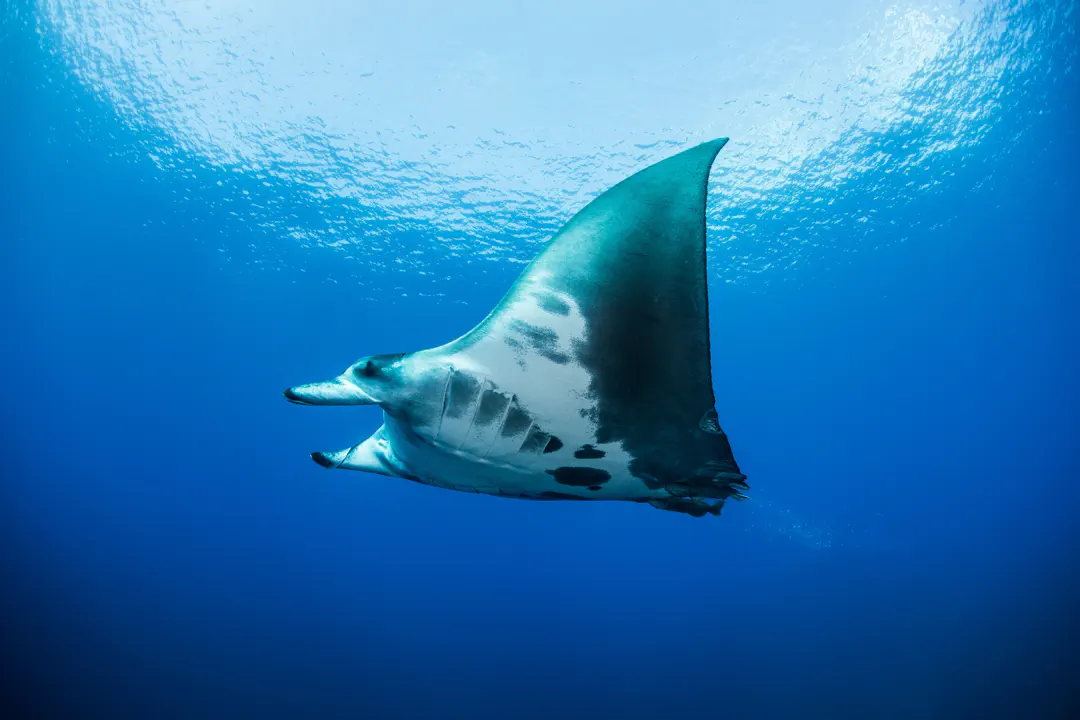
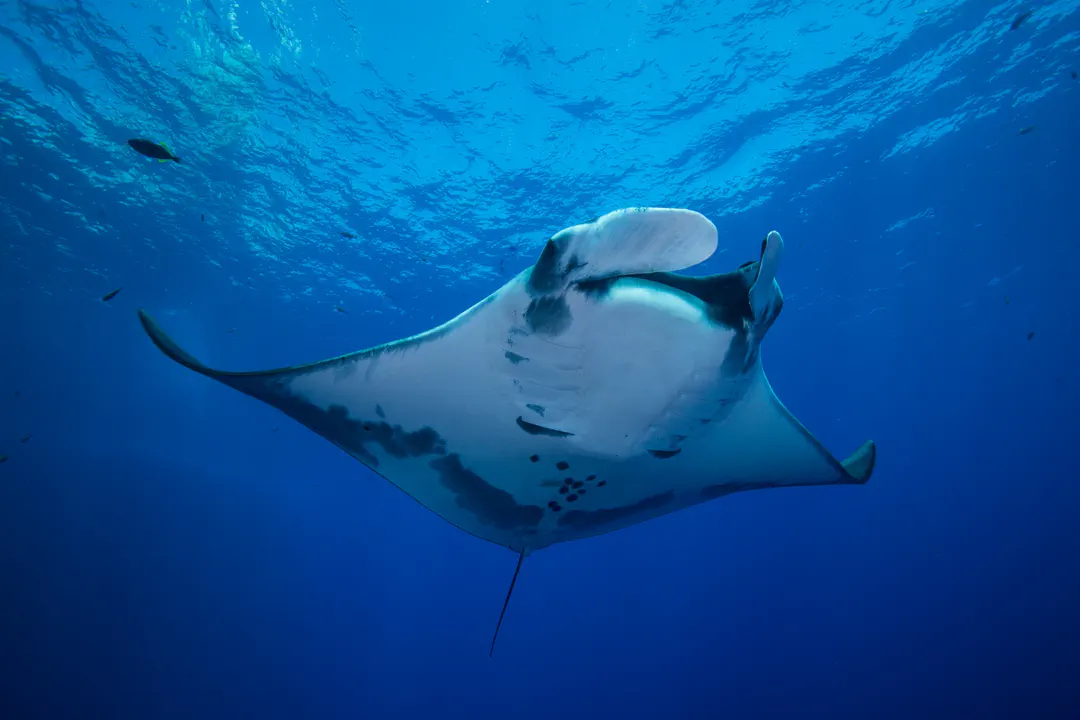
Located in Keauhou Bay off the Kona coast, Manta Ray Village is famous for night encounters with resident reef manta rays. Dive operators submerge bright floodlights on the sandy bottom at 10 meters, illuminating dense concentrations of microscopic plankton. The light beam draws mantas into the area to feed in a controlled environment.
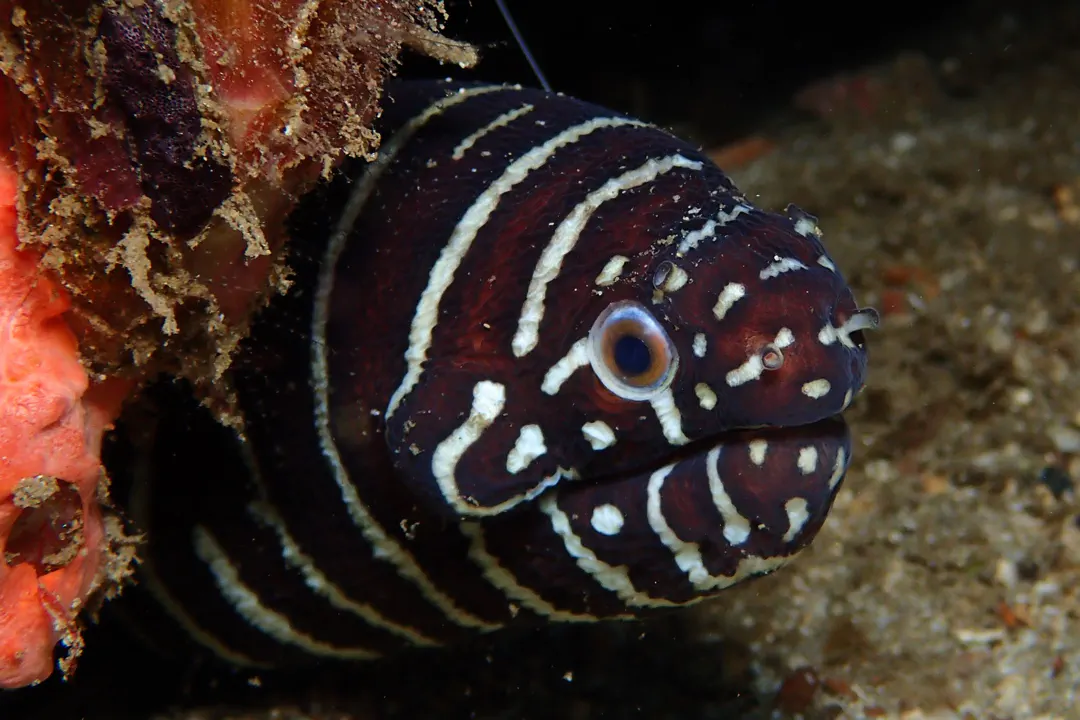
Divers rest quietly on the sand floor while mantas measuring up to four meters across perform vertical barrel rolls directly overhead. Their white undersides pass inches above divers' heads as they filter seawater through open gill slits. Zebra moray eels and whitetip reef sharks move along the surrounding rock rubble while the manta feeding activity takes place.
Maintaining strict buoyancy control and remaining seated on the sand floor prevents disturbance to the mantas' natural feeding trajectory. Exhaling steadily and keeping flashlight beams directed upward maintains proper lighting without blinding the animals. The site is protected from ocean swell, offering calm water conditions for night divers.
Depth: 8-12 m. Access: boat, 15 minutes from Keauhou Harbor. Level: Open Water. Best months: year-round.
 © seabook.appAll rights reserved
 © Daniel BenákCC BY 4.0 · iNaturalist
 © Dan SchofieldCC BY 4.0 · iNaturalist
Molokini Crater (Maui): crater wall diving
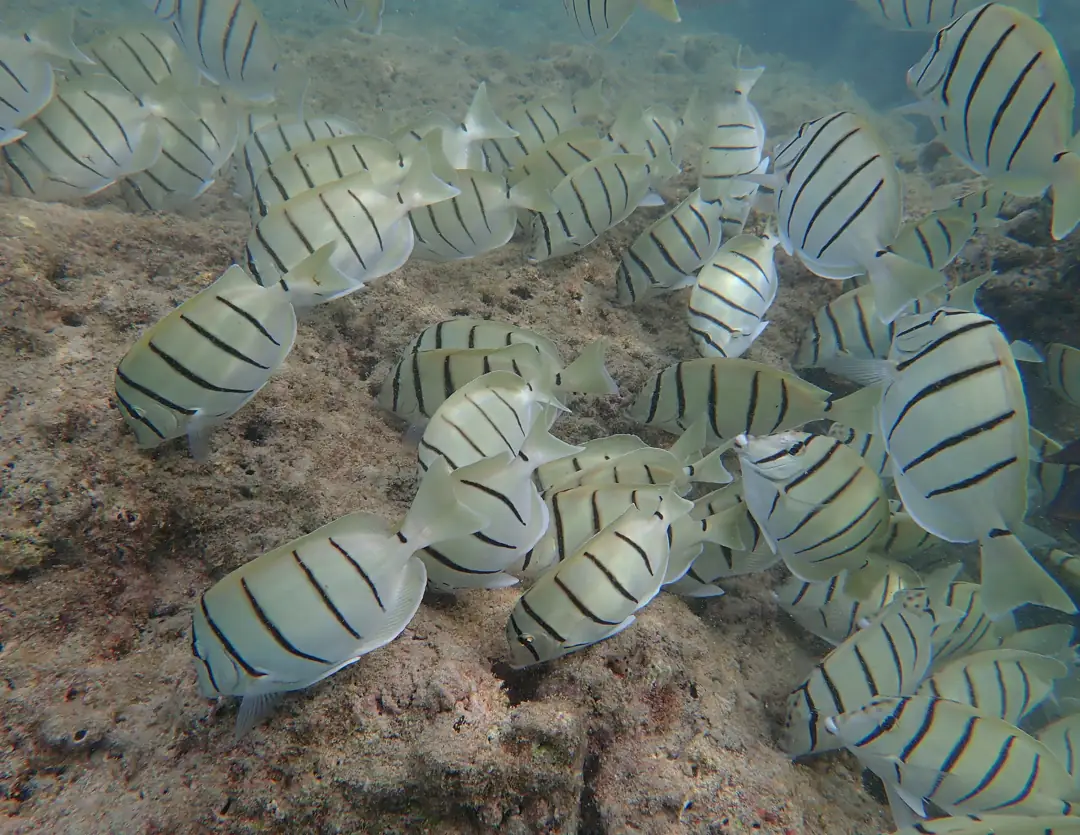
Molokini is a crescent-shaped, partially submerged volcanic crater located three miles off Maui's southern coast. The inner basin features a sheltered coral slope that drops gently from 6 to 30 meters, where convict surgeonfish and Hawaiian cleaner wrasses clean resident marine life. Clear ocean currents sweep through the channel, producing underwater visibility that routinely reaches 30 meters.
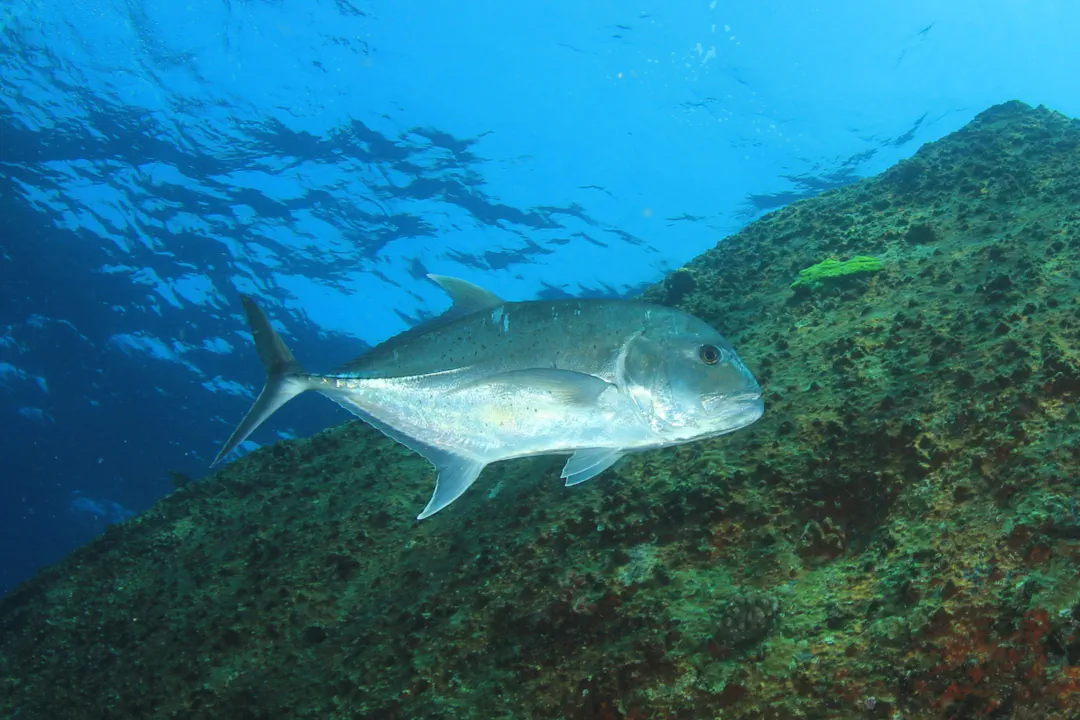
The crater's outer wall drops vertically into deep open water past 100 meters, offering drift diving along black basalt cliffs. Advanced divers ride the external current along vertical drop-offs covered in black coral trees and red slate-pencil urchins. Giant trevally, grey reef sharks, and eagle rays patrol the outer wall where deep water meets the crater rim.
Early morning entries avoid late-morning wind chop that develops inside the Alalakeiki Channel. Buoyancy must be strictly controlled on the back wall to prevent descending past planned maximum depths into open water. Mooring buoys protect the crater seabed, keeping boat anchors off fragile coral structures.
Depth: 6-40 m. Access: boat, 30 minutes from Maalaea Harbor. Level: Open Water (inside), Advanced (outer wall). Best months: December-May.
 © seabook.appAll rights reserved
 © Rickard ZerpeCC BY 4.0 · iNaturalist
 © Matteo BellucciCC BY 4.0 · iNaturalist
 © louisloAll rights reserved
First Cathedral (Lanai): swim-throughs and stained-glass light
First Cathedral is a two-story submerged lava tube located off the south shore of Lana‘i. Divers enter through a wide archway at 15 meters into a spacious cavern chamber formed by ancient cooling gas bubbles. Light filters through dozens of small ceiling perforations, creating an effect that resembles light passing through stained glass.
At the back of the chamber rests a large basalt formation known as the altar, where whitetip reef sharks frequently rest on the sandy floor. Hawaiian squirrelfish and soldierfish cluster in dark corner crevices out of direct sunlight. Hawaiian turkeyfish hang upside down along overhead basalt ledges within the cavern system.
A narrow exit slot at the rear of the cavern allows divers to exit into open water using the push of gentle ocean surge. Diver training and comfort inside enclosed overhead spaces are essential for navigating the interior route safely. Carrying a dive torch helps reveal natural orange and red coral crusts on the cavern walls.
Depth: 12-20 m. Access: boat, 45 minutes from Lahaina (Maui). Level: Intermediate. Best months: May-October.
Turtle Canyons (Oahu): turtle cleaning station in shallow water
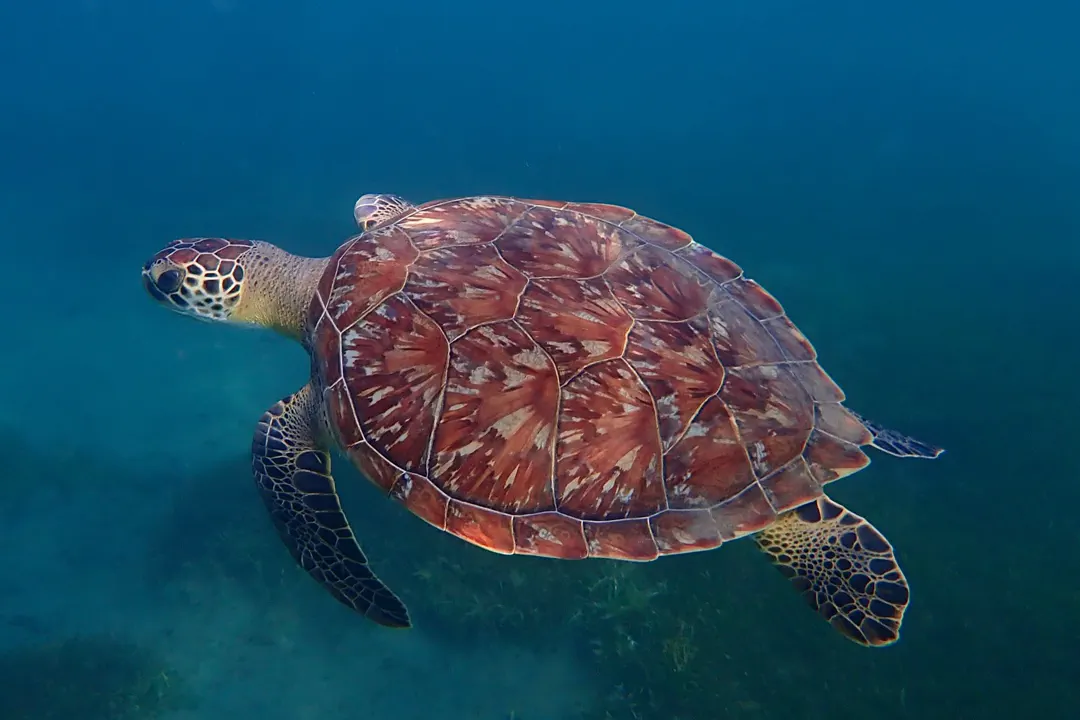
Situated off the coast of Waikiki, Turtle Canyons is a shallow reef system characterized by finger-like lava ridges and sandy channels. The site serves as an active cleaning station where Hawaiian green sea turtles gather on top of high basalt pinnacles. Herbivorous fish like yellow tangs and Hawaiian cleaner wrasses pick algae and parasites from the turtles' shells and skin.
Turtles hover motionless above the reef ridges while small fish graze across their flippers and carapaces. Divers can observe multiple green sea turtles resting on the basalt ledges at depths of 8 to 12 meters. Hawaiian sergeant fish and milletseed butterflyfish form dense schools around the cleaning stations in the shallow water column.
Because of its shallow depth and mild currents, the site provides straightforward conditions for all certification levels. Maintaining neutral buoyancy keeps fine sand from settling on the reef platform during observation. Divers must maintain distance from resting turtles to prevent interrupting their natural cleaning behavior.
Depth: 8-14 m. Access: boat, 15 minutes from Kewalo Basin. Level: Open Water. Best months: year-round.
Tunnels Beach (Kauai): caverns and swim-throughs for intermediate divers
Tunnels Beach, located on Kauai's northern shore, features a complex horseshoe reef built from porous basalt lava and encrusting stony corals. The site gets its name from wide lava tubes, archways, and dark overhangs that undercut the main reef flat. Whitetip reef sharks use these shaded basalt overhangs as resting spots during daylight hours.
Divers navigate interconnected swim-throughs where sunlight breaks through ceiling cracks to light up sandy floors. Green sea turtles and blue-spotted octopuses hide inside rock crevices along the inner reef walls. Schools of convict surgeonfish feed across upper reef flats where wave action delivers oxygenated water.
Shore access requires walking across deep sand and negotiating shallow shorebreaks before swimming out to the outer drop-off. North shore ocean swells make entry impossible during winter months, restricting safe access to summer windows between May and September. Monitoring tide charts helps divers navigate shallow entry channels through the reef.
Depth: 8-18 m. Access: shore dive from Haena State Park. Level: Intermediate. Best months: May-September.
 © cello caruso-turielloCC BY 4.0 · iNaturalist
Corsair Wreck (Oahu): WWII airplane wreck in deep water
The Corsair rests upright on a flat sand floor at a depth of 32 meters off O‘ahu's southeastern coastline. The WWII Vought F4U Corsair fighter plane ditched in 1946 after running out of fuel during a routine training mission. The airframe remains intact, with its propeller, radial engine, and cockpit canopy open to the surrounding water.
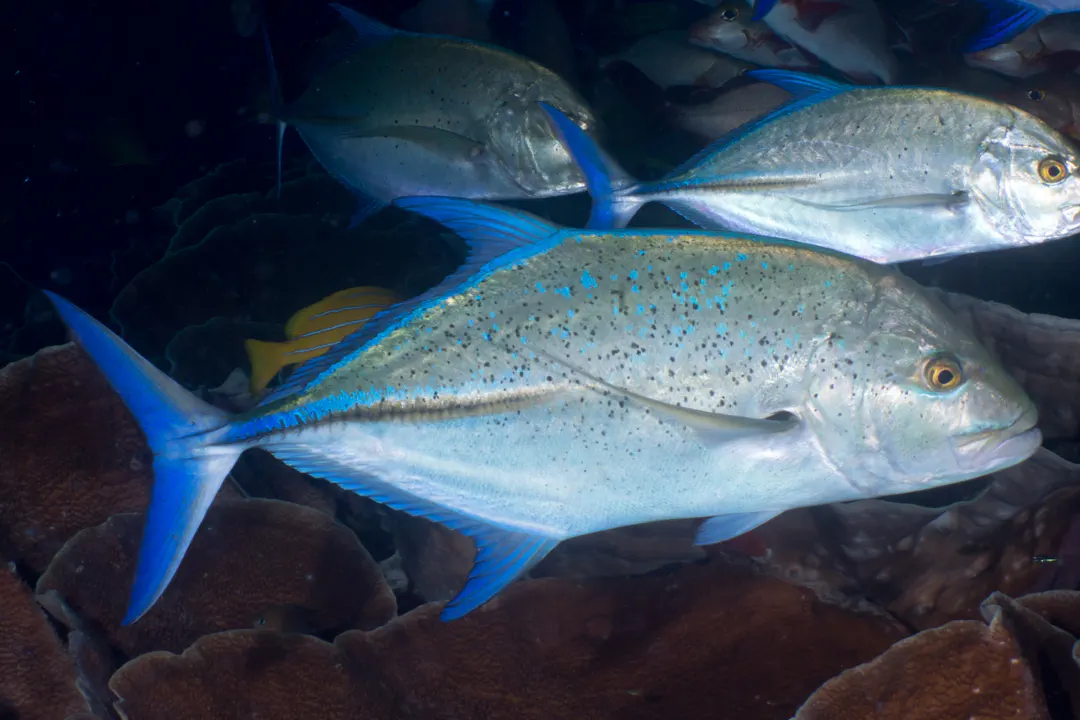
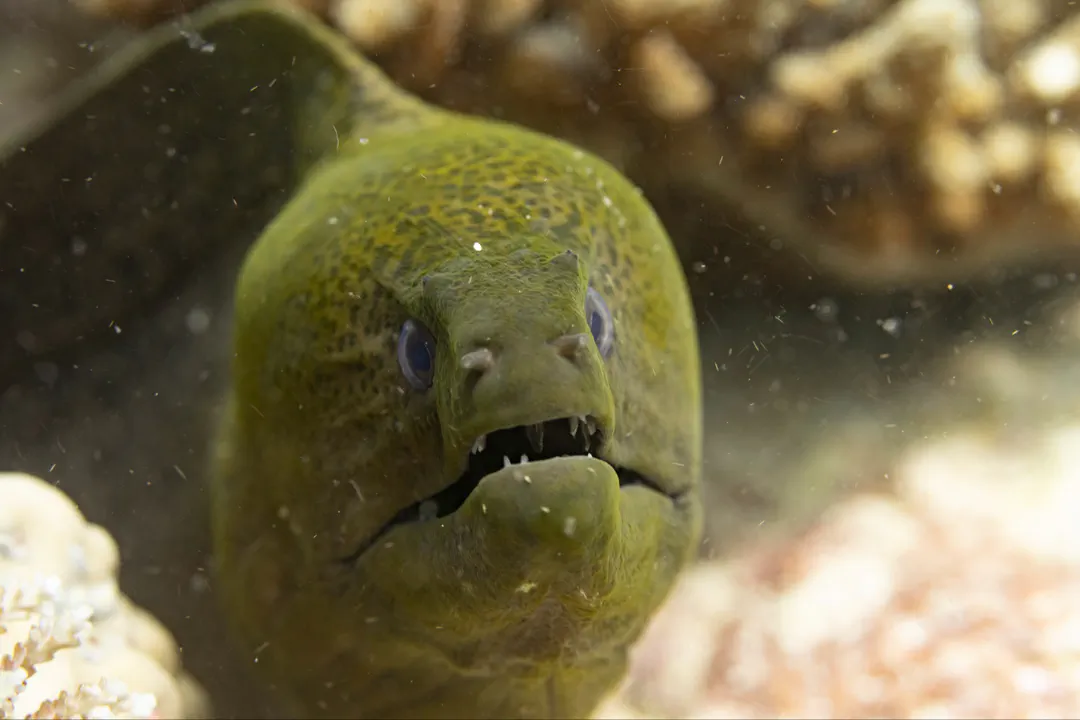
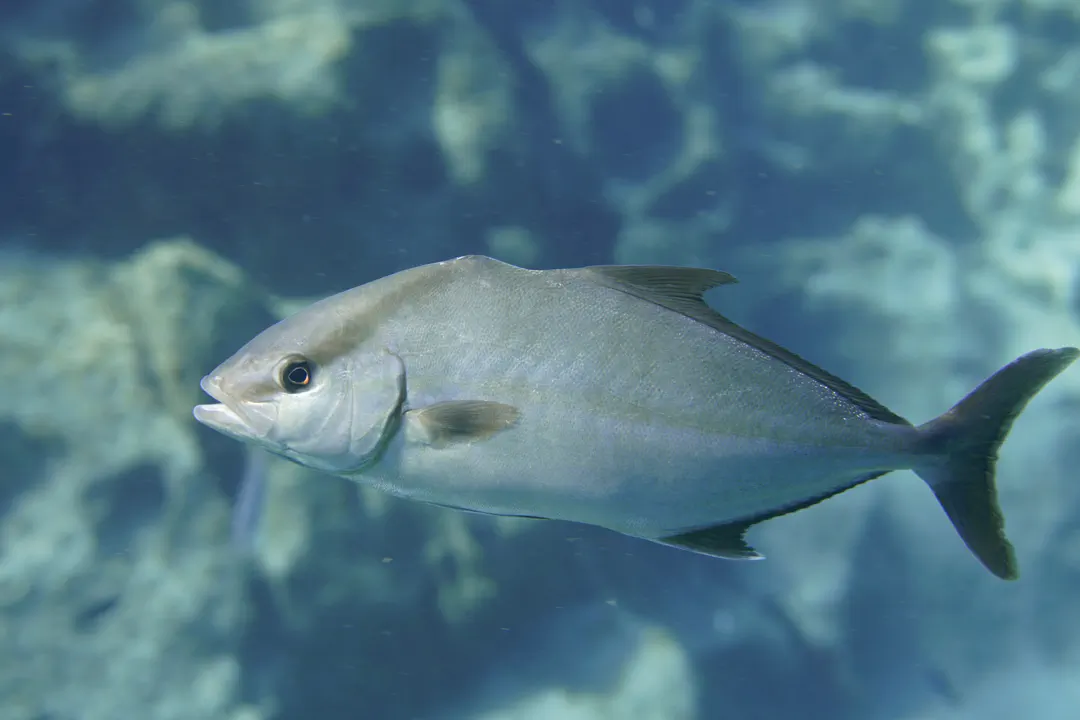
Because the plane sits isolated on an open sand expanse, it acts as an artificial reef anchor for pelagic sea life. Schools of amberjacks and bluefin trevally circle above the fuselage, while large yellowmargin moray eels lodge inside the open cockpit structures. Slate-pencil urchins and soft marine growth encrust the aluminum wings and landing gear.
Strong ocean currents frequently sweep across the sand flat, requiring divers to perform controlled descents and ascents down a fixed mooring line. Deep water limits bottom time to short non-decompression windows, making precise gas tracking essential. The site suits advanced divers trained in deep profiles and current management.
Depth: 30-33 m. Access: boat, 20 minutes from Maunalua Bay. Level: Advanced Open Water. Best months: May-October.
 © cello caruso-turielloCC BY 4.0 · iNaturalist
 © Michael BommererCC BY 4.0
Marine Life in Hawaii
Hawaiian waters host a distinct collection of Indo-Pacific reef fish, marine mammals, and seasonal pelagics adapted to isolated volcanic habitat. Bright reef species like the saddle wrasse, Potter's angelfish, and blue-striped lizardfish fill the middle water column over dark lava reefs. Arc-eye hawkfish perch on cauliflower coral heads, waiting to dart after small crustacean prey.
According to the Hawai‘i Division of Aquatic Resources, Protected Species, all sharks, rays, sea turtles, marine mammals, and Hawaiian monk seals receive legal protection under state and federal law. Whitetip reef sharks remain the most common shark encountered under basalt ledges, while scalloped hammerheads occasionally pass over deep outer channels. Hawaiian monk seals rest along isolated rocky shorelines and shallow reef flats.
In winter, thousands of humpback whales travel from Alaska to calve and mate in the shallow channels between Maui, Molokai, and Lana‘i. Divers logged on boat trips often spot surface tail slaps or hear whale songs echoing through their chest cavities while submerged. You can log species sightings like the endemic humuhumunukunukuāpuaʻa directly into the Seabook app to keep track of your Hawaiian encounters.
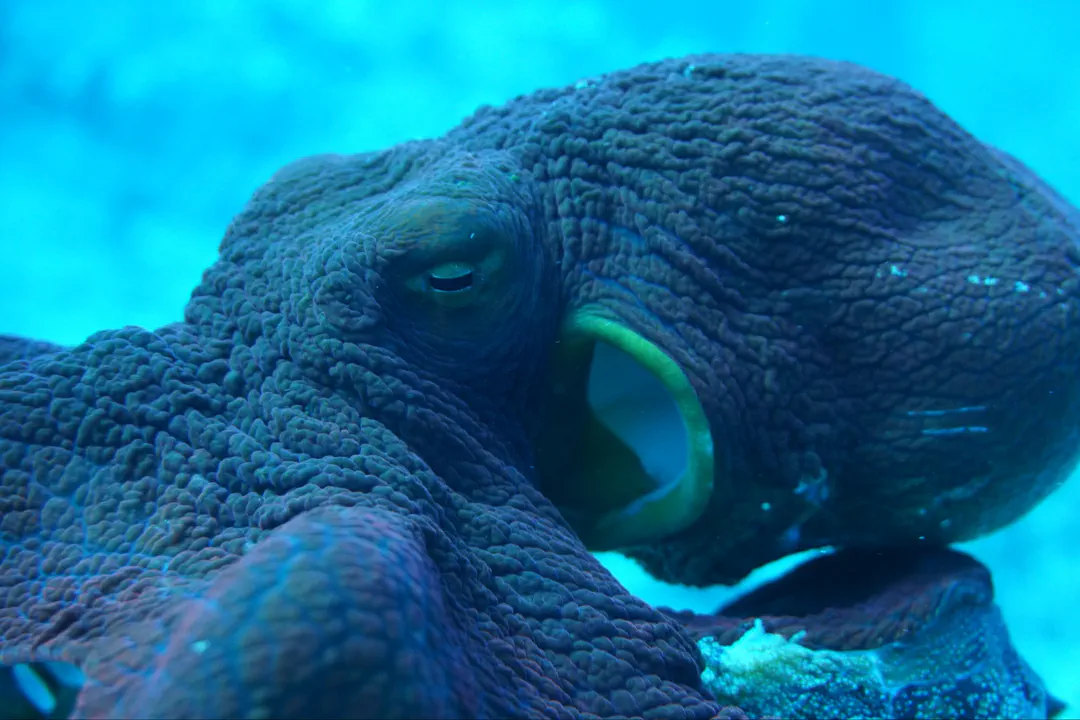
Large pelagic animals including eagle rays, giant trevally, and green sea turtles move fluidly between deep offshore drops and shallow reef platforms. Octopuses camouflage seamlessly against porous lava rock, shifting skin texture and color in seconds when approached. Observing animal behavior from a stationary position allows natural interactions without causing stress.
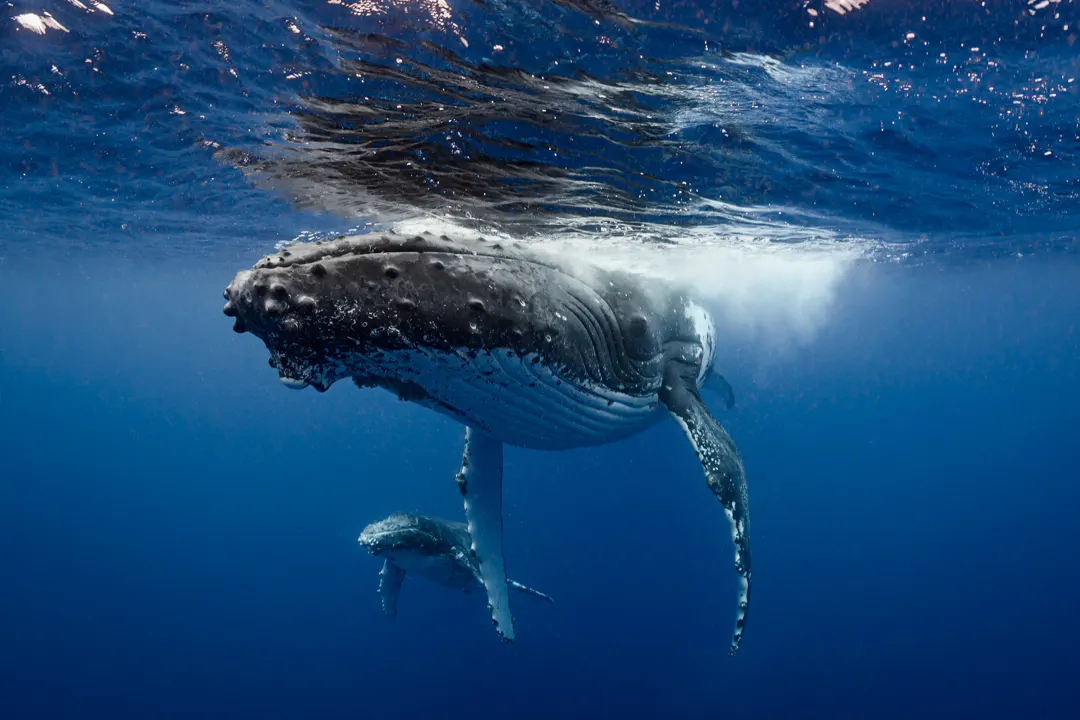 © seabook.appAll rights reserved
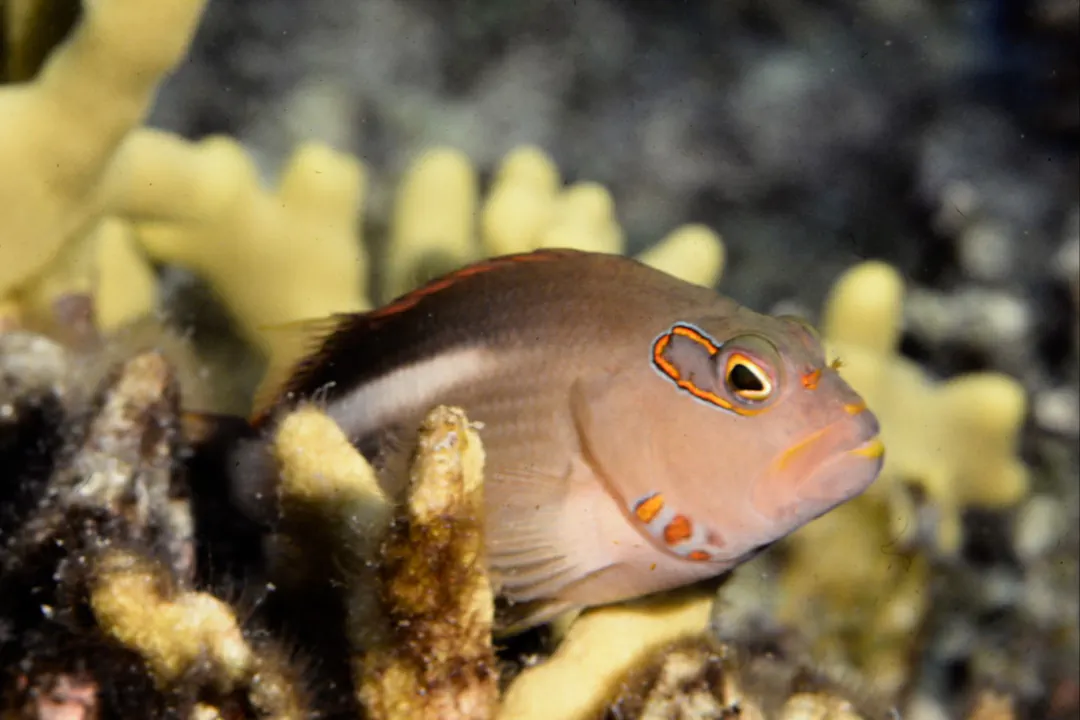 © Roger RittmasterCC BY 4.0 · iNaturalist
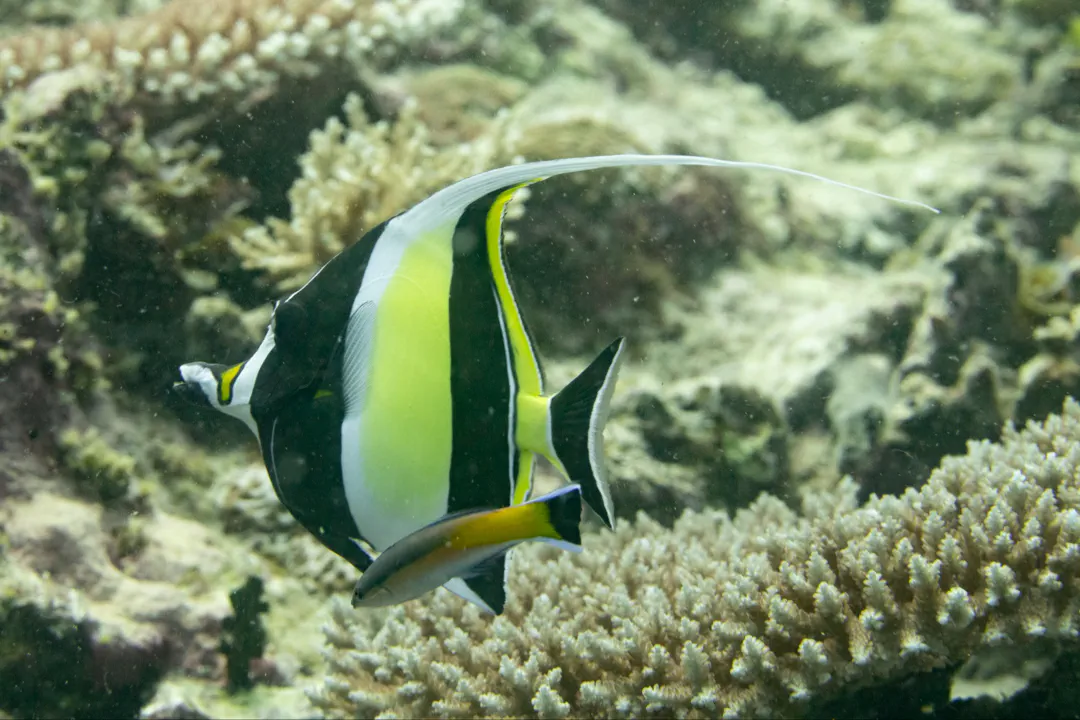 © cello caruso-turielloCC BY 4.0 · iNaturalist
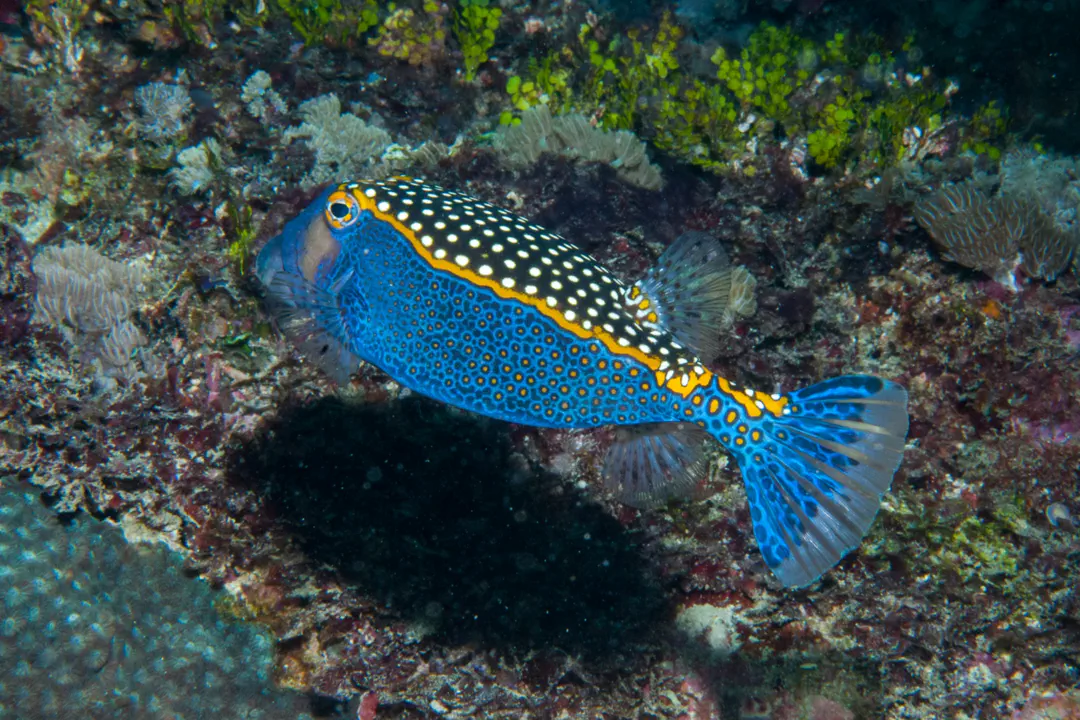 © Bernard PictonCC BY 4.0 · iNaturalist
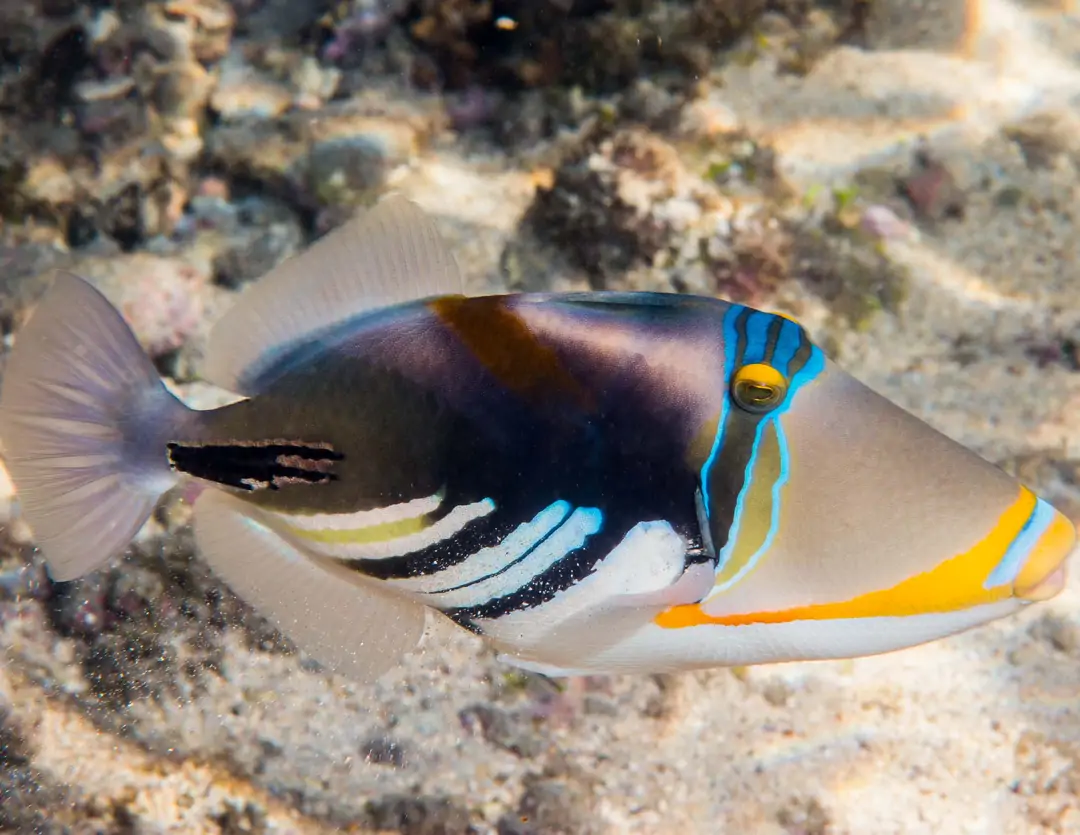 © Francois LibertAll rights reserved
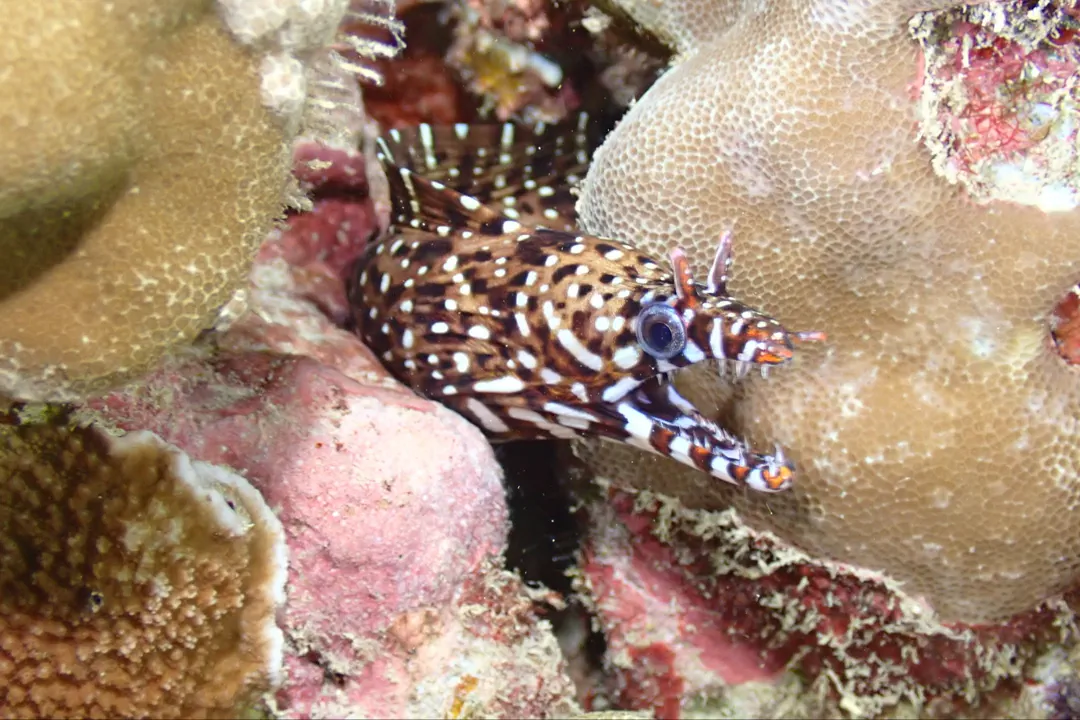 © Robin WhiteCC BY 4.0 · iNaturalist
Is Hawaii Good for Beginners and Snorkellers?
Hawaii offers accessible conditions for beginner divers and snorkellers, provided dive sites are matched to daily sea states. Protected volcanic bays like Hanauma Bay on O‘ahu and Kealakekua Bay on the Big Island feature shallow reef entry points free of heavy surge. Mild currents and clear water allow novice divers to build comfort with buoyancy control and mask clearing.
Many dive centers operate introductory discovery scuba courses along Kona's sheltered western shoreline, where deep water sits close to quiet harbors. Shore entries require careful footing over uneven lava rock and urchin-covered ledges, making thick-soled dive booties essential equipment. Snorkellers swim safely over shallow cleaning stations while staying well above fragile coral heads.
Beginners should avoid open-ocean drift sites or exposed northern shores during seasonal swell shifts. Joining guided boat charters ensures professional oversight, local knowledge of entry paths, and emergency oxygen equipment on board. Selecting calm morning slots minimizes exposure to trade-wind wind chop.
Getting There and Practical Tips
Major international airports on O‘ahu, Maui, Kauai, and the Big Island provide direct airlift access from main continental hubs. Moving between islands requires short inter-island flights on regional carriers, which means divers must plan surface intervals carefully before flying. Allow at least 18 to 24 hours of surface interval time after multi-dive days before boarding inter-island flights.
Guidelines from the Hawai‘i Division of Boating and Ocean Safety mandate that humpback whales may not be approached within 100 yards, and sea turtles should be observed from at least 10 feet away. Additionally, NOAA Fisheries, Viewing Marine Wildlife in Hawai‘i sets a 50-yard approach limit for spinner dolphins. Respecting these distances prevents disruption to feeding, resting, and breeding behaviors across all island coastlines.
Renting heavy dive gear like tanks and weights locally reduces baggage fees on flights, but bringing personal masks, computers, and wetsuits ensures proper fit. State law requires all divers entering from shore or non-commercial vessels to display a red-and-white diver down flag. Following reef safety laws, using mineral sunscreens, and carrying a surface marker buoy ensures smooth and compliant diving across Hawaii.
Questions
Are there sharks in Hawaii?
Yes. Whitetip reef sharks (Triaenodon obesus) commonly rest inside lava caverns and beneath rock ledges at sites like First Cathedral and Tunnels Beach. Scalloped hammerheads, tiger sharks, and grey reef sharks occur in deeper offshore waters. All sharks are protected under state law, and encounters are peaceful when divers maintain distance.
What is the best month for diving in Hawaii?
May through September provides the calmest ocean conditions, warmest water (27°C), and easiest access to exposed northern coastlines like Tunnels Beach on Kauai. Winter months (December through April) bring migrating humpback whales and large northern swells, making southern and western leeward shores the primary choice.
Can you dive with manta rays in Hawaii?
Yes. The Big Island of Kona offers night dive charters to Manta Ray Village and Garden Eel Cove. Underwater floodlights attract plankton, bringing reef manta rays (Mobula alfredi) to feed in shallow water directly above stationary divers.
How warm is the water in Hawaii?
Water temperatures range between 23°C in February and March to 27°C in August and September. A 3mm full wetsuit works well for summer diving, while a 5mm wetsuit offers better insulation during winter or repetitive deep dives.
Which Hawaiian island is best for scuba diving?
The Big Island (Kona) is renowned for night manta encounters and calm leeward shores. Maui provides access to Molokini Crater wall dives and Lana‘i lava caverns. O‘ahu features WWII airplane wrecks like the Corsair alongside shallow turtle cleaning stations.
Is Hawaii good for beginner divers?
Yes. Hawaii offers clear, shallow, and sheltered reef sites like Turtle Canyons off O‘ahu and Kealakekua Bay off Kona that suit entry-level training. Beginners should choose guided boat trips in calm bays to avoid surf entries and deep cavern overheads.
Sources
- Inventory of the Seaweeds and Seagrasses of the Hawaiian Islands · 2023-01-29
- Protecting Marine Species – Division of Boating and Ocean ... · 2026-10-03
- Viewing Marine Wildlife in Hawaiʻi | NOAA Fisheries · 2026-02-23
- Microsoft Word - 20090310 Wildlife Interactions KST1.doc · 2025-06-25
- dar.hawaii.gov · protected-speciesProtected Species – Division of Aquatic Resources · 2026-10-03

