At twenty meters down on the northern flank of Castle Rock, a four-knot current presses your mask against your brow. White sand flies past below like windblown snow, but against the rock face, four grey reef sharks hover effortless in the rushing water. A school of five hundred blue-fin trevally pivots as one, their blue dorsal fins catching rays of sunlight that pierce the surface.
Planning a trip for diving in Komodo requires understanding two contrasting marine environments separated by a narrow island arc. The optimal window for visiting runs from April to November during the dry season, when water temperatures across northern and central sites remain warm between 27°C and 29°C, while visibility stretches from 20 to 35 meters. Southern sites experience deep ocean upwellings that drag water temperatures down to between 20°C and 25°C, dropping visibility to 10 to 15 meters while loading the water column with plankton.
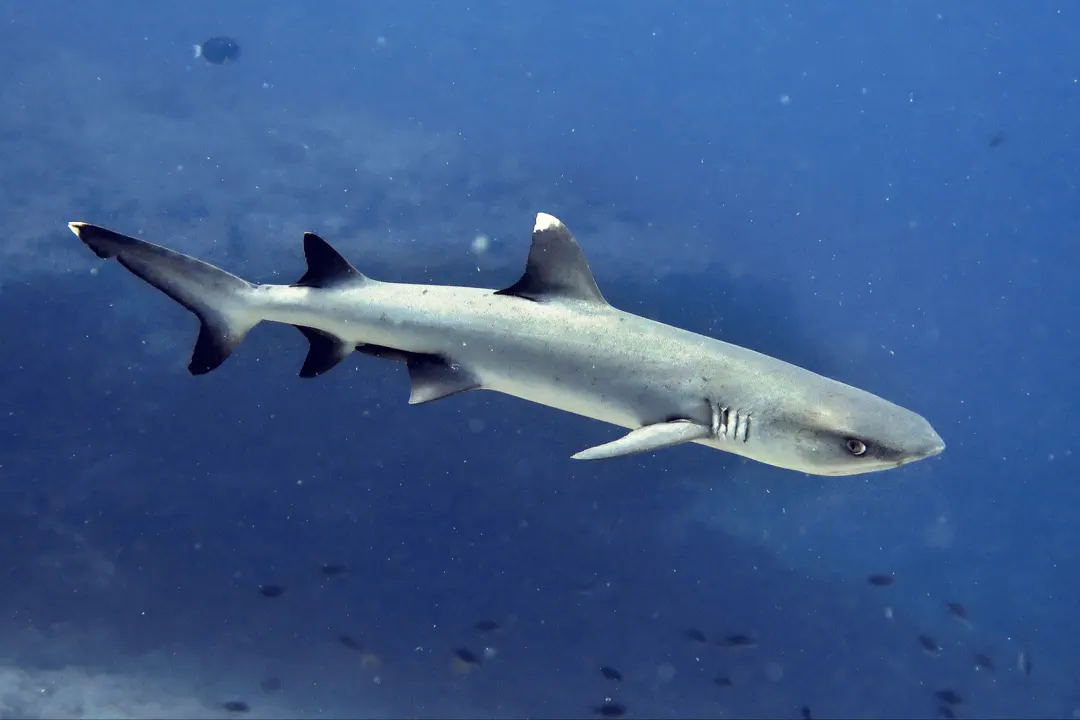
Key dive sites include the cleaning stations of Karang Makassar, the fish-packed pinnacle of Batu Bolong, the current channel of The Cauldron, and the quiet seagrass beds of Siaba Besar. Divers regularly encounter reef mantas, whitetip reef sharks, hawksbill turtles, and pygmy seahorses across these varied habitats. While sheltered bays suit entry-level divers, the open pinnacles and fast channels demand strong buoyancy control and drift-diving experience.
What Is Diving in Komodo Like?
Komodo National Park sits directly in the path of the Indonesian Throughflow, where massive volumes of water exchange between the Pacific Ocean and the Indian Ocean. Narrow channels between Komodo, Rinca, and Flores funnel these tides, accelerating currents across submerged ridges and isolated sea pinnacles. This constant movement mixes deep nutrient sources with warm upper layers, creating energetic marine habitats that support dense populations of reef fish and large open-water predators.
The national park contains over 1,000 species of bony fish, 260 species of reef-building coral, and approximately 70 sponge species. The northern sector features volcanic islets and submerged rocks washed by warm, clear Pacific water. In contrast, the southern sector faces the open Indian Ocean, where cold bottom water surges upward into shallow bays, feeding filter-feeding invertebrates and soft corals.
Navigating these waters means paying strict attention to tidal cycles and moon phases. A site that sits completely quiet at slack water can transform into an accelerating washing machine within thirty minutes of a tide change. Divers must expect down-currents along vertical walls and horizontal shear currents near exposed points, making a detailed pre-dive briefing from a local guide essential before every entry.
Best Time to Dive in Komodo
The dry season from April to November brings calm surface conditions, minimal rainfall, and dependable sunshine across the region. During these months, liveaboards and day boats run daily trips to northern pinnacles like Castle Rock and Crystal Rock. Water visibility in the north reaches up to 35 meters, allowing divers to spot pelagic action from considerable distances in the blue water.
The wet season runs from December to March, bringing occasional heavy squalls, rougher sea surfaces, and shifting wind directions. While northern sites can experience reduced visibility during these months, southern areas like Manta Alley become major focal points. High concentrations of plankton in the south during the wet season draw large numbers of reef mantas into shallow bays to feed and visit cleaning stations.
Choosing when to visit depends on whether your priority is crisp northern visibility or southern megafauna encounters. Transition months like April and November offer a balance between stable weather and good marine life activity across both northern and southern sectors. Regardless of the month, local tidal currents remain strong year-round.
Komodo Water Temperature by Month
Water temperatures in Komodo vary more by location than by calendar month due to regional upwelling patterns. Northern reefs maintain steady temperatures between 27°C and 29°C throughout the year, requiring only a standard 3 mm neoprene suit for most divers. These warm thermal conditions support extensive hard coral gardens and fast-swimming pelagic species.
In southern Komodo, deep ocean currents force cold, nutrient-laden water into shallow areas around Nusa Kode and South Rinca. Surface readings in these southern sites often drop to between 20°C and 25°C, particularly from July to September. Divers visiting the south should pack a 5 mm wetsuit, a hooded vest, or thermal base layers to remain comfortable over multi-dive days.
Thermoclines can be sharp and sudden throughout the central park islands. A diver descending through 28°C surface water may drop through a distinct barrier at fifteen meters depth, where the temperature plummets four degrees in a single meter. Checking recent water readings with your dive operator helps ensure you pack appropriate exposure protection.
Water temperature
Komodo, Indonesia, monthly average
Reference point: Komodo Island / Komodo National Park near Labuan Bajo, Flores (surface waters in the Sape Strait, typical diving area around 0–10 m depth).
Best Dive Sites in Komodo
Dive sites in Komodo National Park spread across three distinct regions, each offering unique topography, flow patterns, and creature encounters. Northern sites feature exposed pinnacles washed by fast currents, central sites provide shallow manta cleaning rubble and sheltered bays, and southern sites present cold-water seamounts packed with soft corals and invertebrates.
Karang Makassar (Central Komodo): manta ray cleaning stations
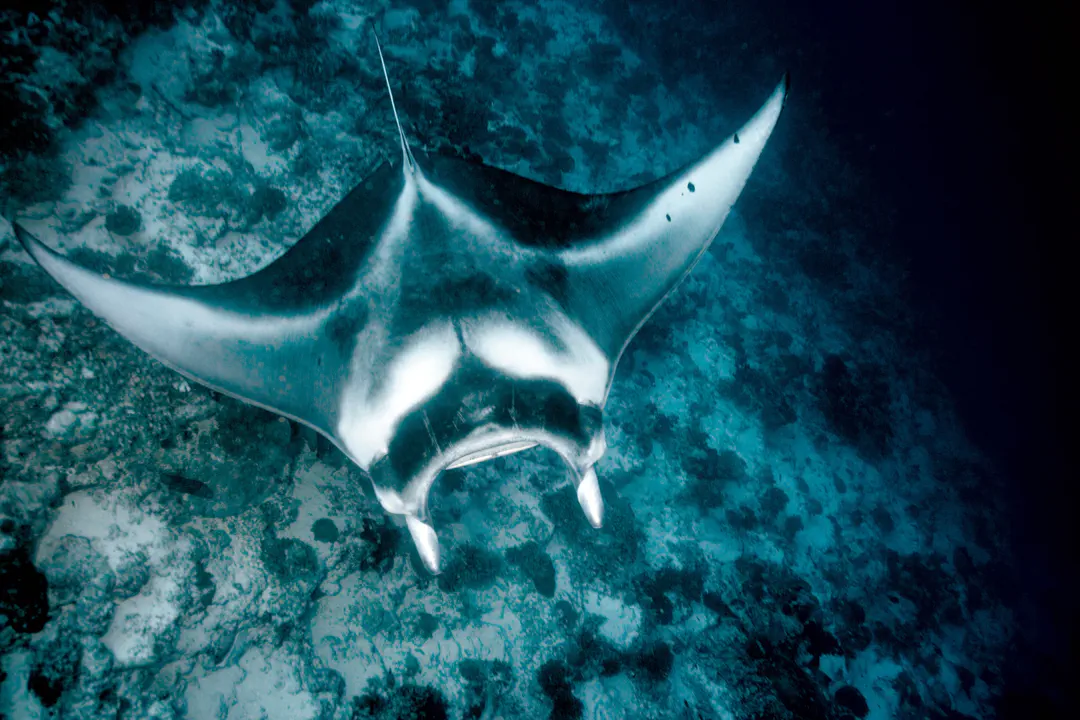
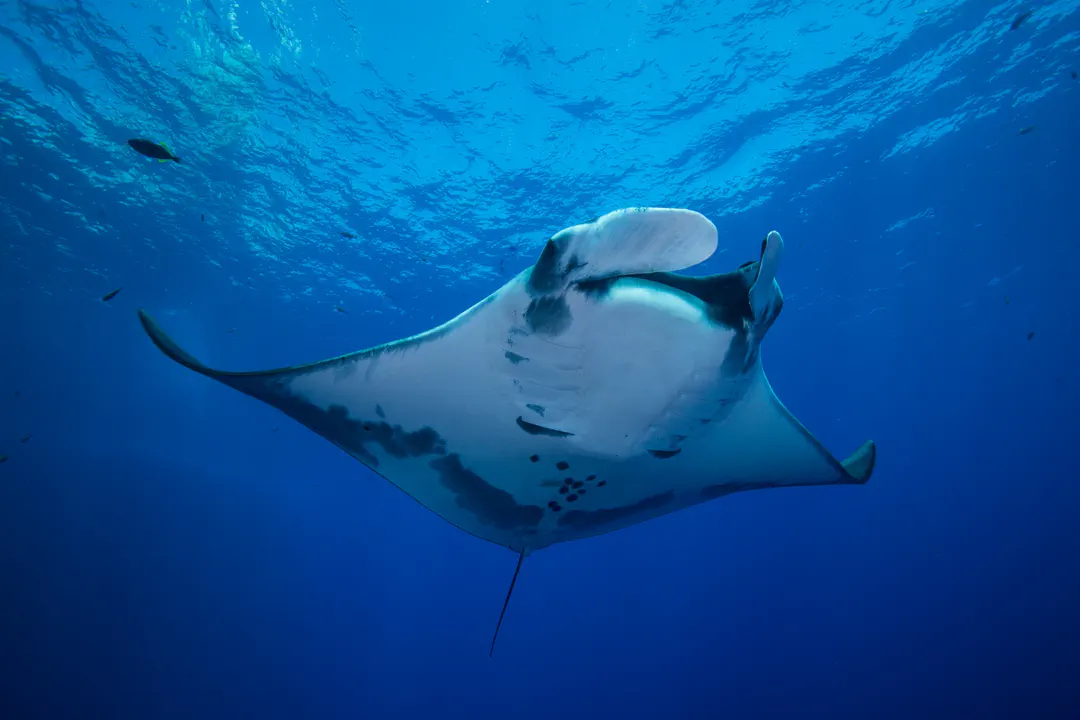
Karang Makassar stretches across two kilometers of shallow, current-swept seabed composed largely of broken coral rubble and white sand. The main attraction here is a series of small coral mounds where cleaner wrasse set up cleaning stations. Reef mantas (Mobula alfredi) glide low over the substrate, turning slowly into the flow to allow wrasse to pick parasites from their gills and skin.
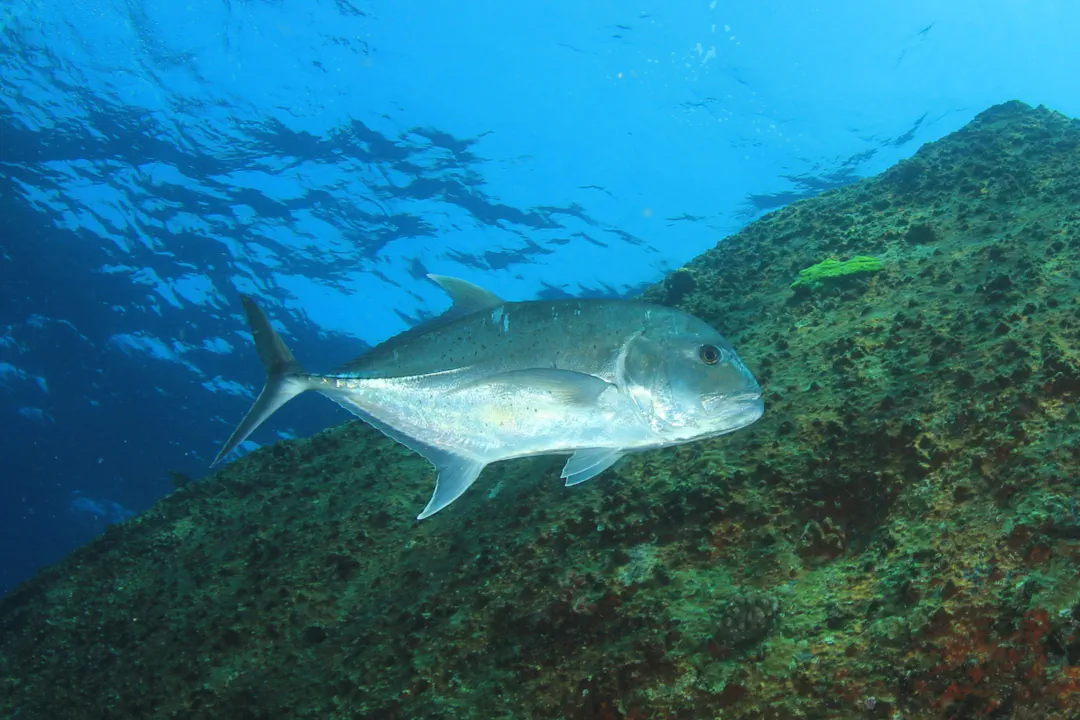
Divers drift along the shallow plain at depths between 10 and 15 meters, keeping low to the seabed to avoid disturbing the mantas. When an active cleaning station appears, divers stay down-current on the rubble floor without surrounding or chasing the animals. In addition to mantas, whitetip reef sharks resting on sand patches and hunting giant trevally are frequently seen drifting through the area.
Because the site is exposed to strong surface tides, keeping good group spacing and carrying a surface marker buoy is essential. Currents can carry divers across the flat terrain quickly, so buoyancy control must remain flat and steady near the bottom. When the drift ends, divers launch their buoys in open water for boat collection.
Depth: 6-18 m. Access: boat, 45 minutes from Labuan Bajo. Level: Intermediate. Best months: May-November.
 © seabook.appAll rights reserved
 © Dirk FroebelCC BY 4.0 · iNaturalist
 © Daniel BenákCC BY 4.0 · iNaturalist
 © seabook.appAll rights reserved
Batu Bolong (Central Komodo): submerged pinnacle covered in fish life
Batu Bolong is a small rock outcrop that breaks the surface in the middle of a deep sea strait. Beneath the surface, the rock drops sharply into deep water, creating a vertical rock wall completely covered in hard corals, sponges, and red hydrozoans. Thousands of orange anthias and blue damsels cluster around the upper five meters of the rock face, feeding on passing plankton.
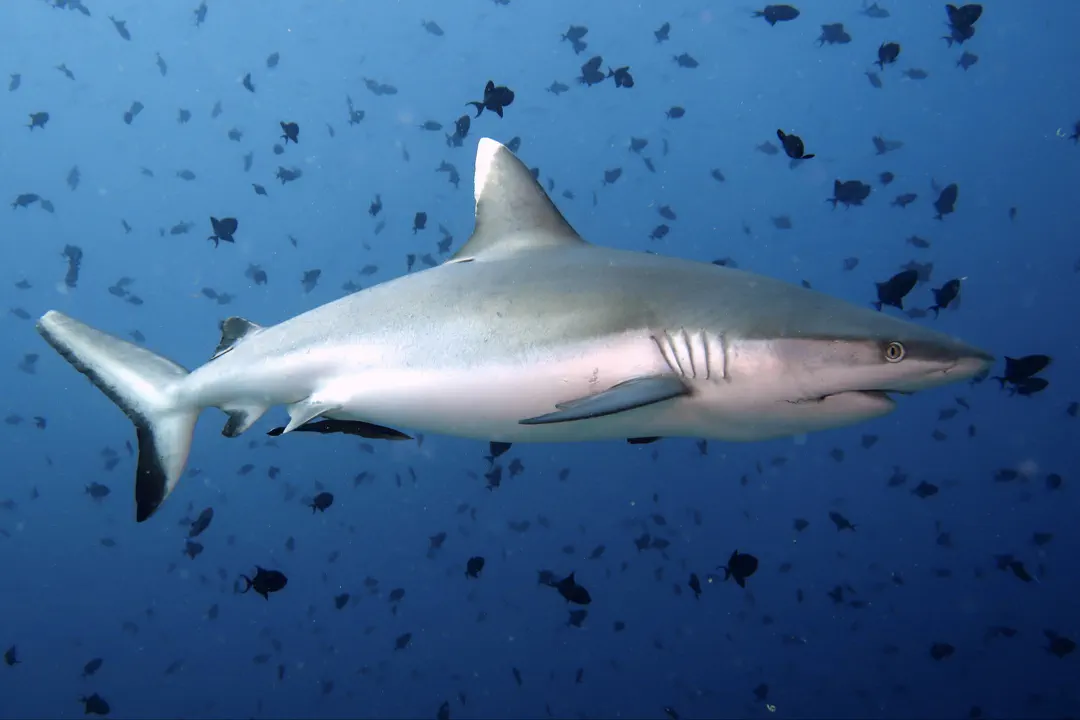
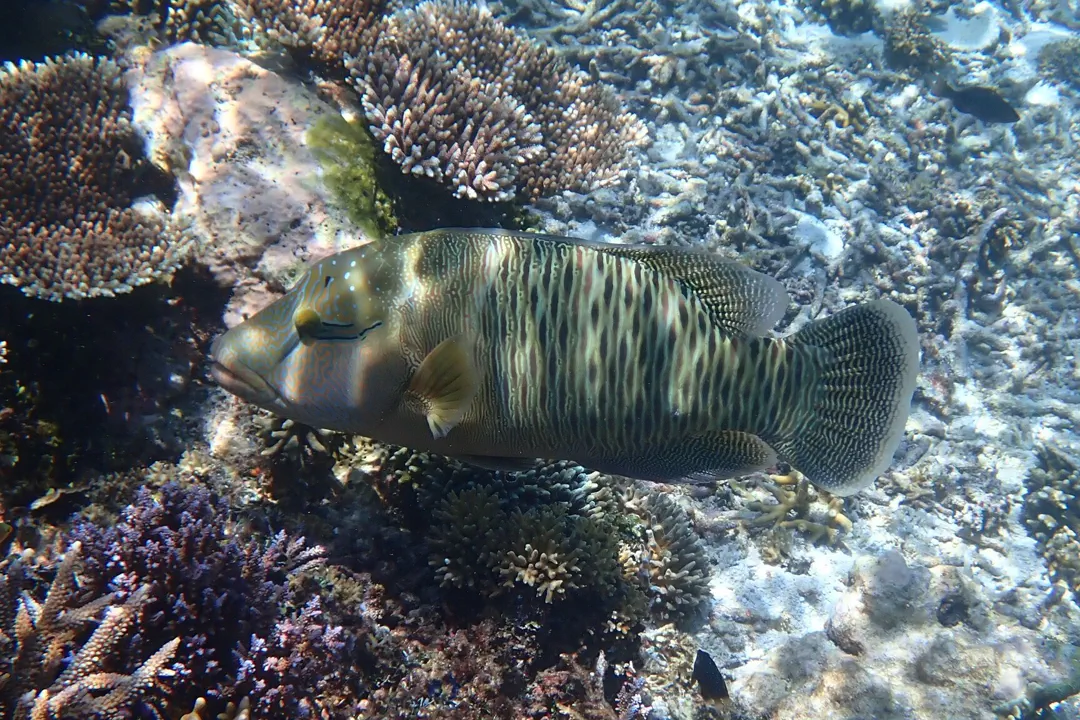
The current hits the rock head-on, creating a split flow that forces divers to stay strictly on the lee side of the pinnacle. While one side experiences roaring water movement, the protected lee side offers calm conditions where grey reef sharks and giant trevally patrol the edge of the blue water. Large humphead wrasse and titan triggerfish feed along the coral slopes.
Divers must never attempt to swim around to the current-facing side or cross over the shallow top of the rock during strong flow. The dive plan requires zig-zagging back and forth along the sheltered face, gradually ascending as nitrogen limits dictate. An uncontrolled drift past the edge of the rock can sweep a diver away into deep open water.
Depth: 5-35 m. Access: boat, 60 minutes from Labuan Bajo. Level: Intermediate to Advanced. Best months: April-November.
 © Daniel BenákCC BY 4.0 · iNaturalist
 © Nicola CrockfordCC BY 4.0 · iNaturalist
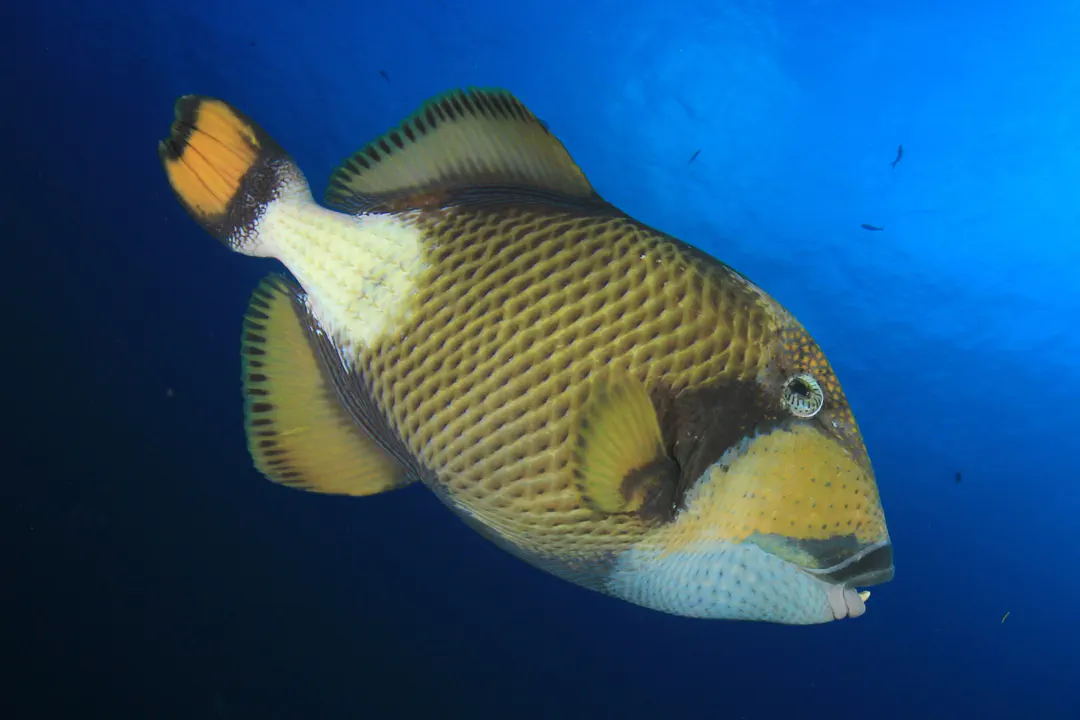 © seabook.appAll rights reserved
Castle Rock (North Komodo): deep pinnacle with heavy shark action
Castle Rock is a submerged seamount whose peak stops four meters short of the surface in open water north of Gili Lawa Laut. Exposed to the full force of northern tides, the pinnacle acts as an ocean aggregation point for predatory fish. Grey reef sharks, whitetip reef sharks, dogtooth tuna, and schooling barracuda assemble on the current-facing point to hunt incoming baitfish.
Divers perform a negative entry, descending rapidly through the surface layer to reach a rocky shelf at twenty meters. Where local guidelines and conditions allow, divers stay anchored near dead substrate on the shelf edge, watching grey reef sharks hold position in the headwind of water. Schooling jacks form tight silvery balls that contract and expand as trevally attack from below.
Down-currents are common on the back side of Castle Rock when the tide runs hard. Divers must monitor their pressure gauges closely, as swimming against the flow at twenty meters rapidly consumes air reserves. The ascent requires drifting away from the rock into blue water to perform a safety stop while towing a inflated buoy line.
Depth: 12-30 m. Access: boat, 90 minutes from Labuan Bajo. Level: Advanced. Best months: April-November.
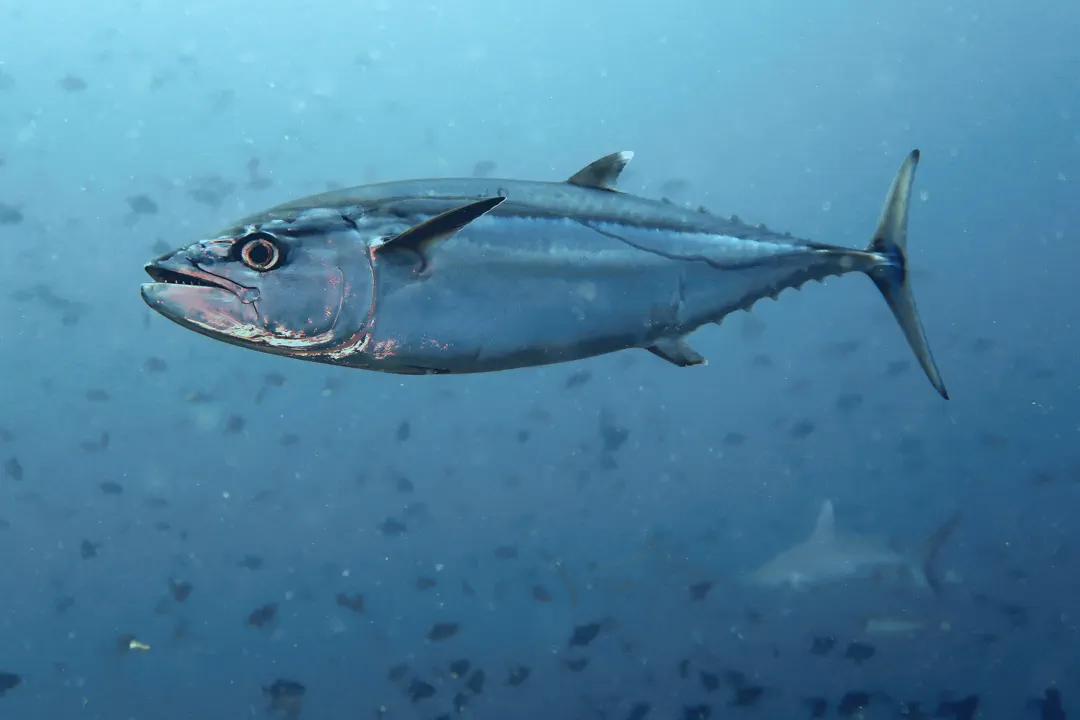 © Daniel BenákCC BY 4.0 · iNaturalist
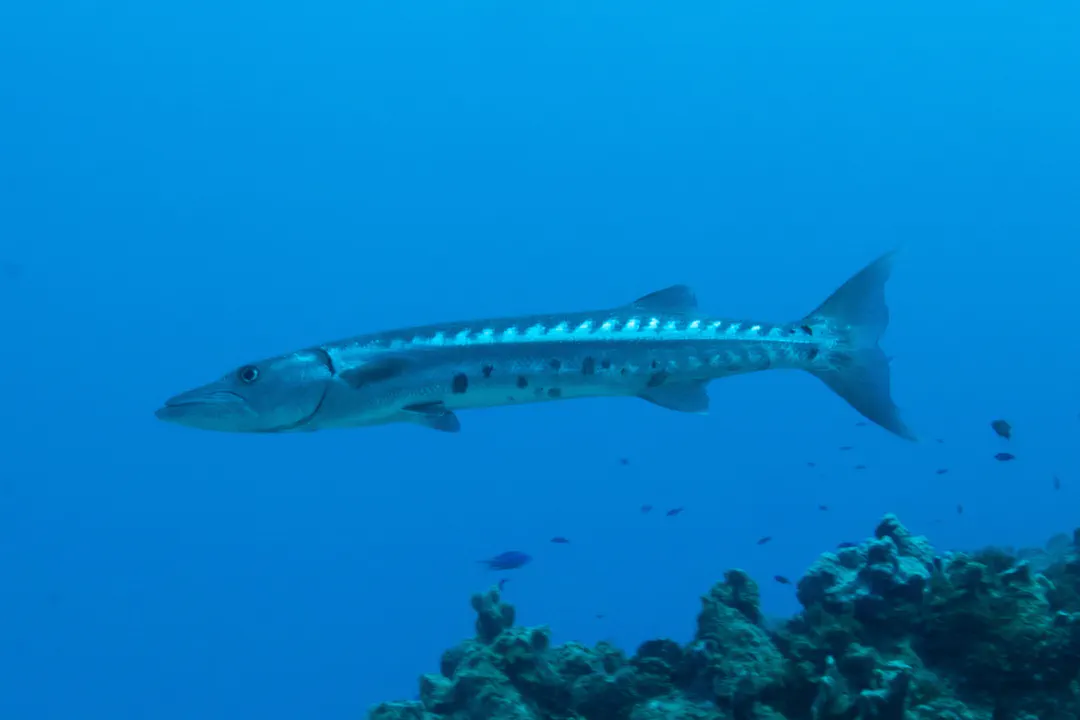 © Dan SchofieldCC BY 4.0 · iNaturalist
Crystal Rock (North Komodo): clear ocean pinnacle and schooling fish
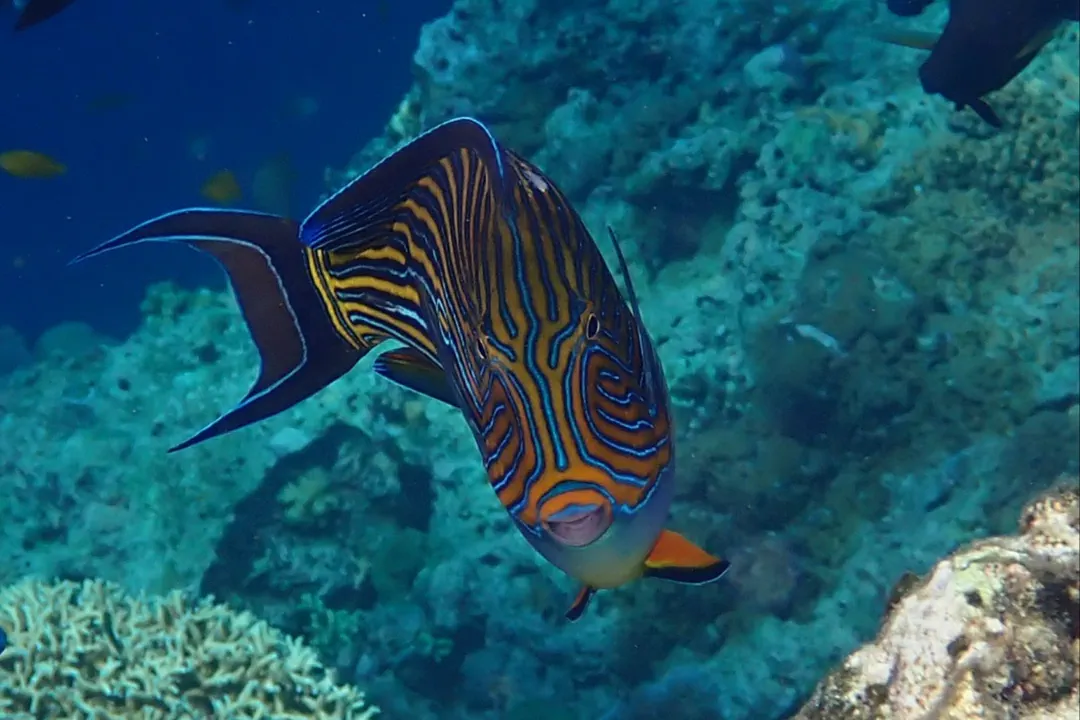
Located just a few hundred meters from Castle Rock, Crystal Rock breaks the surface as a tiny point of dry stone at low tide. Below, a broad coral mound slopes down to a sandy saddle at twenty-four meters that connects Crystal Rock to an adjacent smaller pinnacle. The site features dense thickets of table corals and soft coral bushes along its eastern flank.
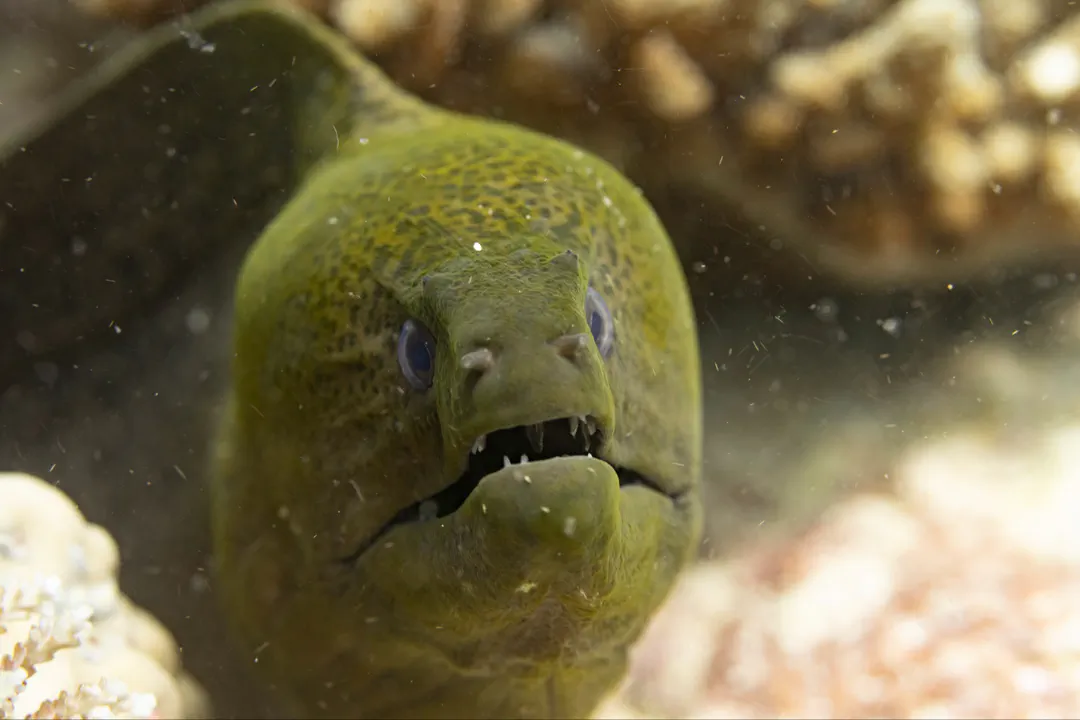
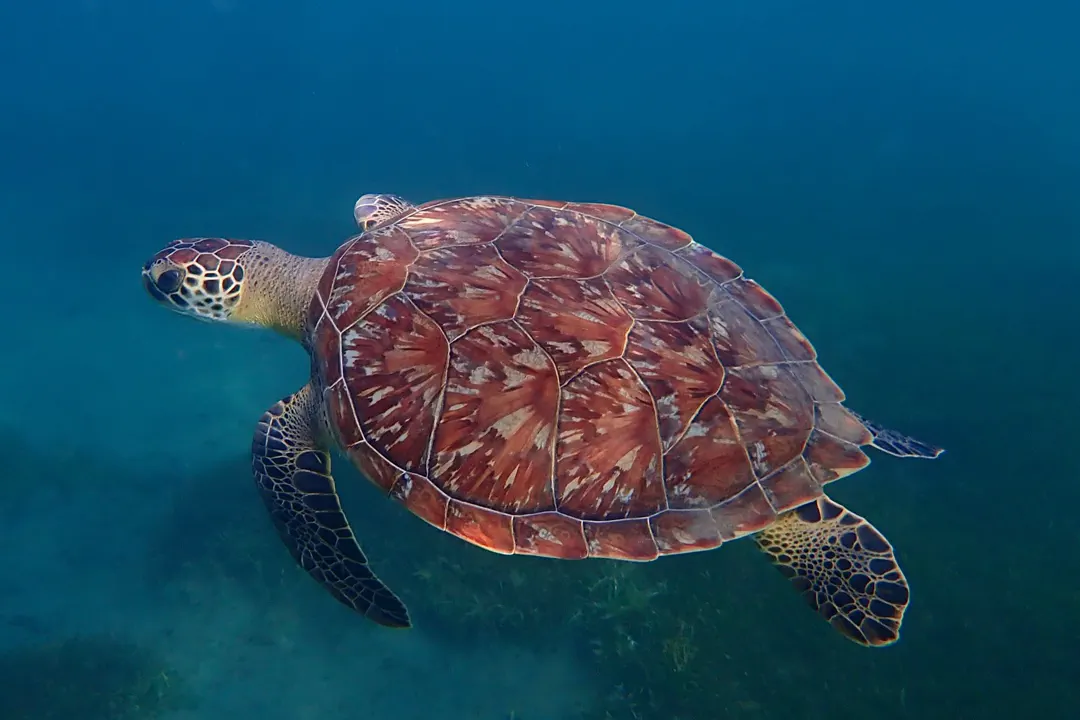
In the shallows, bright pink squarespot anthias cloud the water above coral heads, while green sea turtles shelter under ledges. Along the deeper saddle, eagle rays drift past in small formations, and giant morays peer out from deep crevices in the rock face. Lined surgeonfish form dense feeding schools that sweep across the shallow reef top.
Timing entries to match slack tide or the early stages of a flood tide offers the best conditions for exploring the full circumference of the rock. As water movement accelerates, divers must migrate to the sheltered lee face to complete their safety stop among the shallow coral heads.
Depth: 5-28 m. Access: boat, 90 minutes from Labuan Bajo. Level: Intermediate to Advanced. Best months: April-November.
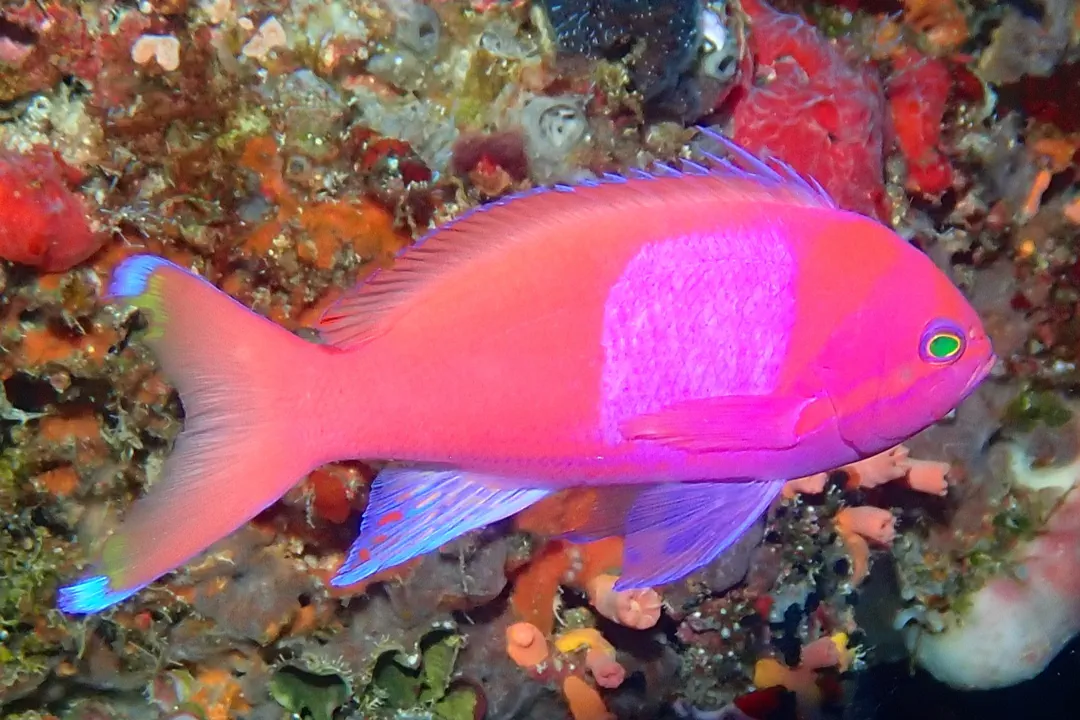 © desertnaturalistCC BY 4.0 · iNaturalist
 © Petr KnotekCC BY 4.0 · iNaturalist
 © cello caruso-turielloCC BY 4.0 · iNaturalist
 © Matteo BellucciCC BY 4.0 · iNaturalist
The Cauldron (North Komodo): high-speed current channel
The Cauldron, known locally as the Shotgun, is a narrow passage between Gili Lawa Laut and Gili Lawa Darat. Water squeezing through this gap accelerates dramatically, cutting a deep bowl-shaped depression into the sea floor before flushing out across a shallow sand bar. The entry starts over peaceful coral gardens before the current catches divers and pulls them into the channel floor.
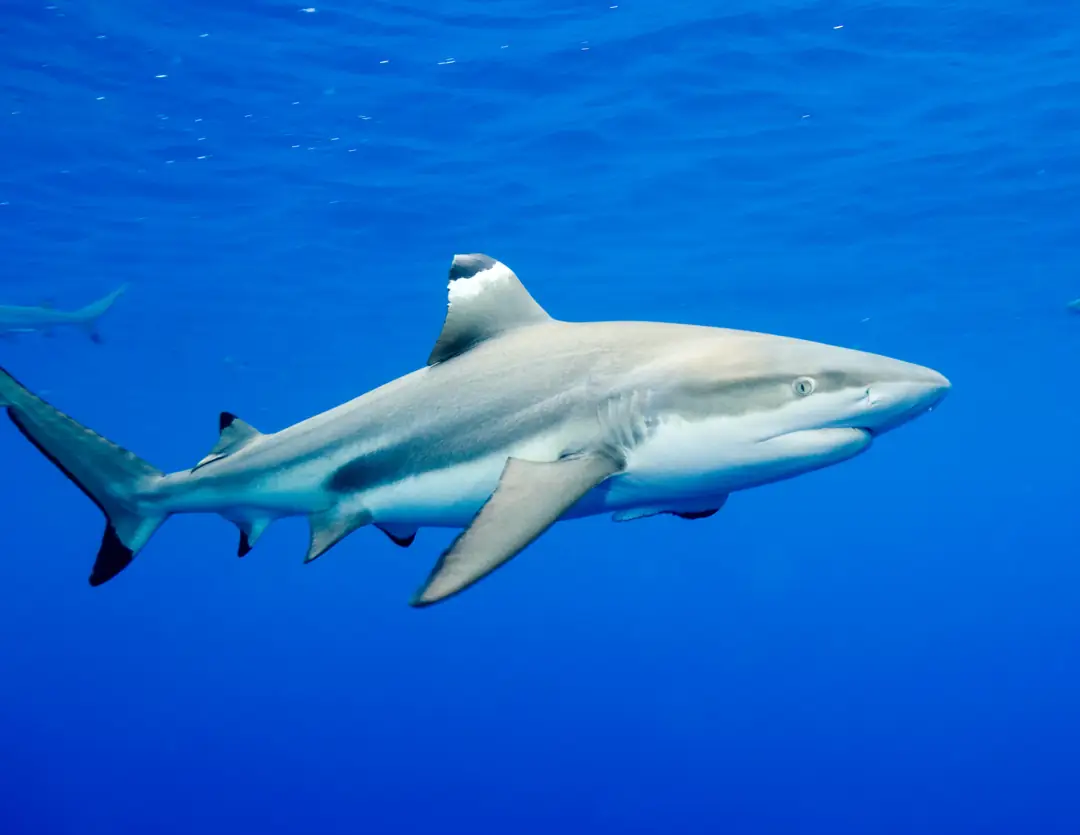
At the bottom of the bowl at twenty-four meters, whitetip reef sharks and blacktip reef sharks lie resting on the sand, undisturbed by the rushing water overhead. As divers rise out of the bowl and enter the narrowest section of the channel, the water velocity pushes them forward at high speed over a bed of hard corals. Giant trevally and occasional eagle rays ride the current alongside the group.
This site requires strict discipline and proper timing; diving here at peak tidal flow can result in extreme turbulence and rapid vertical displacement. Divers must keep their bodies horizontal, maintain control over their buoyancy, and follow their guide's exact trajectory through the passage into the wide shallow lagoon beyond.
Depth: 10-25 m. Access: boat, 85 minutes from Labuan Bajo. Level: Advanced. Best months: May-October.
 © seabook.appAll rights reserved
Siaba Besar (Central Komodo): calm turtle garden and muck diving
Siaba Besar is a protected, shallow bay on the western side of Siaba Island, sheltered from the powerful ocean currents that sweep through the nearby straits. The inner bay features a large bed of green seagrass that transitions gradually into a sloping hard coral reef. The gentle conditions make this an ideal site for check dives, night dives, and relaxed underwater photography.
Green sea turtles and hawksbill turtles reside in high numbers throughout the bay, grazing quietly on the seagrass or resting under table corals at ten meters depth. Photographers searching the sandy patches and coral rubble along the reef edge can find blue-ringed octopus, reef octopus, and Bargibant's pygmy seahorses clinging to sea fan branches.
Because current is minimal inside the bay, divers can move slowly and work on buoyancy skills without fighting water movement. Fin kicks should stay elevated above the seabed to avoid stirring up fine silt over the seagrass meadows and delicate hard corals.
Depth: 3-18 m. Access: boat, 40 minutes from Labuan Bajo. Level: Beginner. Best months: Year-round.
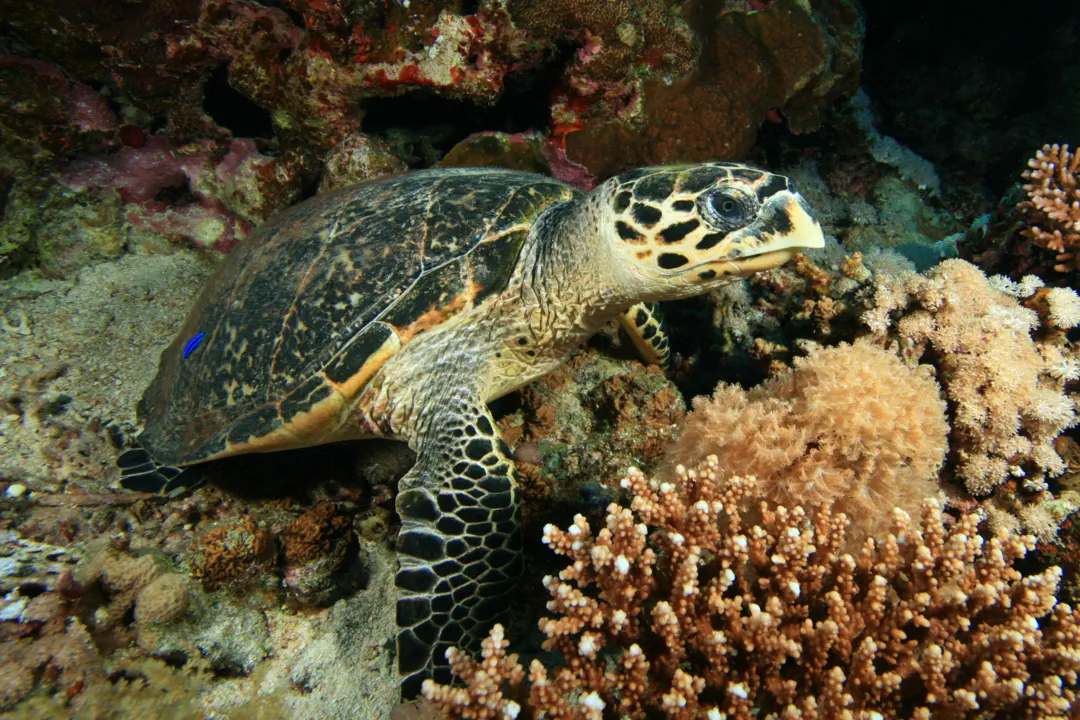 © seabook.appAll rights reserved
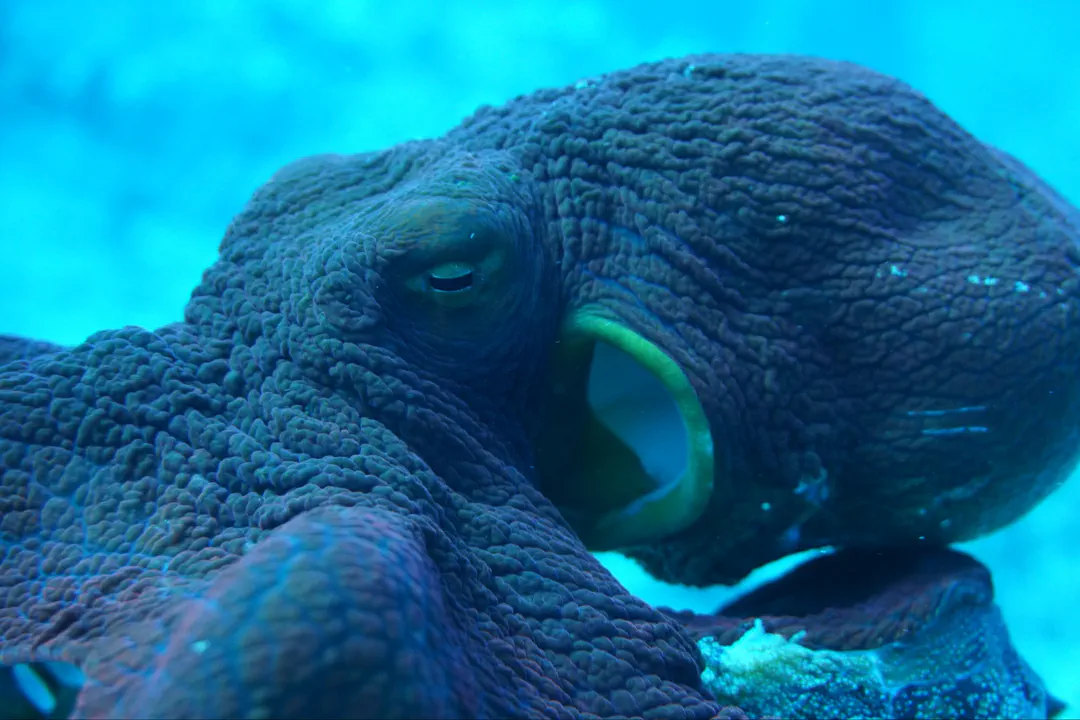 © cello caruso-turielloCC BY 4.0 · iNaturalist
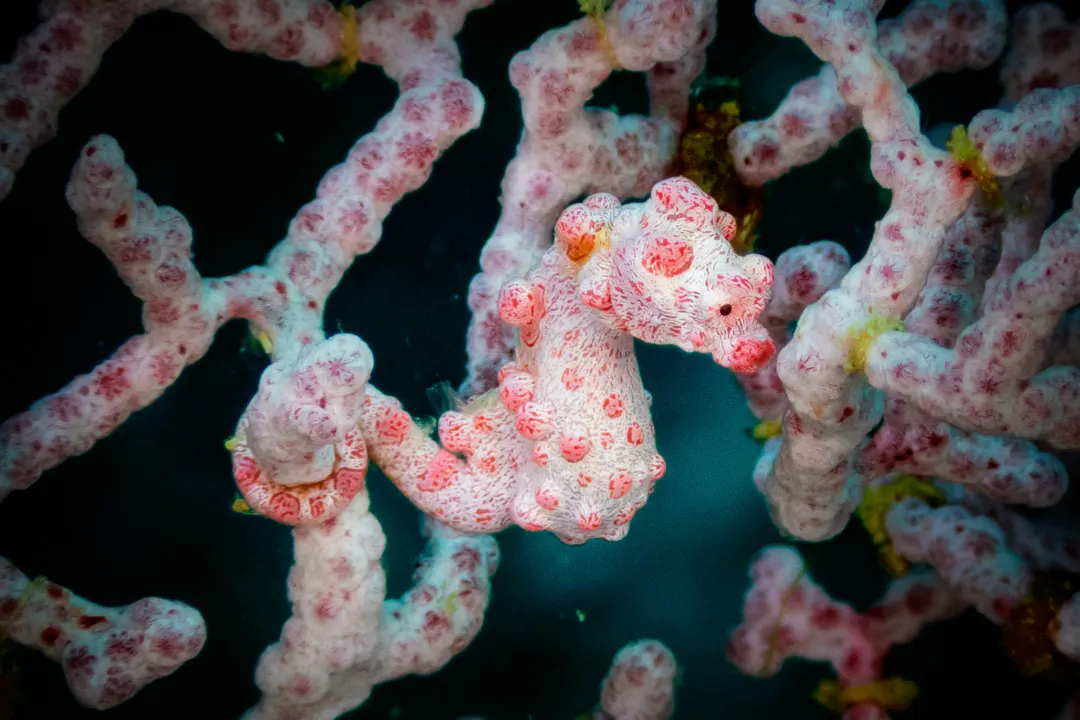 © Pierre PericardCC BY 4.0 · iNaturalist
Cannibal Rock (South Komodo): cold-water invertebrate biodiversity
Cannibal Rock is a shallow seamount located in the southern bay of Rinca Island, surrounded by cool, nutrient-rich water. The top of the mound rises to within three meters of the surface before sloping down to thirty meters into dark, sandy depths. Due to persistent coastal upwellings, the site hosts extraordinary concentrations of filter-feeding invertebrates.
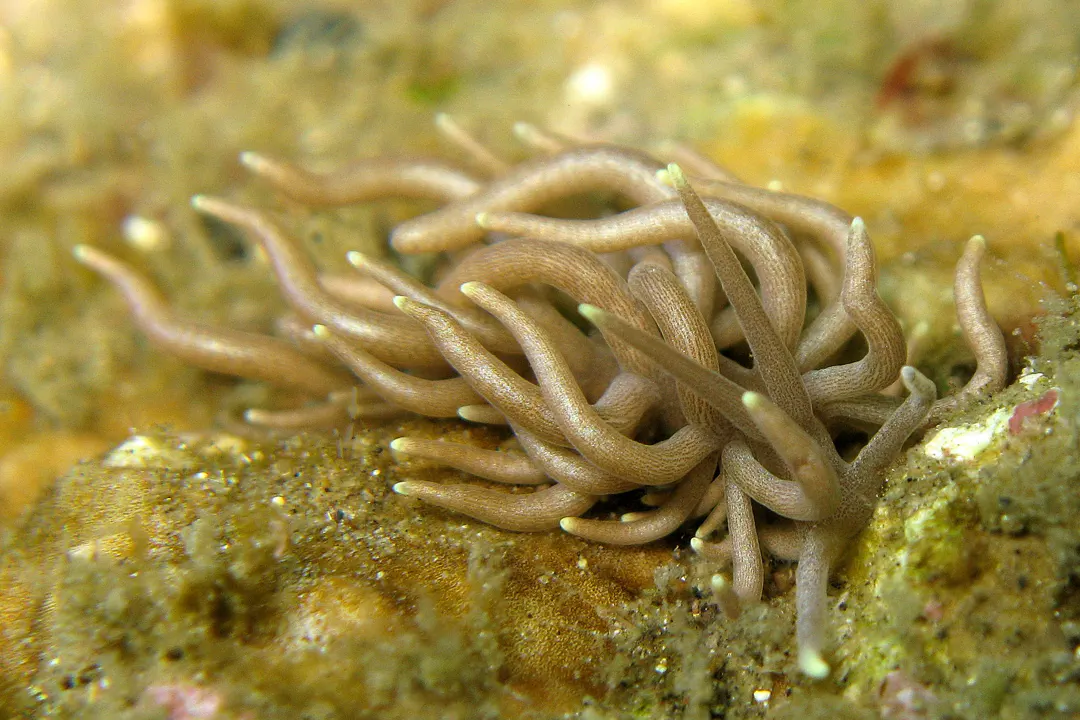
Bright yellow sea apples, purple soft corals, and dense aggregations of feather stars cover nearly every square inch of the rock face. Macro observers routinely locate Denise's pygmy seahorses on sea fans, blue-ringed octopus tucked inside dead shells, and specialized nudibranchs like Phyllodesmium briareum crawling over soft coral branches. Wedge-tail triggerfish swim in pairs above the reef crest.
Water temperatures here regularly drop to 20°C, and visibility can be reduced by dense plankton blooms. Divers should wear thick exposure suits and carry a underwater light to highlight the vivid reds, oranges, and purples that populate this unique cold-water reef community.
Depth: 3-30 m. Access: boat, 2.5 hours from Labuan Bajo (or via liveaboard). Level: Intermediate. Best months: October-April.
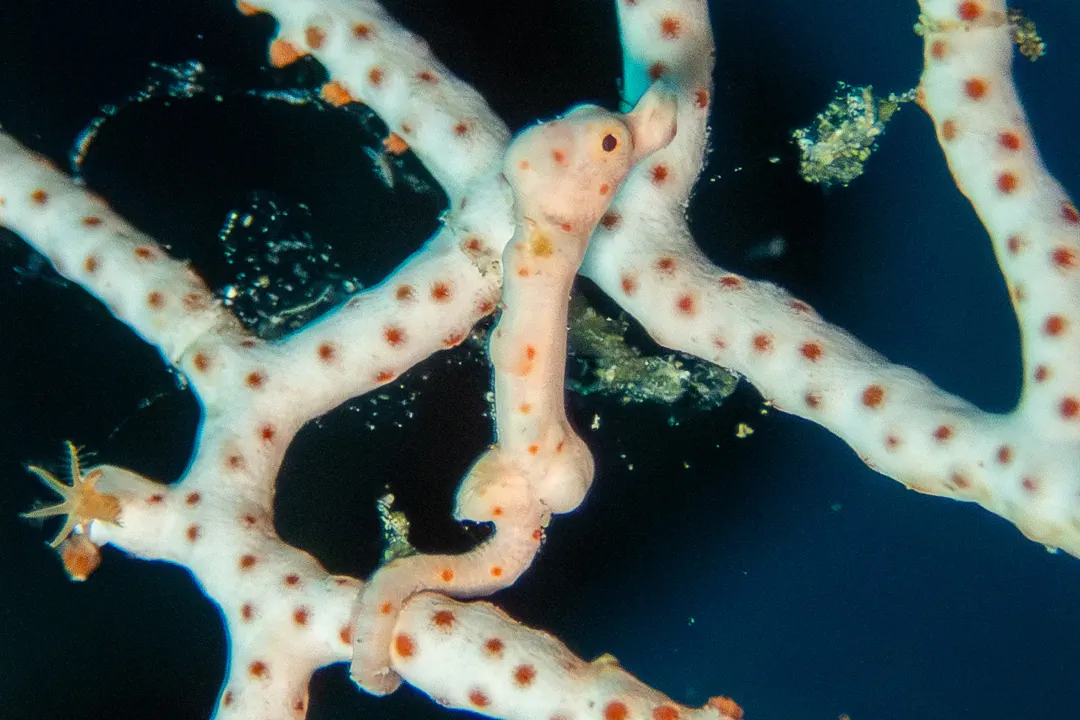 © Piotr LukasikCC BY 4.0 · iNaturalist
 © Steve ChildsCC BY 4.0 · iNaturalist
Marine Life in Komodo
The marine life of Komodo National Park ranges from microscopic macro critters to migrating marine mammals. The park's geographic position between two ocean basins generates upwelling currents that carry essential nitrates and phosphates into shallow waters. This constant food supply supports massive populations of small reef fish, which in turn attract large apex predators.
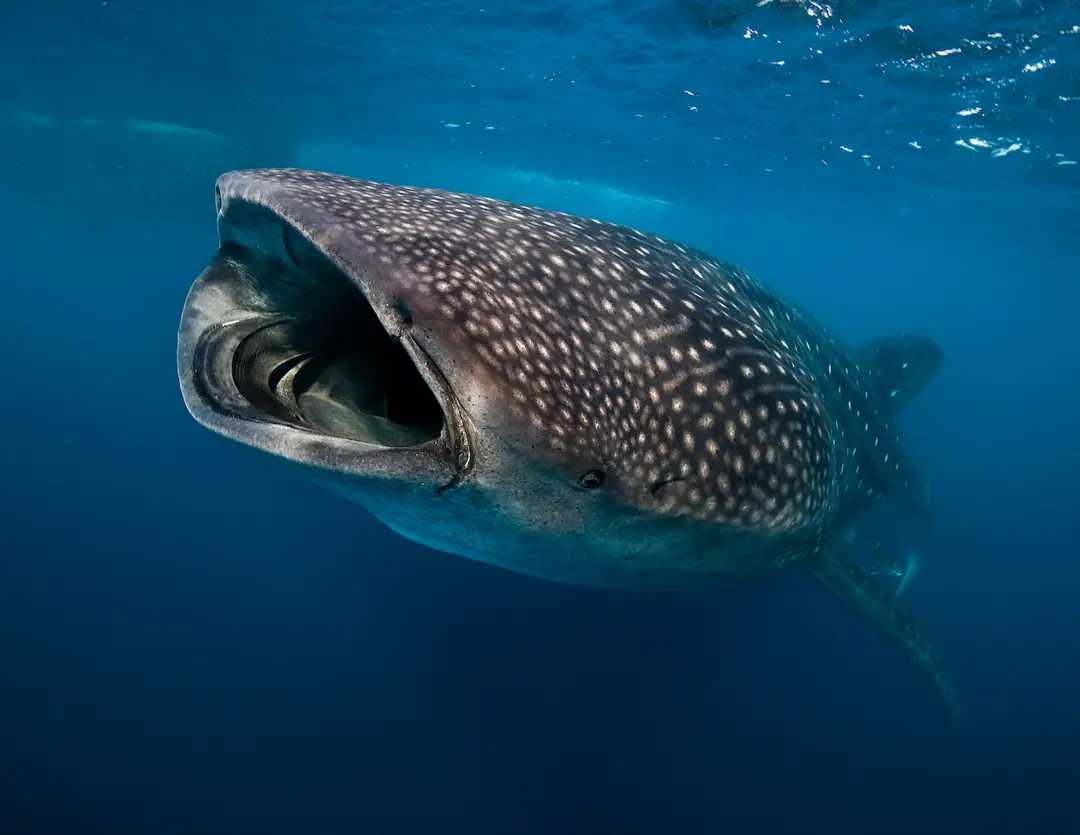
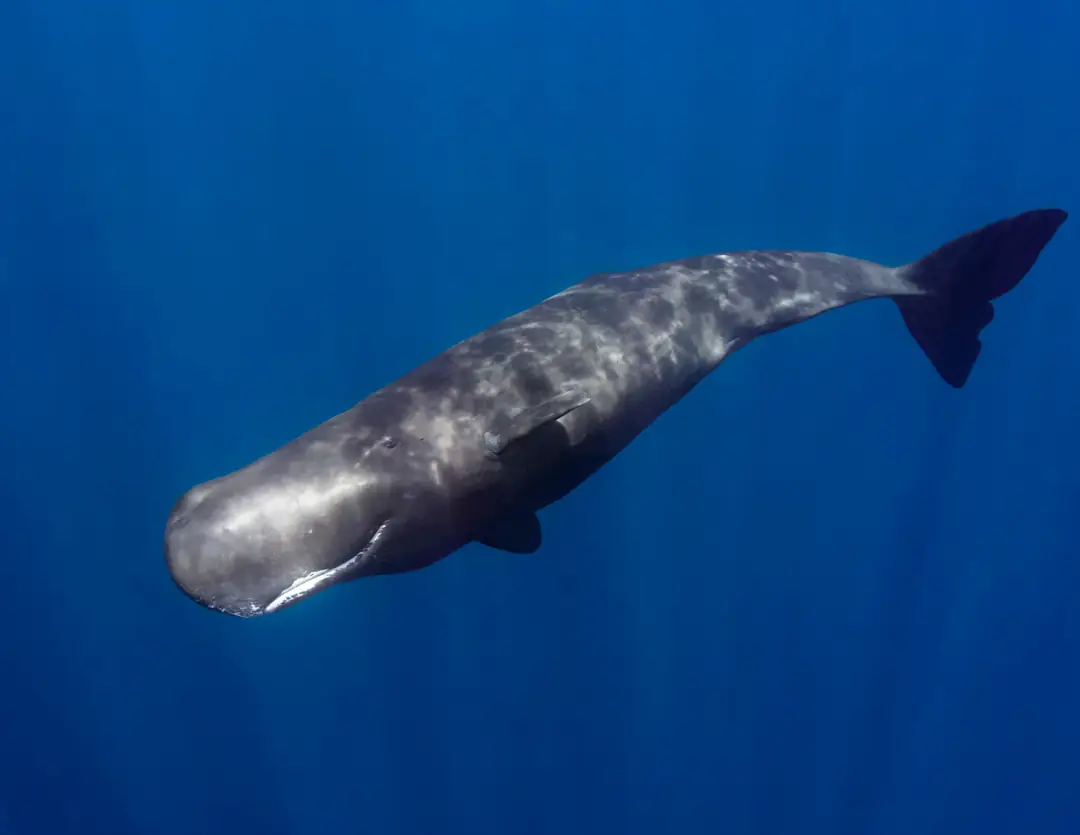
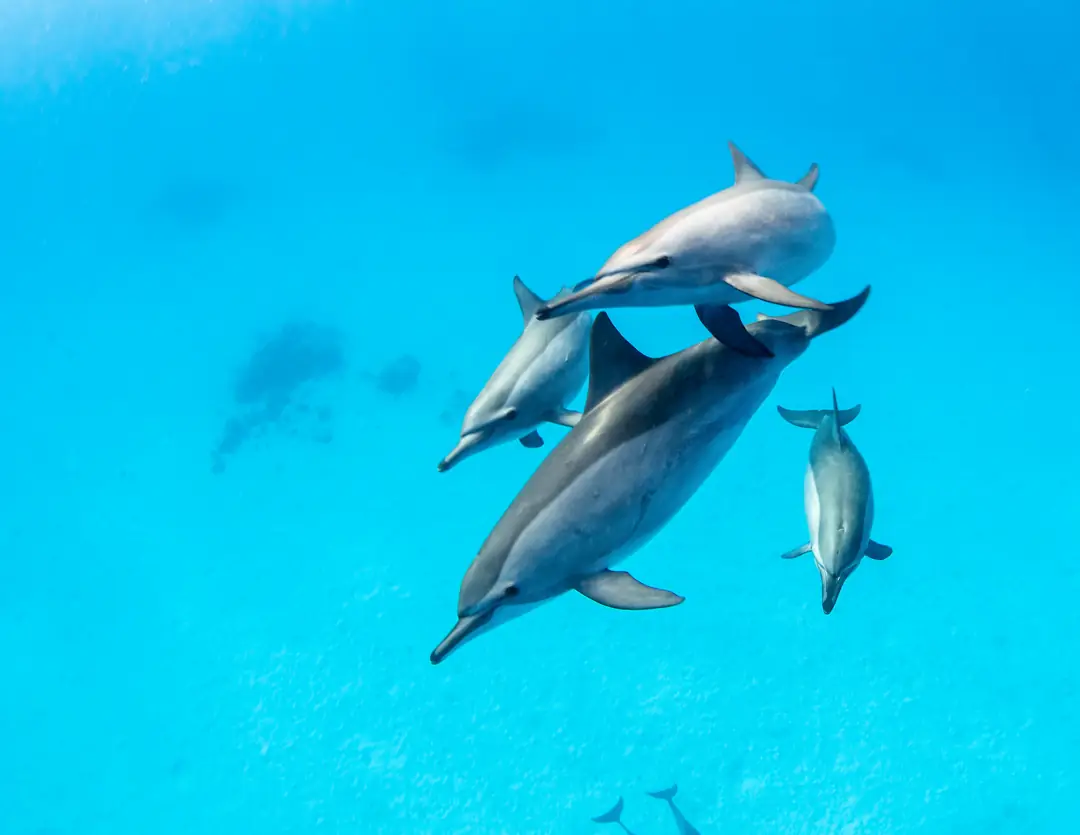
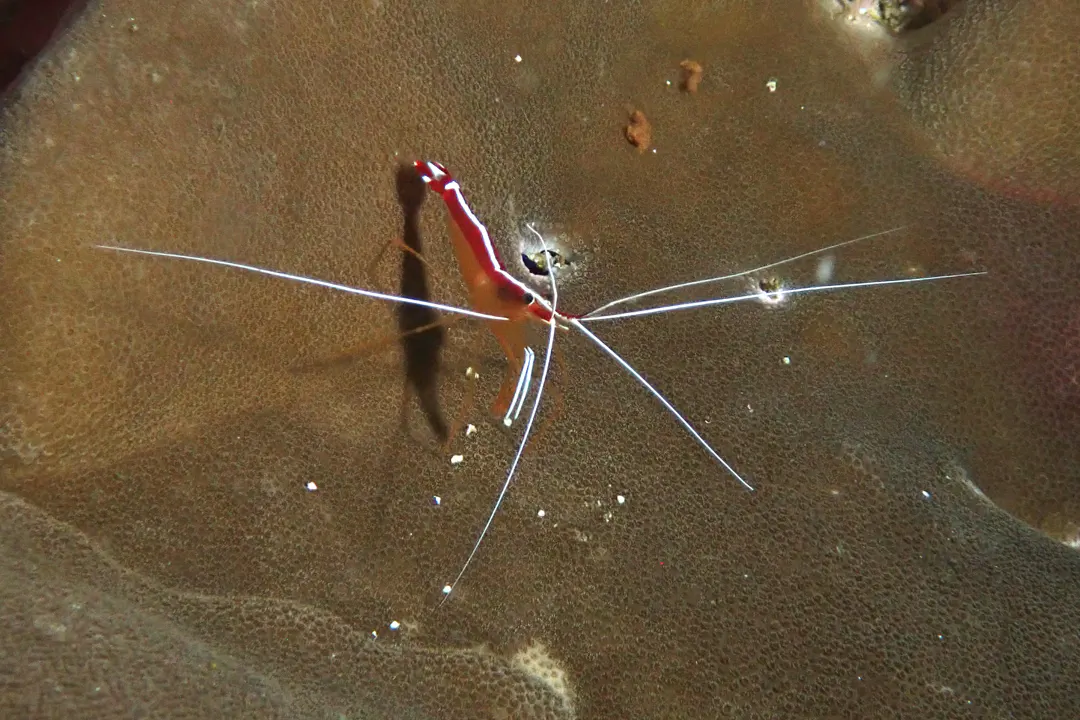
On the outer reef drop-offs, divers may spot passing whale sharks or oceanic cetaceans like spinner dolphins and sperm whales traveling through deep straits. Down on the substrate, cleaner shrimp maintain busy stations on coral heads, while pistol shrimp share sandy burrows with watchman gobies. Using the Seabook app during surface intervals allows divers to identify local fish species and log their exact dive locations accurately.
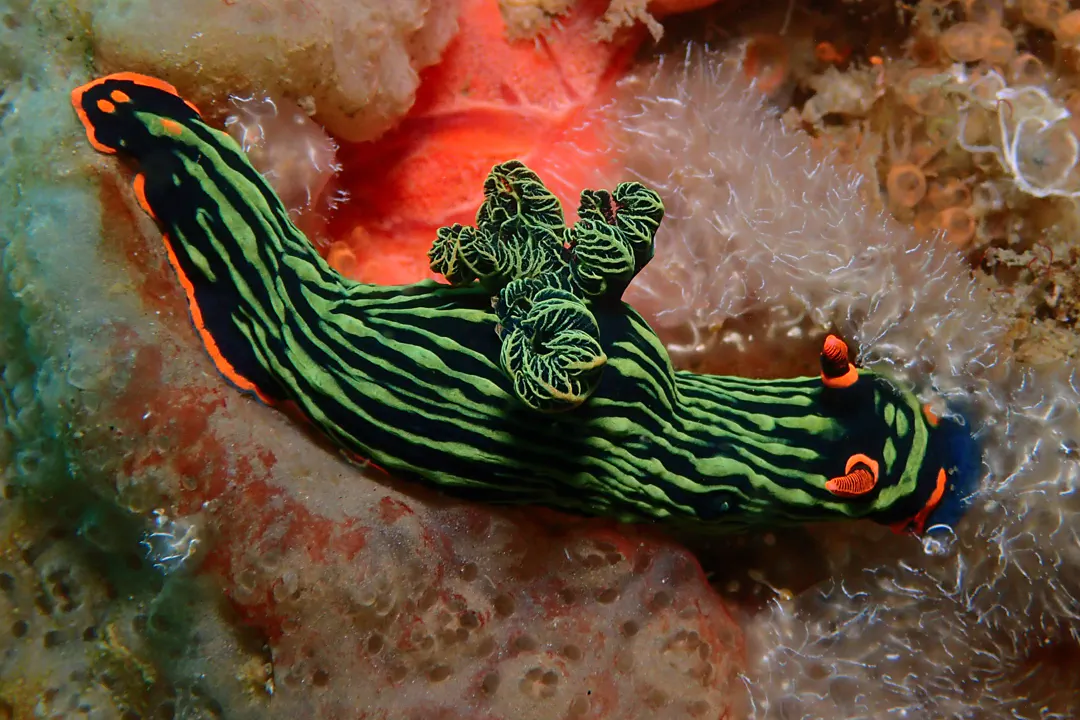
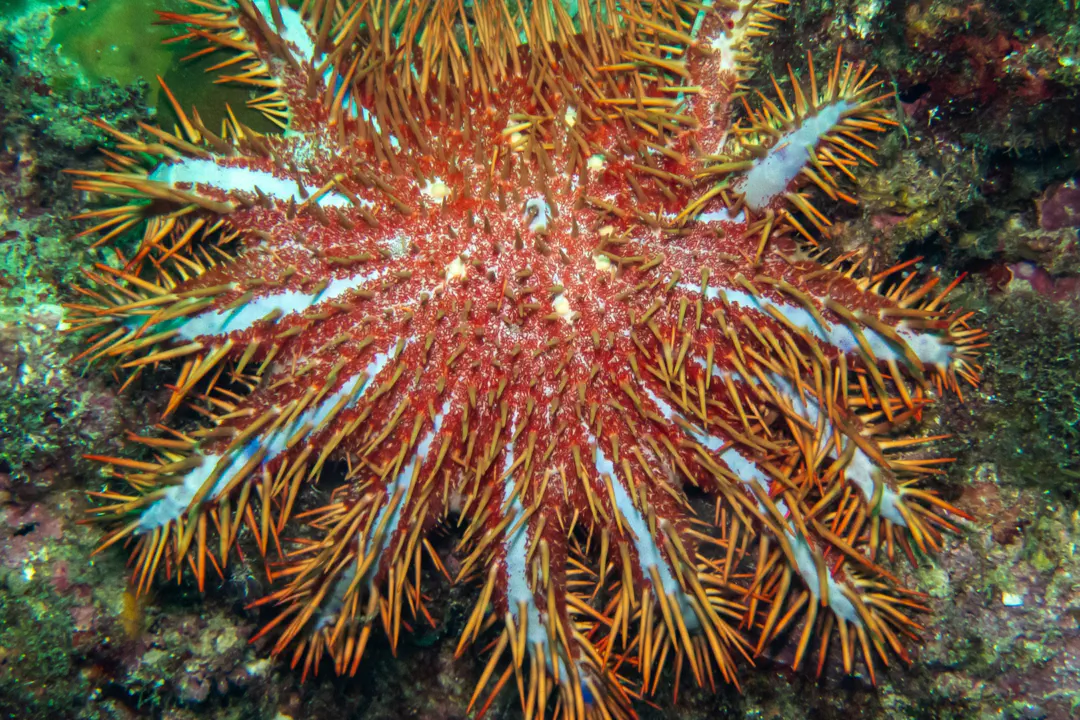
Reef-dwelling species are present in huge numbers on every dive. Yellow boxfish, titan triggerfish, and snowflake morays inhabit shallow reef crevices, while colorful nudibranchs like Nembrotha kubaryana feed on sea squirts along vertical rock walls. Crown-of-thorns starfish graze on hard corals, balanced by natural reef predators that keep populations in check.
 © seabook.appAll rights reserved
 © seabook.appAll rights reserved
 © seabook.appAll rights reserved
 © Dan SchofieldCC BY 4.0
 © Roger RittmasterCC BY 4.0
 © portioidCC BY 4.0 · iNaturalist
Is Komodo Good for Beginners and Snorkellers?
While Komodo has a reputation for intense drift diving, beginners can dive safely by choosing appropriate sites and working with experienced operators. Sheltered spots like Siaba Besar, Sebayur Kecil, and Wainilu offer calm water, zero current, and shallow depths suitable for entry-level training and easy pleasure dives. Novice divers should explicitly request protected itineraries from their dive center.
For open pinnacles like Castle Rock or Batu Bolong, beginners should gain additional drift experience and complete advanced training first. Powerful down-currents and laundry-machine turbulence can occur without warning at exposed sites, requiring fast buoyancy adjustments and confident regulator handling under stress.
Snorkellers can enjoy exceptional conditions in sheltered bays where hard coral reefs rise to within one meter of the surface. Sites like Siaba Besar allow snorkellers to float above green sea turtles and shallow coral gardens in calm water. Snorkellers should always stay close to a guide and tender boat, as currents can pick up quickly outside protected coves.
Getting There and Practical Tips
Access to Komodo National Park begins at Komodo Airport in Labuan Bajo, located on the western tip of Flores Island. Daily direct flights connect Labuan Bajo with major domestic hubs including Bali and Jakarta. From the airport, a ten-minute taxi ride delivers travelers to Labuan Bajo harbor, where dive operators and liveaboards dock.
Visitors choose between day trips aboard fast speedboats or multi-day liveaboard cruises. Speedboats reach central dive sites in 40 to 60 minutes, returning to town each afternoon. Liveaboards provide the advantage of reaching remote northern pinnacles and southern bays early in the morning before day-boat traffic arrives, allowing divers to complete three to four dives daily across different sectors.
National park fees and marine conservation passes are charged per day and must be paid in cash in local currency before departure. Divers should carry personal safety equipment including a bright surface marker buoy, a loud whistle, and a reel. Reef hooks are useful on current-swept ledges, provided they are attached strictly to dead rock substrate.
Questions
Are there sharks in Komodo?
Yes. Komodo's reefs and current lines support grey reef sharks (Carcharhinus amblyrhynchos), whitetip reef sharks (Triaenodon obesus), and blacktip reef sharks (Carcharhinus melanopterus). Sighting opportunities are highest at exposed northern pinnacles like Castle Rock and Crystal Rock during active tidal flows.
Is it dangerous to swim in Komodo?
Swimming in designated resort bays and sheltered beaches is safe, but open-water swimming or snorkelling without a local guide is hazardous. Ocean currents around islands and channels move at up to eight knots and can quickly carry swimmers far offshore.
Can beginners dive in Komodo?
Beginners can dive in Komodo if they stay at sheltered sites like Siaba Besar and Sebayur Kecil. However, an Advanced Open Water certification and comfort with drift diving are recommended to access the park's signature offshore pinnacles safely.
When is the best month to dive in Komodo?
The prime months for diving in Komodo run from April to November during the dry season. This period brings clear skies, calm seas, and visibility up to 35 meters in the northern and central sectors.
Is a liveaboard required for Komodo diving?
A liveaboard is not mandatory because daily speedboats depart from Labuan Bajo to central sites. However, a multi-day liveaboard trip is the best way to visit remote sites in North and South Komodo before day boats arrive.
How warm is the water in Komodo?
Northern and central sites range from 27°C to 29°C year-round, requiring a 3 mm wetsuit. Southern sites drop between 20°C and 25°C due to deep Indian Ocean upwellings, making a 5 mm wetsuit recommended.

