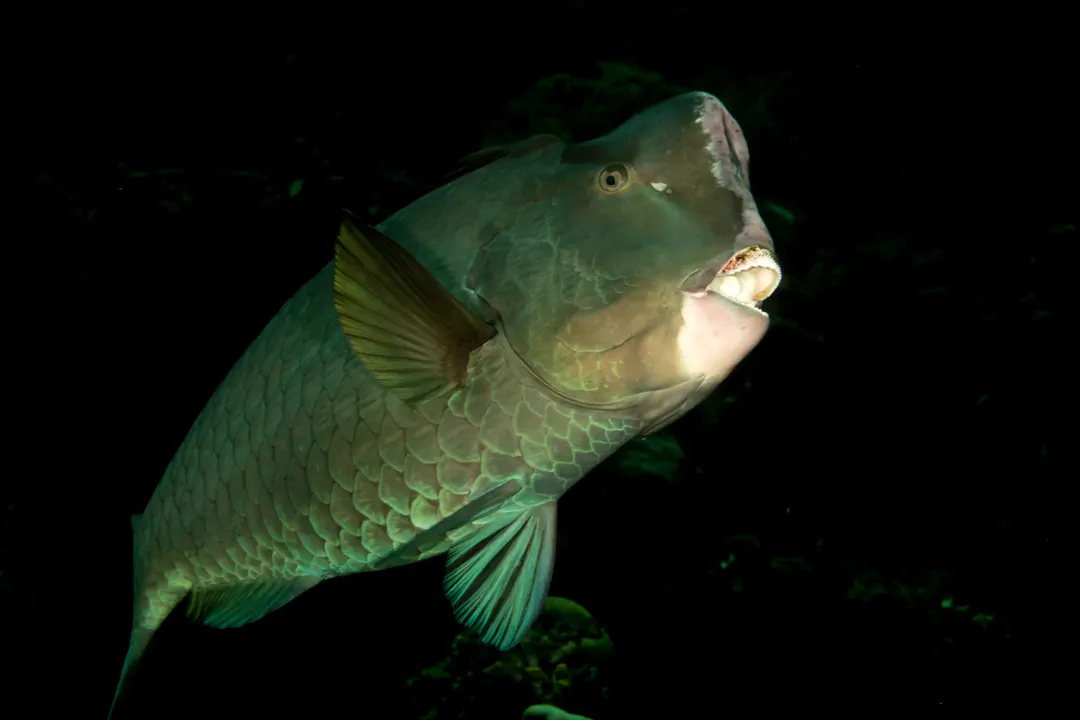
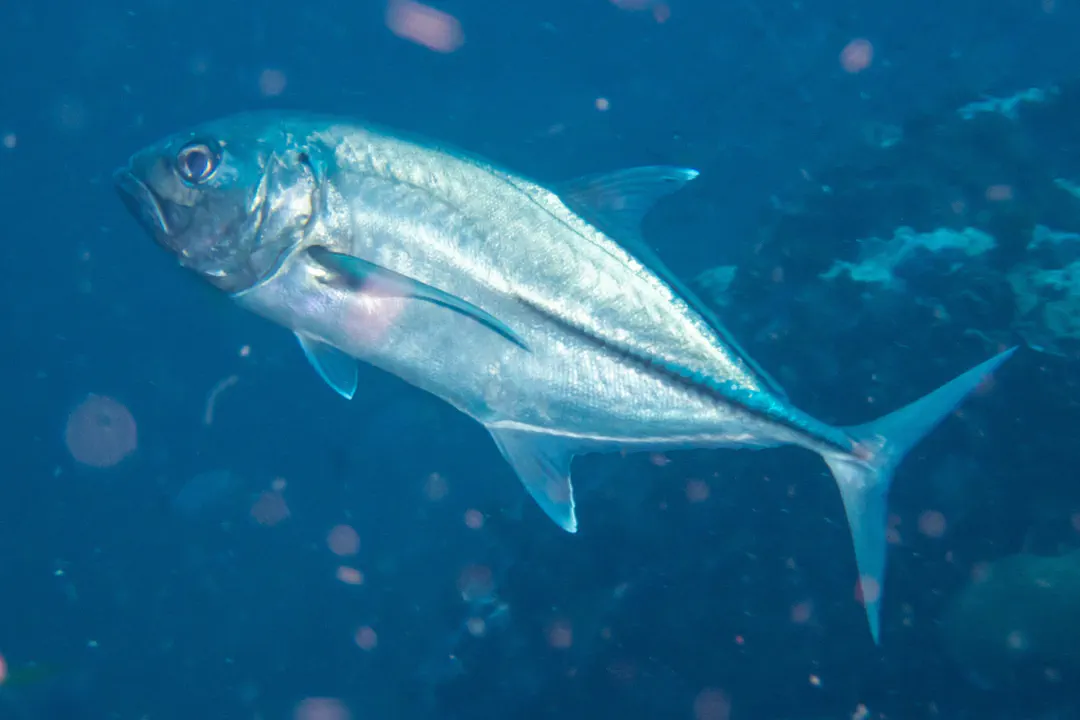
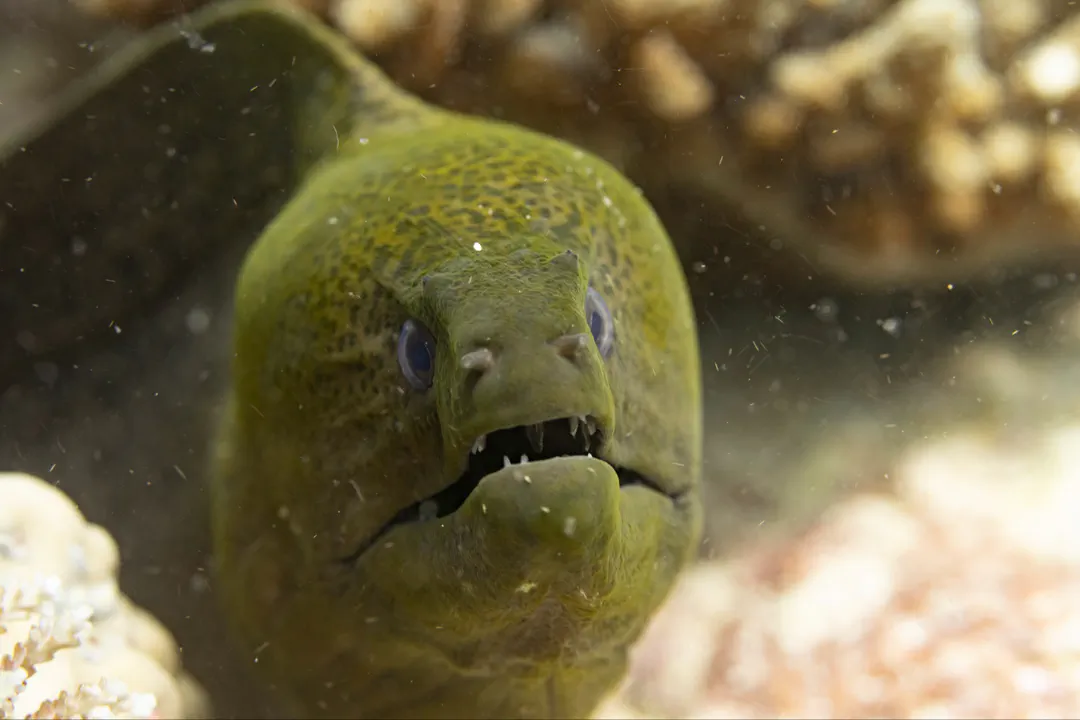
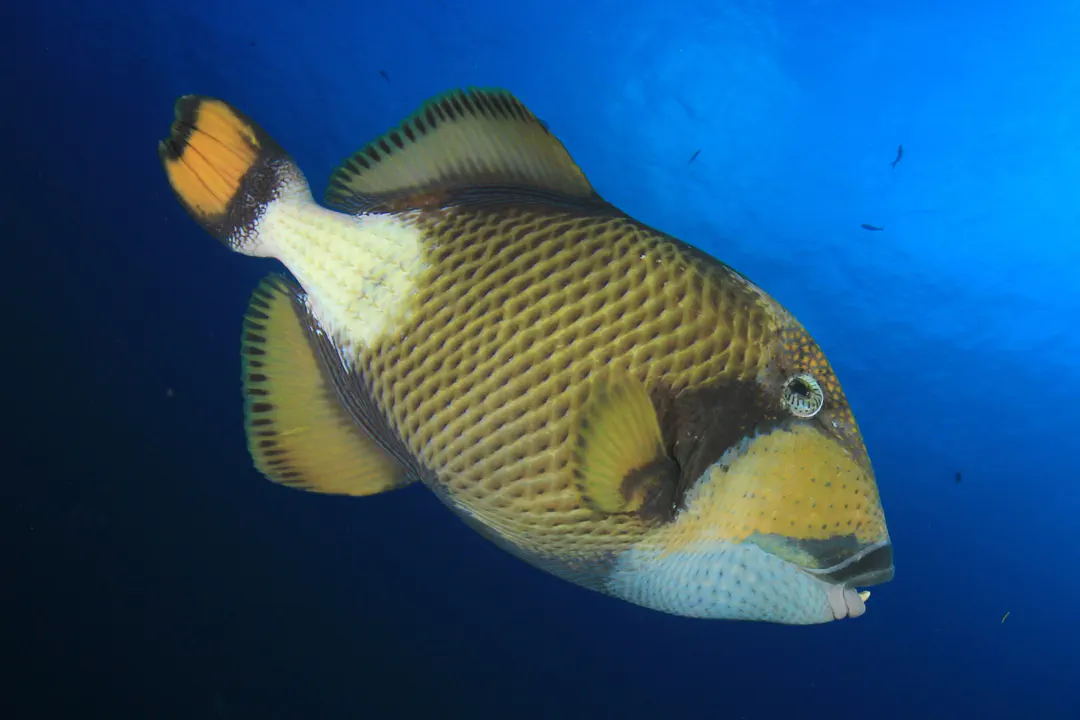
At twelve meters below the surface of Tulamben Bay, morning sunlight shafts through the water to illuminate the iron skeleton of the USAT Liberty. A herd of twenty bumphead parrotfish, each over a meter long, scrapes against the algae-coated hull with beak-like teeth that sound like crunching gravel in the stillness. A gentle coastal current pulls across the black sand, where a giant moray eel sways from an open porthole while schools of bigeye trevally form a silver cylinder above the bow.
Planning a trip for scuba diving in Bali reveals an island situated at the juncture of the Pacific and Indian Oceans, where nutrient-rich currents feed over 500 species of reef-building corals. The optimal window for visiting spans the dry season from April to October, when calm seas align with underwater visibility between 15 and 30 meters. Water temperatures along the main coastline remain between 27°C and 29°C year-round, though deep southern upwellings around Nusa Penida drag temperatures down to 20°C from July through October.
Key dive areas across the island range from the sheltered black sand bays of Tulamben and Amed to the deep drop-offs of Nusa Penida and the protected reef walls of Menjangan Island. Divers routinely encounter oceanic sunfish, resident reef manta rays, bumphead parrotfish, and mimic octopuses within short transfers of one another. The calm conditions along the northern shore suit beginner divers and snorkellers, while the strong currents around the southern islands present technical challenges for experienced logbooks.
What Is Diving in Bali Like?
The marine environments surrounding Bali owe their character to the Indonesian Throughflow, an oceanic current that drains water from the Pacific into the Indian Ocean. This constant flow pushes trillions of liters of water through the Lombok Strait every second, transporting larvae, nutrients, and cool, oxygen-rich fluids across northern and eastern reefs. Because Bali sits directly in the path of this marine highway, its underwater landscapes shift dramatically across a distance of fifty kilometers.
Along the northern coast, gentle volcanic slopes drop off into deep channels filled with dark volcanic sand, creating habitats where camouflage specialists thrive. In contrast, the southern islands of Nusa Penida and Nusa Lembongan rise directly out of deep oceanic trenches where cold upwellings ascend from hundreds of meters below. These contrasting oceanographic features create two distinct dive environments on a single island, combining quiet macro hunting grounds with pelagic encounter corridors.
Fringing reefs, vertical limestone walls, underwater sea mounts, and artificial structures lie scattered within minutes of the shoreline. Fringing reefs around the northwest national park host ancient sea fans and soft corals that shelter juvenile fish from open-water predators. Meanwhile, black volcanic slopes in the east provide stable substrate for sponges, tunicates, and hydroids that support complex food webs.
Best Time to Dive in Bali
Bali experiences two distinct meteorological seasons that dictate underwater conditions across its coastal sectors. The dry season runs from April to October, brought by southeast trade winds that suppress rain and maintain clear skies across the island. During these months, surface waters remain calm along the northern and eastern coasts, pushing horizontal visibility to 30 meters at offshore sites.
The monsoon season arrives in November and extends through March, bringing afternoon downpours and westerly winds. Rain runoff from coastal rivers reduces visibility in shallow bays near Amed and Sanur to around 10 meters. However, the northwest coast near Menjangan Island remains sheltered from heavy swells throughout the winter, offering reliable diving conditions even when southern sites experience rough surface seas.
Specific marine encounters follow strict seasonal calendars driven by temperature changes and oceanic currents. The cold upwellings that bring oceanic sunfish into recreational depths around Nusa Penida peak between July and October. Conversely, reef manta rays remain present at feeding stations year-round, making Bali a reliable destination for large pelagic sightings regardless of the exact month chosen for travel.
Bali Water Temperature by Month
Water temperature
Bali, Indonesia, monthly average
Reference used: Bali, Indonesia (best represented by the south coast near Denpasar/Sanur). Values reflect typical sea-surface temperatures for Bali’s shallow tropical waters, roughly 0–30 m dive conditions.
Best Dive Sites in Bali
Bali features several distinct diving zones, each defined by coastal geology, water temperatures, and oceanic currents. From protected national parks in the northwest to high-energy channels in the south, these site profiles break down entry requirements, depths, and resident marine life.
USAT Liberty Wreck (Tulamben): Overgrown WWII Freighter Shore Dive
The USAT Liberty sits parallel to the shore at Tulamben, resting on a steep slope of black volcanic sand just 25 meters from the beach. Torpedoed by a Japanese submarine in 1941, the 120-meter armaments ship was beached until the 1963 eruption of Mount Agung pushed it into the ocean. Today, the wreck begins in 5 meters of water and bottoms out at 30 meters, making it accessible from shore without boat transits.
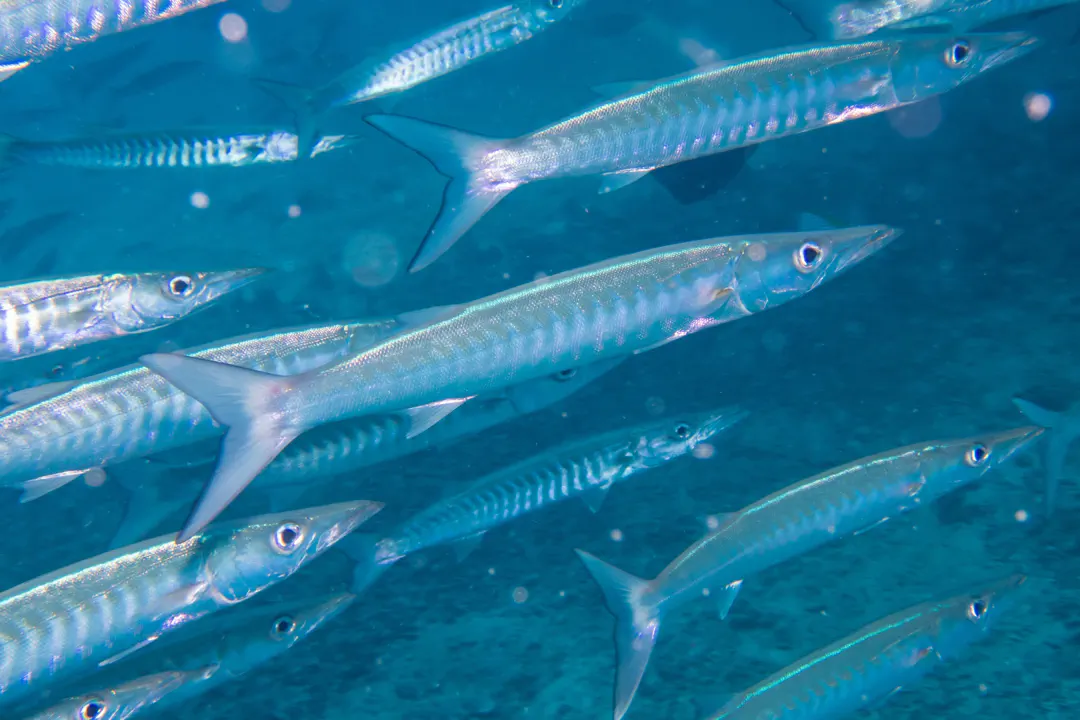
Encrusted in hard corals, sponges, and sea fans, the steel hull serves as an artificial reef home to over 400 species of fish. Early morning divers witness a resident herd of bumphead parrotfish exiting the main cargo holds to feed along the upper superstructure. Schooling blackfin barracuda and bigeye trevally hover above the midship section, while giant moray eels coil inside exposed pipework.
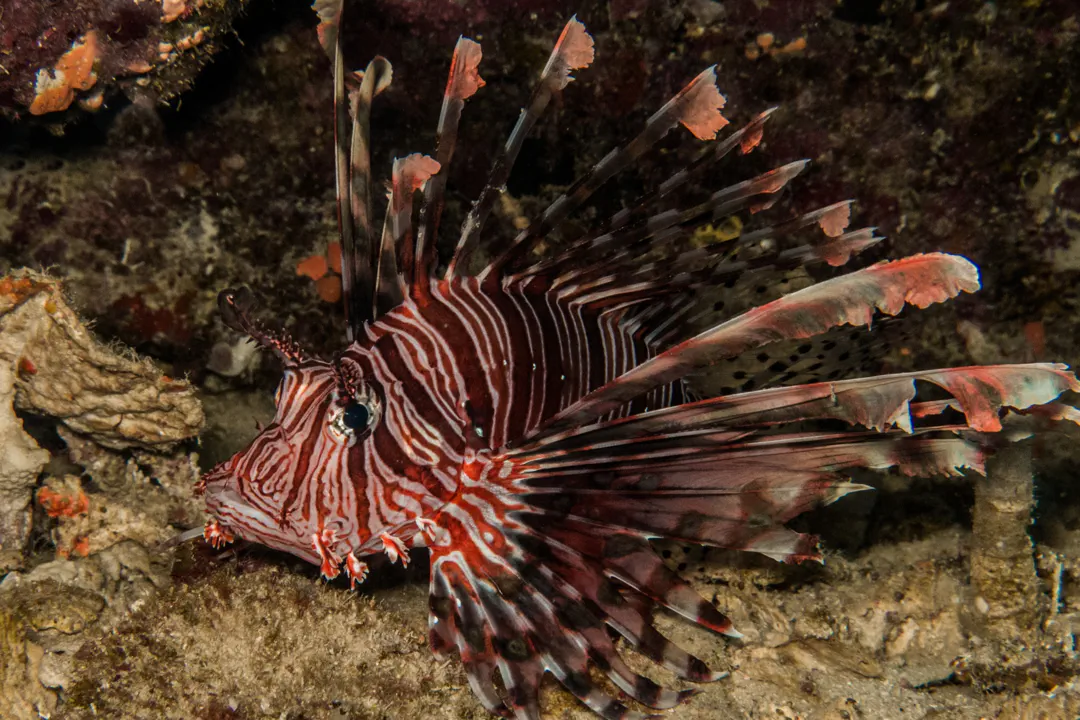
As darkness falls, the wreck transforms into an active hunting ground for nocturnal predators. Lionfish emerge from dark recesses to glide along the deck plates, while red coral crabs and spiny lobsters venture out across covered surfaces. Flashlights reveal sleeping parrotfish encased in protective mucus bubbles inside small steel alcoves.
Depth: 5-30 m. Access: shore entry from Tulamben beach. Level: Open Water. Best months: April-November.
 © Rickard ZerpeCC BY 4.0 · iNaturalist
 © portioidCC BY 4.0 · iNaturalist
 © Ewout KnoesterCC BY-SA 4.0 · iNaturalist
 © portioidCC BY 4.0 · iNaturalist
 © cello caruso-turielloCC BY 4.0 · iNaturalist
 © João D'AndrettaCC BY 4.0 · iNaturalist
Crystal Bay (Nusa Penida): Cold Upwellings and Sunfish Encounters
Located in the deep channel between Nusa Penida and Nusa Ceningan, Crystal Bay features sudden thermoclines and clear waters. Strong currents flow through the narrow passage, sweeping nutrients into a shallow bay bordered by a sandy channel. Water temperatures plunge from 28°C down to 18°C within seconds as deep ocean currents force cold water toward the surface.
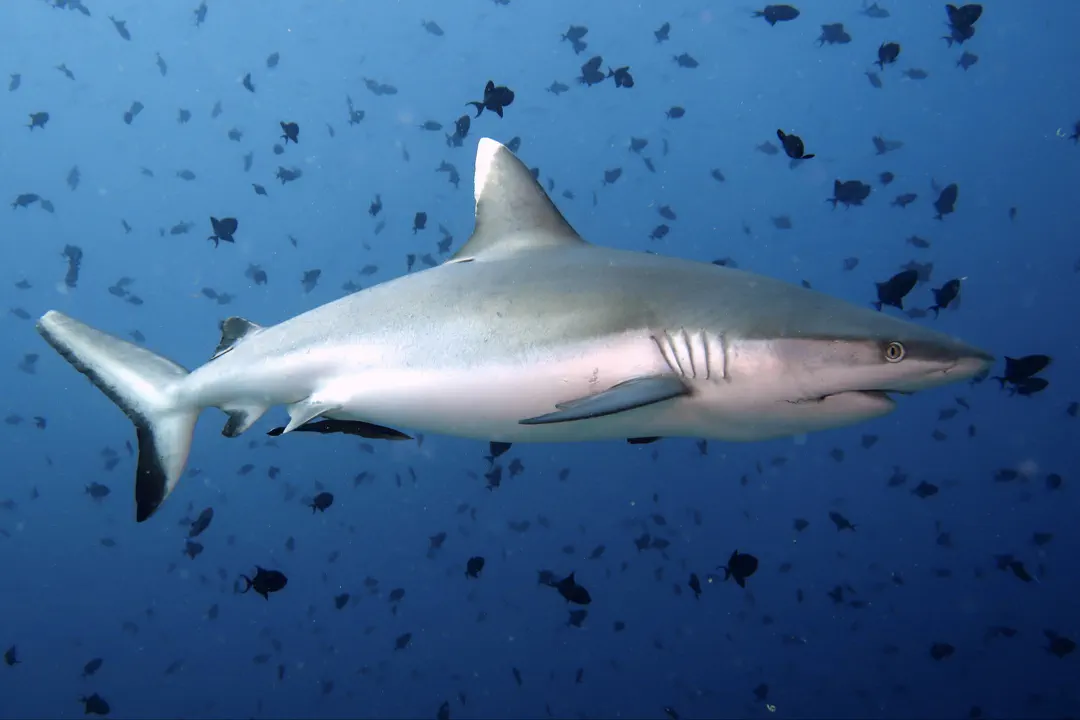
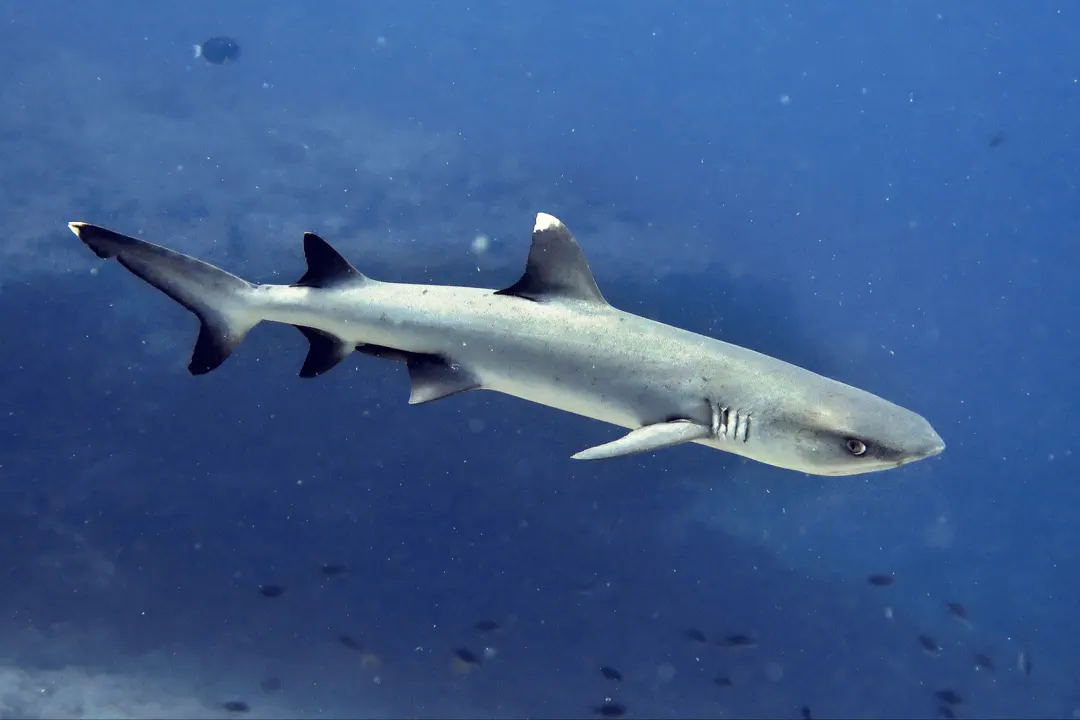
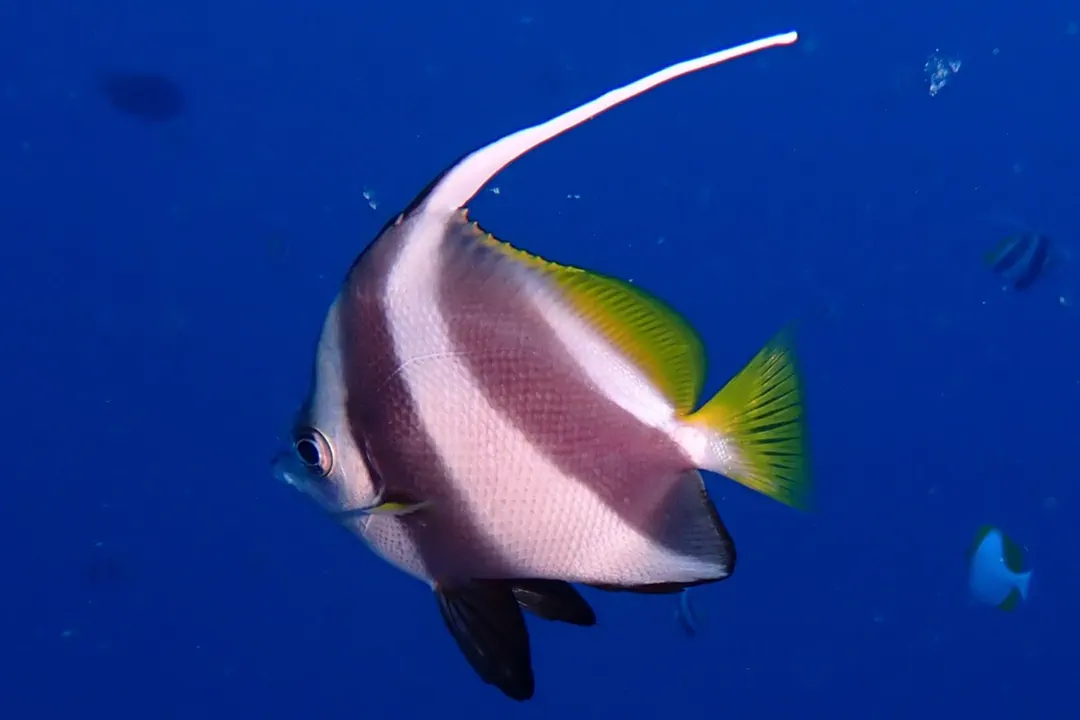
These chilly upwellings attract the bumphead sunfish, or mola alexandrini, from depths exceeding 500 meters into shallow reef zones. Between July and October, sunfish hover near coral heads at 18 to 30 meters to allow bannerfish and butterflyfish to pick parasites from their skin. Grey reef sharks and whitetip reef sharks patrol the outer drop-off where the bay meets the open strait.
Diving here demands careful attention to current direction, as downwelling currents form rapidly along the outer corner of the reef. Divers maintain position near the slope while watching bannerfish clean the sunfish in the blue. When conditions remain stable, horizontal visibility reaches 30 meters, revealing the deep ocean drop-off below.
Depth: 12-40 m. Access: boat, 45 minutes from Sanur. Level: Advanced Open Water. Best months: July-October.
 © Daniel BenákCC BY 4.0 · iNaturalist
 © Daniel BenákCC BY 4.0 · iNaturalist
 © seabook.appAll rights reserved
 © Robin WhiteCC BY 4.0 · iNaturalist
 Andrew DeaconCC0 · iNaturalist
 © seabook.appAll rights reserved
Manta Point (Nusa Penida): Year-Round Cleaning Station for Reef Mantas
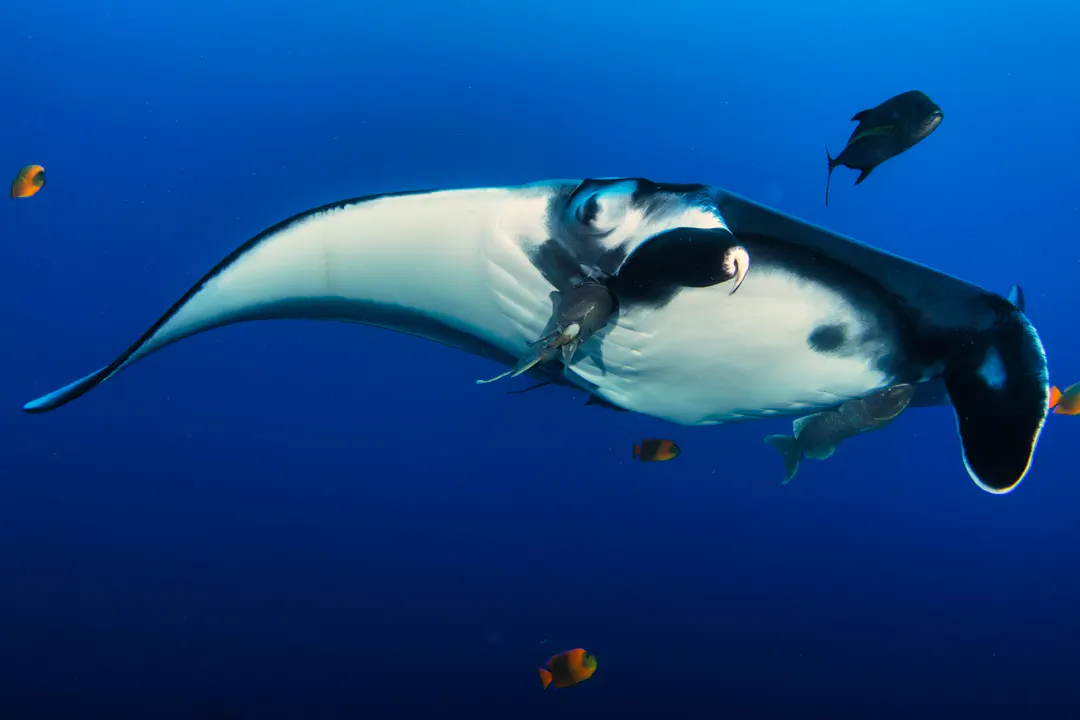
Manta Point lies beneath towering limestone cliffs along the exposed southern coast of Nusa Penida. Ocean swells from the Indian Ocean smash against the rocky shore, creating constant water movement across a shallow boulder field. Despite the heavy surge, reef manta rays gather here in large numbers to visit cleaning stations positioned at depths between 7 and 12 meters.
Resident reef mantas with wingspans reaching four meters hover over large coral bommies while wrasse and damselfish clean dead skin and parasites from their gills. Divers kneel on sandy patches between the rocks, remaining still to avoid disrupting the rays' cleaning routines. On busy days, up to a dozen mantas circle overhead in continuous loops, disappearing into the swell before returning over the reef.
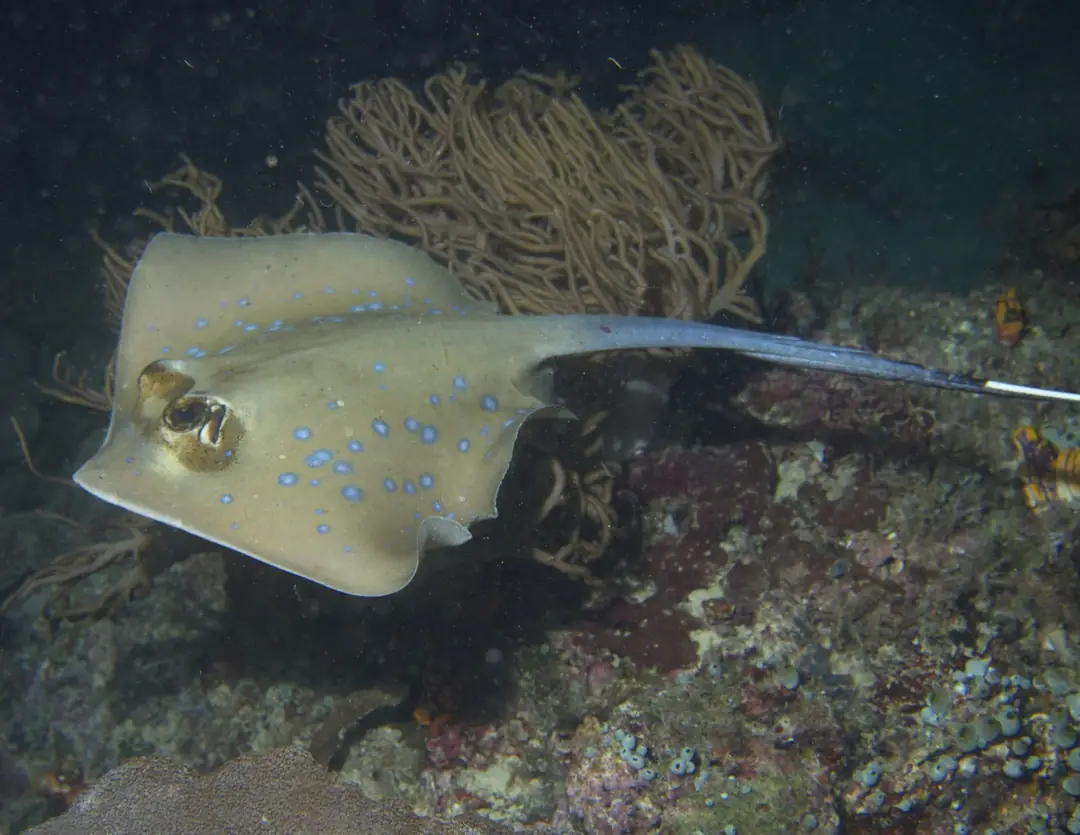
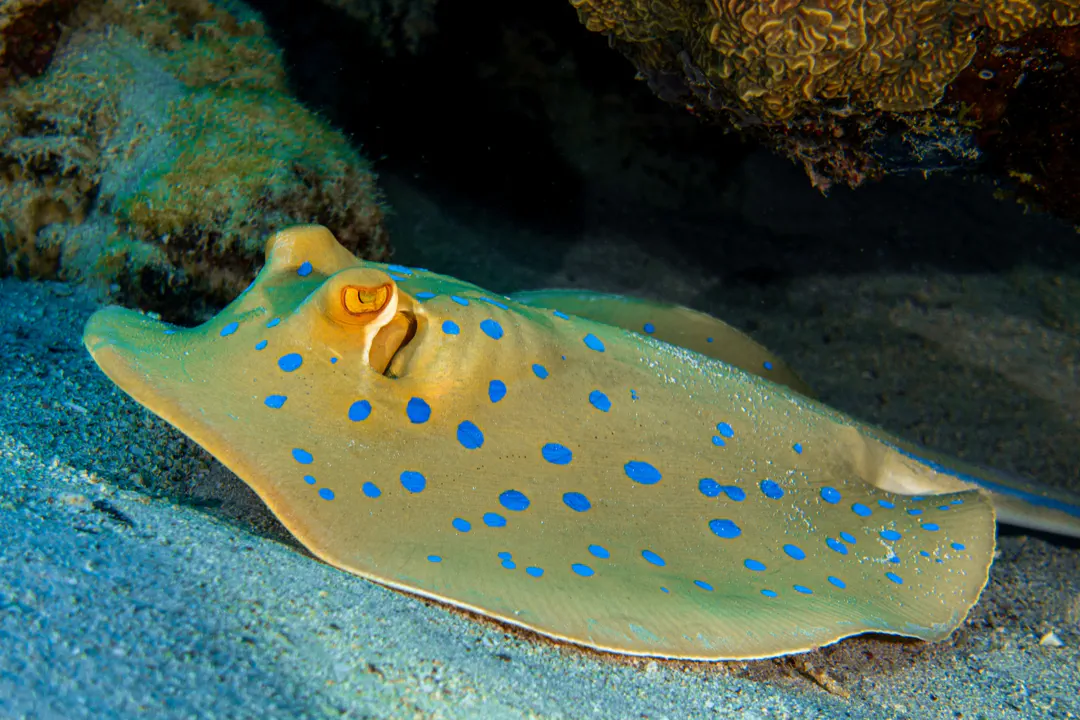
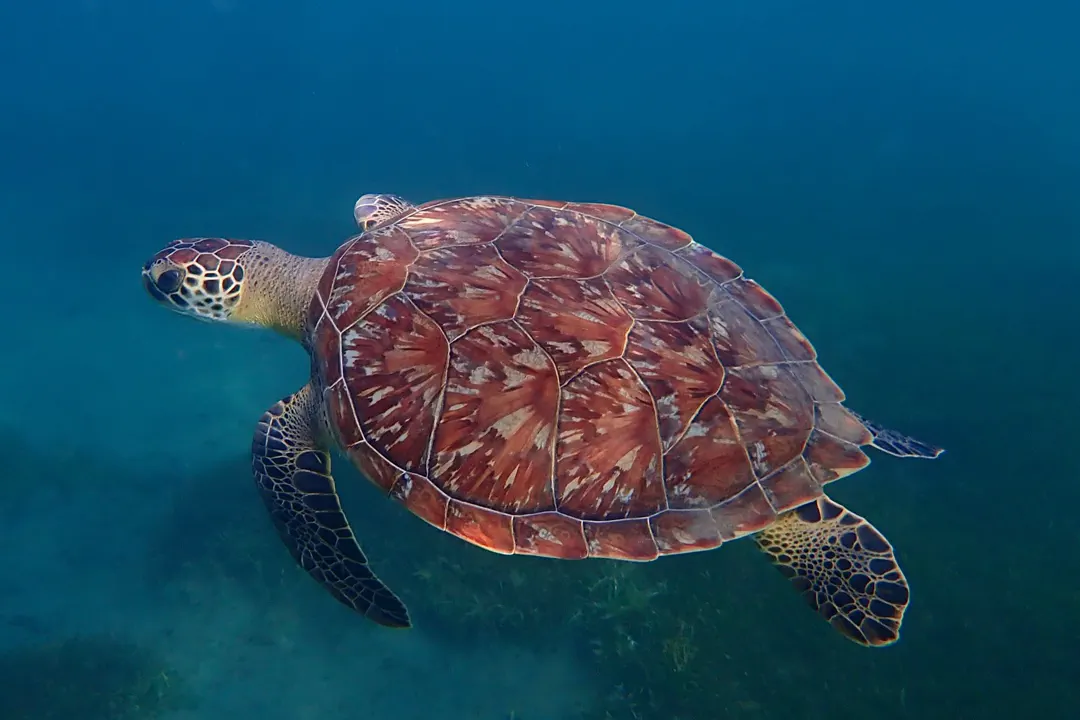
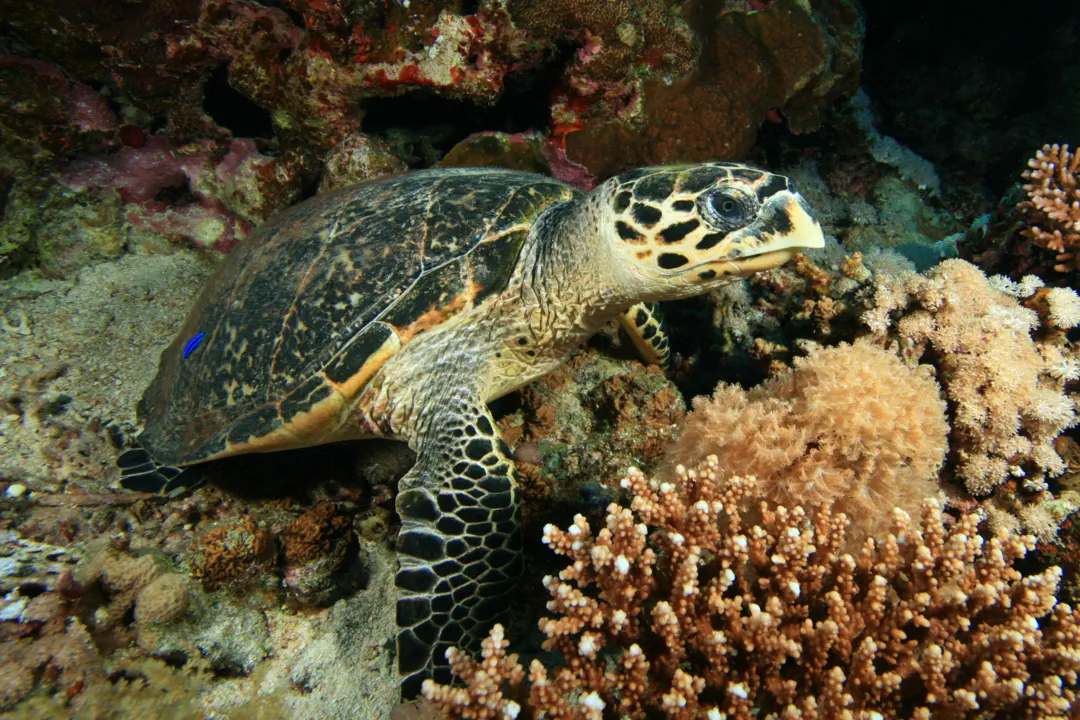
Along the sandy seabed between bommies, bluespotted ribbon-tail rays rest beneath overhangs while green sea turtles feed on red algae attached to the rocks. The water temperature here reflects the open ocean, lingering around 22°C to 25°C throughout most of the year. The site remains active in all seasons, provided surface swells permit boat access around the island's southern capes.
Depth: 7-18 m. Access: boat, 50 minutes from Sanur. Level: Open Water. Best months: Year-round.
 © Elias LevyCC BY 4.0
 © Dirk FroebelCC BY 4.0 · iNaturalist
 © Matteo BellucciCC BY 4.0 · iNaturalist
 © seabook.appAll rights reserved
 © Chris ChuchollCC BY 4.0 · iNaturalist
 © Lesley ClementsAll rights reserved
Secret Bay (Gilimanuk): Macro Spot for Rare Nudibranchs and Frogfish
Tucked inside the narrow mouth of Gilimanuk Bay at the far northwestern tip of Bali, Secret Bay offers a distinct muck diving experience. The bay is shallow, with maximum depths reaching only 10 meters over a bottom composed of dark volcanic sand, silt, and sea grass. Water temperatures drop sharply during incoming tides as cool ocean currents rush in from the Bali Strait.
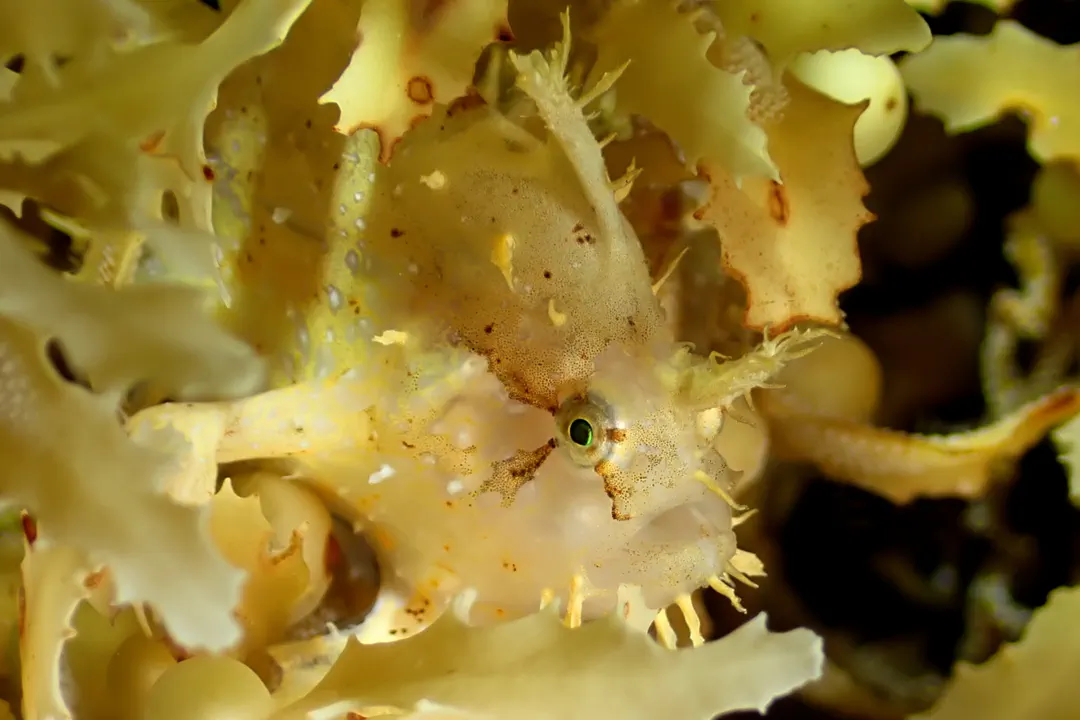
The lack of structural coral formations forces small creatures to rely on camouflage for survival across the open black sand floor. Divers searching the seabed find painted frogfish resting against debris, their textured skin matching surrounding sponges. Sargassum frogfish float among drifting algae, while coconut octopuses shelter inside discarded bivalve shells or plastic debris.
Night dives at Secret Bay reveal active crustacean life and hunting cephalopods across shallow flats. Striped pipefish slither between sea grass blades, while juvenile batfish mimic floating leaves near the surface. Because maximum depth rarely exceeds 8 meters, divers benefit from extended bottom times to photograph cryptic species.
Depth: 3-10 m. Access: shore entry from Gilimanuk bay. Level: Open Water. Best months: April-November.
 © Gregor BailarCC BY 4.0 · iNaturalist
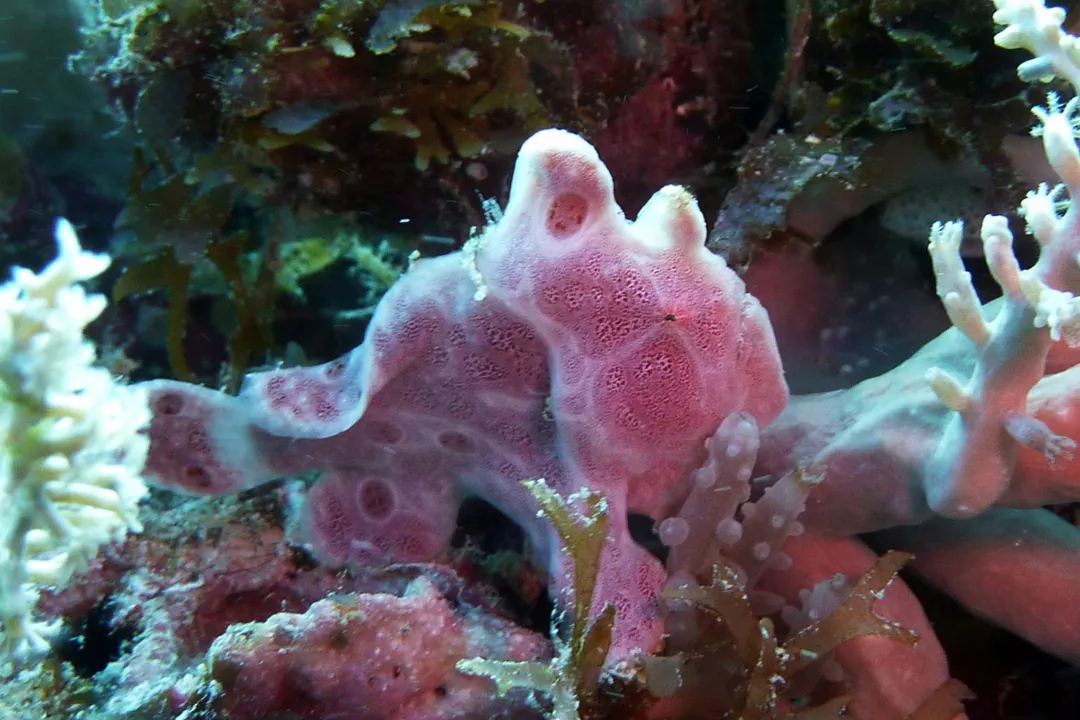 © Kai SquiresCC BY 4.0 · iNaturalist
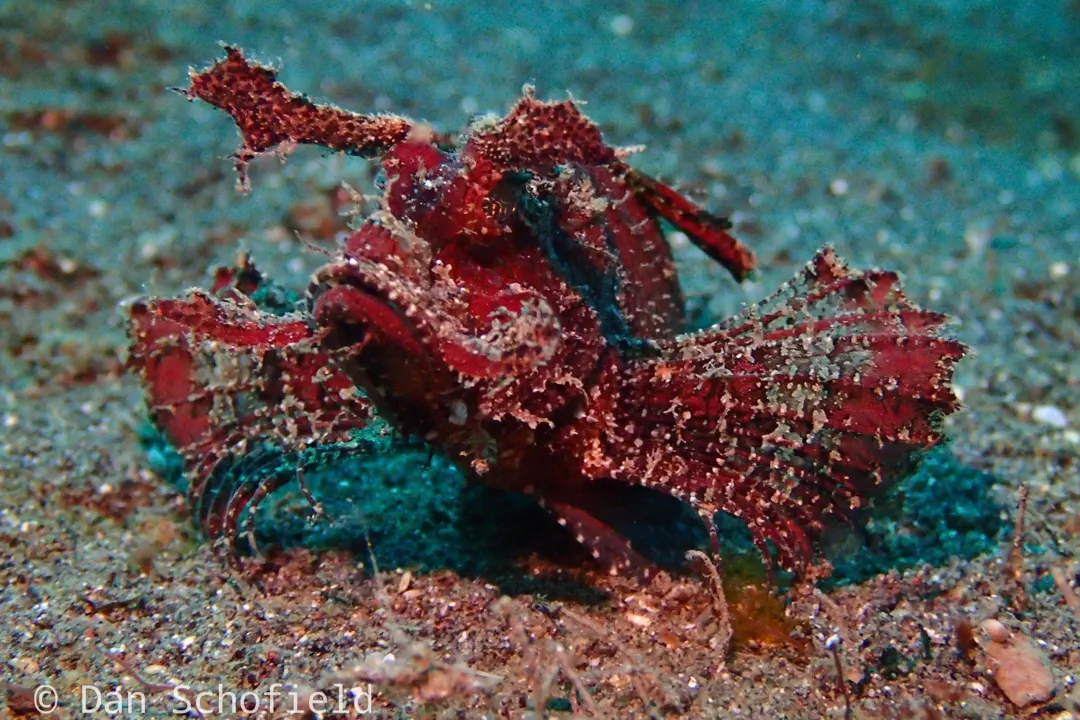 © Dan SchofieldCC BY 4.0 · iNaturalist
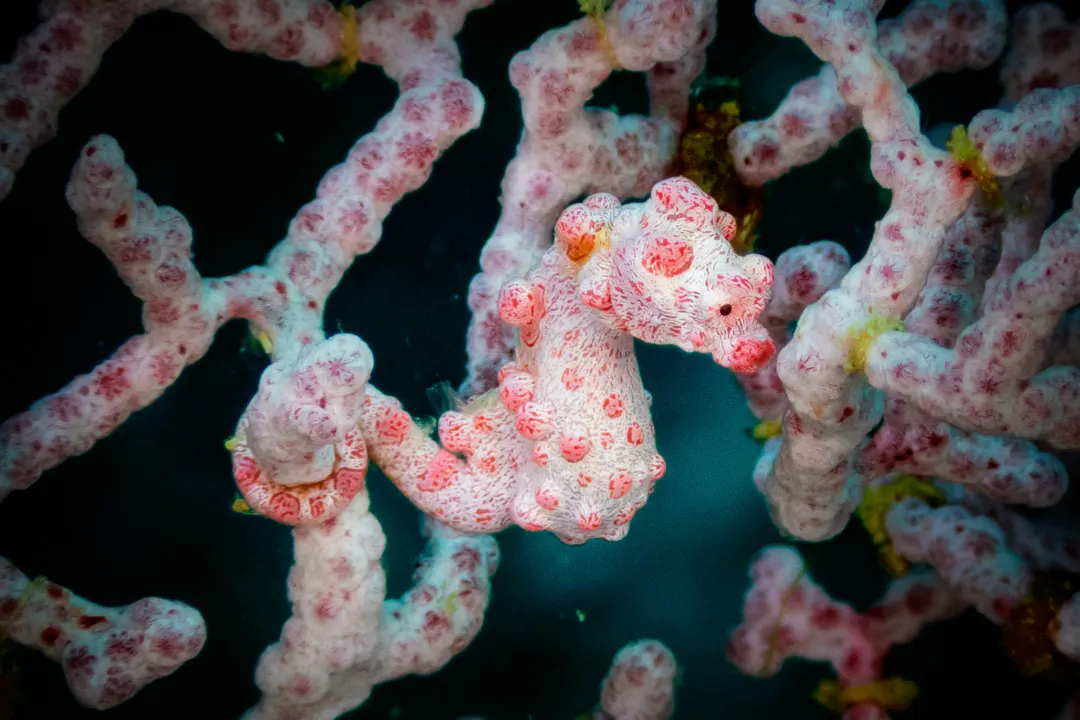 © Pierre PericardCC BY 4.0 · iNaturalist
Eel Garden (Menjangan Island): Wall Diving Along Drop-Offs
Situated within the protected waters of Bali Barat National Park, Menjangan Island is surrounded by vertical limestone walls dropping past 40 meters. At Eel Garden, located on the island's western point, the wall transitions into a white sand slope swept by gentle currents. Water clarity here regularly exceeds 25 meters, providing clear views of giant gorgonian fans clinging to the rock face.
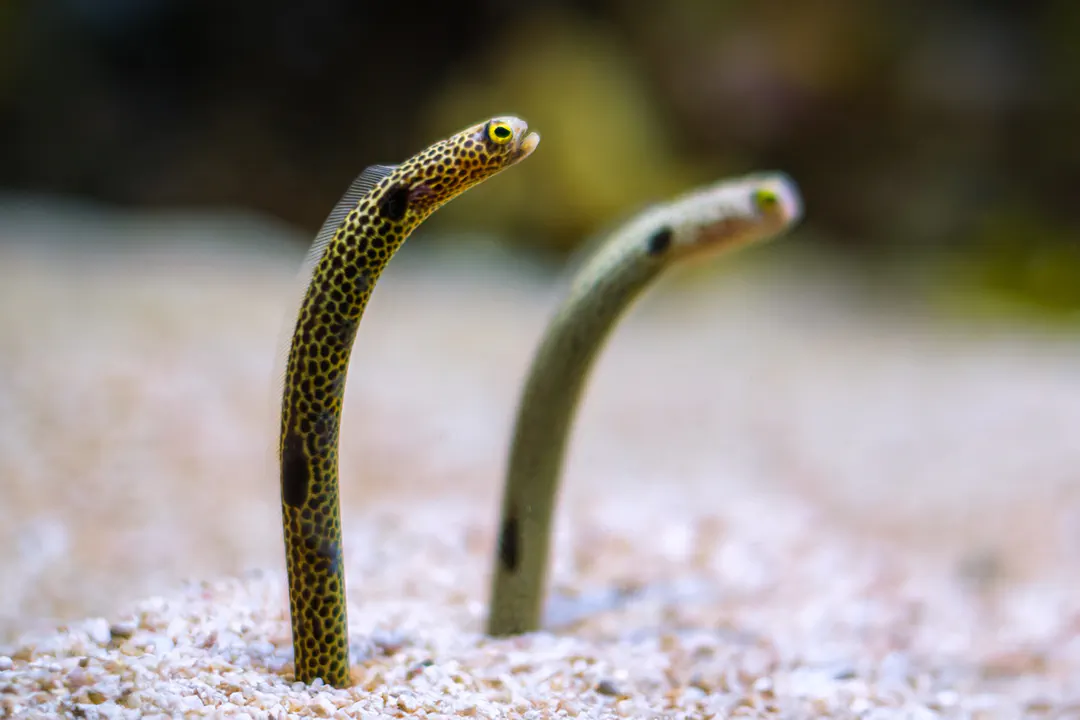
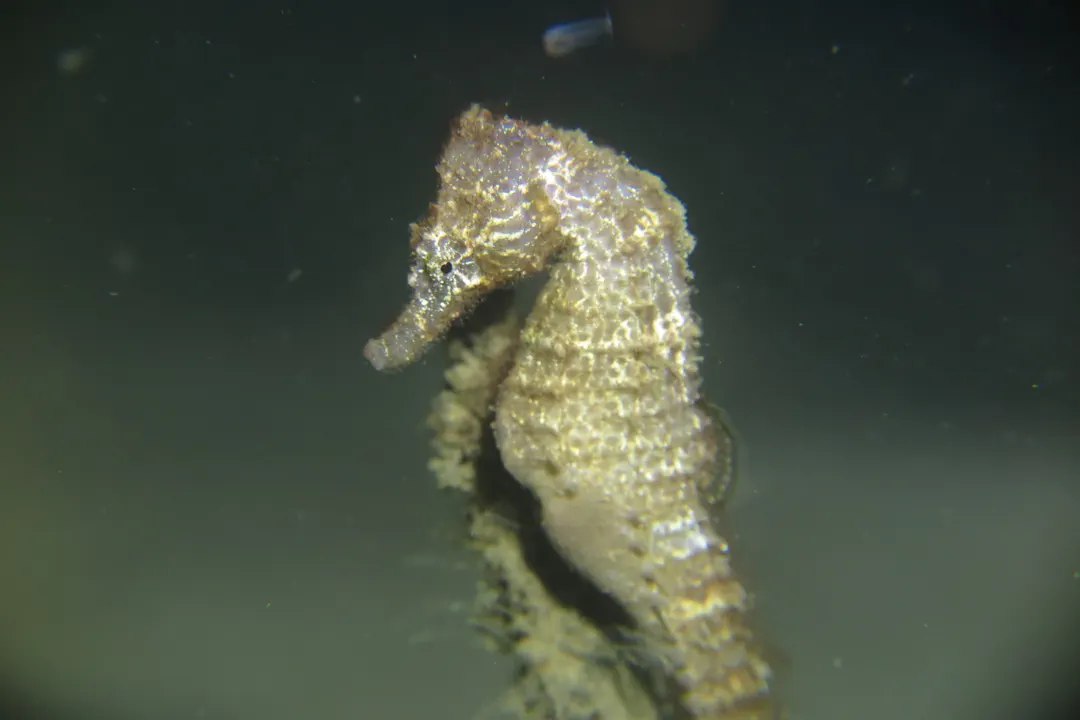
The site derives its name from a broad field of garden eels swaying above the sandy slope at a depth of 20 meters. Hundreds of spotted garden eels extend their bodies out of burrow holes to catch passing plankton, retracting in unison when divers approach. Along the adjacent drop-off, blacktip reef sharks cruise the deep blue while estuarine seahorses anchor themselves to sea fans.
The sheltered position of Menjangan Island protects its reefs from heavy wave action, ensuring flat surface conditions throughout most of the year. Calm water and minimal current make this wall location accessible for long, multi-level dive profiles. Sunlight penetrates deep into the water column, illuminating yellow tube sponges and soft coral bushes attached to the sheer limestone face.
Depth: 5-40 m. Access: boat, 30 minutes from Labuan Lalang harbour. Level: Open Water. Best months: Year-round.
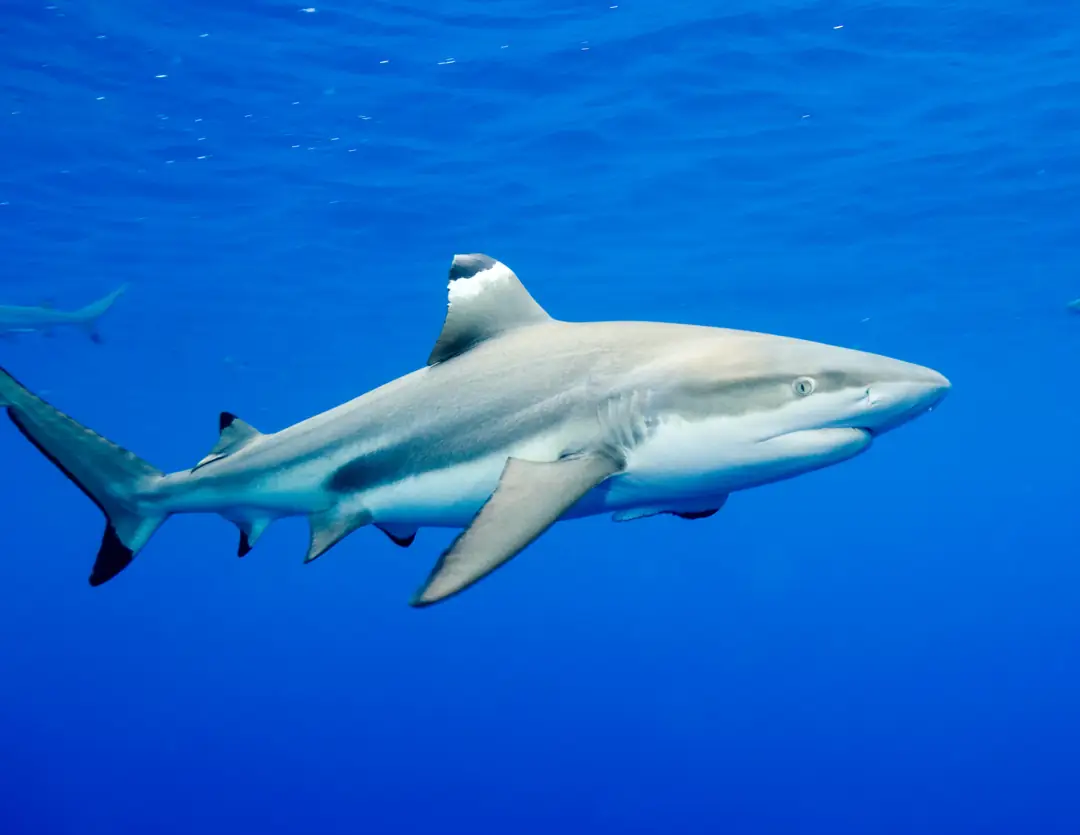 © seabook.appAll rights reserved
 © seabook.appAll rights reserved
 © Ewout KnoesterCC BY-SA 4.0 · iNaturalist
 © Georgina JonesCC BY-SA 4.0 · iNaturalist
 © Dan SchofieldCC BY 4.0
Seraya Secrets (Amed): Black Sand Muck Diving
Seraya Secrets sits directly along the black sand shoreline of Amed in eastern Bali, sloping gently from the beach down to 35 meters. The black volcanic silt provides a dark backdrop that contrasts with the colors of small macro critters. Small artificial structures, rock piles, and black sand gullies break up the seabed, creating habitats for marine life.
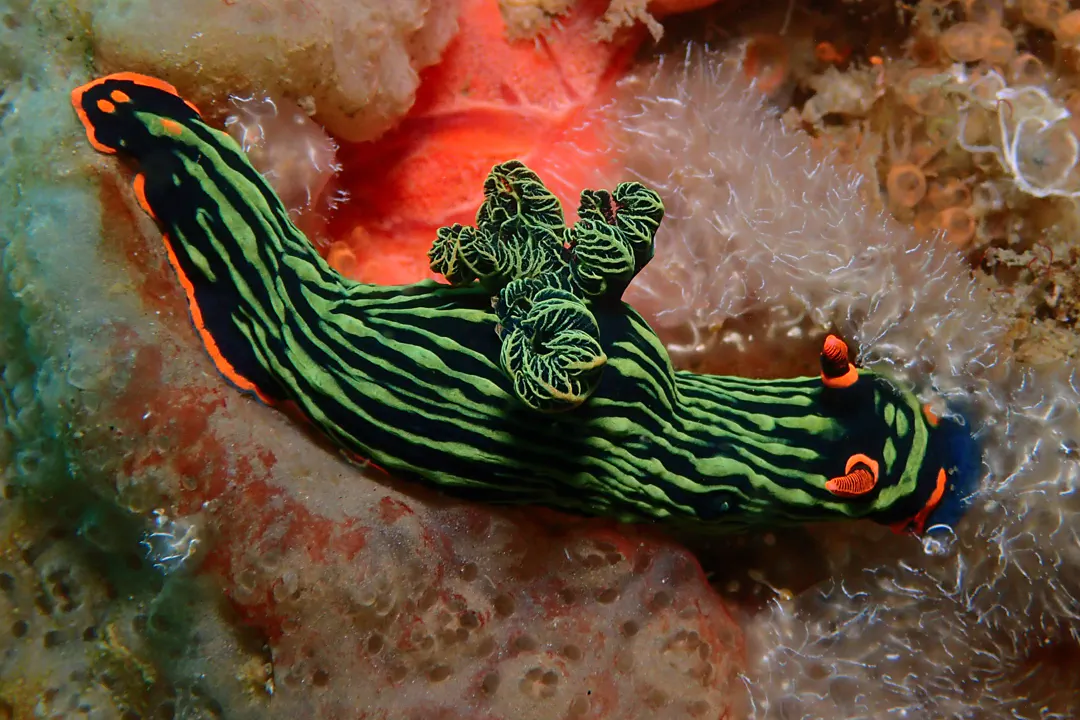
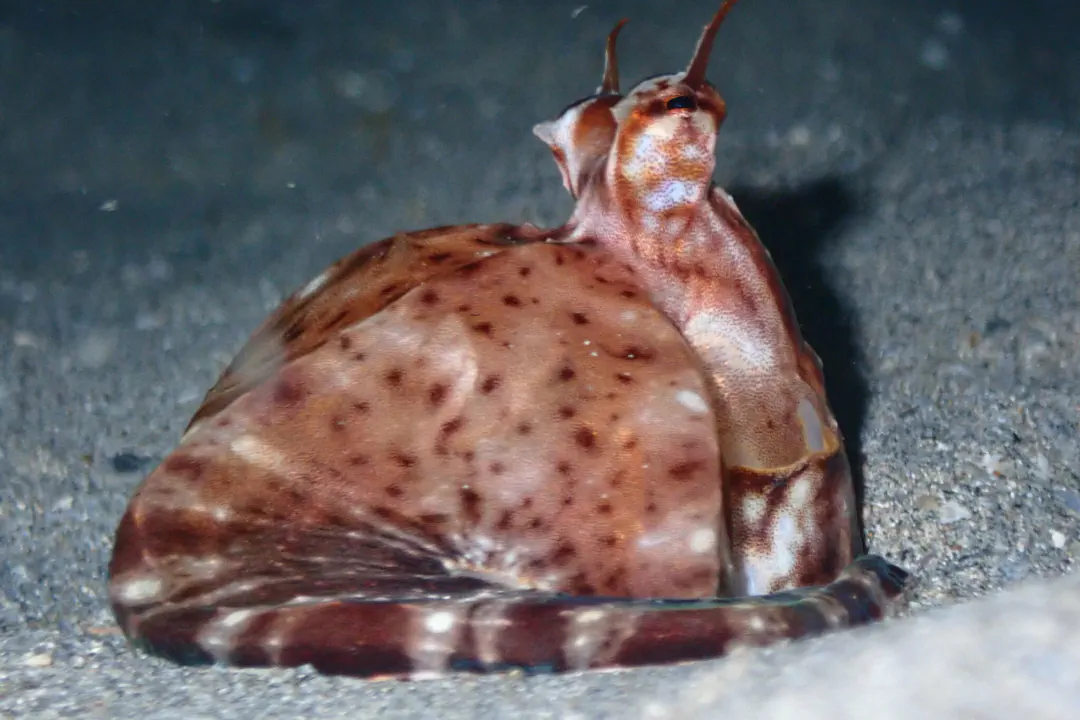
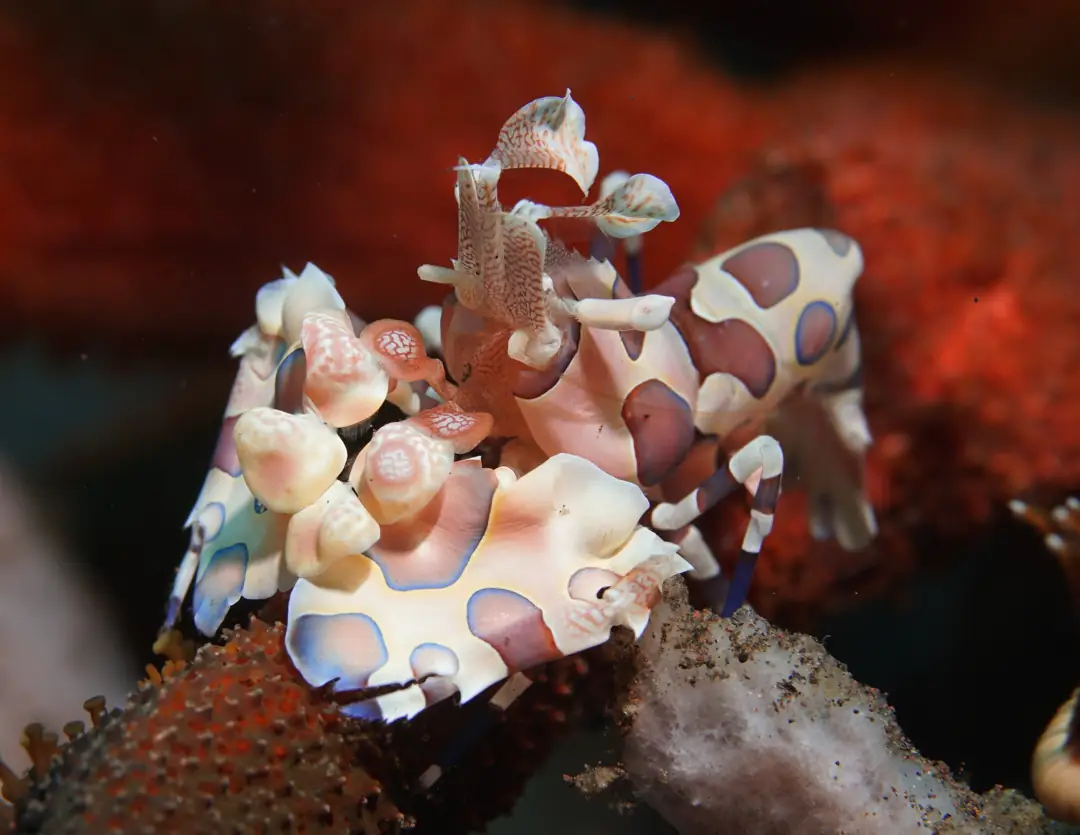
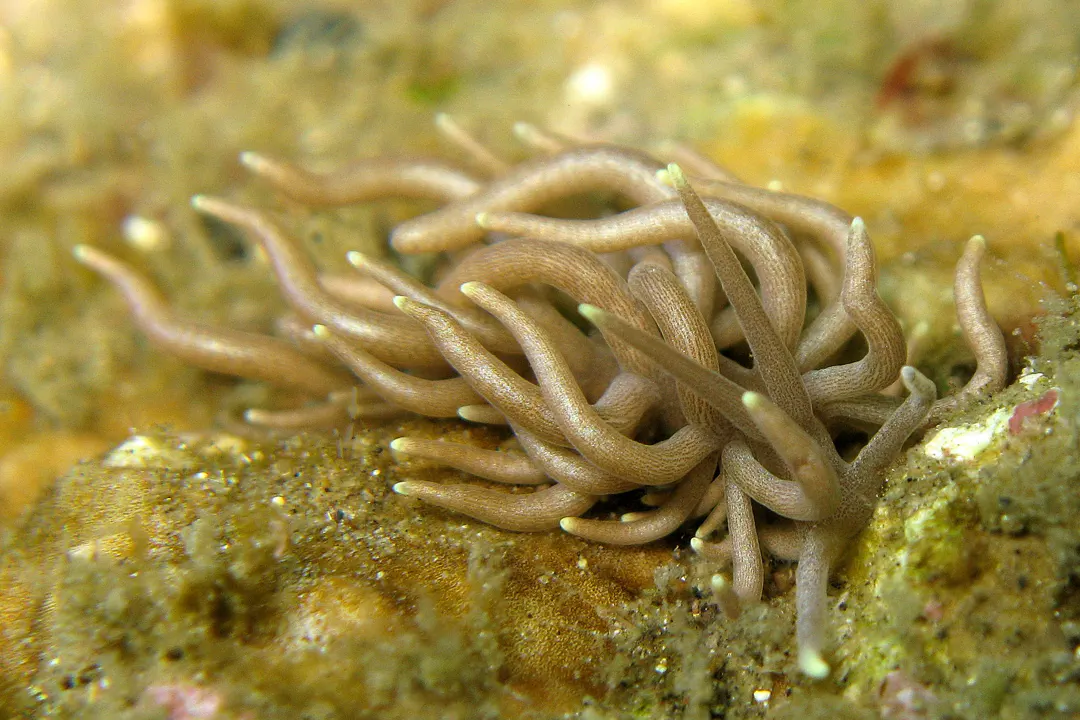
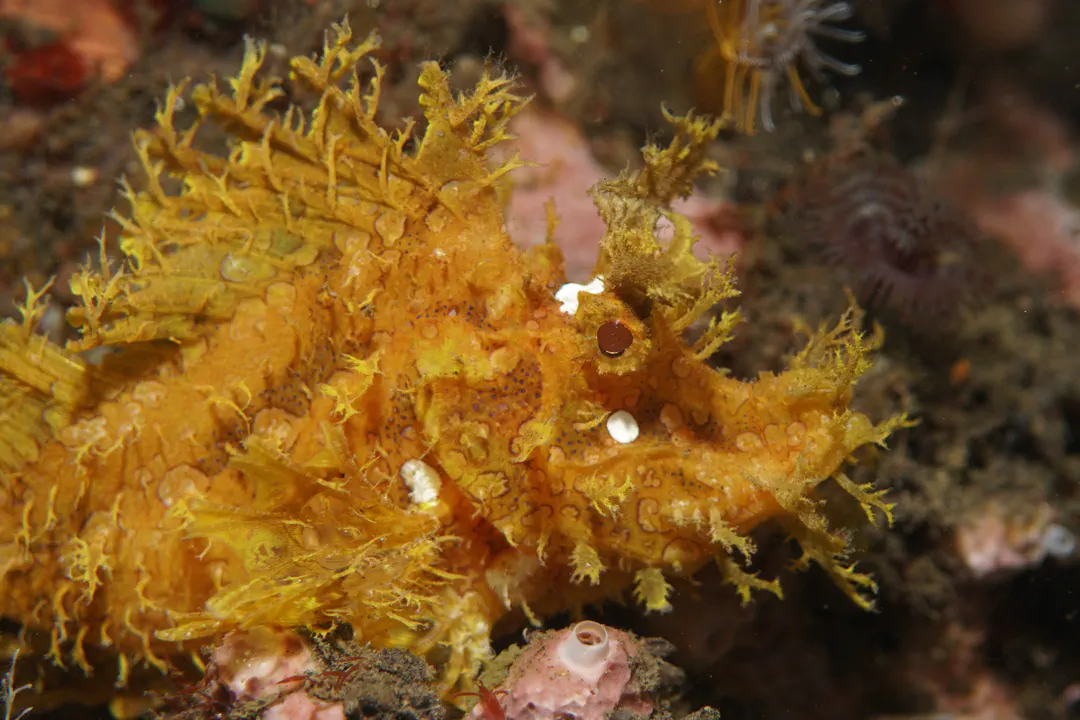
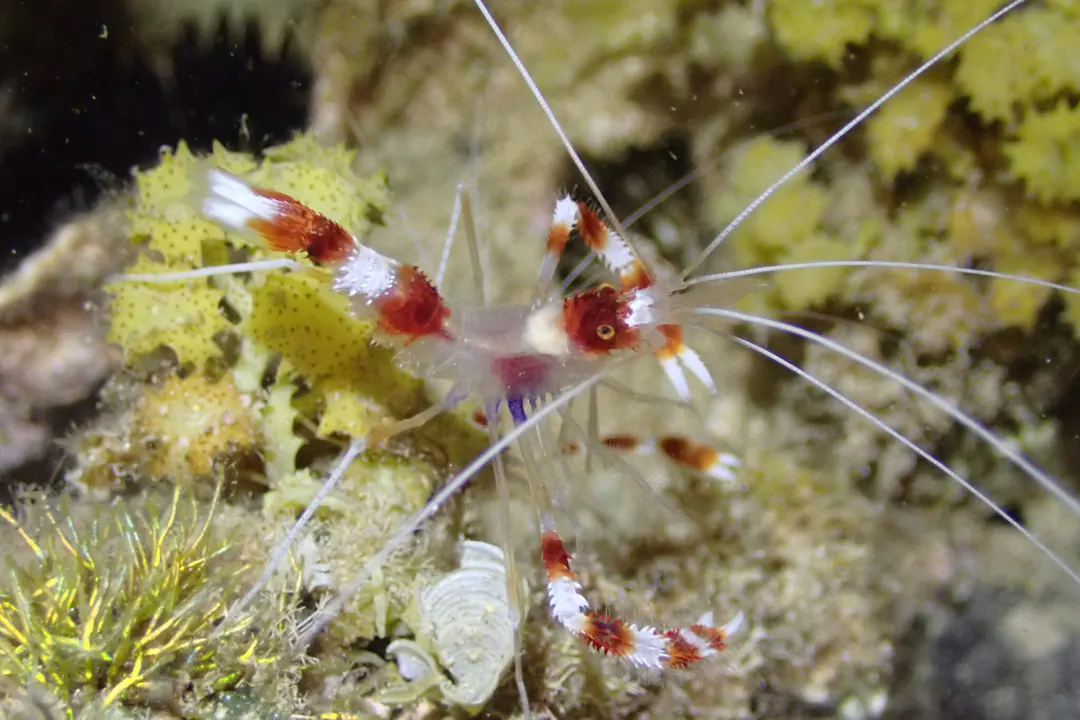
Critter hunters come to Seraya to locate mimic octopuses, which alter their shape and skin texture to imitate flatfish, sea snakes, or lionfish as they crawl across open sand. Brightly patterned harlequin shrimp work in pairs to carry sea stars into small crevices, while paddle-flap rhinopias sit motionless on black sand ridges. Searching small rubble patches yields rare nudibranchs and boxer shrimp hiding beneath overhangs.
Access is straightforward via a simple beach walk through calm, shallow water into the bay. Because the slope is gentle and currents remain mild, divers can spend hours exploring depth contours between 5 and 18 meters. Photographers using macro lenses find ideal subject stability along the dark, steady slope.
Depth: 3-30 m. Access: shore entry from Amed beach. Level: Open Water. Best months: April-November.
 © Ewout KnoesterCC BY-SA 4.0 · iNaturalist
 © Stas KuryanAll rights reserved
 © Steve ChildsCC BY 4.0 · iNaturalist
 © Stas KuryanAll rights reserved
 © Cricket RaspetCC BY 4.0 · iNaturalist
 © Roger RittmasterCC BY 4.0
Marine Life in Bali
Bali sits at the heart of the Coral Triangle, a region supporting over 500 species of reef-building corals and thousands of species of fish. The convergence of Pacific ocean currents with Indian Ocean waters creates nutrient-rich conditions where marine life thrives. From giant pelagics in deep offshore channels to microscopic nudibranchs on volcanic sand, the species catalog spans every niche of the marine ecosystem.
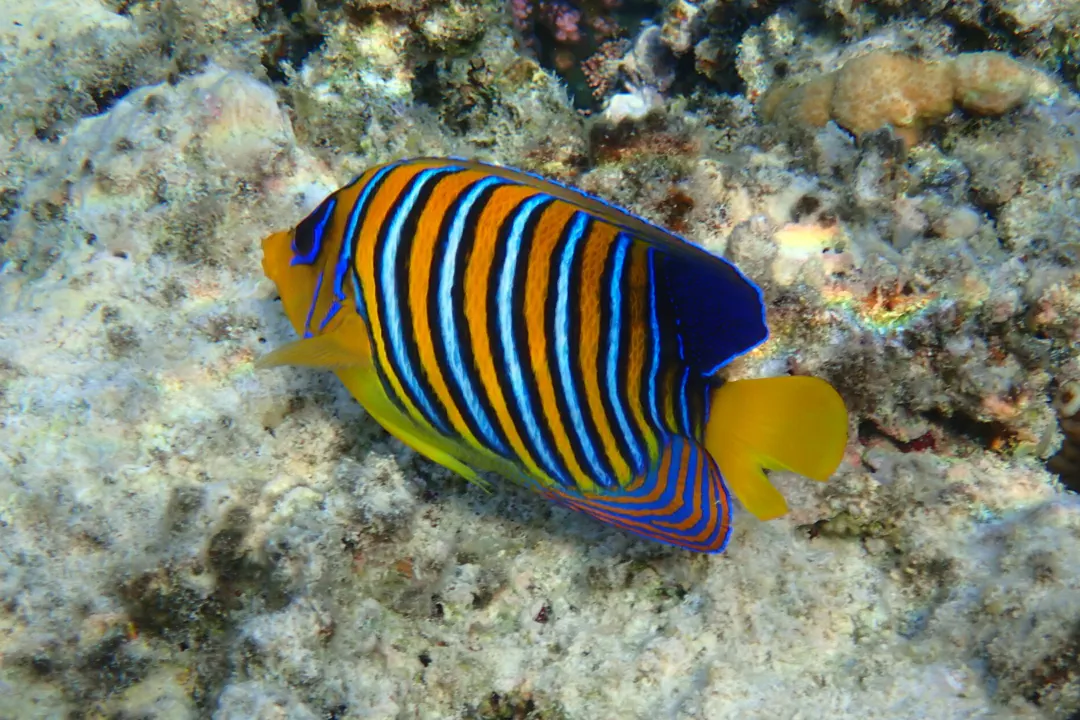
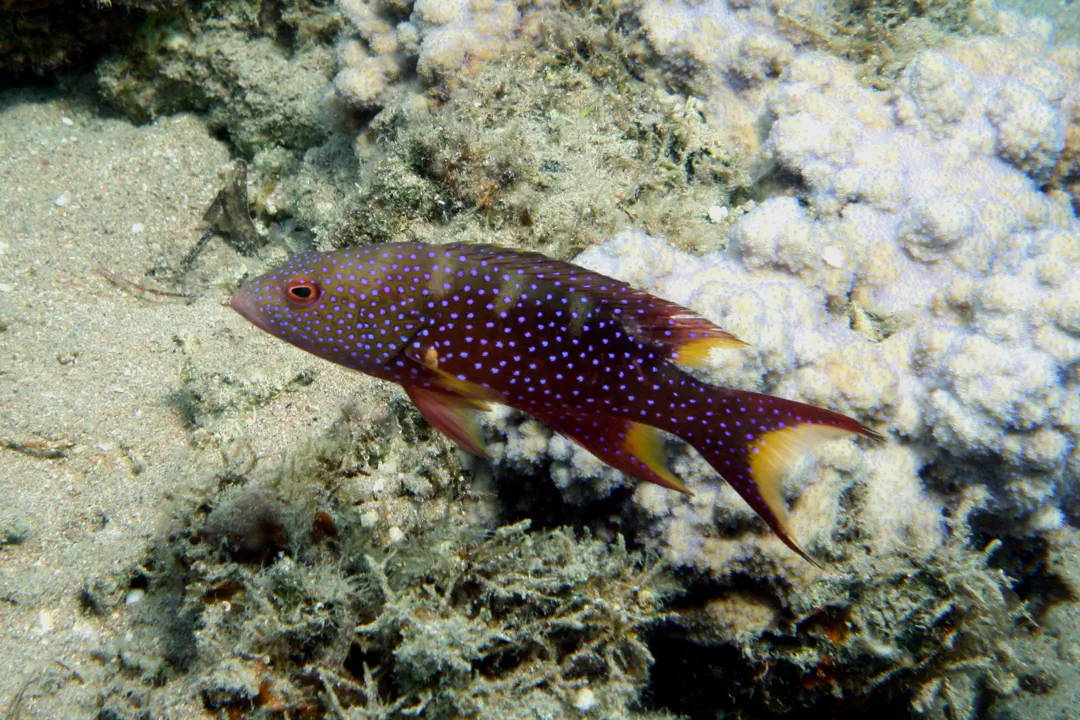
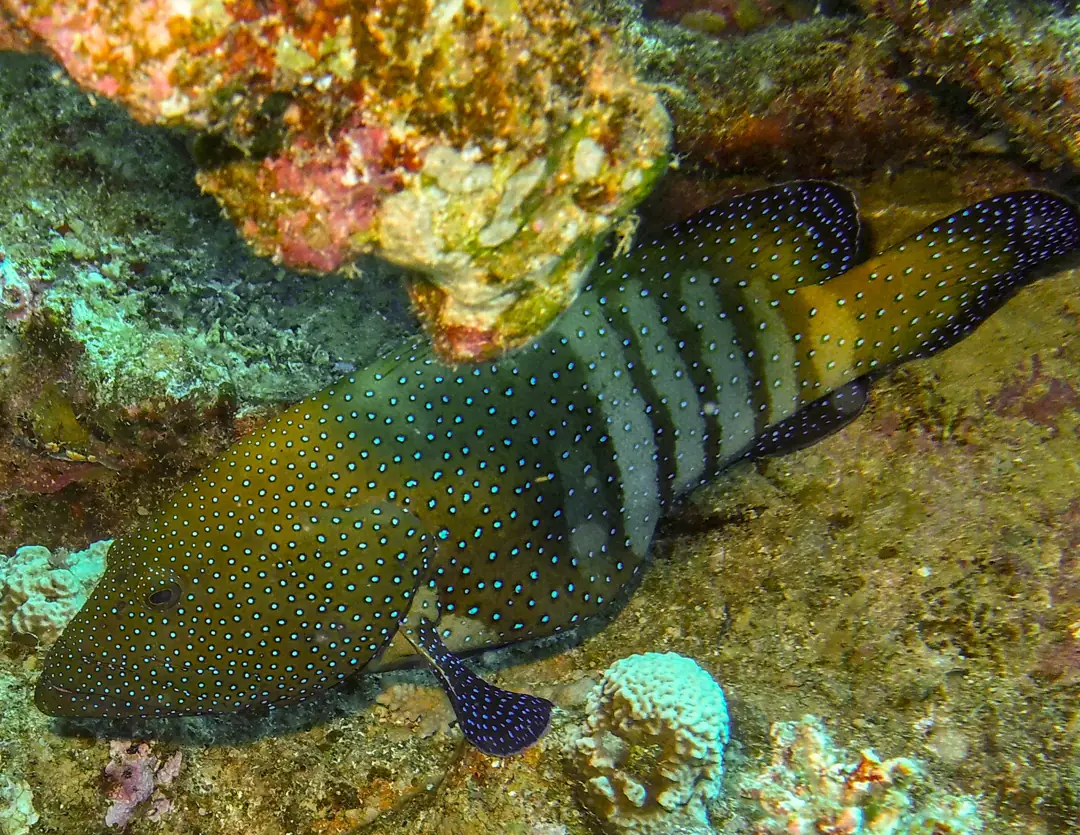
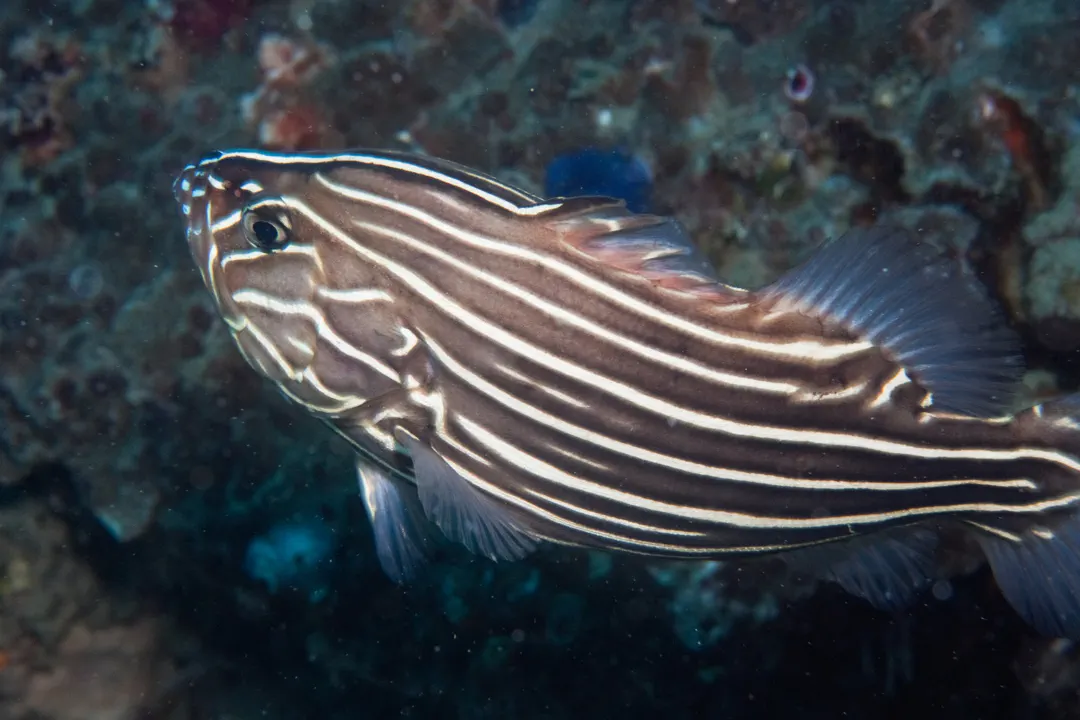
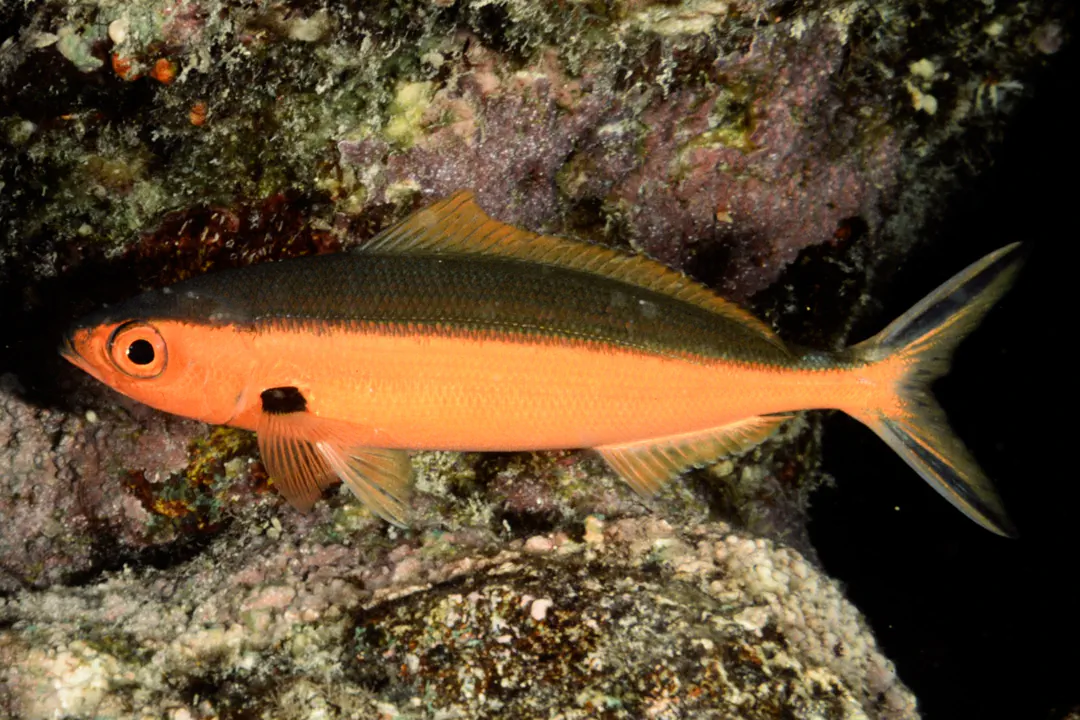
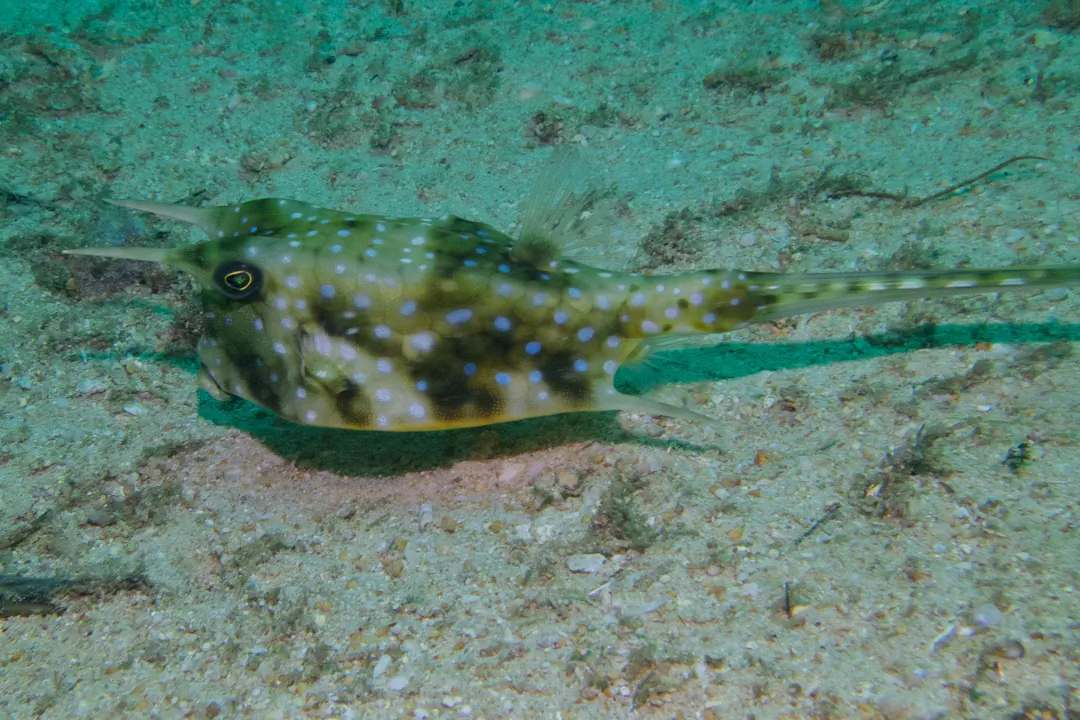
Reef fish populations fill every zone of the water column along coastal slopes and offshore sea mounts. Schooling longfin batfish and moorish idols maneuver through soft coral gardens, while solitary potato groupers rest in shaded ledge overhangs. Clown anemonefish defend their host sea anemones in shallow reef flats, and divers can use the Seabook app during surface intervals to log these fish species and verify local sightings against marine databases.
Conservation efforts across Bali focus on protecting critical habitats like cleaning stations and nesting beaches. Local marine protected areas in Nusa Penida and Menjangan Island enforce regulations on vessel anchoring and diver numbers near fragile reefs. Community-led coral nursery projects near Pemuteran and Amed continue to restore impacted reef zones, securing habitats for future generations of marine life.
 © Ian ShawAll rights reserved
 © seabook.appAll rights reserved
 © Roger RittmasterCC BY 4.0 · iNaturalist
 © Pierre PericardCC BY 4.0 · iNaturalist
 © Francois LibertAll rights reserved
 © portioidCC BY 4.0 · iNaturalist
Is Bali Good for Beginners and Snorkellers?
Bali offers appropriate options for entry-level divers and snorkellers, provided they choose dive sites suited to their experience level. The calm, shallow waters along the eastern coast at Tulamben and Amed provide suitable conditions for training dives, with minimal current and direct beach access. Beginners can explore historical wrecks and shallow coral gardens without navigating complex boat logistics or deep water entries.
Menjangan Island in the northwest provides flat, calm surface conditions and vertical reef walls that start in just two meters of water. Snorkellers drift along wall tops where sunlight highlights hard coral formations and abundant reef fish. Clear water visibility ranging from 20 to 30 meters allows clear viewing of deeper reef structures even from the surface.
In contrast, offshore locations such as Nusa Penida, Nusa Lembongan, and Padangbai feature strong washing-machine currents and sudden temperature drops. Sites like Crystal Bay and Blue Corner require precise buoyancy control and experience handling swift downwellings. Novice divers should gain experience in northern sheltered bays before attempting high-energy sites in the Lombok Strait.
Getting There and Practical Tips
Travelers reach Bali by flying into Ngurah Rai International Airport (DPS) near Denpasar, which serves direct flights from major international hubs across Asia and Australia. Upon arrival, reaching coastal dive bases requires land transfers ranging from one hour to Sanur or Padangbai up to four hours to Tulamben, Amed, or Pemuteran. Splitting accommodation between an eastern base like Tulamben and a southern hub like Sanur minimizes daily transit times across the island.
Water temperatures vary significantly by location, requiring appropriate exposure protection based on your planned itinerary. A 3mm full wetsuit suffices for northern sites where water temperatures hover around 28°C. However, diving Nusa Penida between July and October demands a 5mm wetsuit paired with a hood or vest to stay comfortable during 18°C thermoclines.
Diving safety in Bali requires planning for strong tidal movements and remote location logistics. Divers should ensure their dive insurance covers emergency evacuation and hyperbaric chamber treatment, which is available at the Sanglah General Hospital in Denpasar. Using reef-safe sunscreen free of oxybenzone helps protect fragile coral ecosystems from chemical contamination during shore entries.
Questions
When is the best time to dive with mola mola in Bali?
The peak season to see oceanic sunfish (mola mola) around Nusa Penida and Crystal Bay occurs during the dry season between July and October. During these months, deep ocean currents force cold water upwellings reaching 18°C into shallow depths of 18 to 30 meters. Sunfish rise into these shallower zones to visit cleaning stations where bannerfish pick parasites from their skin.
Are there sharks in Bali?
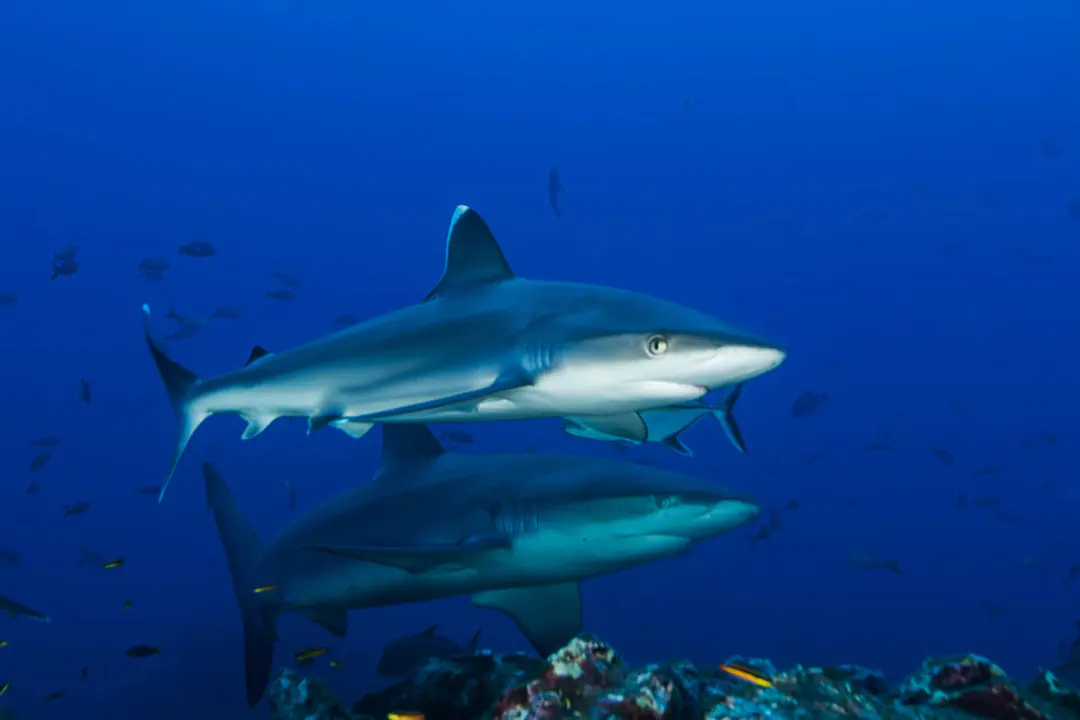
Yes, white-tip and black-tip reef sharks are encountered along the reef drop-offs of Menjangan Island, Padangbai, and Nusa Penida. Grey reef sharks patrol deeper waters around Crystal Bay at depths past 25 meters, while rare sightings of thresher sharks occur near offshore banks. Most reef sharks observed in Bali pose no threat to divers and maintain a respectful distance along the reef slope.
Is diving in Bali suitable for complete beginners?
Yes, coastal regions like Tulamben, Amed, and Menjangan Island provide sheltered conditions with minimal current and water temperatures averaging 28°C. Sites like the USAT Liberty wreck start in only 5 meters of water, allowing new divers to build confidence during open water courses. Beginners should avoid high-current zones around Nusa Penida until they gain comfort with deeper profiles and strong water movement.
How cold is the water during Nusa Penida dive trips?
While Bali's coastal water temperature generally ranges from 27°C to 29°C, thermoclines around Nusa Penida lower temperatures sharply. Between July and October, deep ocean upwellings bring cold water layers between 18°C and 22°C into shallow reefs. Wearing a 5mm wetsuit with an under-vest is recommended when diving Crystal Bay during these cold water months.
Can you dive the USAT Liberty wreck from the shore?
Yes, the USAT Liberty wreck rests just 25 meters off the pebble beach at Tulamben in eastern Bali. The bow of the wreck sits in 5 meters of water, while the stern extends down to 30 meters along a black sand slope. Divers simply gear up on the beach, walk into the calm bay, and swim a short distance to reach the hull.
Should I stay in one dive base or travel around Bali?
Because dive sites are spread across Bali's 150-kilometer coastline, staying in a single location results in long daily transit times of up to three hours each way. Splitting your itinerary between eastern hubs like Tulamben or Amed and southern bases like Sanur optimizes travel schedules. This approach allows easy access to both northern macro sites and southern pelagic locations around Nusa Penida.