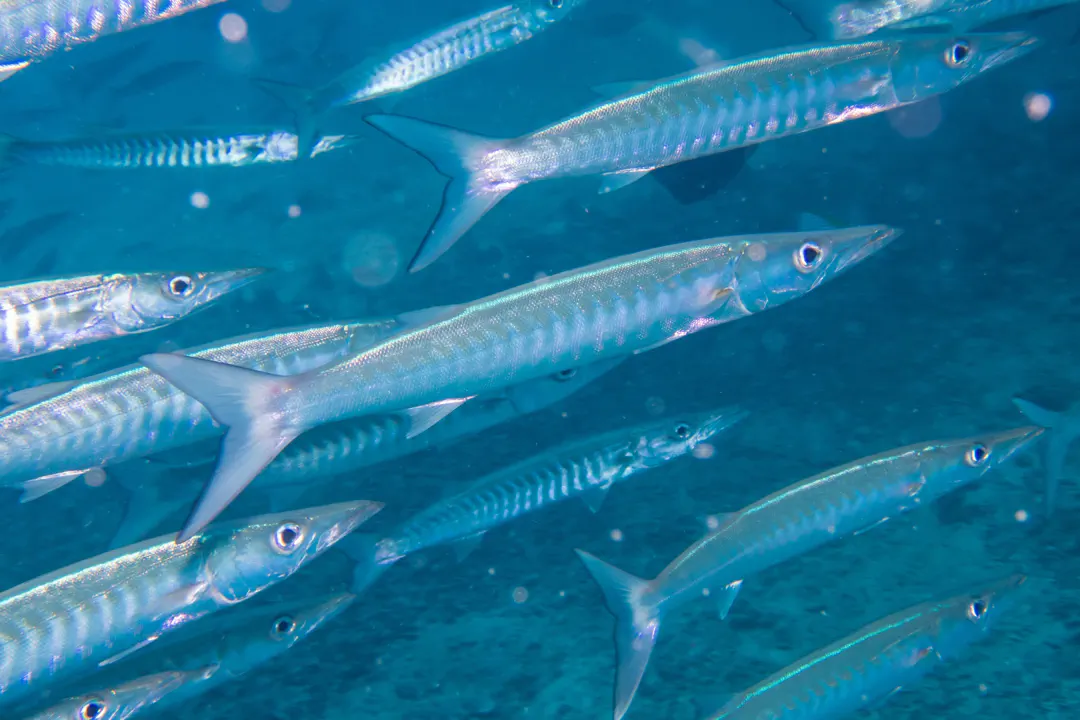
At a depth of 18 meters off Barracuda Point, six hundred chevron barracudas slide through the blue current in a tight, silver cylinder that blocks the tropical sunlight. Whitetip reef sharks rest on the sandy shelf below, their gills pulsing regularly while green sea turtles drift effortlessly past the wall. The current tugs gently along the drop-off, pushing cold, nutrient-dense water up from the black depths of the Celebes Sea.
Diving in Sipadan provides access to an isolated marine wilderness where vertical coral walls sink straight into deep ocean waters. The region experiences its peak diving season from April through December, when sea conditions stay calm and visibility reaches 15 to 30 meters. Water temperatures remain warm throughout the year, hovering steadily between 26°C and 30°C across all major diving sites.
Dives here center on famous locations such as Barracuda Point, Drop Off, Turtle Cavern, and South Point. Photographers and ocean enthusiasts routinely encounter green sea turtles, hawksbill turtles, schooling jacks, and patrolling grey reef sharks. Due to strong currents and sheer drop-offs, the island primarily suits intermediate to advanced divers holding drift-diving qualifications, though clear shallow flats also accommodate confident snorkellers.
What Is Diving in Sipadan Like?
Sipadan is Malaysia's only true oceanic island, formed by living corals growing atop an extinct volcanic undersea peak. The reef drops away into water 600 meters deep almost as soon as you step off the sand. This isolated deep-water position acts as an oasis for open-ocean pelagics, drawing predators from across the Celebes Sea.
Because the island rises isolated from deep water, open-ocean currents strike its submerged walls head-on. These currents push cold, plankton-rich water up into shallow sunlight, feeding massive schools of fish and keeping the hard coral gardens supplied with nutrients. The resulting underwater terrain ranges from sheer vertical drops and shaded overhangs to broad current-swept ridges.
Diving along these walls requires good buoyancy control and comfort in moving water. Depths on recreational dive profiles generally stay between 10 and 30 meters, though the wall beneath you extends into blackness. Current flow can change quickly with the tide, turning a gentle drift into a fast ride along the edge of the abyss.
Best Time to Dive in Sipadan
Diving operates year-round across Sipadan, but underwater conditions shift according to seasonal weather patterns. The driest weather and clearest water occur between April and December. During these months, underwater visibility consistently averages between 20 and 30 meters, while surface conditions remain flat and calm.
The period from July through September brings mild winds that can occasionally stir up surface swells and drop visibility down to 15 meters. Rainfall increases slightly between January and March, though water temperatures stay warm and pelagic marine life remains present around the island edges year-round.
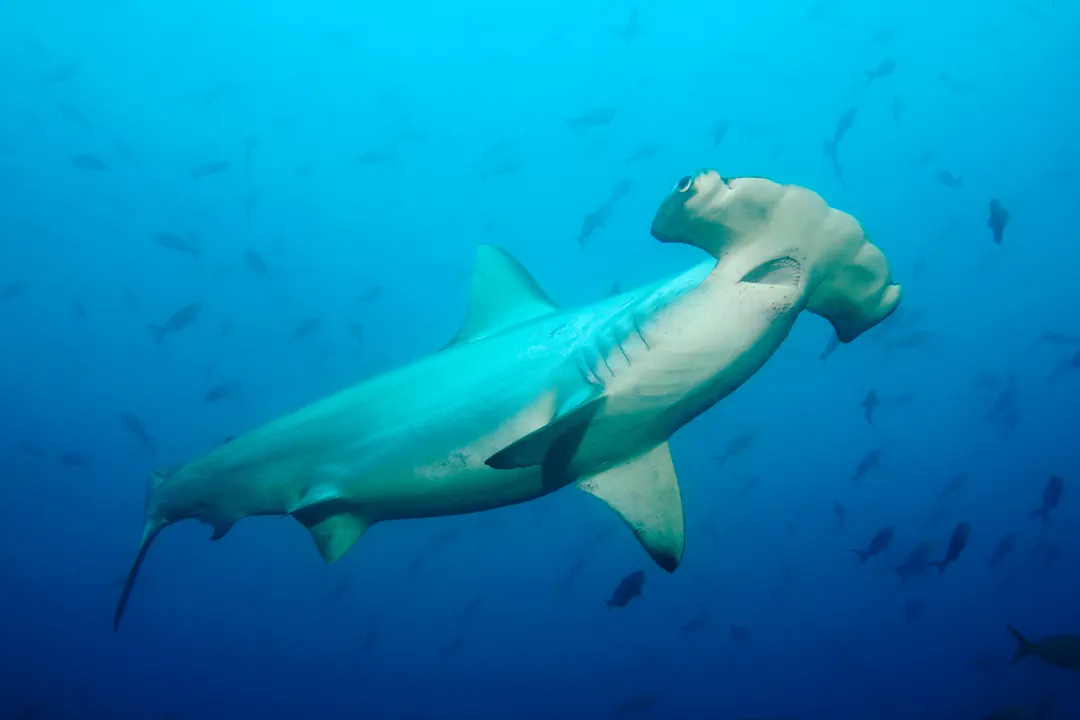
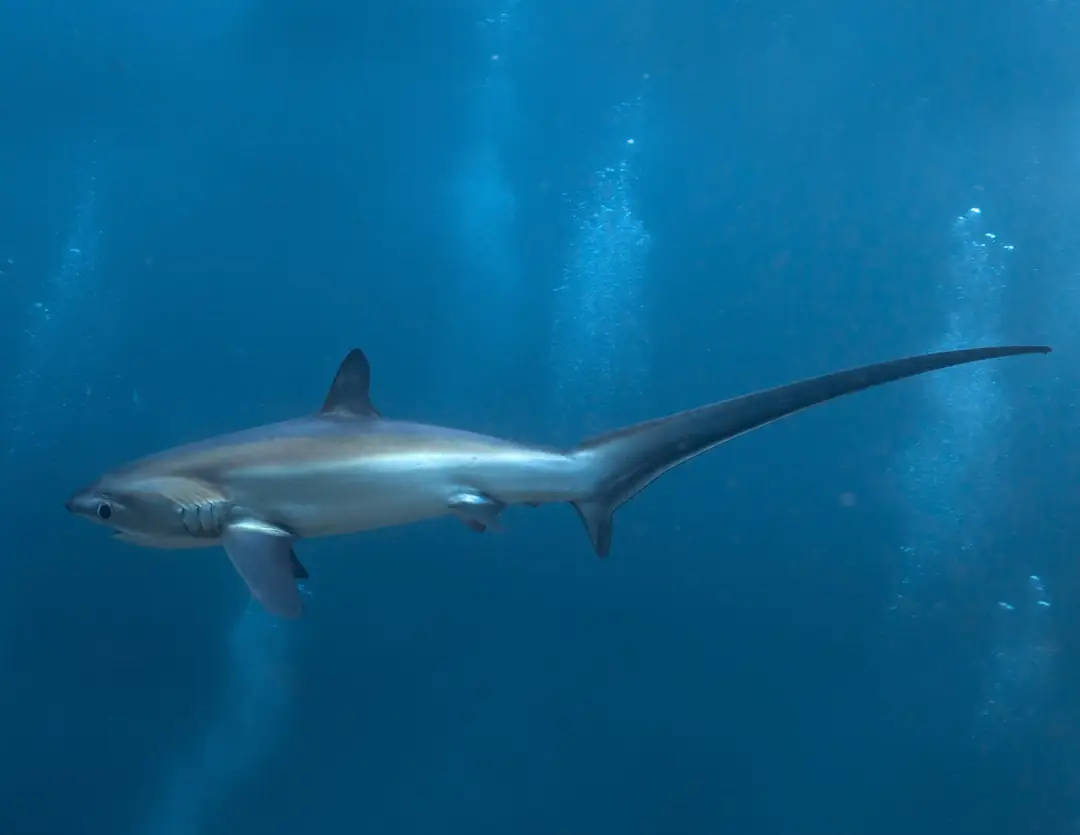
Planning a trip during the dry months gives you the best chance of encountering deep-water pelagics like hammerheads or thresher sharks at sites like South Point, where clear water makes spotting large silhouettes in the blue far easier.
Sipadan Water Temperature by Month
Water temperature
Sipadan, Malaysia, monthly average
Reference point: Sipadan Island area off Semporna, Sabah, Malaysia; typical dive-site surface waters in the Celebes Sea near the island.
Sea surface temperatures at Sipadan remain remarkably consistent, holding between 26°C and 30°C throughout every month of the year. The warmest water usually occurs between May and July, when surface readings hit 29°C to 30°C.
Thermoclines often sit between 20 and 30 meters depth along the wall faces. Descending through these thermal layers can drop the temperature rapidly down to 25°C or 26°C, particularly when upwellings bring cold deep-water currents from the Celebes Sea basin.
A 3mm full exposure suit is ideal for most divers visiting Sipadan. If you are planning three to four dives a day over a multi-day package, adding a thin neoprene vest will help maintain warmth during repetitive deeper wall dives.
Best Dive Sites in Sipadan
Barracuda Point: massive spiraling barracuda schools
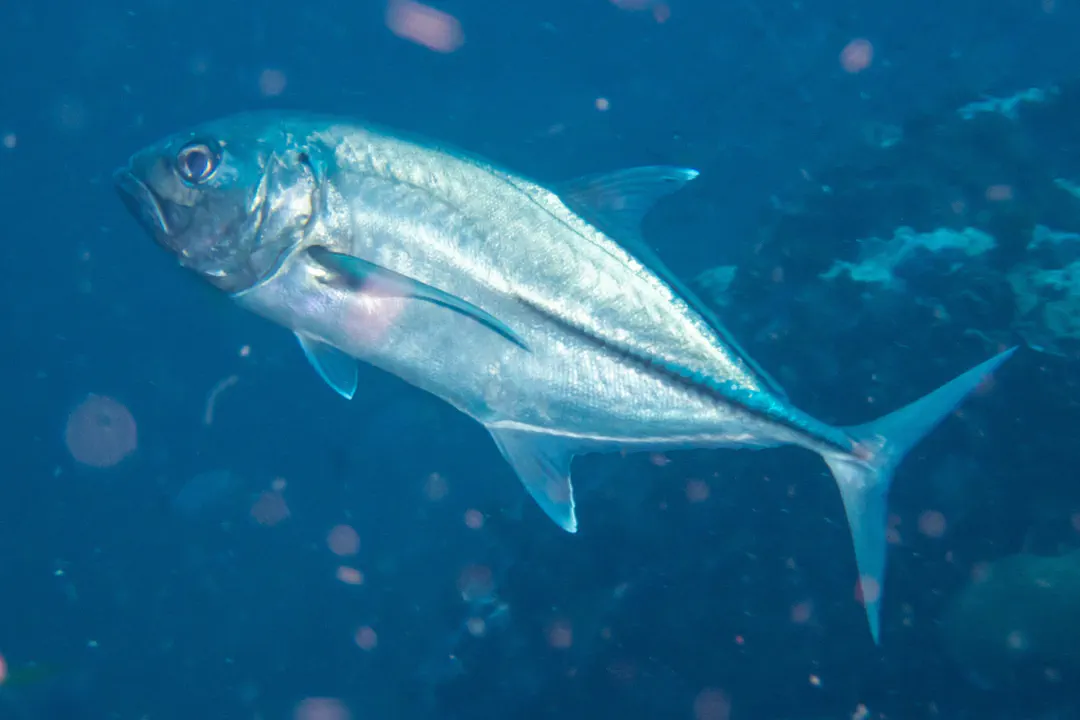
At the northern tip of the island, two opposing currents collide across a shallow submerged saddle before sweeping over the wall edge. A massive, resident school of thousands of chevron barracuda gathers in the water column between 10 and 20 meters depth, forming a dark, spiraling cylinder that regularly encircles divers.
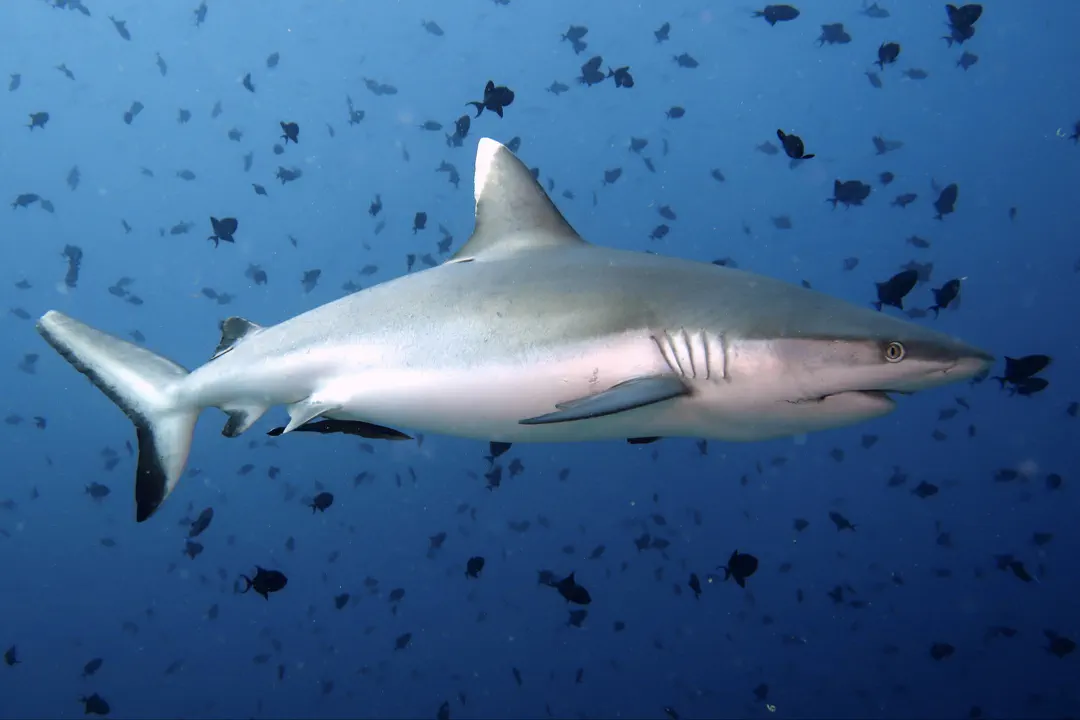
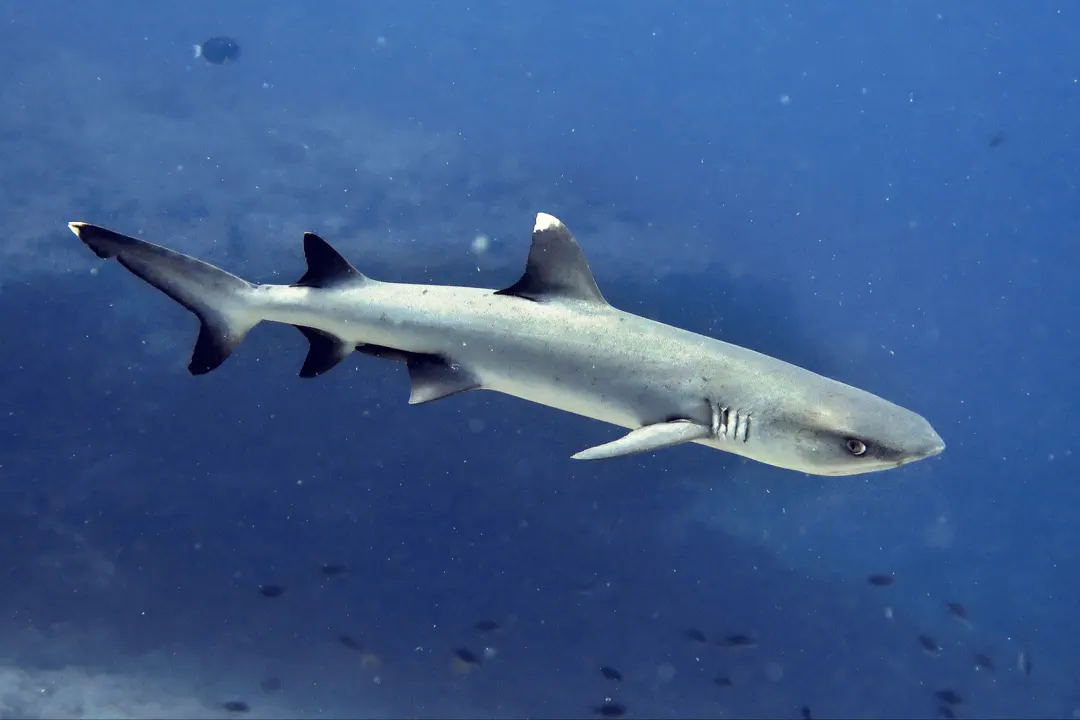
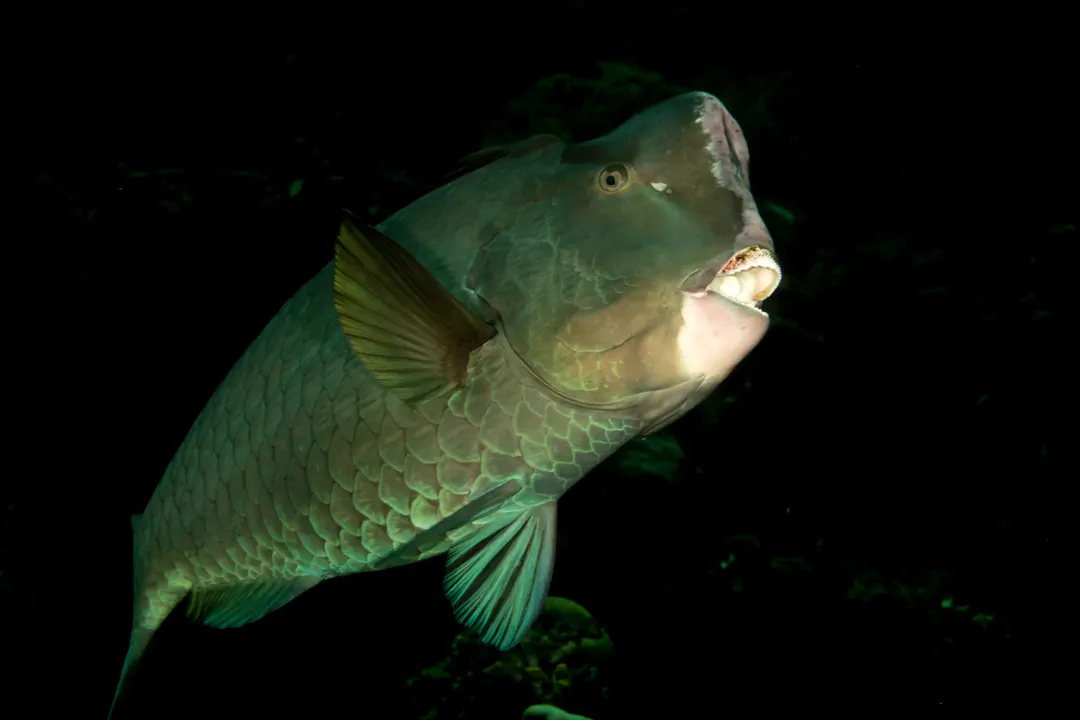
Below this living vortex, grey reef sharks and whitetip reef sharks patrol the current-swept ridge alongside schools of bigeye trevally. On the shallow reef crest, solitary bumphead parrotfish crunch on hard coral heads while green sea turtles rest inside small alcoves along the drop-off face.
Managing buoyancy is essential here, as washing-machine currents can push you up or pull you down near the corner. Divers often hook onto bare rock ledges using reef hooks to watch the schooling pelagics before drifting out into open water for safety stops.
Depth: 5-30 m. Access: boat, 20 minutes from Mabul Island. Level: Advanced Open Water. Best months: April-December.
 © portioidCC BY 4.0 · iNaturalist
 © Daniel BenákCC BY 4.0 · iNaturalist
 © Daniel BenákCC BY 4.0 · iNaturalist
 © portioidCC BY 4.0 · iNaturalist
 © Rickard ZerpeCC BY 4.0 · iNaturalist
 © Matteo BellucciCC BY 4.0 · iNaturalist
Turtle Cavern: ancient sea turtle skeleton cave system
Located along the eastern wall, the entrance to Turtle Cavern opens at a depth of 18 meters beneath a limestone overhang. Inside lies an intricate underwater cave network where sea turtles historically swam into the gloom and became disoriented, leaving their skeletal remains preserved on the silty floor.
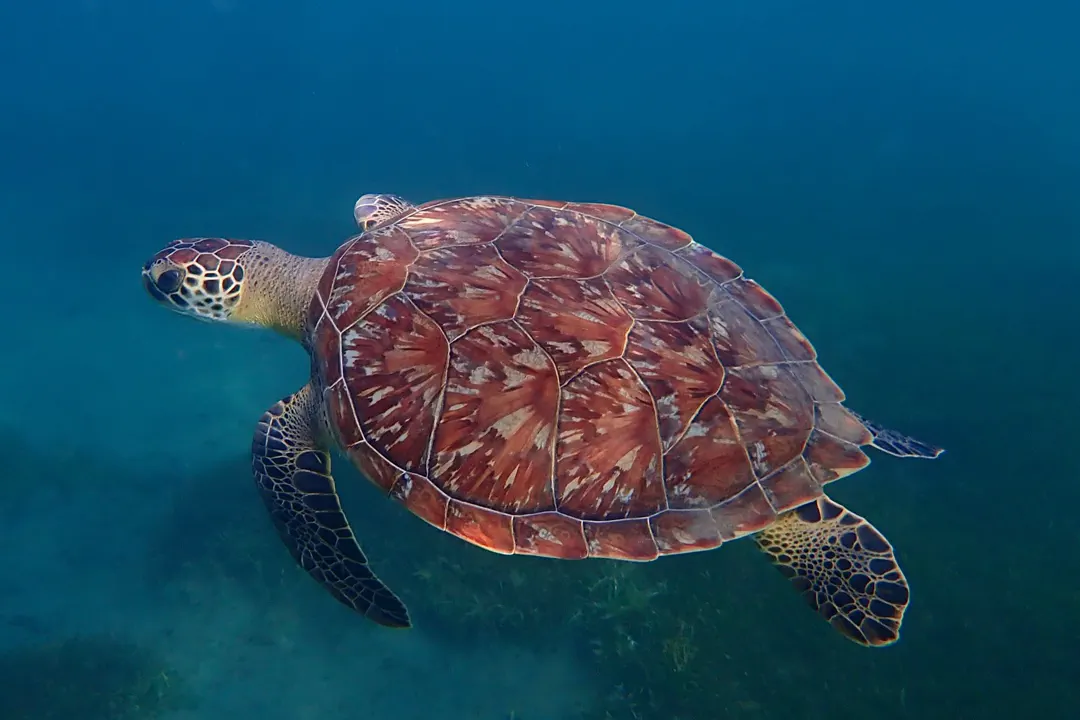
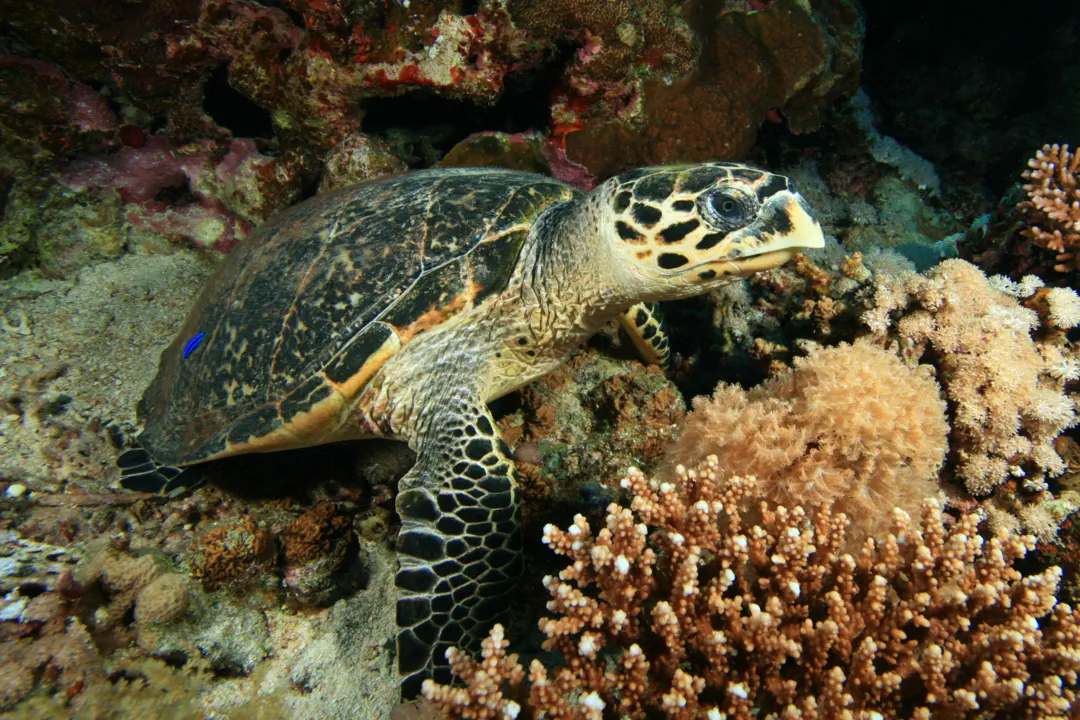
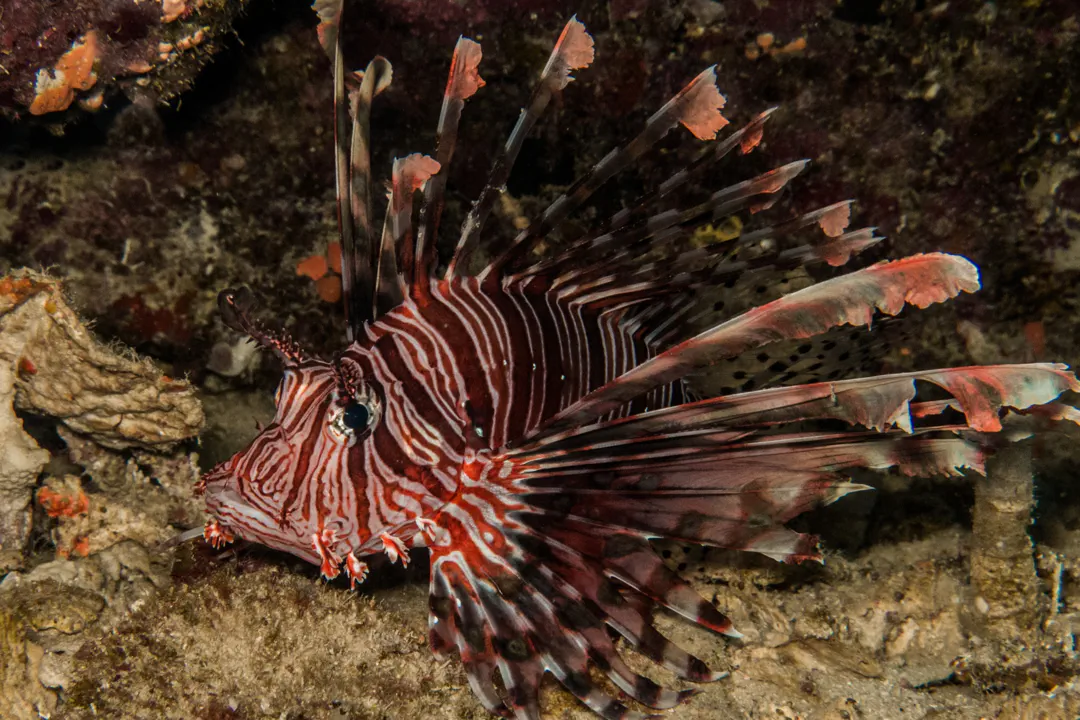
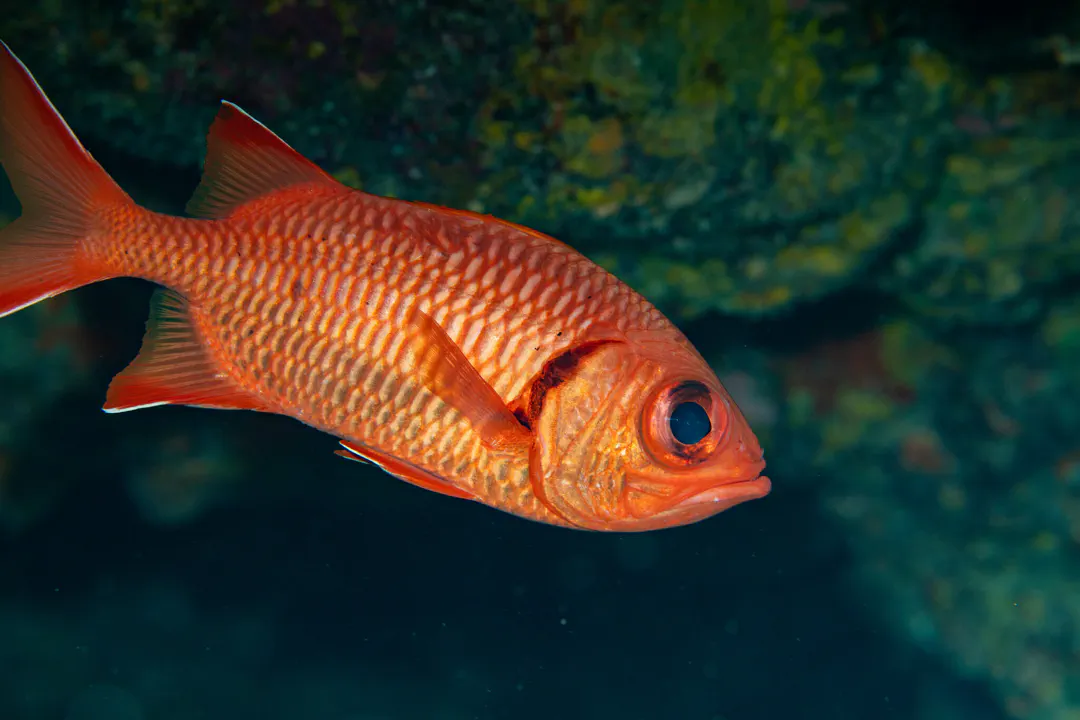
Green sea turtles and hawksbill turtles regularly gather near the cavern mouth, resting on rocky ledges between surface visits for air. Inside the sunlit entrance zone, red lionfish hover upside down against the rock ceiling while schools of blotcheye soldierfish and dusky sweepers retreat into dark crevices.
The inner cave passages contain deep silt and total darkness, making penetration extremely hazardous. Open-water divers must remain outside the cavern threshold, as full cave diving certification, redundant gas supplies, and continuous guidelines are required to enter safely.
Depth: 18-30 m. Access: boat, 20 minutes from Mabul Island. Level: Advanced Open Water (Cavern entry requires Cave Certification). Best months: April-December.
 © seabook.appAll rights reserved
 © João D'AndrettaCC BY 4.0 · iNaturalist
 © cello caruso-turielloCC BY 4.0 · iNaturalist
Drop Off: dramatic vertical wall sheer drop
Stepping into the water just meters off Sipadan's shore brings you to a shallow sand flat that ends abruptly at the Drop Off. Here, the reef floor fractures and falls straight down into 600 meters of open sea, creating one of the most abrupt wall drops in Southeast Asia.
Whitetip reef sharks cruise along the vertical face at 15 meters, while double-lined mackerels flash through the open water column just off the wall. Green sea turtles and hawksbill turtles sleep in tiny ledges cut directly into the sheer rock wall face.
Because the drop below extends far past recreational limits, careful gauge monitoring is vital throughout the entire dive profile. Divers drift alongside the vertical wall, using surface marker buoys during safety stops to signal pick-up boats waiting in open water.
Depth: 3-30 m. Access: shore or boat, 20 minutes from Mabul Island. Level: Open Water. Best months: April-December.
South Point: pelagic hunting grounds and hammerheads
South Point occupies the southern tip of the island, where a deep underwater ridge extends out into the Celebes Sea. Strong, nutrient-rich oceanic currents strike this exposed headland, attracting large open-ocean predators up from the abyssal depths.
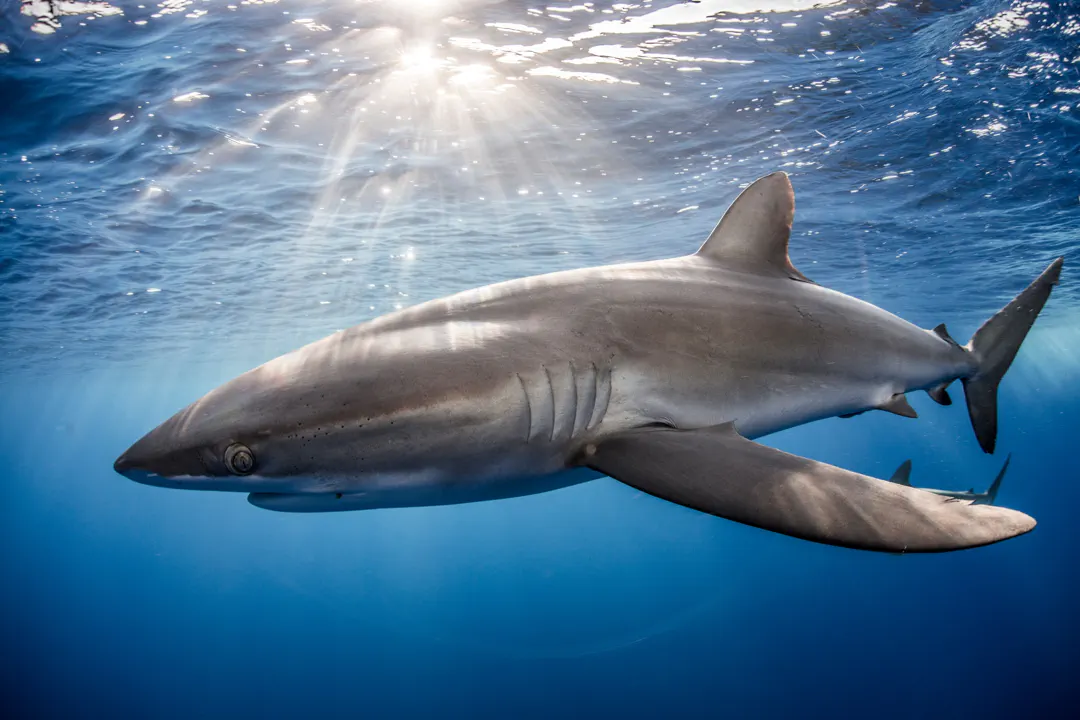
Early morning dives at 30 to 40 meters offer opportunities to see scalloped hammerheads and pelagic thresher sharks emerging from the deep blue. Schooling bumphead parrotfish sweep across the shallower reef top, while spotted eagle rays and silky sharks ride the thermocline currents along the edge.
Currents at South Point can shift into strong downwellings or push divers away from the reef wall into blue water. Conservative gas management and strict adherence to depth limits are essential when looking for large pelagics at this site.
Depth: 10-40 m. Access: boat, 25 minutes from Mabul Island. Level: Advanced Open Water. Best months: April-December.
 © seabook.appAll rights reserved
 © Jenvit SeriburiAll rights reserved
 © seabook.appAll rights reserved
Hanging Gardens: overgrown wall covered in soft corals
Hanging Gardens features a multi-tiered vertical wall covered in colorful soft corals, large barrel sponges, and sea whips. The terraced rock ledges overhang one another like garden balconies, creating sheltered micro-habitats out of the main current flow.
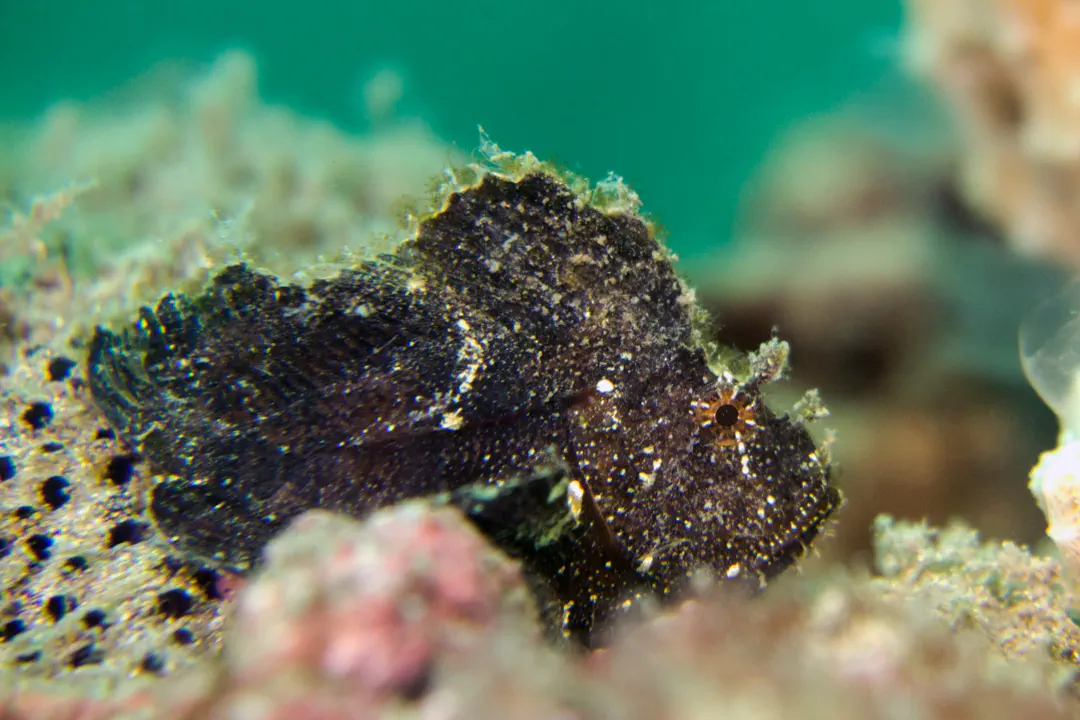
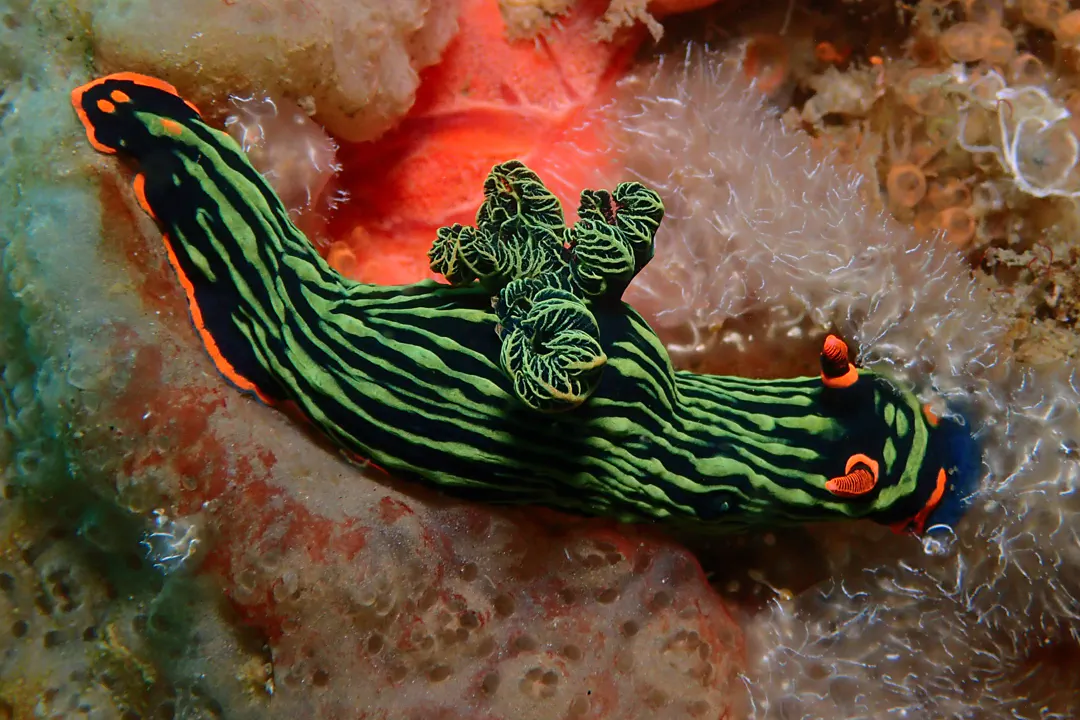
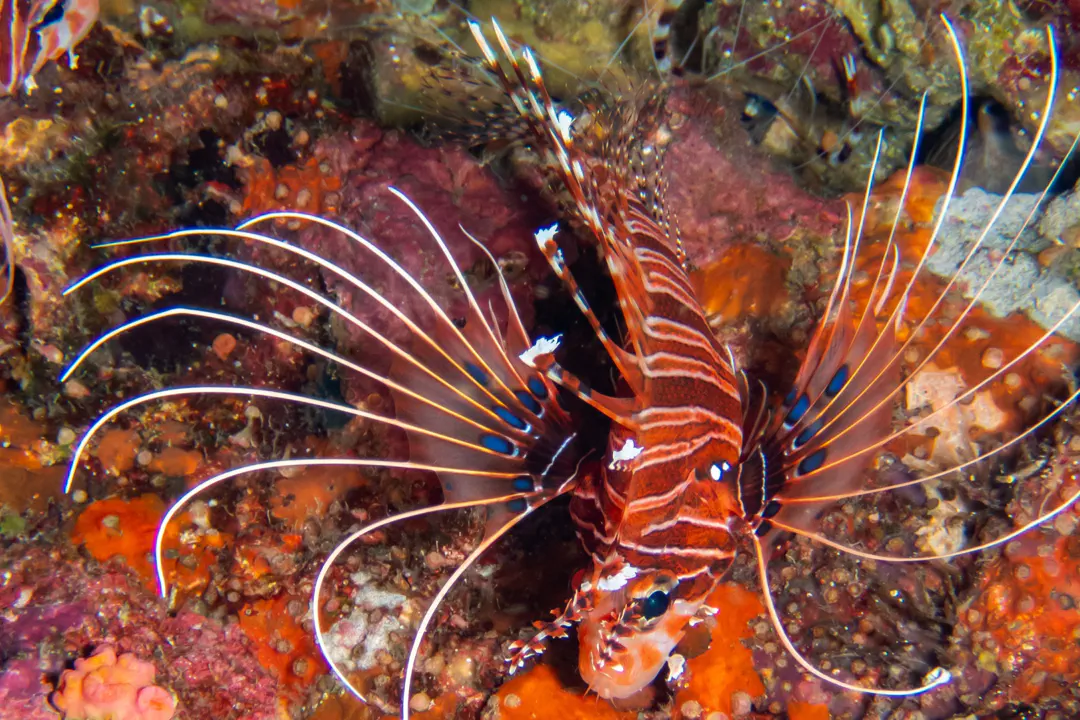
Hawksbill turtles wedge themselves into sponge-lined alcoves to sleep, while delicate macro life hides among the coral branches. Leaf scorpionfish rock back and forth in the surge, spotfin lionfish hover under overhangs, and variable neon nudibranchs crawl over encrusted rock faces.
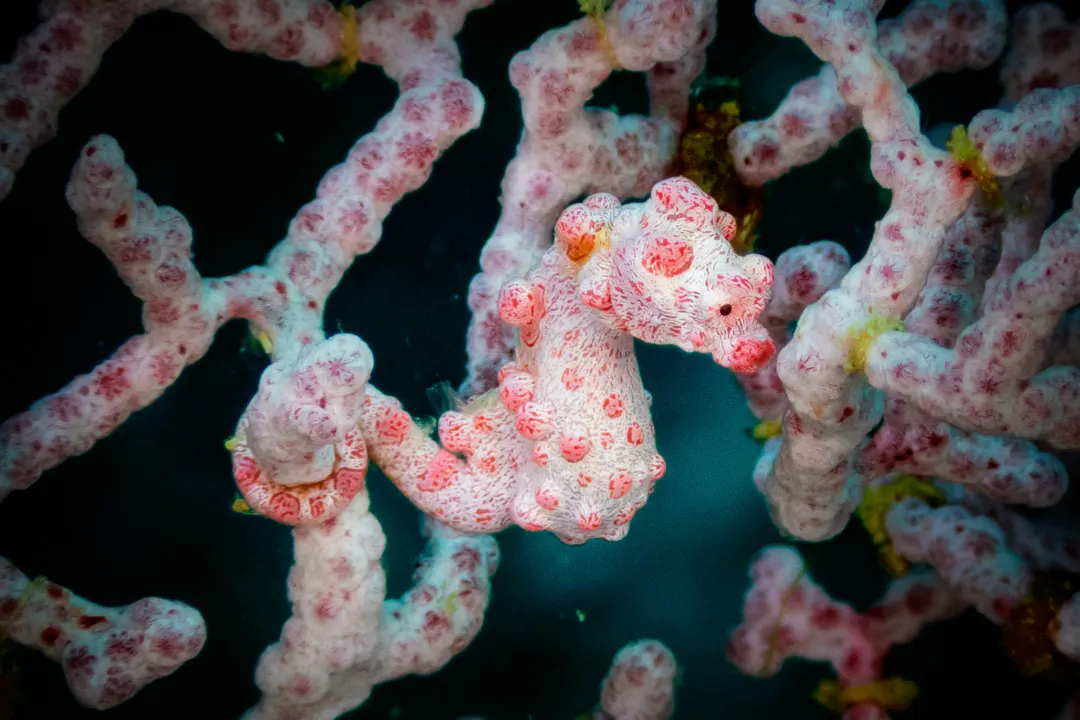
Photographers scanning the gorgonian sea fans past 20 meters depth can occasionally spot tiny Bargibant's pygmy seahorses wrapped around coral branches. Strict buoyancy control is required to navigate close to the wall without damaging delicate coral growth.
Depth: 5-30 m. Access: boat, 20 minutes from Mabul Island. Level: Open Water. Best months: April-December.
 © Pierre PericardCC BY 4.0 · iNaturalist
 © Ewout KnoesterCC BY-SA 4.0 · iNaturalist
 © Dan SchofieldCC BY 4.0
 © portioidCC BY 4.0 · iNaturalist
Mid Reef: drift diving over pristine coral gardens
Running along the eastern side of the island, Mid Reef consists of a wide coral slope that transitions into a vertical drop at deeper levels. The shallow slope is blanketed in hard corals, offering a calm environment for grazing green sea turtles.
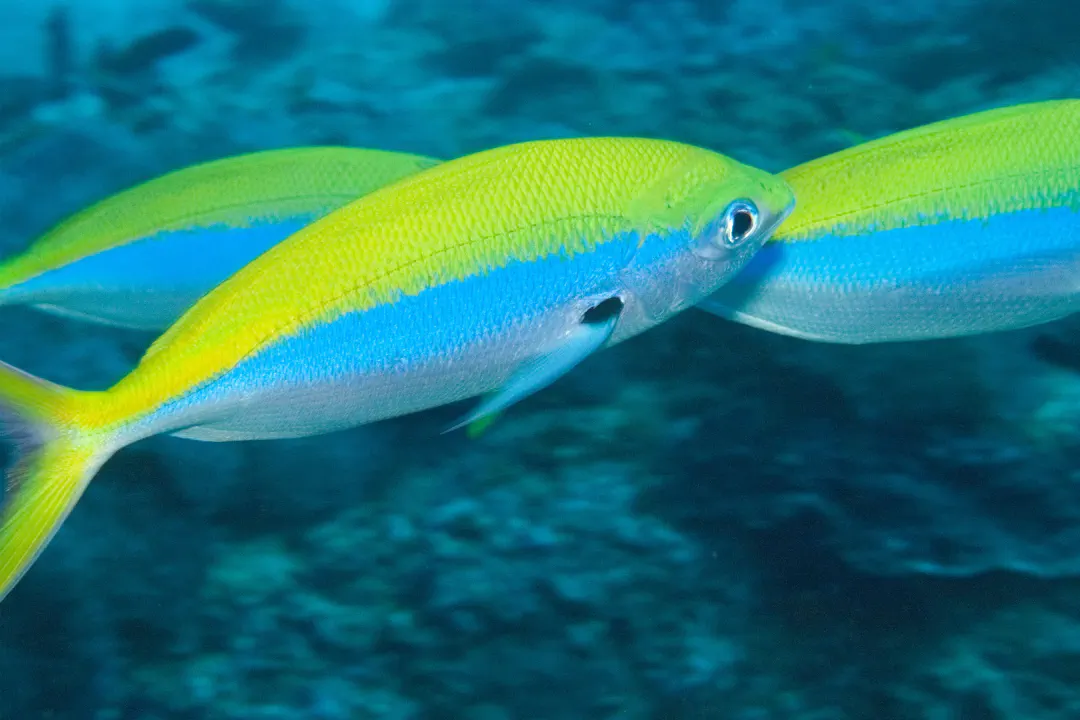
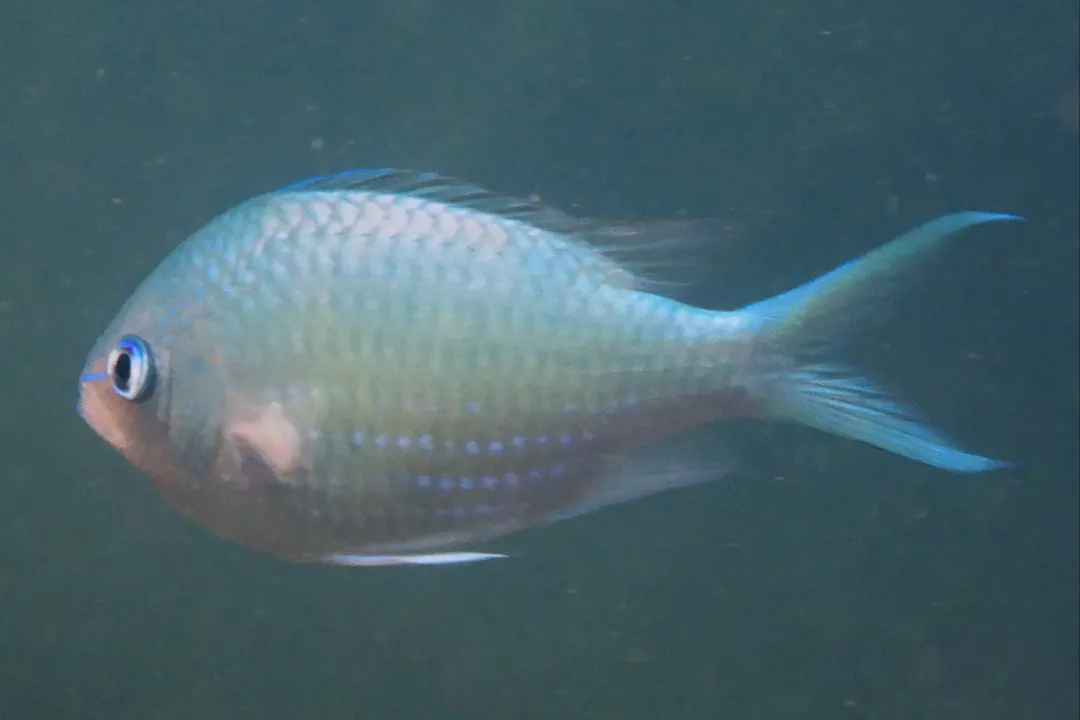
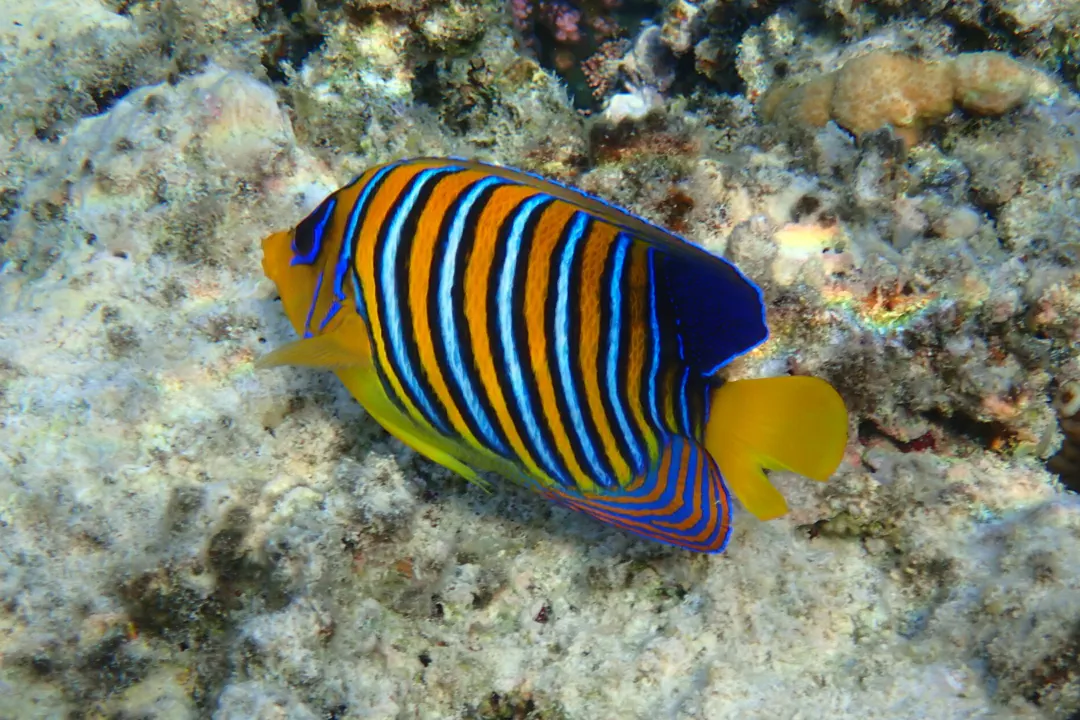
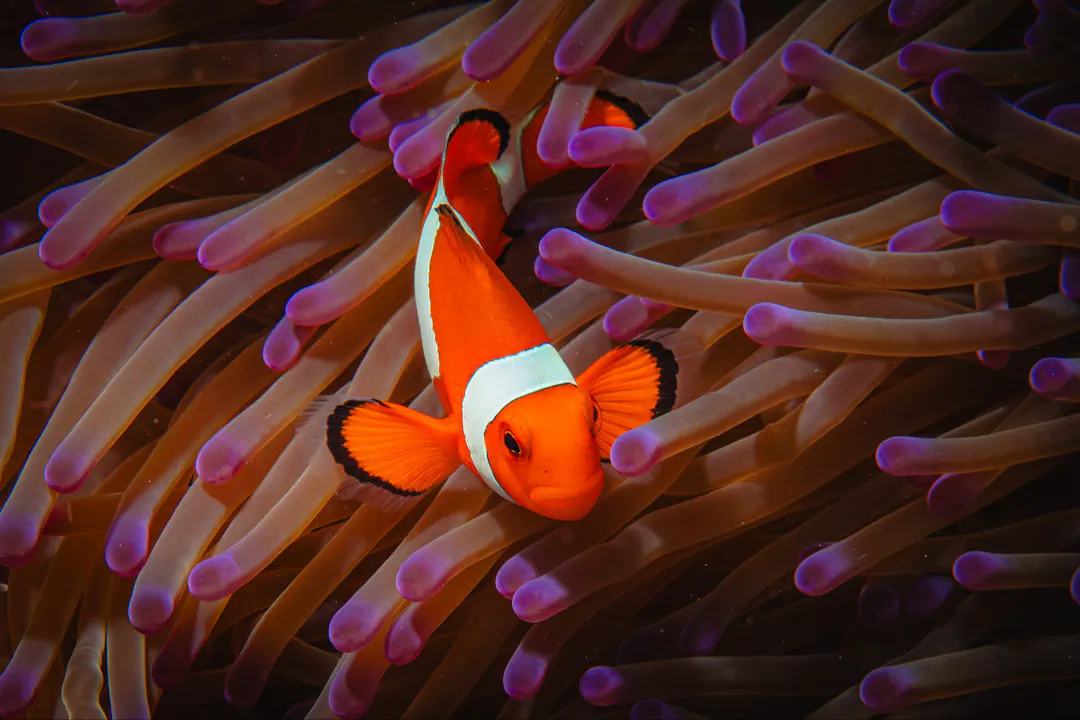
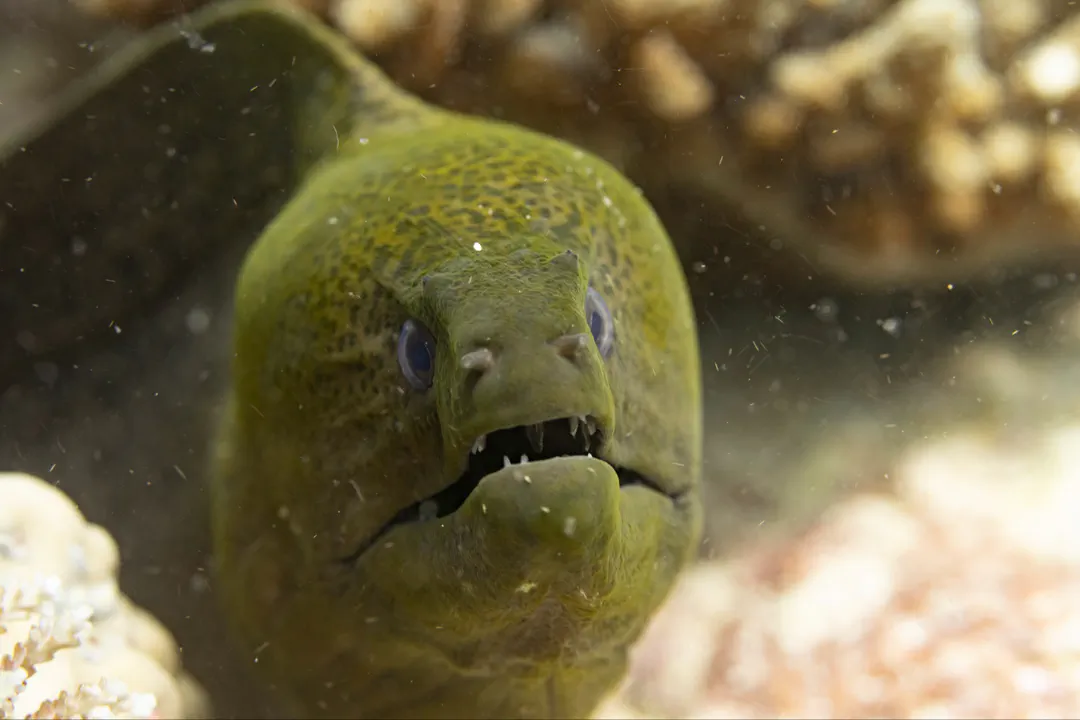
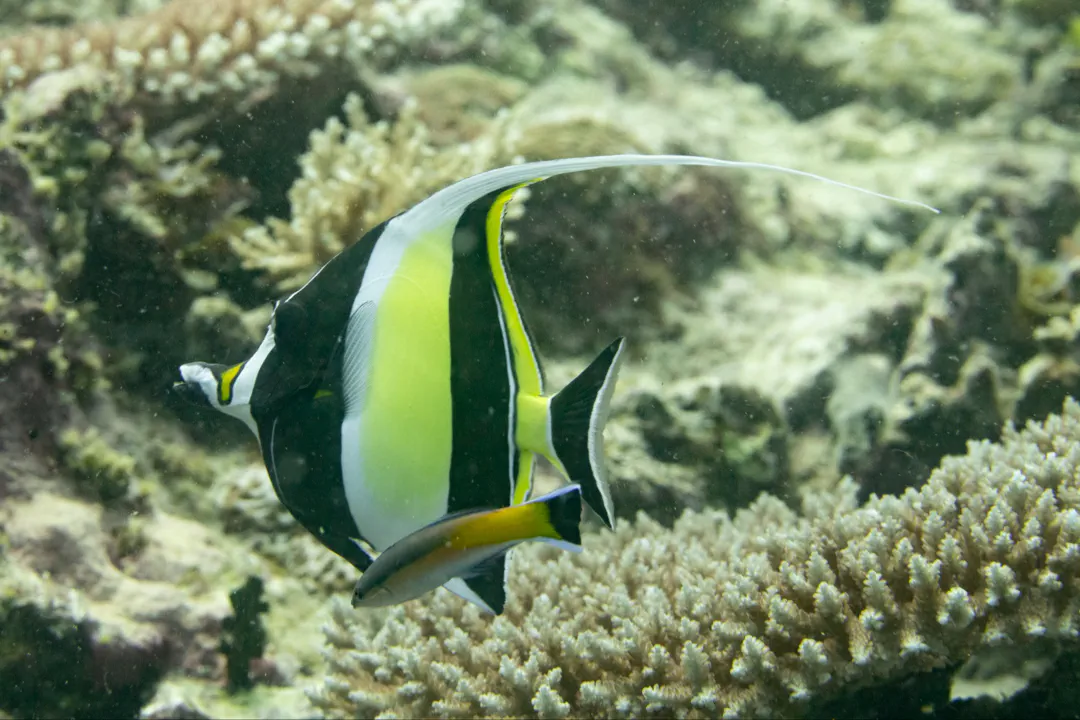
Yellowback fusiliers drift through the water column in tight formations, darting away when giant morays move across the seabed. Clouds of blue-green chromis hide inside branching hard corals, while regal angelfish and clown anemonefish occupy territorial patches along the reef slope.
This site provides a gentle drift profile ideal for relaxing afternoon dives or safety stops. The shallower reef top lets divers track grazing turtles and schooling reef fish in light, clear water.
Depth: 5-25 m. Access: boat, 20 minutes from Mabul Island. Level: Open Water. Best months: April-December.
 © Georgina JonesCC BY-SA 4.0 · iNaturalist
 © Ewout KnoesterCC BY-SA 4.0 · iNaturalist
 Andrew DeaconCC0 · iNaturalist
 © Olka KuryanAll rights reserved
Marine Life in Sipadan
Sipadan supports an exceptional concentrations of open-ocean and reef species due to its isolated location in the Celebes Sea. Green sea turtles and hawksbill turtles are present in such high numbers that divers routinely encounter dozens on a single dive. Large herbivores like bumphead parrotfish move across shallow hard corals in herds, chewing algae and limestone.
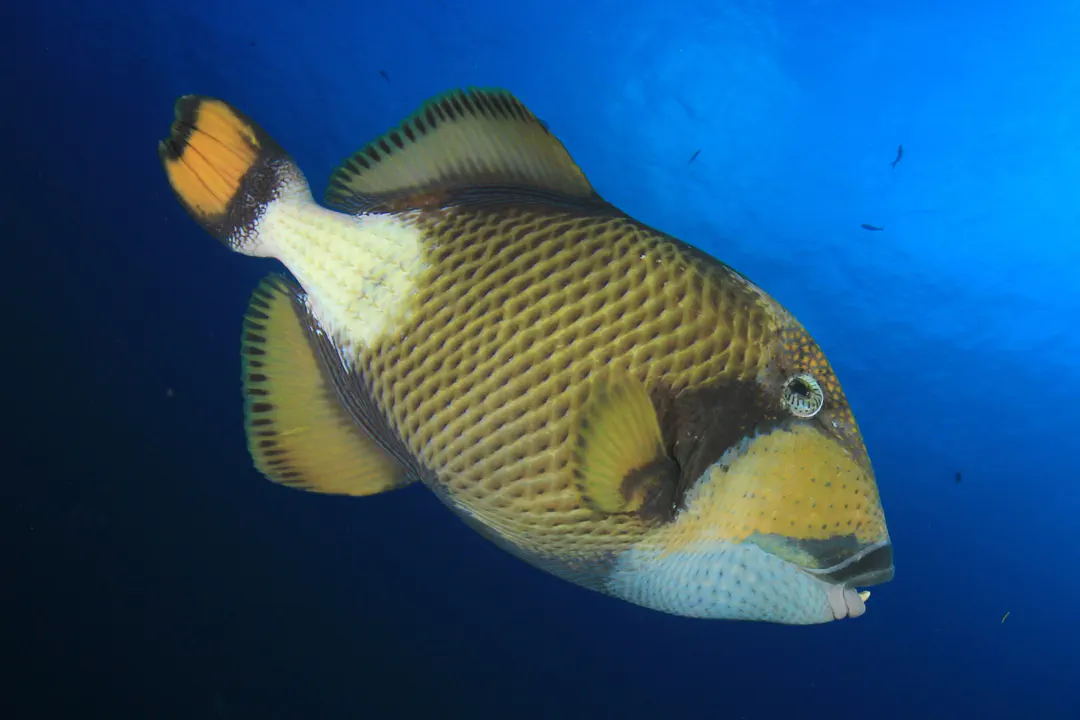
Predatory species dominate the drop-offs, ledges, and open water edges. Whitetip reef sharks and grey reef sharks are seen on almost every dive along the wall face, while giant morays and titan triggerfish occupy territory along the reef slopes. Using the Seabook app between dives helps you quickly identify local reef fish species and log your wall encounters.
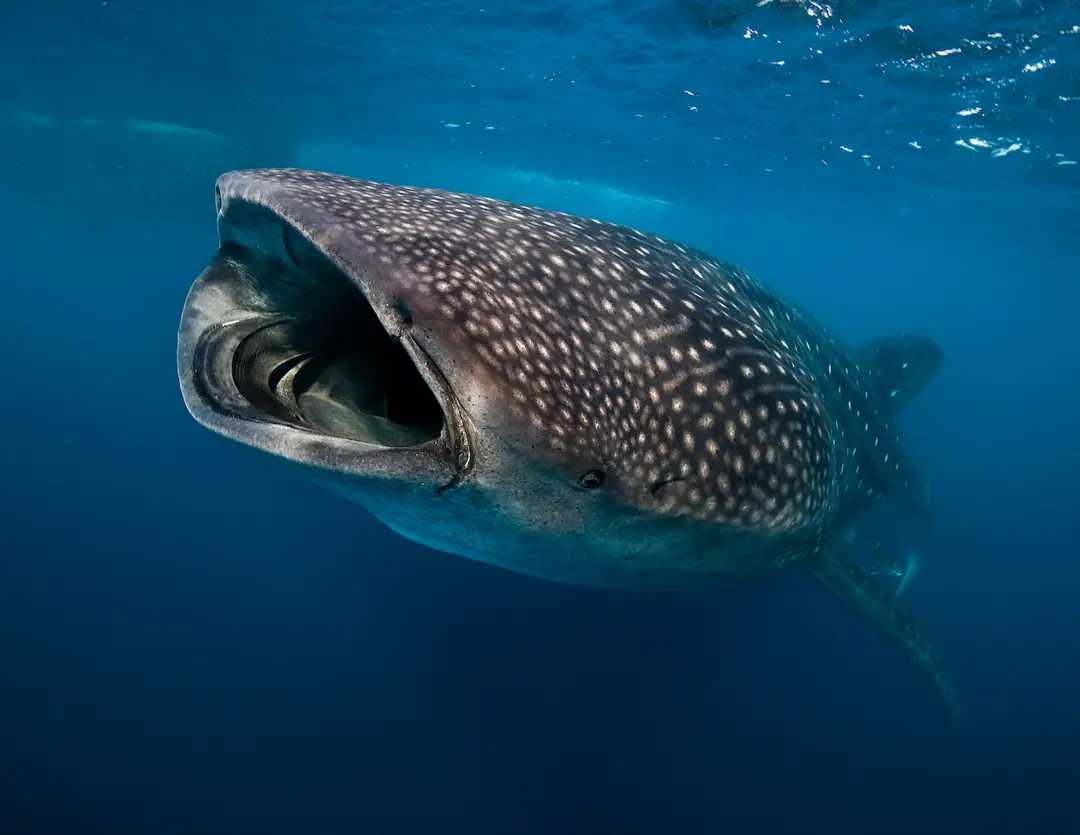
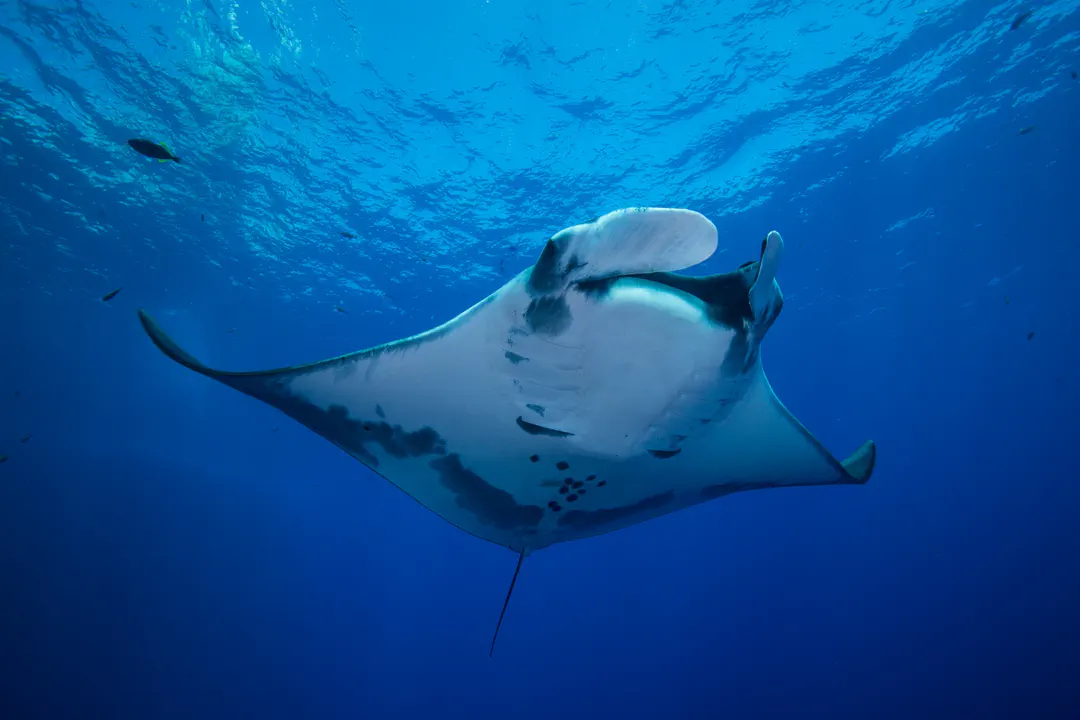
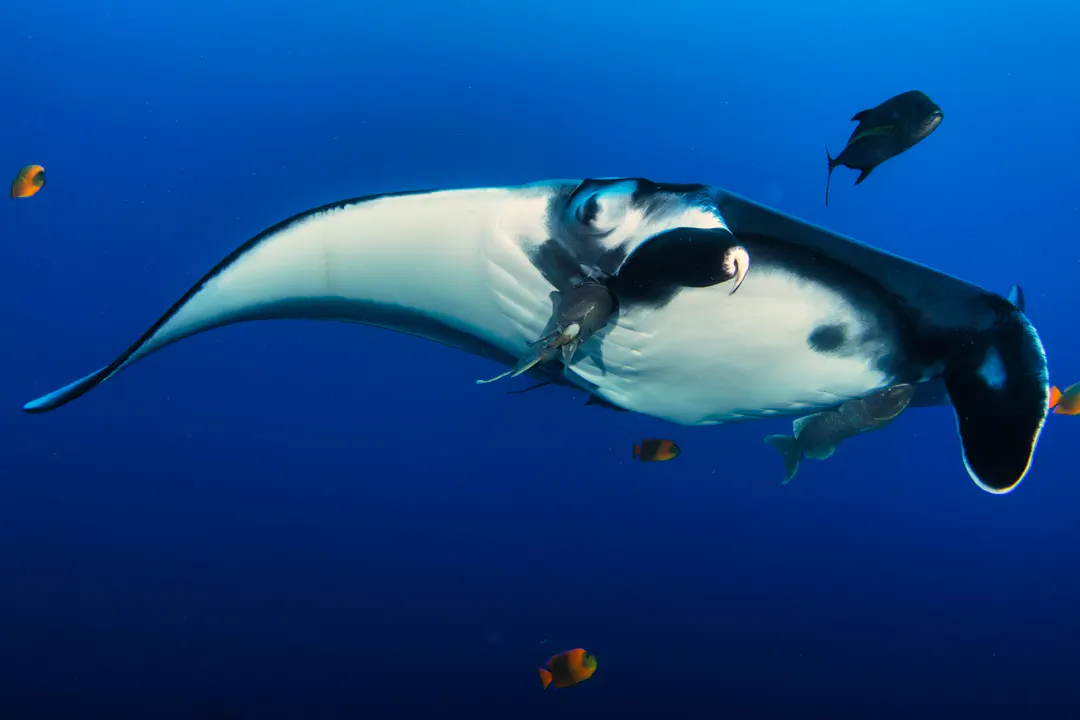
Occasional pelagic visitors cross the deep waters surrounding the island. Whale sharks, reef manta rays, and oceanic manta rays pass by during plankton blooms, while day octopuses and giant clams inhabit the shallow coral flats near the beach entry zones.
 © seabook.appAll rights reserved
 © seabook.appAll rights reserved
 © seabook.appAll rights reserved
 © cello caruso-turielloCC BY 4.0 · iNaturalist
 © seabook.appAll rights reserved
 © cello caruso-turielloCC BY 4.0 · iNaturalist
Is Sipadan Good for Beginners and Snorkellers?
Sipadan is best suited for intermediate and advanced divers who are comfortable in deep water and strong currents. While novice divers can dive the sheltered shallow reef flats, unpredictable currents and sheer drop-offs dropping to 600 meters require solid buoyancy control and gas management skills.
Most dive operators on nearby Mabul and Kapalai require divers to hold an Advanced Open Water certification or have logged a minimum number of ocean drift dives. First-time divers should complete their open water course on the shallow sand flats of Mabul before attempting dives at Sipadan.
Snorkellers can enjoy the shallow reef flats near Drop Off and Mid Reef, where green sea turtles, clownfish, and reef fish feed in 2 to 5 meters of water. However, snorkellers must stay close to safety guides due to strong surface currents that can sweep swimmers out past the wall drop-off.
Getting There and Practical Tips
To reach Sipadan, fly into Tawau Airport in Sabah, Malaysia. From Tawau, take a 90-minute overland van transfer to the port town of Semporna. From Semporna harbor, fast boats transport guests out to dive resorts located on Mabul Island or Kapalai Resort, which take 45 to 60 minutes.
Because overnight stays on Sipadan island were banned to protect the ecosystem, all divers stay on neighboring islands and visit Sipadan on daily boat trips. Access is controlled by Sabah Parks through a strict daily permit quota distributed among licensed resorts.
Permit availability is limited, so you should book a multi-day dive package at least 3 to 6 months in advance. Ensure your resort explicitly guarantees Sipadan permit days in writing within your package before making final payments.
Questions
Are there sharks in Sipadan?
Yes. Whitetip reef sharks and grey reef sharks are seen on almost every dive along Sipadan's wall faces and points. Scalloped hammerheads, pelagic thresher sharks, and silky sharks are also encountered in deeper water off South Point.
Is it dangerous to swim in Sipadan?
Diving and swimming at Sipadan are safe when following guide instructions, but strong currents and vertical drop-offs dropping to 600 meters present real hazards. Swimmers and divers must monitor depth carefully, remain with their group, and deploy surface marker buoys when ascending.
What fish can you see in Sipadan?
Divers regularly see massive schools of chevron barracudas, bigeye trevally, bumphead parrotfish, yellowback fusiliers, and giant morays. Larger species such as spotted eagle rays, whale sharks, and manta rays also pass through the open water.
Can you see turtles in Sipadan?
Yes, Sipadan hosts one of the largest sea turtle populations in the world. It is common to spot dozens of green sea turtles and hawksbill turtles resting on ledges or surfacing for air during a single dive.
How warm is the water in Sipadan in August?
Water temperatures in August average between 28°C and 29°C. A 3mm full wetsuit provides ideal thermal exposure protection for repetitive dive schedules during this month.
How deep is diving in Sipadan?
Recreational dives at Sipadan generally range between 10 and 30 meters depth along vertical reef walls. The geological walls continue straight down past 600 meters into the seabed of the Celebes Sea.
How do you get a Sipadan dive permit?
Sabah Parks issues daily permits allocated through licensed dive resorts on Mabul and Kapalai islands. To secure a permit, book a multi-day stay package with an approved resort well in advance of your trip.
Can beginners dive at Sipadan?
Beginners can dive sheltered sites like Mid Reef in calm conditions, but Sipadan is primarily recommended for Advanced Open Water divers. Strong currents, deep wall drops, and drift profiles require reliable buoyancy control.