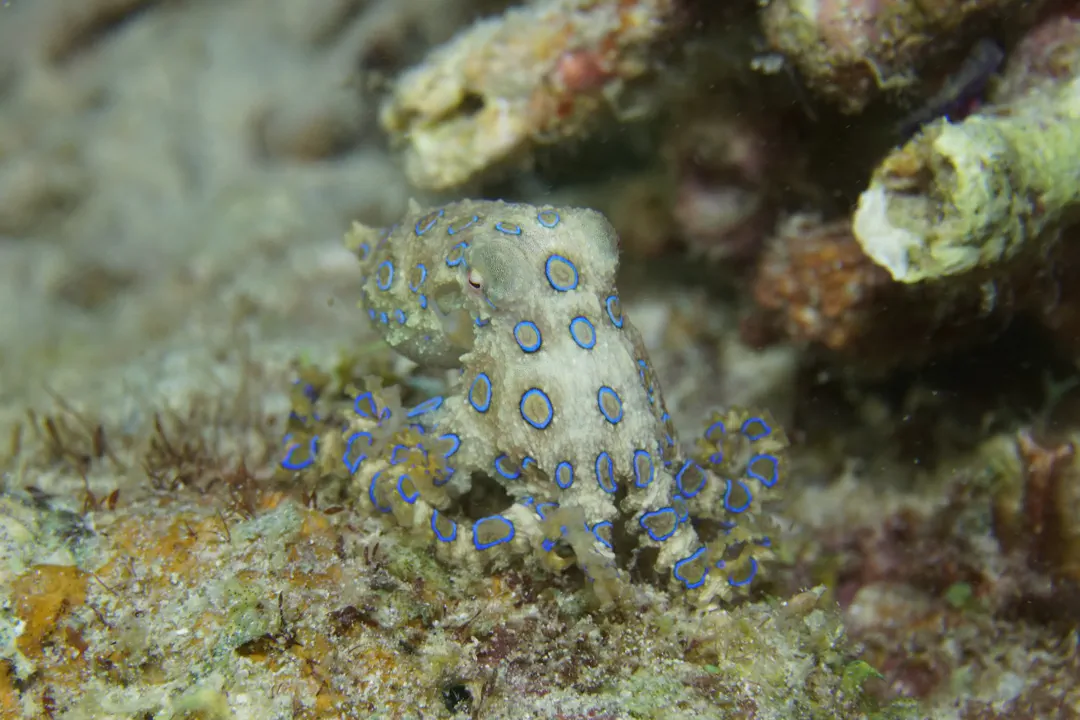
At a depth of nine metres on the dark slope of Secret Bay, a tiny blue-ringed octopus emerges from a cracked sea urchin shell. Sunlight filters through green-tinted water as the cephalopod shifts across black volcanic sand, pulsing electric violet rings across its skin when a camera light catches its eye. Its soft arms curl against the fine sediment while hunting for tiny crabs in the silt.
Diving in Anilao brings underwater naturalists into the heart of the Verde Island Passage in Mabini, Batangas. The main diving season spans from November through May, when northeast winds subside and offer calm surface conditions. Water temperatures range between 24°C in January and 29°C in May, while water visibility shifts from 5 metres on shallow silt slopes to 20 metres along outer reefs.
Key dive sites include Secret Bay, Twin Rocks, Cathedral Rock, Basura, Kirby's Rock, and Beatrice Rock. Divers encounter blue-ringed octopuses, sargassum frogfish, giant clams, and over 600 recorded species of sea slugs. The destination caters to Open Water trainees in shallow bays, macro photographers along muck slopes, and experienced divers navigating deep currents.
What Is Diving in Anilao Like?
Anilao sits on the Calumpan Peninsula, where steep volcanic hills drop directly into the Verde Island Passage. The underwater topography shifts within a few metres from shallow black sand slopes to drop-offs lined with sea fans. Dark volcanic silt absorbs ambient light, forcing divers to hunt for cryptic animals using focused underwater beams.
Sheltered coves offer calm entry points where sand, volcanic rubble, and seagrass patches interlock to form nursery grounds. Broad sea anemones cling to buried rocks while juvenile fish take shelter under discarded bamboo and coconut husks. Between 3 and 18 metres, tiny predators hide in plain sight against grey-brown sediment.
Beyond the muck slopes, submerged ridges and offshore pinnacles intercept tidal currents rushing through the passage. Deep coral walls drop to 30 metres and beyond, where gorgonian sea fans intercept plankton-laden seawater. This contrast allows divers to photograph cryptic nudibranchs on a morning dive and drift past schools of jacks in the afternoon.
Best Time to Dive in Anilao
The primary diving window opens in November and lasts through May, coinciding with the dry northeast monsoon season. Sea conditions stabilize during these months, allowing small banca boats to reach exposed pinnacles along the southern tip of the peninsula. Rain stays minimal, which prevents muddy land runoff from clouding coastal bays.
April and May bring the calmest seas and highest surface temperatures of the year. Plankton blooms during early spring nourish filter-feeding invertebrates, triggering active feeding displays among nudibranchs and tunicates. Water visibility reaches its annual maximum of 20 metres during this late-dry-season stretch.
The southwest monsoon brings heavier rainfall and rough seas from June through October. While tropical storms can pause boat departures for days, sheltered muck sites along the inner bay remain accessible on quiet days. Macro life remains active year-round, so photographers visiting in the off-season still encounter frogfish and blue-ringed octopuses.
Anilao Water Temperature by Month
Water temperature
Anilao, Philippines, monthly average
Reference point used: Anilao, Mabini, Batangas (southern Luzon, dive area in Batangas Bay/near Balayan Bay); values reflect typical monthly sea-surface temperatures for coastal waters around the dive sites, usually in the upper 20s °C.
Thermal conditions in the Verde Island Passage vary systematically throughout the year. Seawater cools to 24°C between December and February when northern monsoonal winds push cooler oceanic water into the bays. By April and May, surface layers warm to 29°C across shallow reef flats.
Distinct thermoclines form during the winter months, dropping temperatures by two to three degrees Celsius below 15 metres. Divers descending past the reef crest experience sudden shifts from warm surface layers to chilling deep currents. These thermal layers persist until seasonal solar heating warms the upper water column in late spring.
A 3mm full exposure suit provides adequate warmth during the warmer months from March to May. Divers planning 70-minute macro photographic dives or visiting during the cooler winter months benefit from a 5mm full wetsuit or a hooded vest. Full suits also shield skin from stinging hydroids and fire corals embedded in the rubble.
Best Dive Sites in Anilao
Secret Bay (Mainit): World-Class Muck and Critter Spot
Secret Bay features a sloping seabed of black volcanic sand mixed with dead coral fragments between 3 and 18 metres. Water movement stays gentle within the bay, allowing silt to settle and creating dark hunting grounds for bottom-dwelling cephalopods. Divers move slowly across the slope, using low-intensity focus lights to locate camouflaged animals without scuttling the sediment.
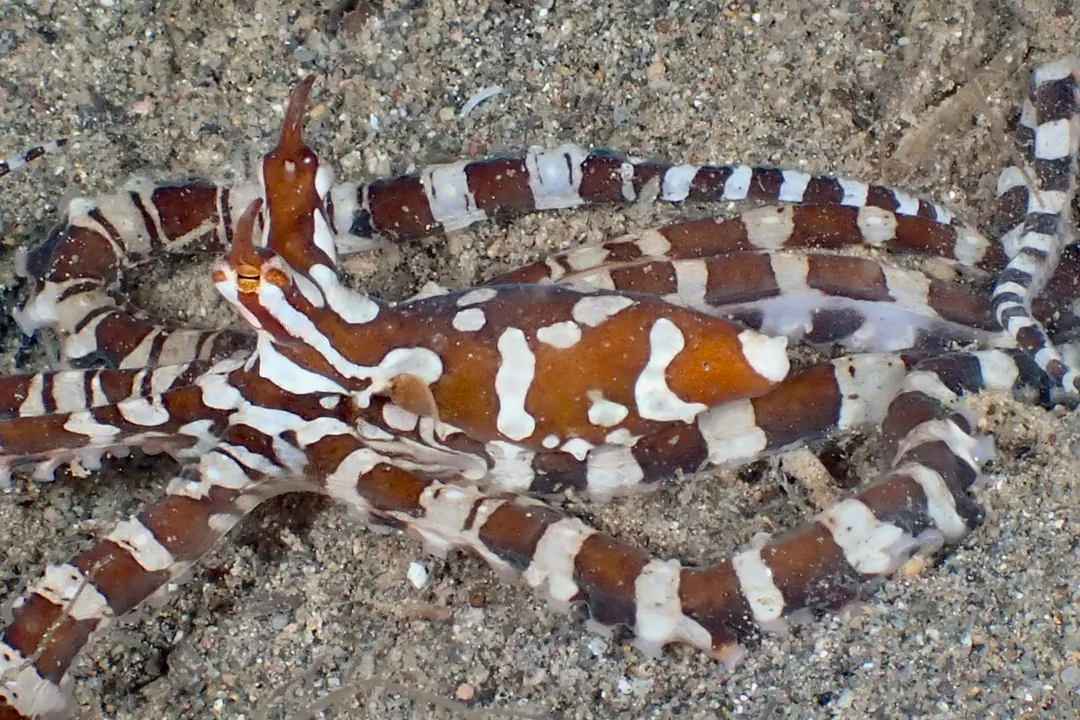
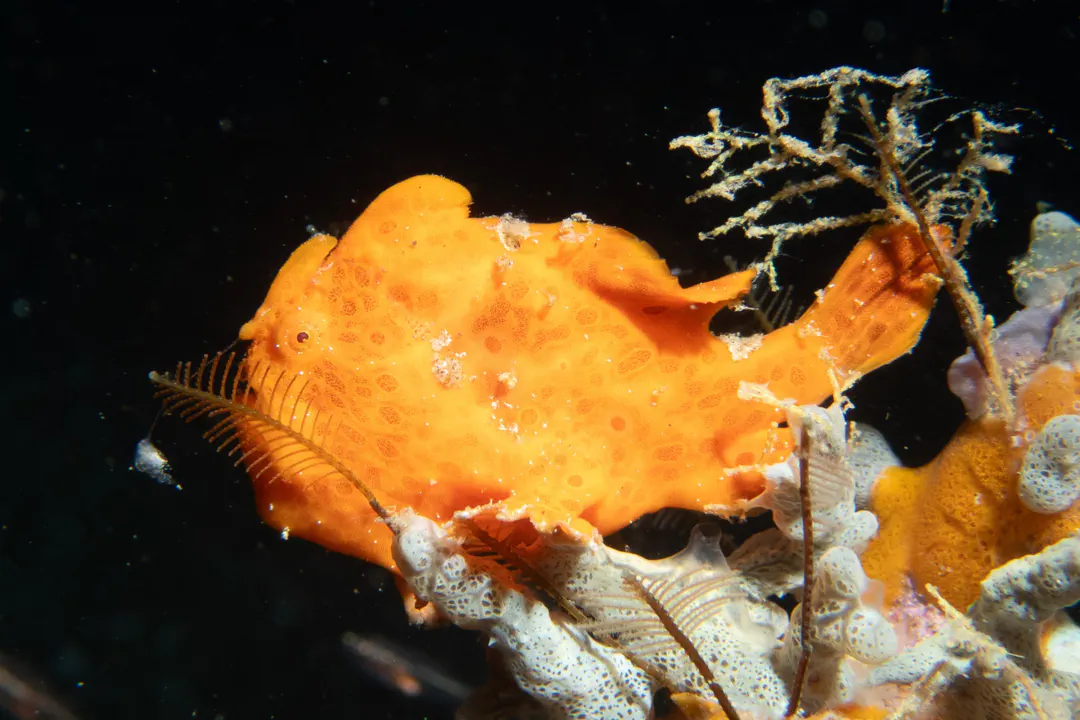
The site is famous for sightings of the blue-ringed octopus (Hapalochlaena lunulata) and the wonderpus (Wunderpus photogenicus). Flamboyant cuttlefish crawl over broken shells, while painted frogfish (Antennarius pictus) sit immobile beside grey sponges. Green solar-powered nudibranchs (Melibe viridis) expand their gelatinous oral hoods across the sand to capture tiny crustaceans.
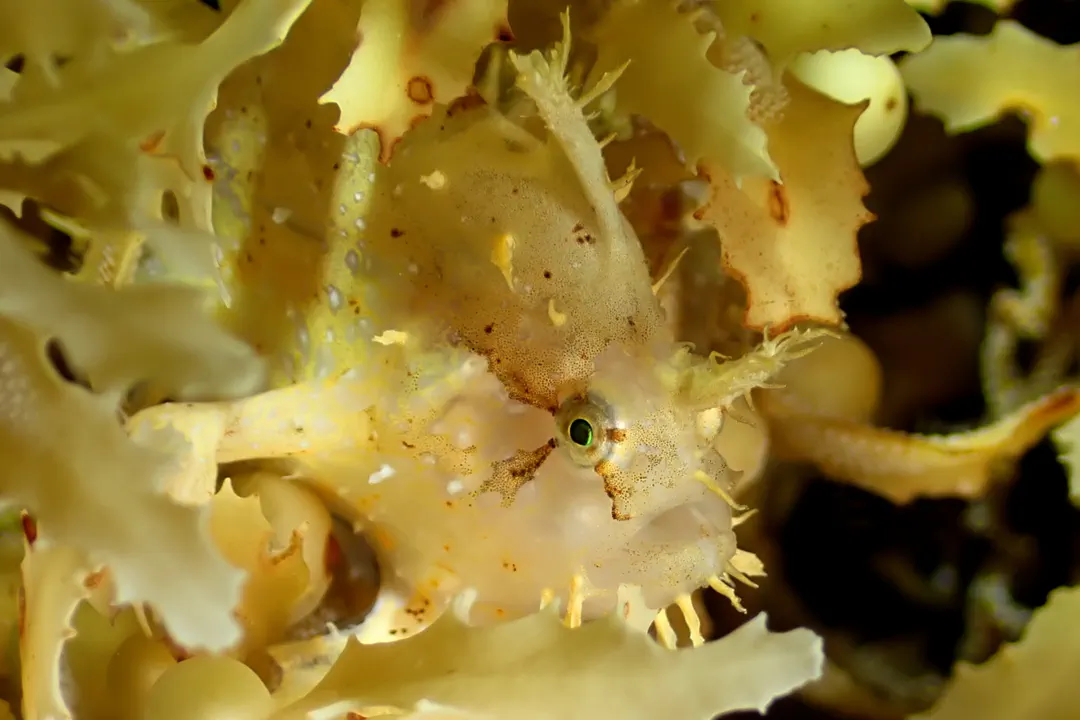
Night dives on Secret Bay reveal nocturnal hunters active across the exposed sand flats. Banded pipefish (Doryrhamphus dactyliophorus) glide around low rocks while sargassum frogfish (Histrio histrio) cling to drifting debris. Low-profile finning keeps visibility clear for trailing dive buddies.
Depth: 3-18 m. Access: boat, 10 minutes from resort docks. Level: Open Water. Best months: November-May.
 © Stas KuryanAll rights reserved
 Chris SpainCC0 · iNaturalist
 © Gregor BailarCC BY 4.0 · iNaturalist
 Justin PhilboisCC0 · iNaturalist
 © portioidCC BY 4.0 · iNaturalist
 Chris SpainCC0
Twin Rocks: Giant Clams and Schooling Jacks
Twin Rocks marine sanctuary features two large submerged rock pinnacles rising from an 18-metre sandy floor to within 5 metres of the surface. The seaward faces of both rocks catch tidal flow from the passage, supporting soft coral gardens and sea whips. Clear water around the tops allows sunlight to reach giant clam beds anchored on the limestone structure.
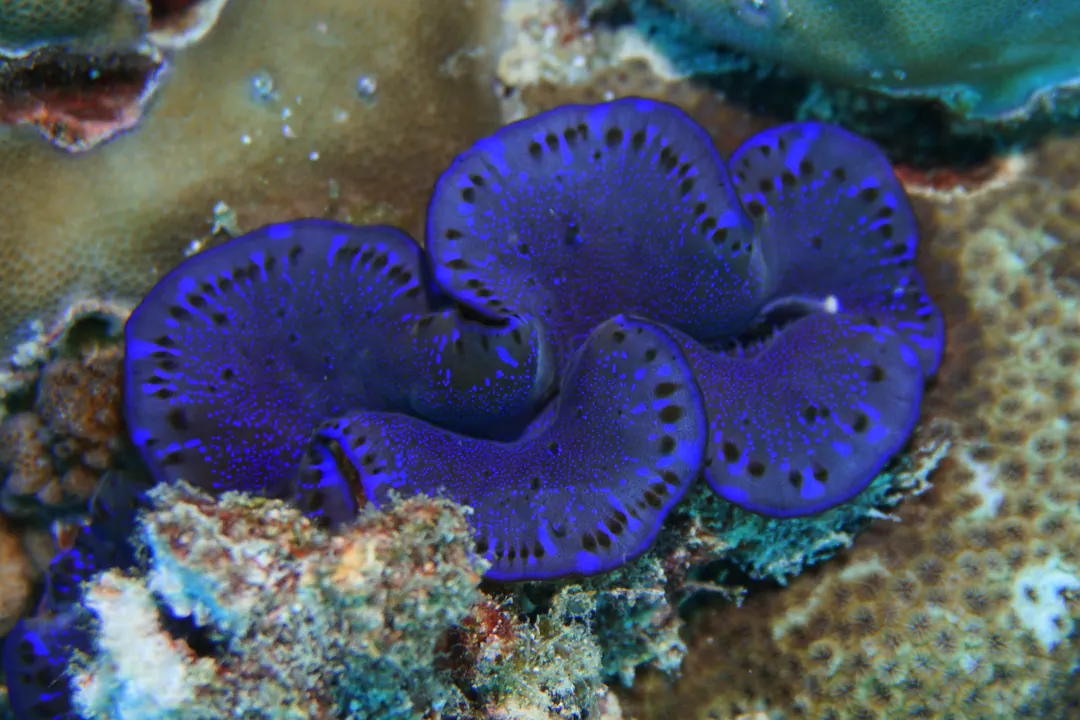
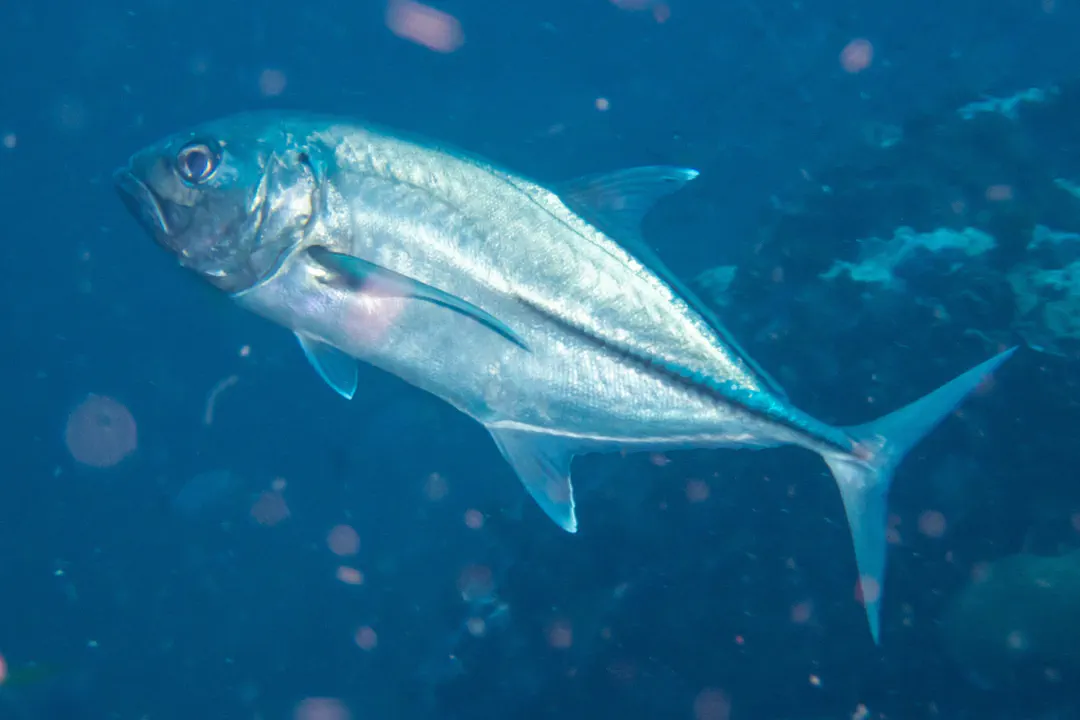
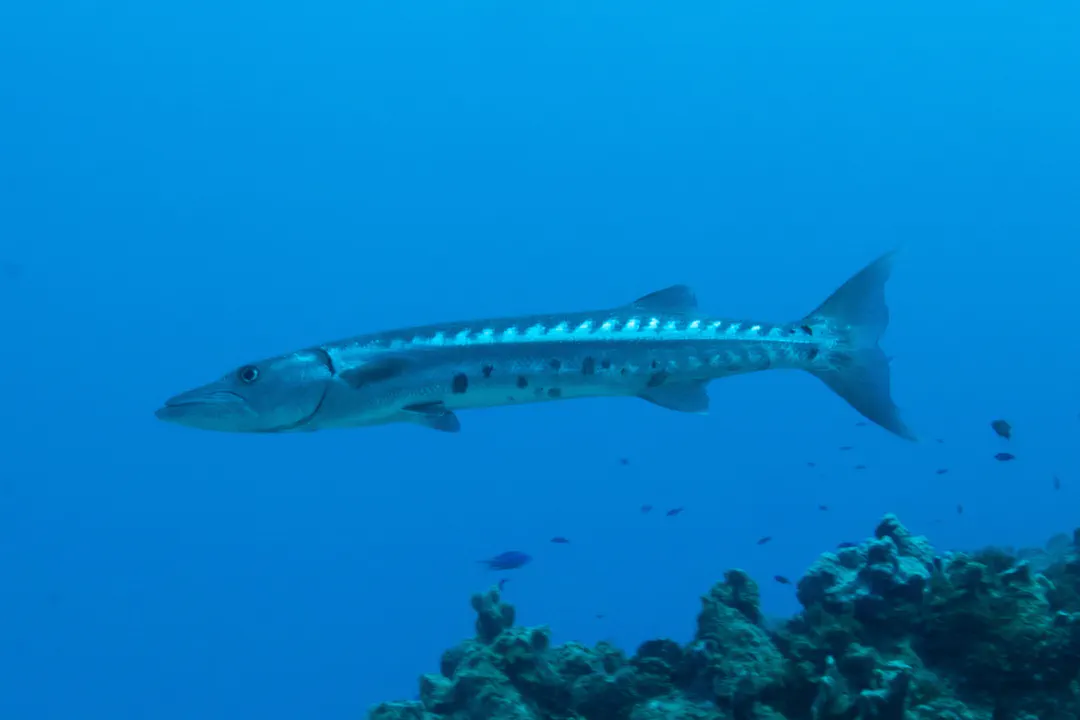
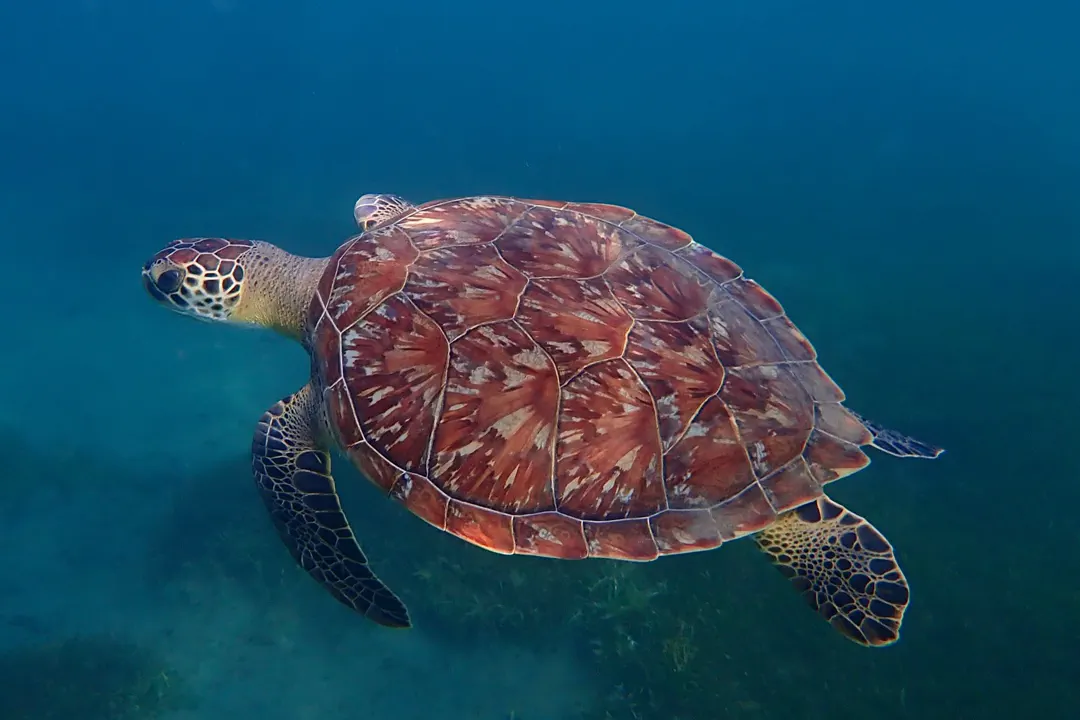
Giant clams (Tridacna gigas) display iridescent blue and green mantles along the upper rock edges. Bigeye jacks (Caranx sexfasciatus) form dense silver tornados above the pinnacles, while great barracuda (Sphyraena barracuda) patrol the open water nearby. Hawksbill and green sea turtles (Chelonia mydas) rest in undercut ledges along the rock base.
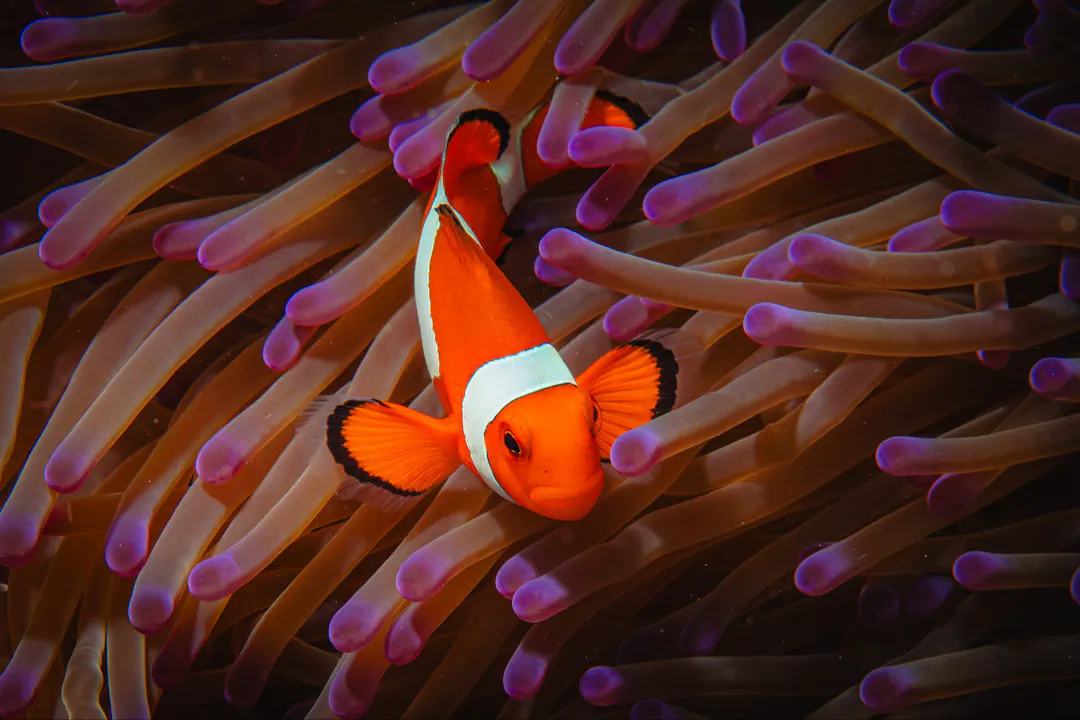
Anemonefish (Amphiprion ocellaris) defend their host anemones in shallow crevices, while red lionfish (Pterois volitans) hover near dark overhangs. Sanctuary protection since the early 1990s has allowed resident fish populations to grow dense and unperturbed by human presence.
Depth: 5-18 m. Access: shore or boat, 5 minutes from shore. Level: Open Water. Best months: November-May.
 © Stas KuryanAll rights reserved
 © portioidCC BY 4.0 · iNaturalist
 © Dan SchofieldCC BY 4.0 · iNaturalist
 © Matteo BellucciCC BY 4.0 · iNaturalist
 © Olka KuryanAll rights reserved
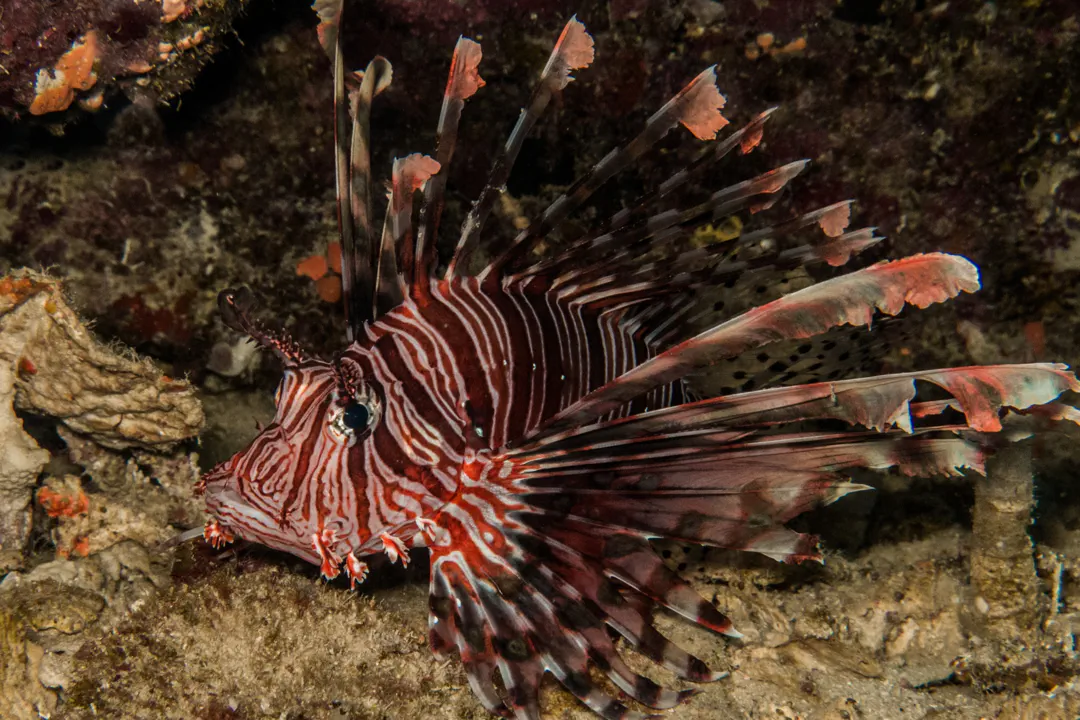 © João D'AndrettaCC BY 4.0 · iNaturalist
Cathedral Rock: Submerged Cross and Reef Fish Sanctuary
Cathedral Rock centres on two massive coral mounds at a depth of 12 metres, anchored by a concrete cross planted between the pinnacles. The cross stands covered in encrusting sponges and tunicates. Shallow waters around the structure receive ample sunlight, nourishing hard coral formations.
Hundreds of green chromis (Chromis viridis) swarm the branching corals around the cross, retreating into calcium branches when shadows pass overhead. Threadfin butterflyfish (Chaetodon auriga) and regal angelfish (Pygoplites diacanthus) pick at coral polyps along the rock walls. Peacock groupers (Cephalopholis argus) watch from dark crevices below the cross pedestal.
Starlight pufferfish (Arothron stellatus) rest on sandy patches at 15 metres, expanding their bodies when startled. The shallow profile makes Cathedral Rock ideal for second or third dives of the day, as well as underwater skills practice.
Depth: 6-18 m. Access: boat, 15 minutes from resort docks. Level: Open Water. Best months: November-May.
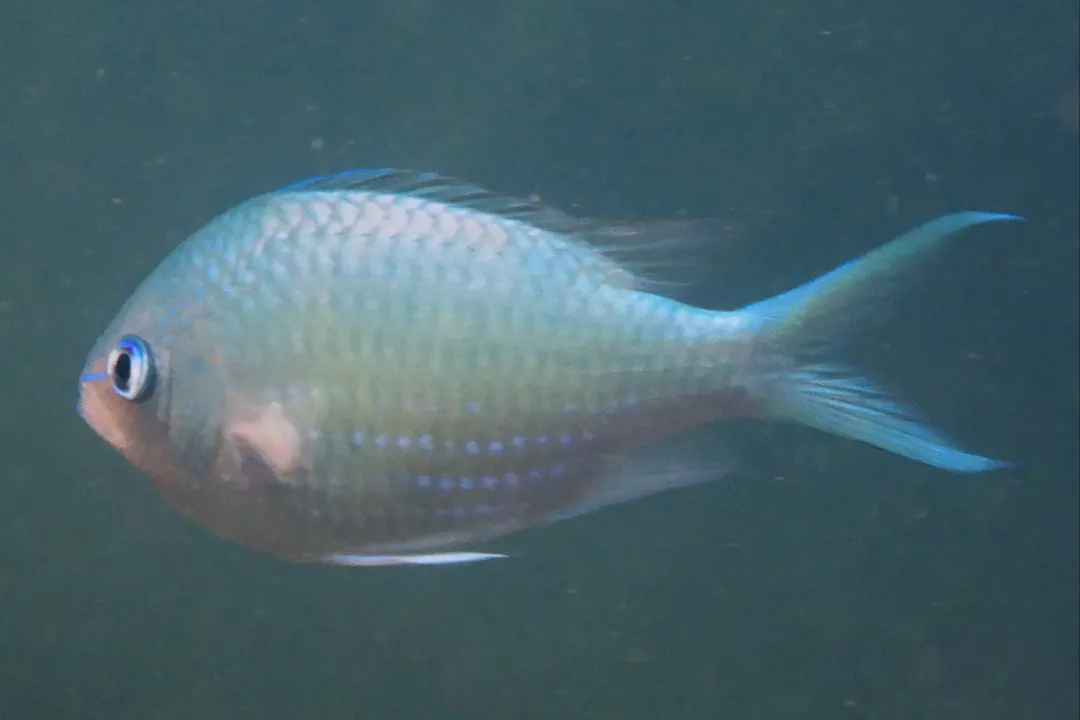 © Ewout KnoesterCC BY-SA 4.0 · iNaturalist
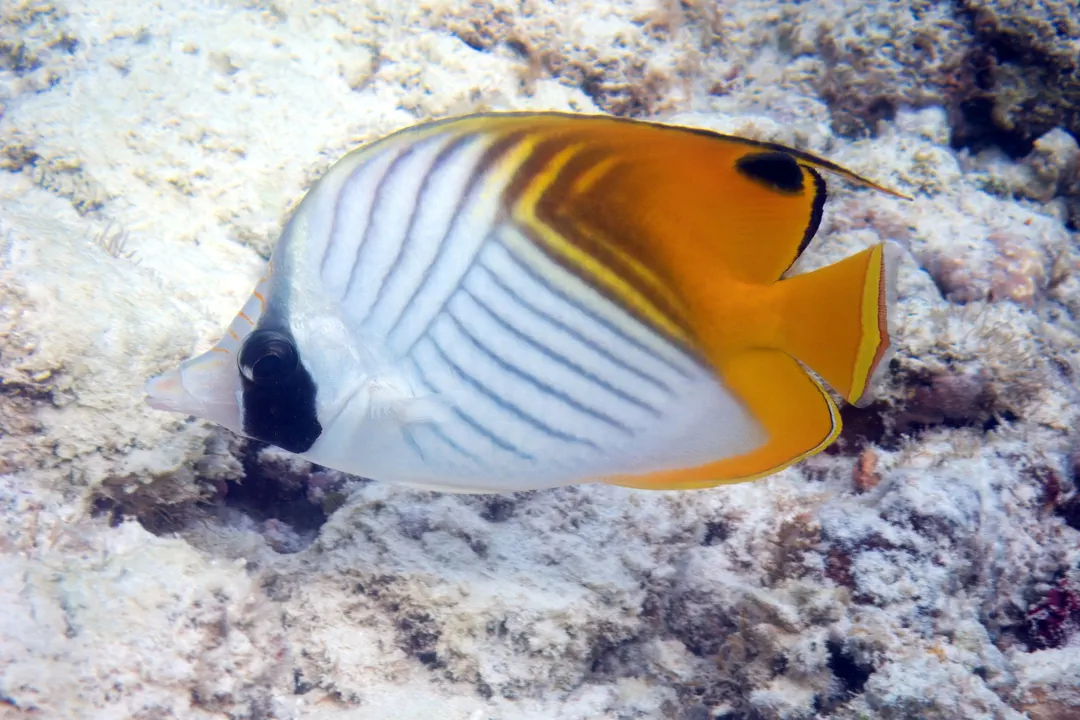 © Darren ObbardCC BY 4.0 · iNaturalist
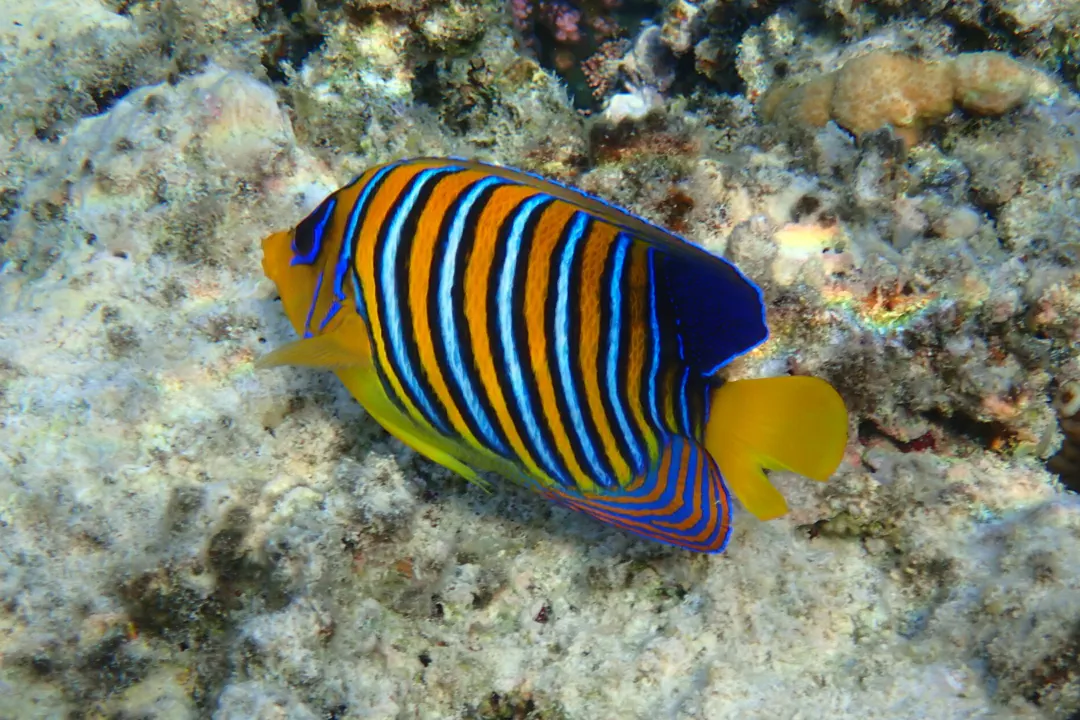 Andrew DeaconCC0 · iNaturalist
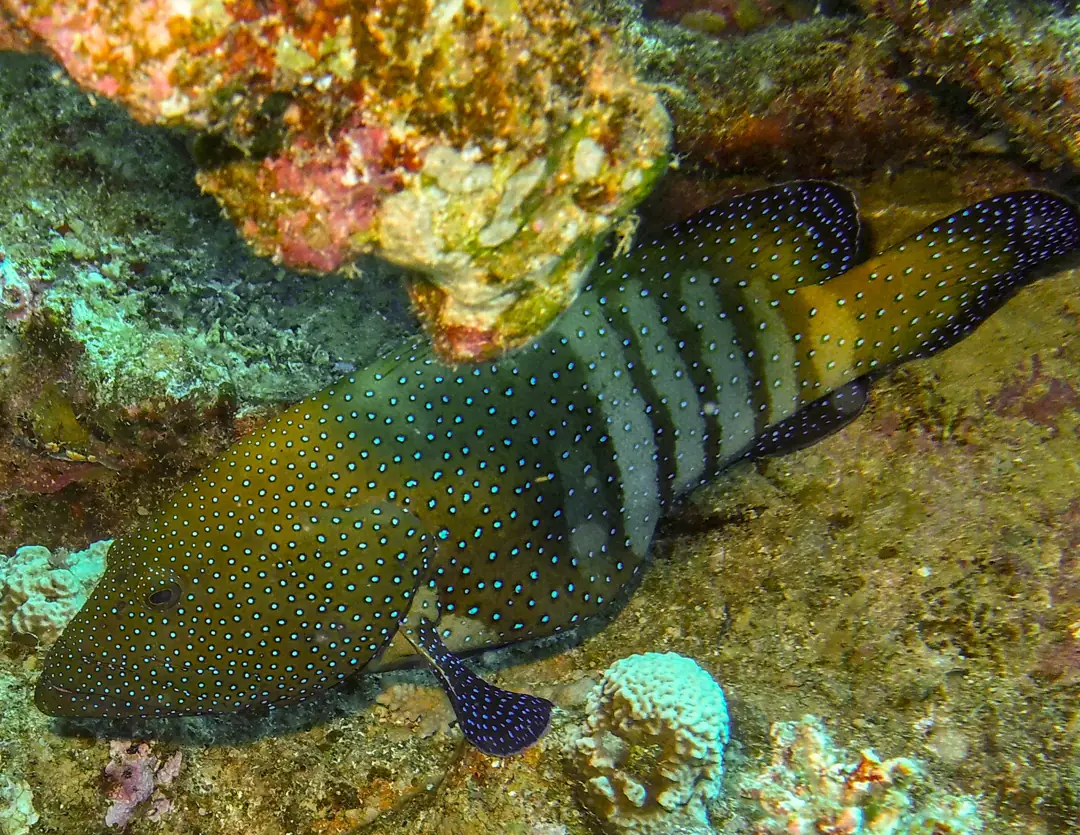 © Lesley ClementsAll rights reserved
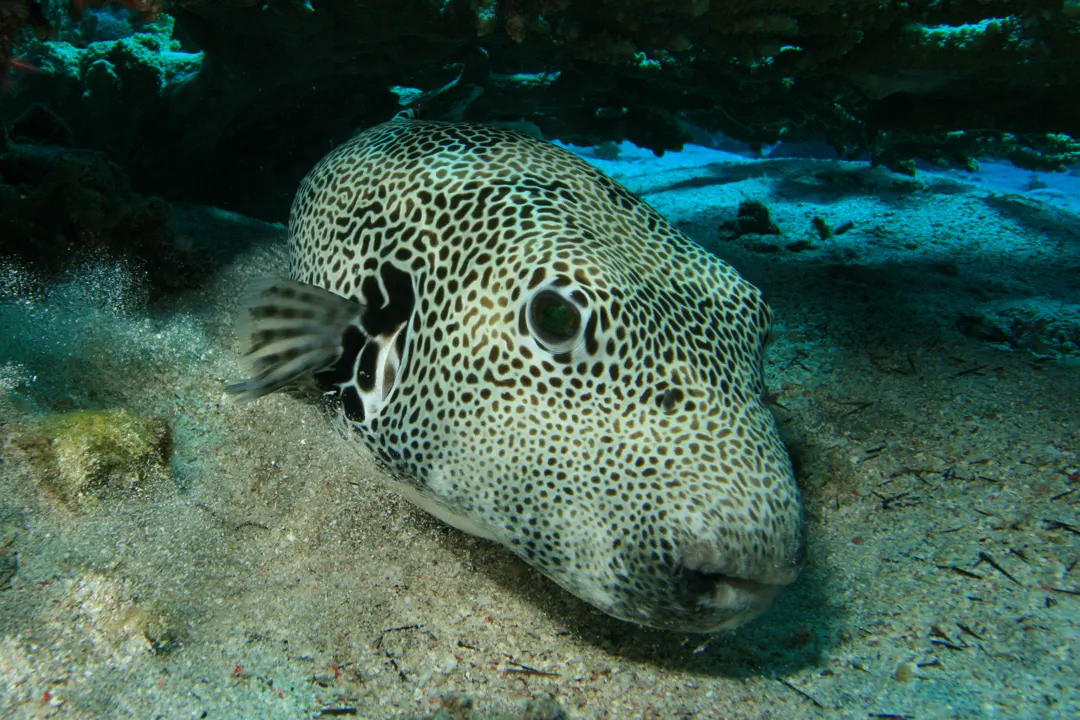 © seabook.appAll rights reserved
Basura: Night Diving and Macro Biodiversity
Basura is a muck site situated along a gently sloping beach scattered with coastal debris, rocks, and black sand. Despite its unglamorous local name, the site provides shelter for small invertebrates that thrive under man-made structural cover and leaf litter between 3 and 15 metres.
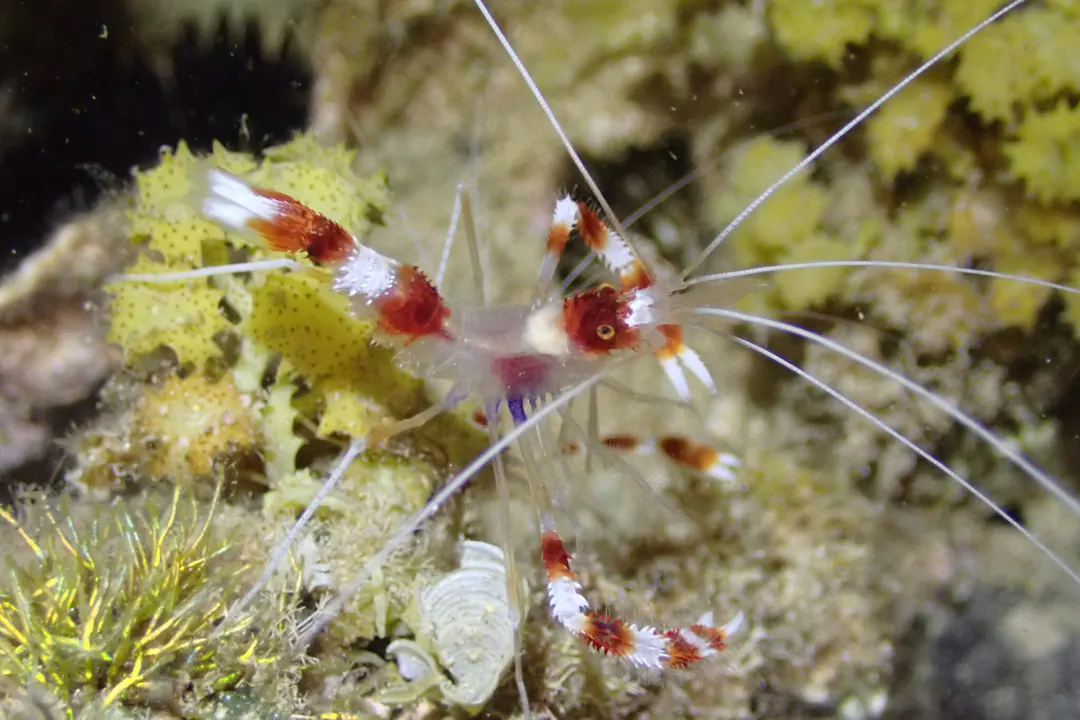
Warty frogfish (Antennarius maculatus) blend into discarded sponges, matching their coloration to encrusted objects. Pygmy seahorses (Hippocampus bargibanti) cling to gorgonian sea fans anchored on deeper rocks at 20 metres. Banded coral shrimp (Stenopus hispidus) wave long white antennae from rock cracks.
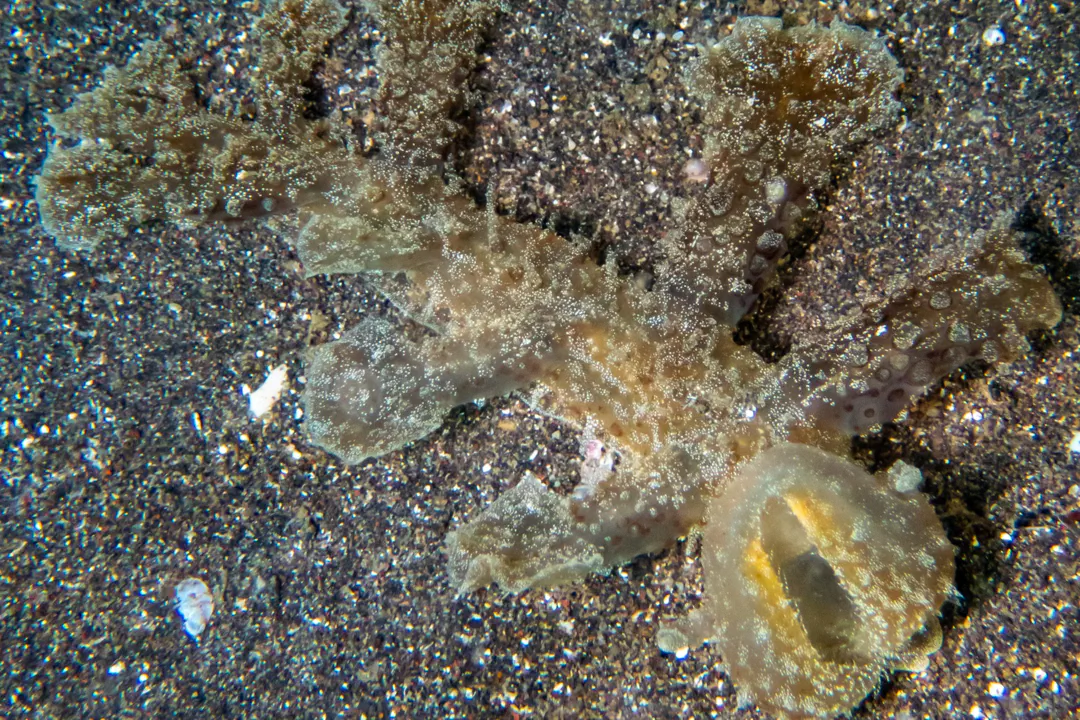
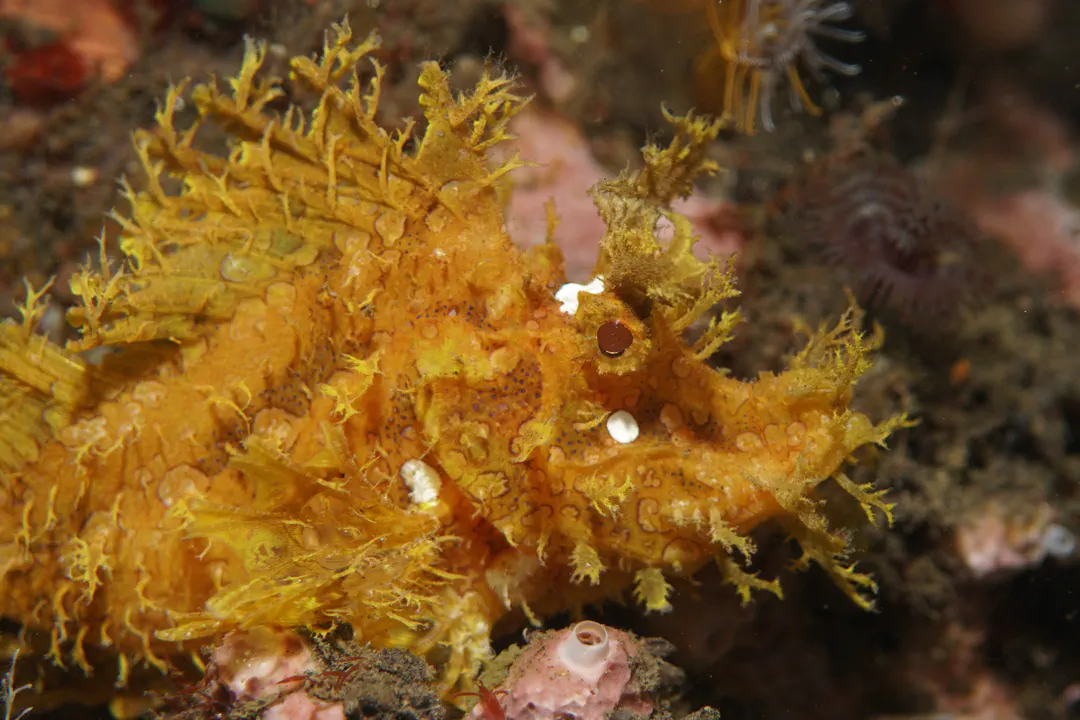
Paddle-flap rhinopias (Rhinopias frondosa) sway in the gentle surge, mimicking drifting red algae on the dark sand floor. Night dives here expose nocturnal crustaceans, hunting eels, and tiny cephalopods darting across open sediment.
Depth: 3-20 m. Access: shore dive or 5-minute boat ride. Level: Open Water. Best months: November-May.
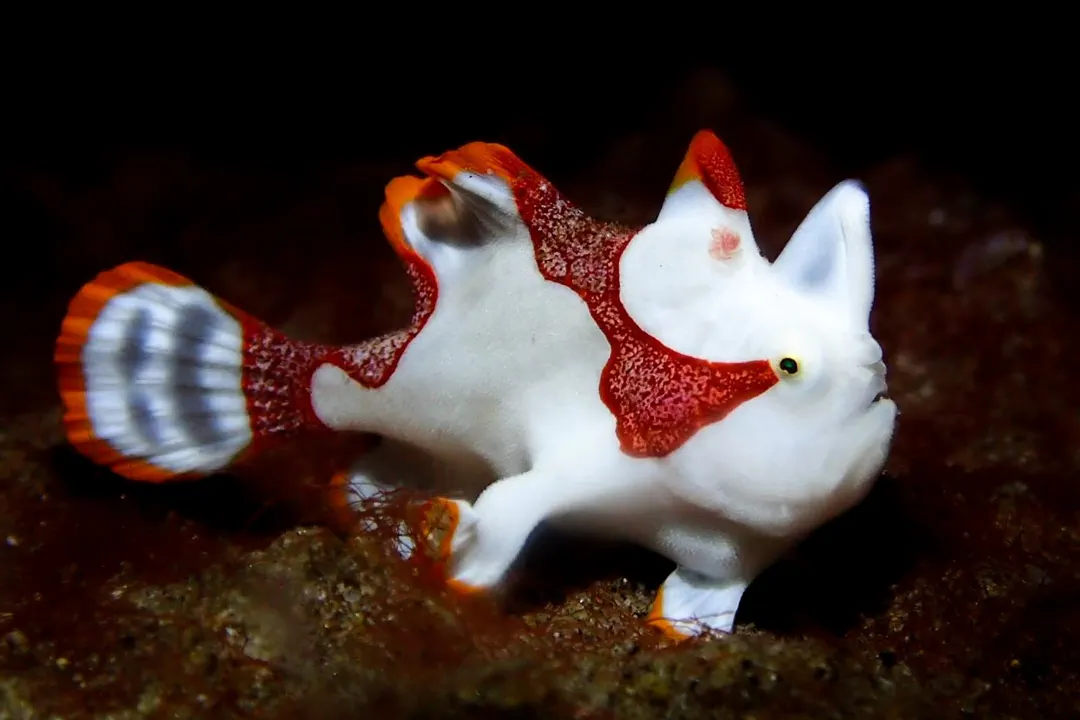 © Dan SchofieldCC BY 4.0 · iNaturalist
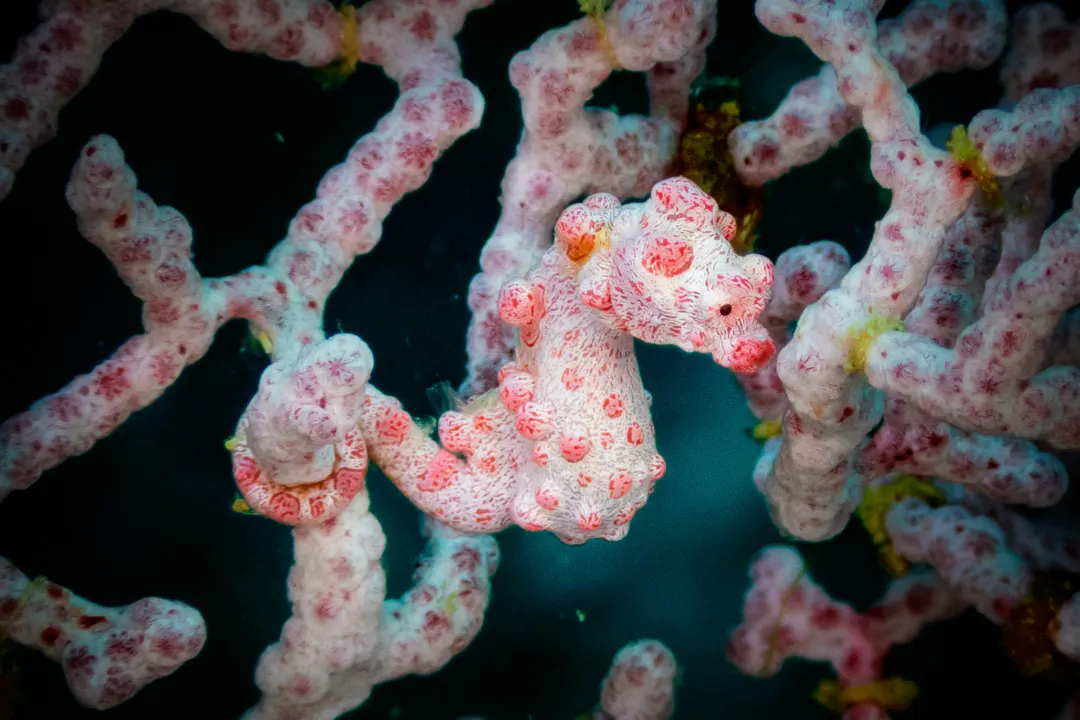 © Pierre PericardCC BY 4.0 · iNaturalist
 © Cricket RaspetCC BY 4.0 · iNaturalist
 © Stas KuryanAll rights reserved
Kirby's Rock: Wall Diving and Nudibranch Slopes
Kirby's Rock drops vertically from a shallow reef flat at 5 metres down to a sandy floor at 30 metres. The sheer wall face is covered in pink soft corals, yellow tube sponges, and sea fans that thrive in moderate passage currents. Photographers search the vertical rock crevices for sea slugs.
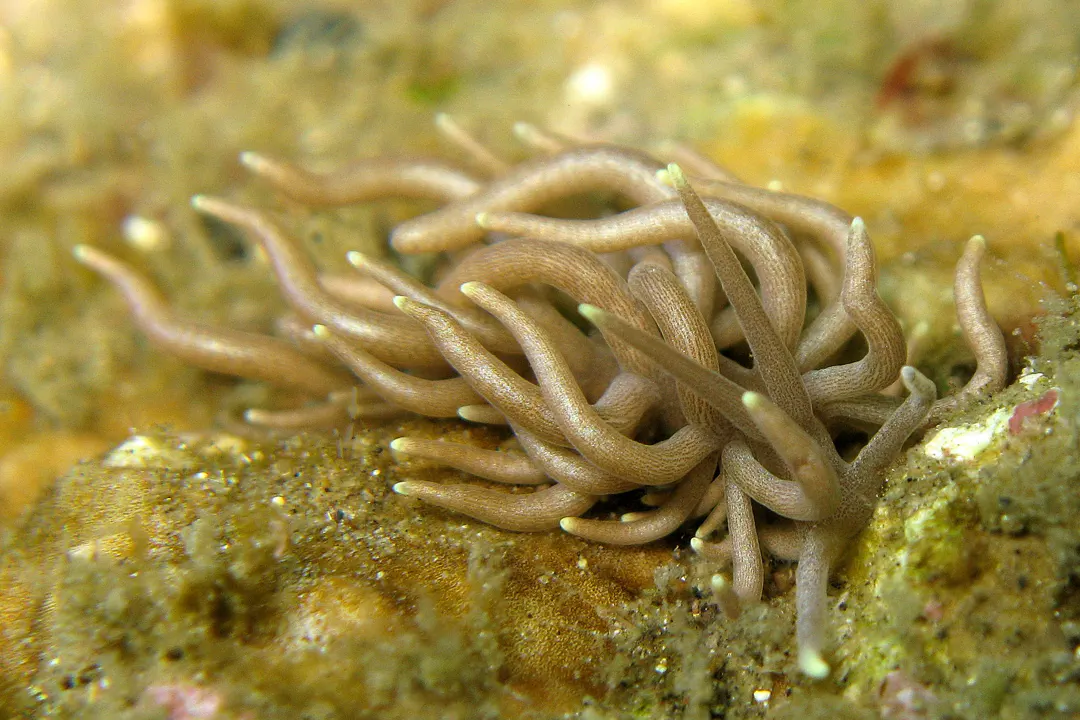
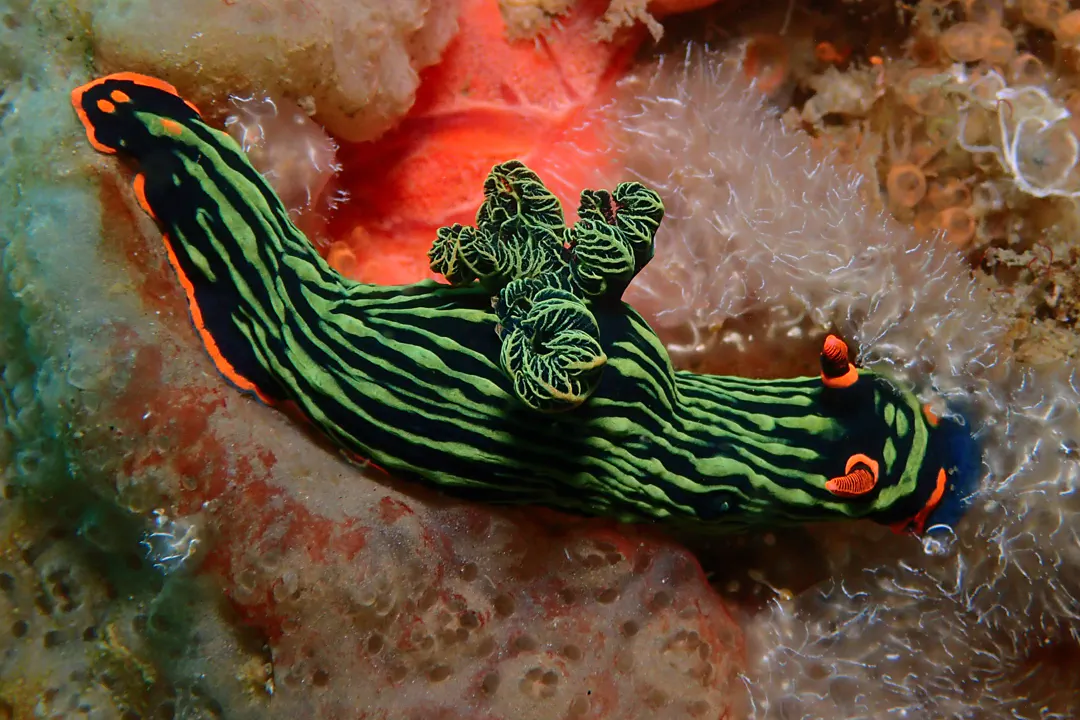
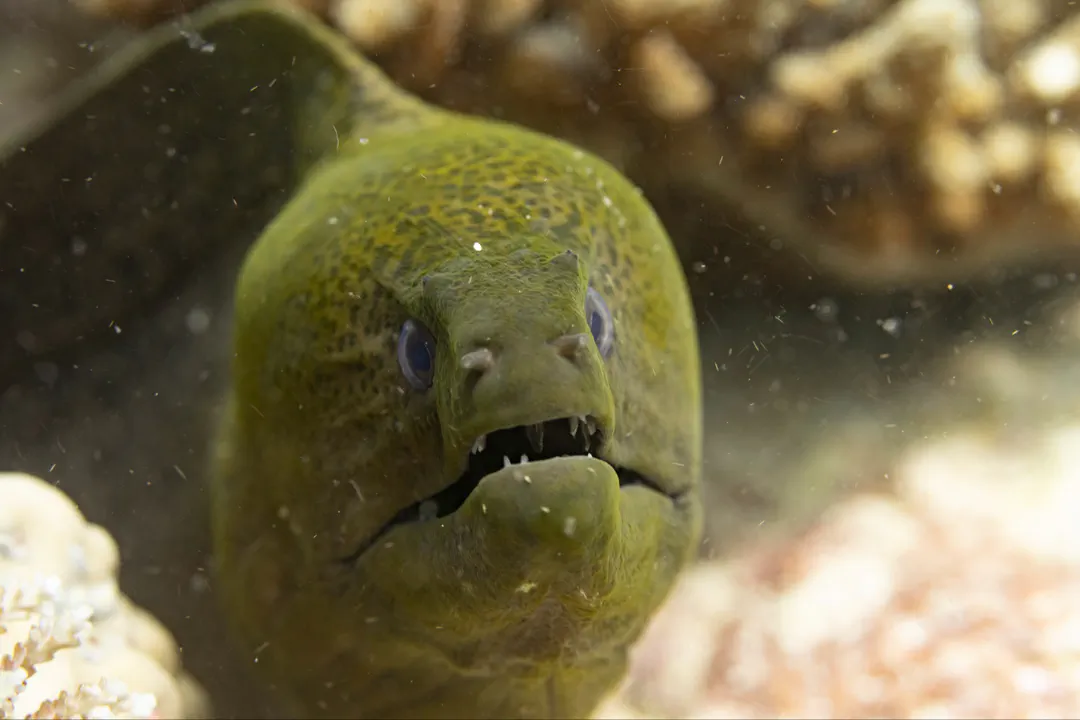
Desirable nudibranchs such as Phyllodesmium briareum, Nembrotha kubaryana, and Hypselodoris bullocki feed on soft corals along the wall. Giant moray eels (Gymnothorax javanicus) extend their heads from deep limestone holes, clean of parasites by tiny cleaner shrimp.
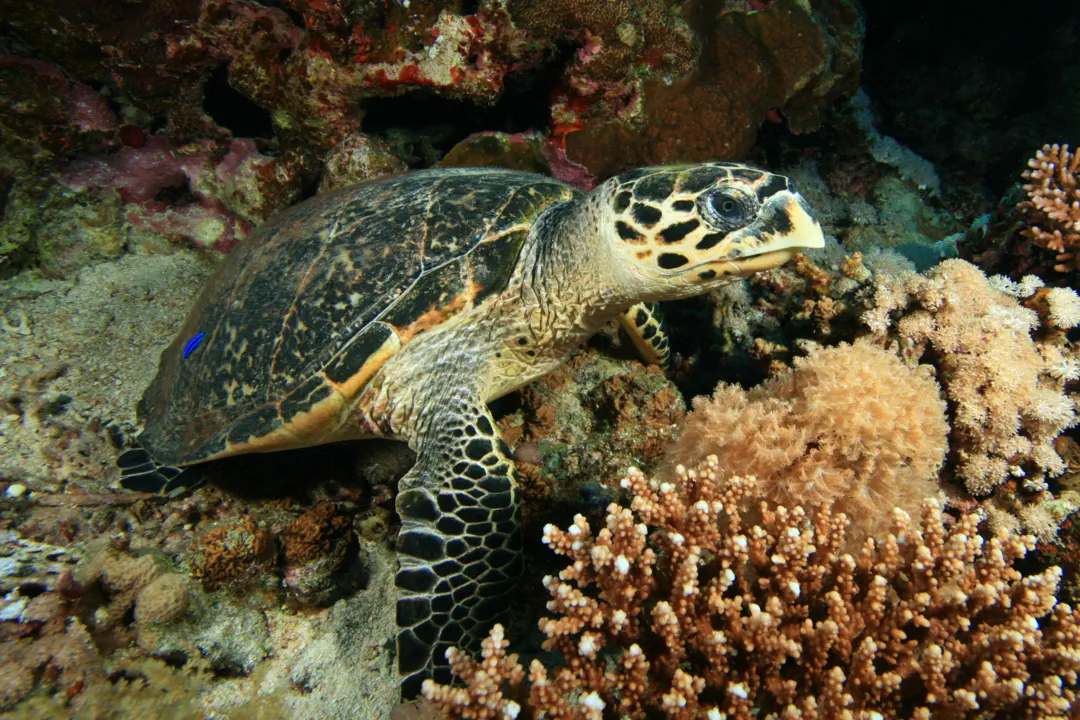
Hawksbill sea turtles (Eretmochelys imbricata) occasionally swim along the wall edge to feed on sponges. Divers manage their gas supplies carefully while inspecting small marine life along the deep vertical drop-off.
Depth: 5-30 m. Access: boat, 20 minutes from resort docks. Level: Advanced Open Water. Best months: November-May.
 © Steve ChildsCC BY 4.0 · iNaturalist
 © Dan SchofieldCC BY 4.0
 © seabook.appAll rights reserved
 © cello caruso-turielloCC BY 4.0 · iNaturalist
Beatrice Rock: Current-Swept Pinnacle and Soft Corals
Beatrice Rock consists of a series of submerged rock pinnacles exposed to strong tidal currents passing through the Verde Island Passage. The tops of the rocks sit at 9 metres, with drop-offs extending to 27 metres on the seaward side. Nutrient-laden water creates multi-colored soft coral growth along every exposed surface.
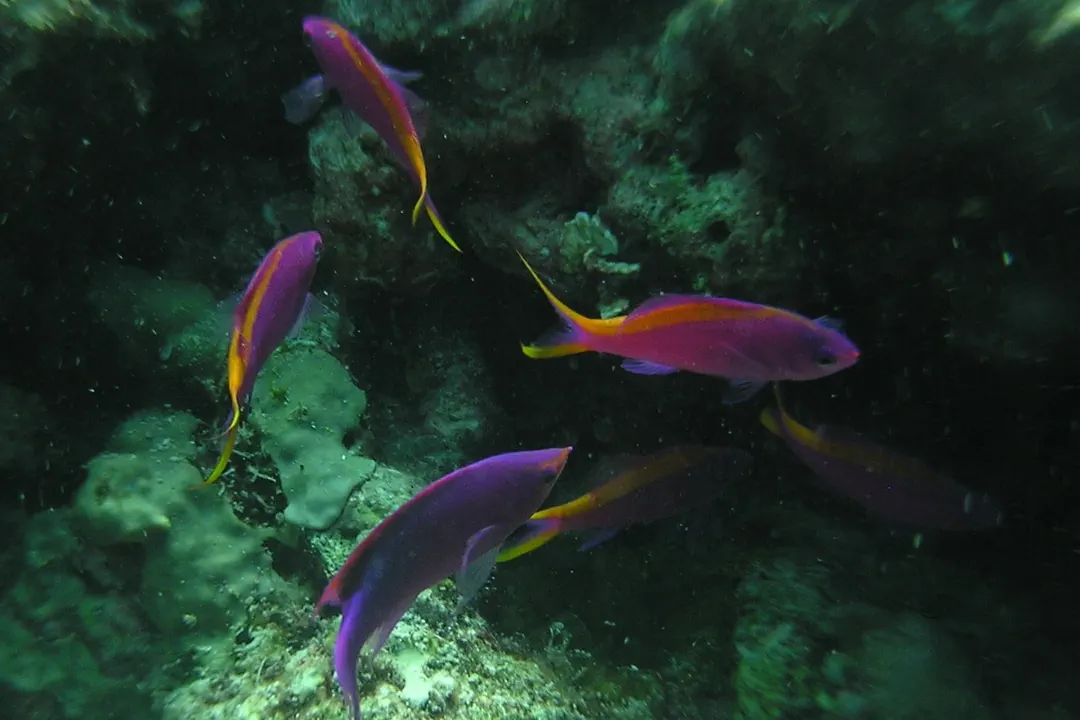
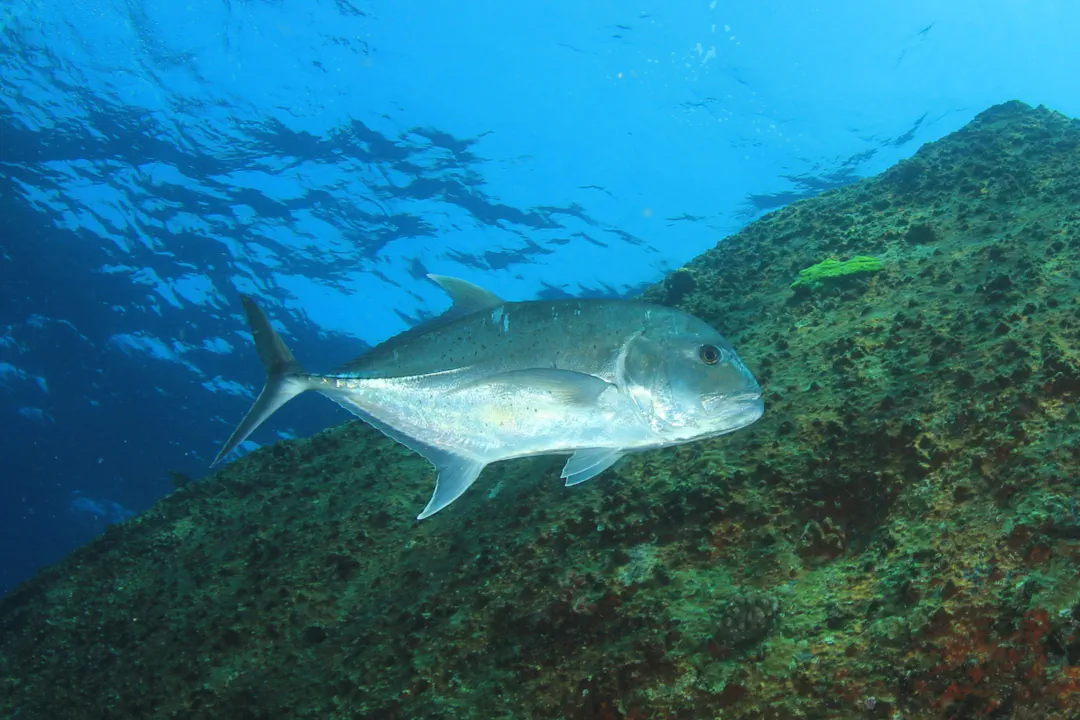
Purple queen anthias (Pseudanthias tuka) swarm by the thousands around the rock crests, feeding on plankton caught in the rushing current. Giant trevally (Caranx ignobilis) and bluebanded surgeonfish (Acanthurus lineatus) slice through the upper water column in fast-moving schools.
Whitetip reef sharks (Triaenodon obesus) rest in sand channels between the pinnacles or patrol the deeper wall edges. Divers use reef hooks or shelter behind rock ledges to observe large marine action without exhausting their breathing gas.
Depth: 9-27 m. Access: boat, 25 minutes from resort docks. Level: Advanced Open Water. Best months: November-May.
 © Ditch TownsendCC BY-SA 4.0 · iNaturalist
 © seabook.appAll rights reserved
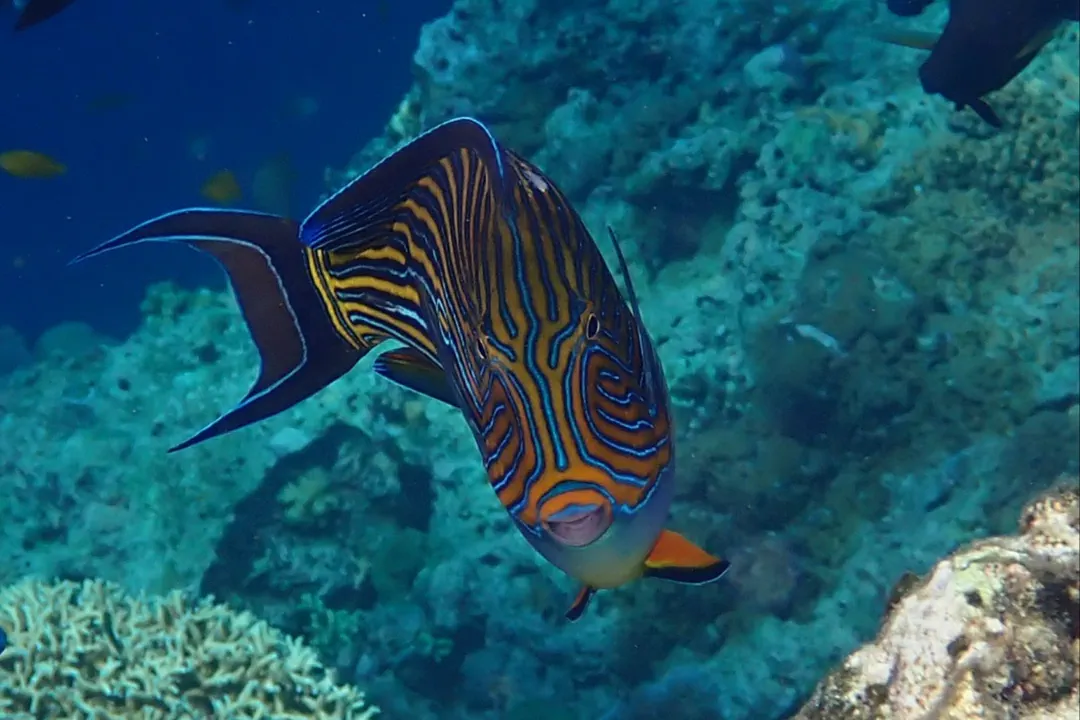 © Petr KnotekCC BY 4.0 · iNaturalist
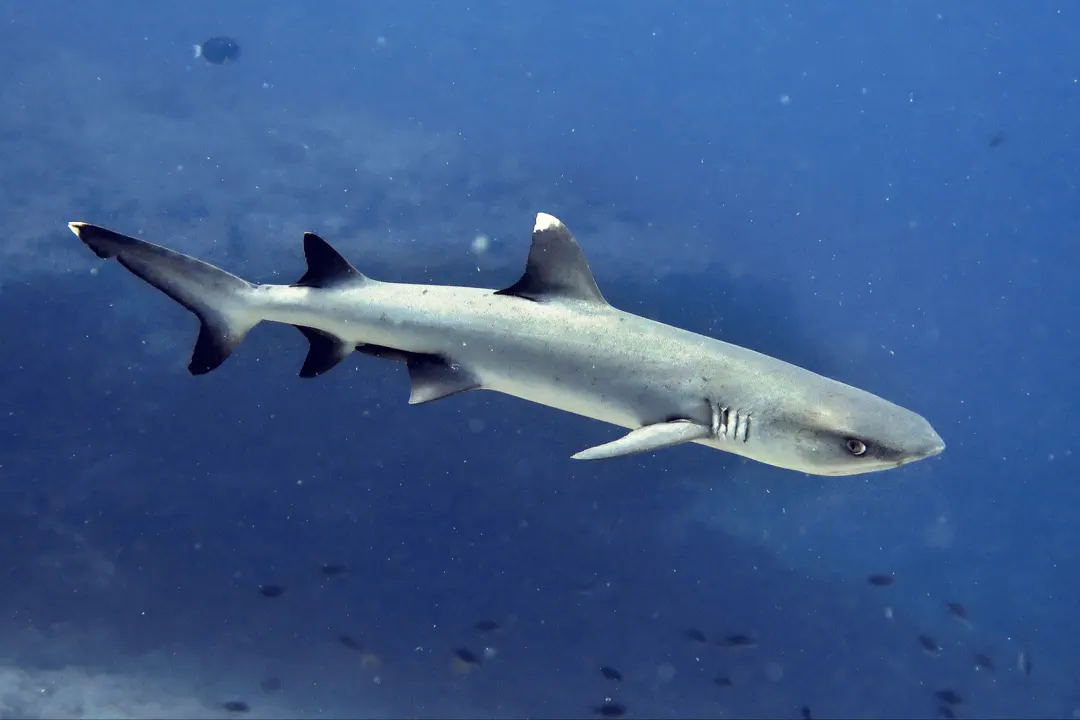 © Daniel BenákCC BY 4.0 · iNaturalist
Marine Life in Anilao
The Verde Island Passage contains an extraordinary diversity of marine life due to its varied underwater habitats and strong ocean currents. Shallow rubble slopes, dark volcanic sands, sea grass beds, and deep walls exist within hundreds of metres of each other. This spatial variety provides niches for microscopic sea slugs and large apex predators alike.
Macro photographers target elusive species such as Denise's pygmy seahorse (Hippocampus denise), which measures less than two centimetres and matches the exact color of host muricid gorgonians. Peacock mantis shrimp (Odontodactylus scyllarus) punch through crab shells with dactyl club appendages, while leaf sheep nudibranchs (Costasiella kuroshimae) graze on green algae on shallow sand flats.
Colorful sea slugs including Flabellina exoptata, Pteraeolidia ianthina, and Chromodoris annae crawl over hydroid colonies along reef slopes. Tiny pygmy squid (Idiosepius pygmaeus) hide under seagrass blades while skunk cleaner shrimp (Lysmata amboinensis) operate cleaning stations for reef fish. Divers can log their observations and identify new species in the Seabook app after returning to the resort boat.
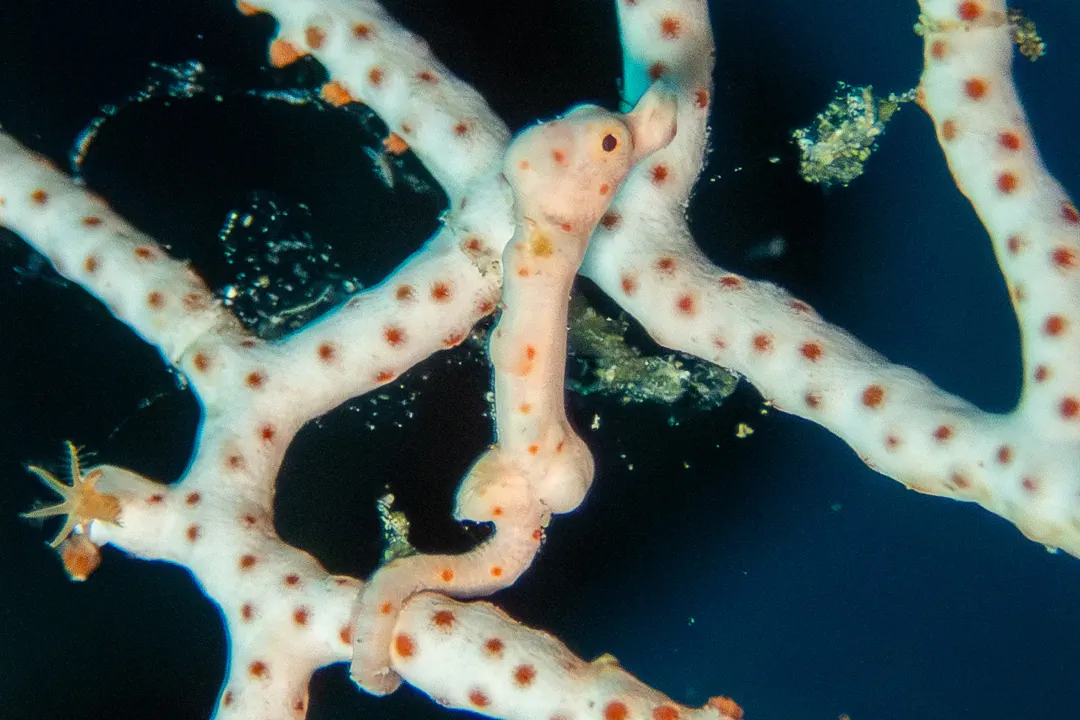 © Piotr LukasikCC BY 4.0 · iNaturalist
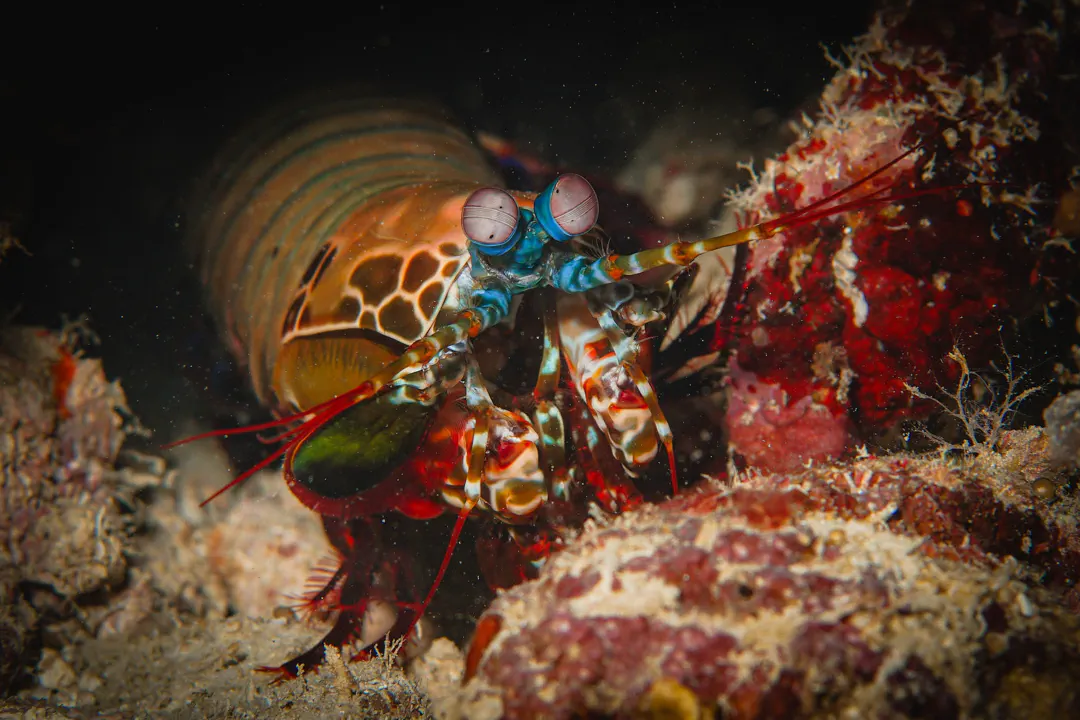 © Stas KuryanAll rights reserved
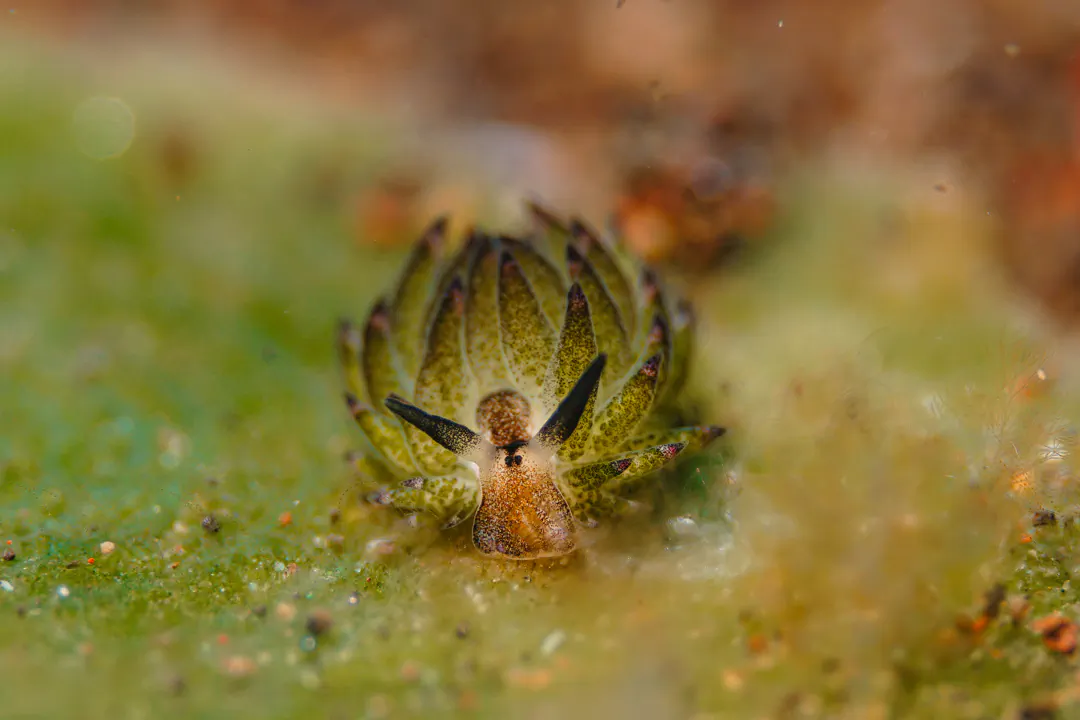 © Stas KuryanAll rights reserved
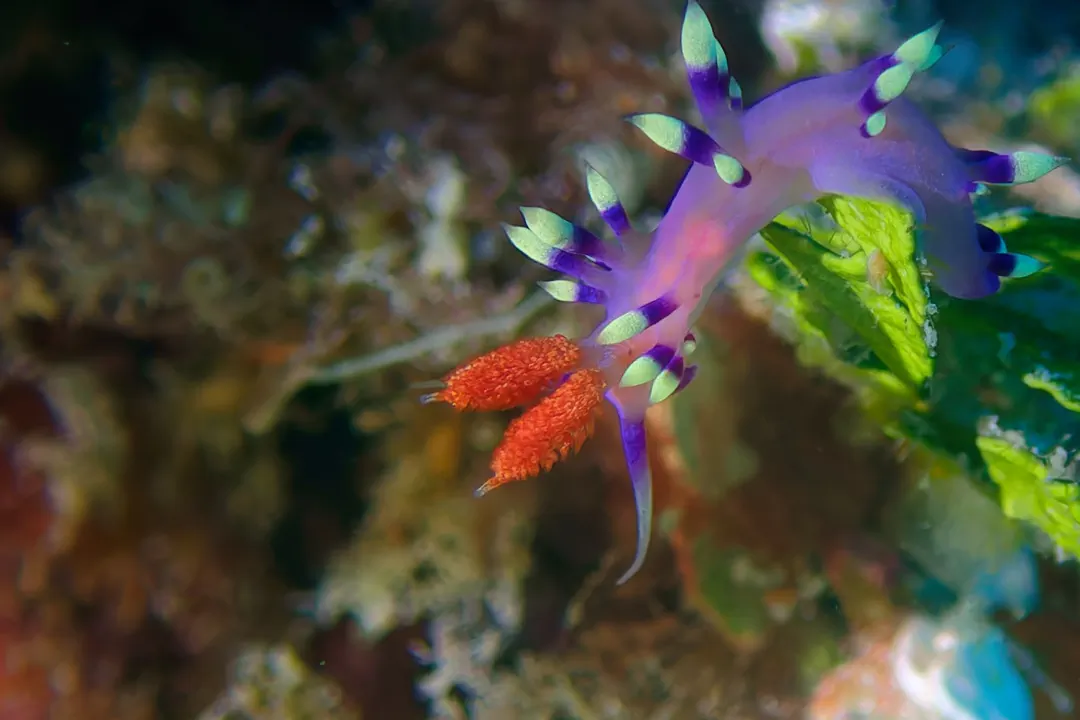 © Jay ParolineCC BY 4.0
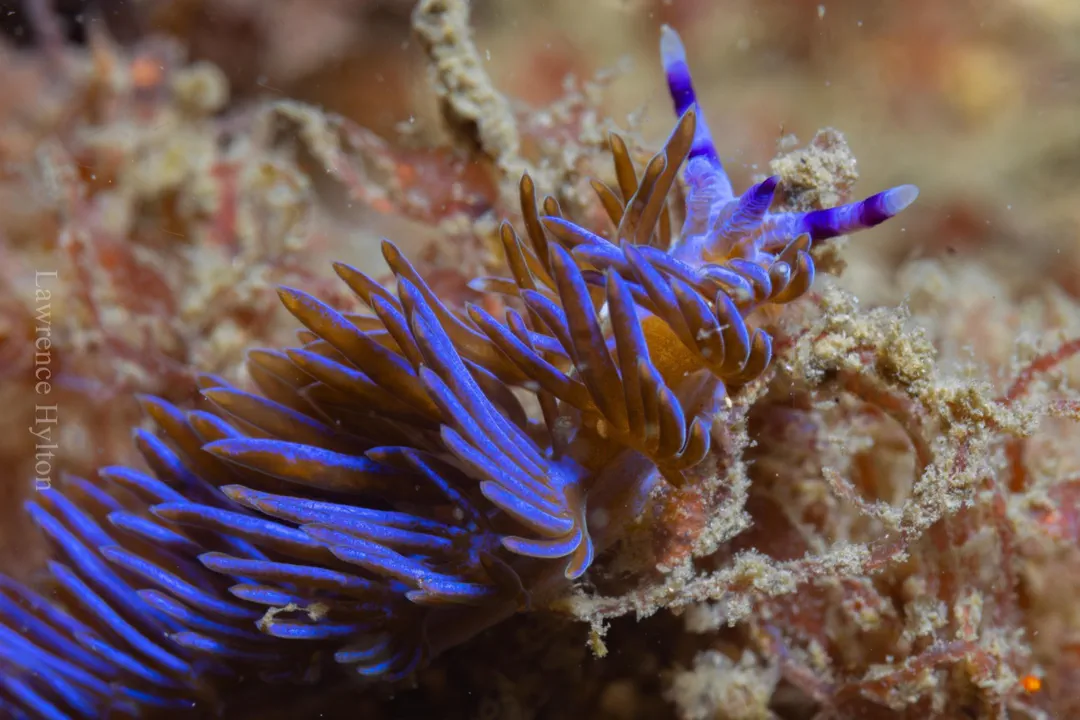 © Lawrence HyltonAll rights reserved
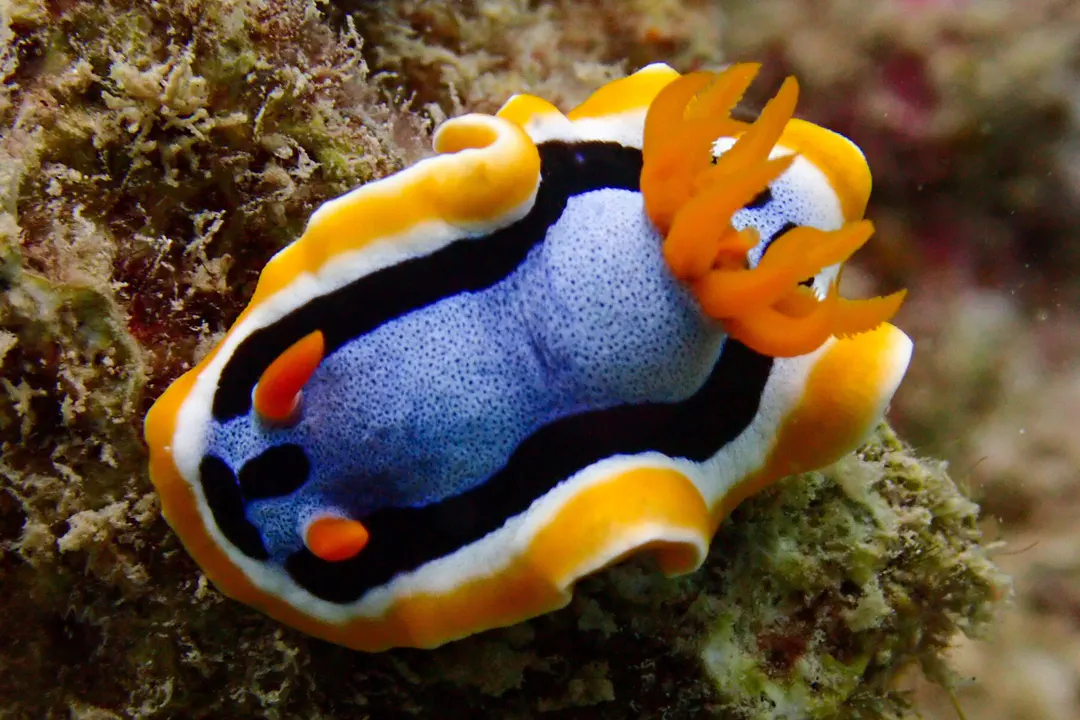 © Dan SchofieldCC BY 4.0 · iNaturalist
Is Anilao Good for Beginners and Snorkellers?
Anilao suits beginner divers well because sheltered bays offer gentle entry conditions and shallow coral slopes. Sites like Cathedral Rock and Twin Rocks feature calm water, minimal current, and depths under 12 metres that work well for Open Water training dives. Local dive resorts operate spacious banca boats equipped with sturdy boarding ladders for gear handling.
Muck diving presents specific challenges for newer divers, requiring precise buoyancy control to avoid kicking up silt on soft volcanic slopes. Beginners should master horizontal trim and frog-kicking techniques before attempting low-altitude macro photography. Instructors guide students through shallow sand areas to build confidence before moving to current-exposed sites.
Snorkellers can explore coral heads near resort shores, though rocky coastlines require protective booties for entry. Surface currents along exposed points mean snorkellers should stay within marked resort bays or hire a boat guide. Shallow reef flats offer views of giant clams, clownfish, and sea turtles in water less than 3 metres deep.
Getting There and Practical Tips
Anilao is situated approximately 110 to 130 kilometres south of Manila on the Mabini peninsula. Most travellers arrange private car transfers directly from Ninoy Aquino International Airport, taking between 2.5 and 4 hours depending on Metro Manila traffic. Public air-conditioned buses travel from Manila to Batangas Grand Terminal, where local jeepneys or tricycles connect to dive resorts.
Diving operations rely on traditional outrigger banca boats that transport small groups to sites within 10 to 30 minutes. Reserving a private boat allows macro photographers to set their own pace and stay at shallow muck sites for up to 90 minutes. Dive resorts handle tank logistics, camera rinse tanks, and gear storage directly on site.
Municipal marine sanctuary fees fund local reef conservation and patrol teams across Mabini's marine reserves. Divers pay daily environmental fees upon registration at their resort, receiving a wristband or receipt. Underwater photographers should pack spare O-rings, lens cleaners, and desiccants to combat high tropical humidity when changing camera batteries.
Questions
What is the best month to dive in Anilao?
April and May offer warm water near 28 to 30°C and calm seas across the Verde Island Passage. The dry season from November through May provides the most consistent weather, though macro marine life remains active on sheltered muck slopes year-round.
Are there sharks in Anilao?
Whitetip reef sharks (Triaenodon obesus) are occasionally seen at deeper, current-exposed sites like Beatrice Rock and Mainit Point. Sightings remain periodic, as Anilao is primarily visited for small invertebrates and reef critters.
What fish can you see in Anilao?
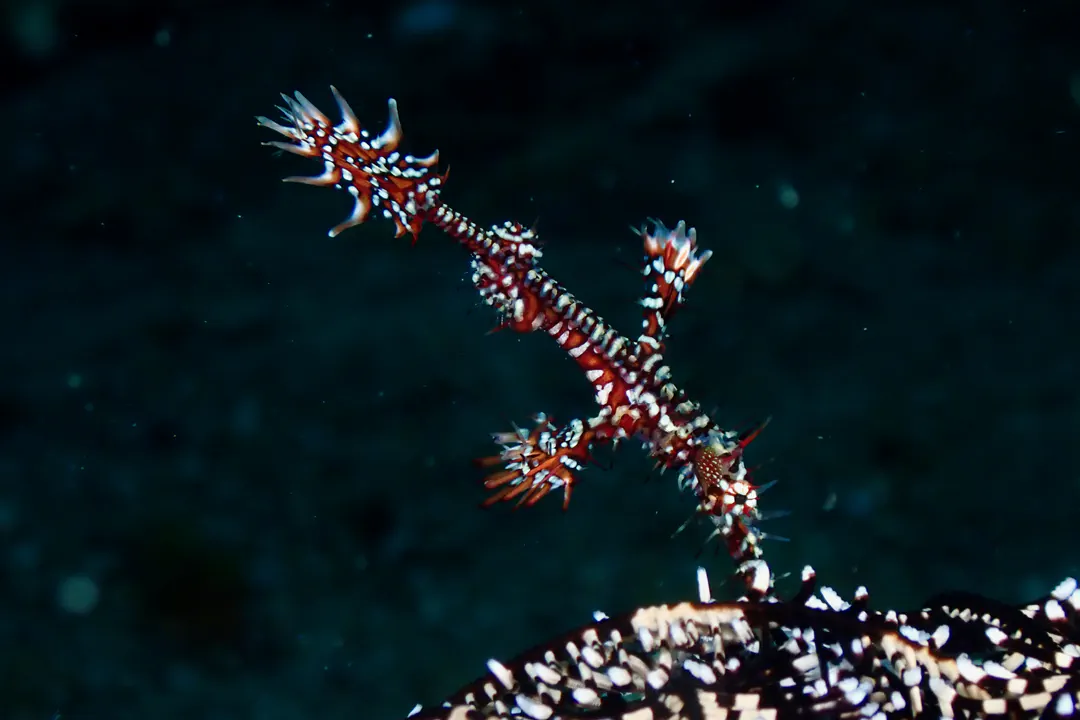
Divers encounter frogfish, ghost pipefish, seahorses, damselfish, angelfish, jacks, and barracudas. More than 600 species of sea slugs have been documented across Anilao and the surrounding Verde Island Passage.
Is Anilao suitable for beginner divers?
Yes, sheltered bays at Cathedral Rock and Twin Rocks offer calm, shallow conditions under 12 metres ideal for Open Water training. Exposed outer pinnacles require advanced certifications due to strong currents and depths exceeding 25 metres.
How do you get to Anilao from Manila?
Anilao lies 110 to 130 kilometres south of Manila. Private transfers from Ninoy Aquino International Airport take between 2.5 and 4 hours depending on traffic, while public buses run from Manila to Batangas City before connecting to Mabini.
What wetsuit thickness should I bring to Anilao?
A 3mm full wetsuit works well during the warm months from March to May when water reaches 29°C. A 5mm suit or added hooded vest is recommended for 70-minute macro dives or during the cooler January to February period when water drops to 24°C.

