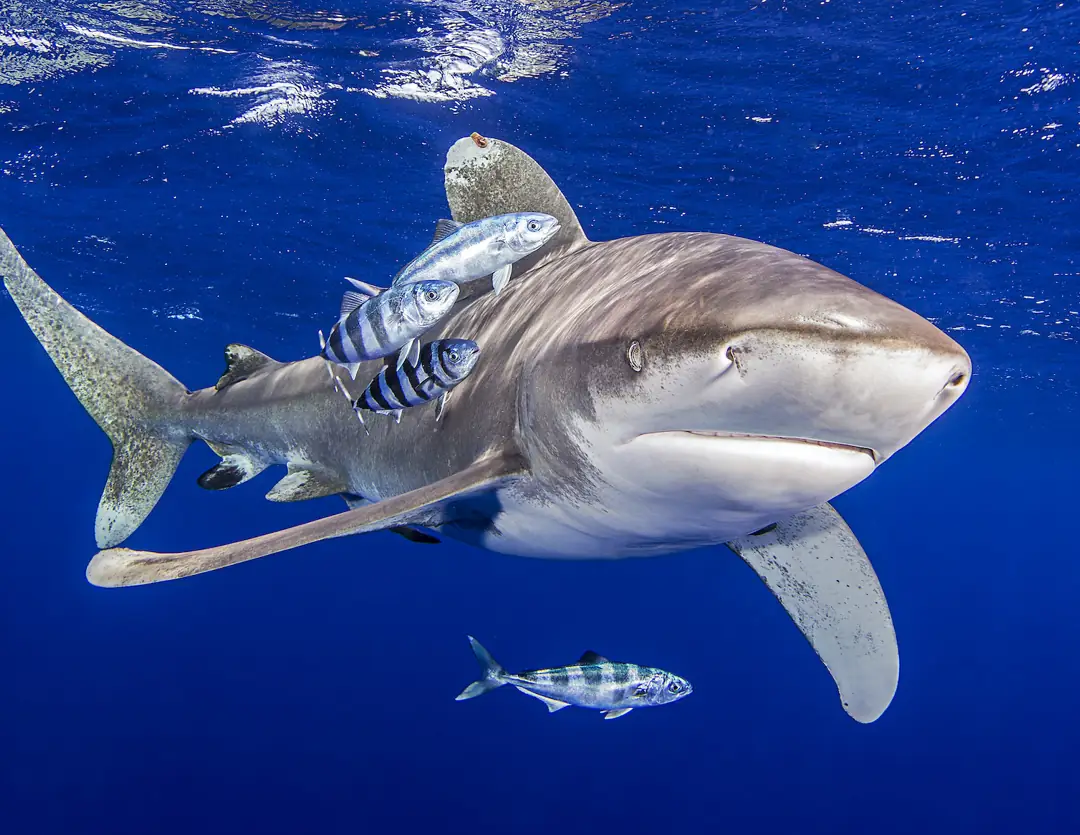
At twenty meters along the eastern wall of Elphinstone Reef, sunlight cuts through blue water to reveal a solitary oceanic whitetip shark gliding past soft coral gardens. Current surges gently over the plateau as schools of yellowfin fusiliers part around the predator. Below, the reef wall plummets toward dark depths, while above, surface swells mirror the light.
Diving in Marsa Alam provides access to southern Egyptian reefs, sheltered seagrass bays, and deep offshore walls. Water temperatures fluctuate between 22°C in February and 29°C in August, with average visibility between 15 and 30 meters throughout the year. The peak diving season runs from March to May and September to November, when sea conditions remain calm and pelagic species frequent the offshore pinnacles.
Signature sites include Elphinstone Reef, Abu Dabbab, Samadai Reef, Shaab Sharm, and the Fury Shoals complex. Divers encounter green sea turtles, spinner dolphins, dugongs, and oceanic whitetip sharks across various habitats. Sheltered bays offer shallow entries for beginners and snorkellers, while current-swept offshore plateaus cater to advanced divers holding deep-water certifications.
What Is Diving in Marsa Alam Like?
Marsa Alam extends across 100 kilometers of Egypt's southern Red Sea coastline, offering an uncrowded alternative to northern hubs like Hurghada and Sharm El Sheikh. Natural fringing reefs form shallow bays along the shore, creating calm water environments alongside exposed offshore sea mounts. The region features less coastal development, meaning dive boats share vast reef areas with fewer visitors during regular morning excursions.
Diving here splits between shore-based bay entries and offshore boat departures. Shallow bays like Marsa Mubarak feature sandy floors covered in seagrass beds that descend gradually to 25 meters. In contrast, offshore sites feature vertical walls where currents sweep nutrient-rich water past soft coral colonies and pelagic fish schools.
Condition variability requires careful planning based on wind and swell patterns. While coastal bays shield divers from strong winds, open-water sea mounts demand precise entry techniques and SMB deployment upon surfacing. Daily logistics adapt to these environments, allowing morning wall dives at sea mounts followed by afternoon shore entries in quiet lagoons.
Best Time to Dive in Marsa Alam
The best time for diving in Marsa Alam spans the transitional seasons from March to May and September to November. Spring brings warming air and sea temperatures alongside calm surface waters ideal for offshore boat crossings. Autumn delivers warm sea temperatures averaging 27°C, coinciding with peak pelagic activity at offshore reefs.
Summer months from June to August feature water temperatures reaching 29°C and long daylight hours. While air temperatures on land exceed 38°C, underwater visibility expands up to 30 meters across outer reef systems. Light winds during mid-summer create smooth surface conditions for multi-day liveaboard trips to southern offshore sites.
Winter runs from December through February, bringing water temperatures down to 22°C and stronger northern winds. Coastal bays remain diveable throughout winter, though offshore boat runs face occasional delays due to rough surface swells. High-energy sites host fewer divers during these months, appealing to cold-water divers equipped with 5mm or 7mm suits.
Marsa Alam Water Temperature by Month
Water temperatures in Marsa Alam cycle through a 7°C range across the calendar year, directly dictating exposure suit selection. From December to March, sea temperatures drop to 22°C–24°C, requiring a 5mm to 7mm full wetsuit along with a hooded vest for repetitive diving. Northern surface winds can cause rapid cooling during surface intervals on open boat decks.
Transition months during April, May, and November hover between 25°C and 26°C. A 5mm wetsuit provides ample thermal insulation for hour-long dives on offshore walls during these periods. Water clarity remains high during spring, though plankton blooms can occasionally reduce visibility near inshore bays.
From June through October, thermal conditions peak between 27°C and 29°C. A 3mm full suit or shorty offers comfortable protection against stingers and sun exposure in shallow seagrass beds. Long daylight hours allow four dives per day without significant body heat loss.
Water temperature
Marsa Alam, Egypt, monthly average
Reference point: Marsa Alam, Egypt on the southern Red Sea coast near the town/reef area around 25.07°N, 34.89°E; values represent typical average sea surface temperatures for the nearshore diving zone.
Best Dive Sites in Marsa Alam
Marsa Alam's underwater topography includes deep sea mounts, shallow grass bays, and cavernous limestone systems distributed along the southern Egyptian coastline.
Elphinstone Reef: Oceanic Whitetips and Wall Diving
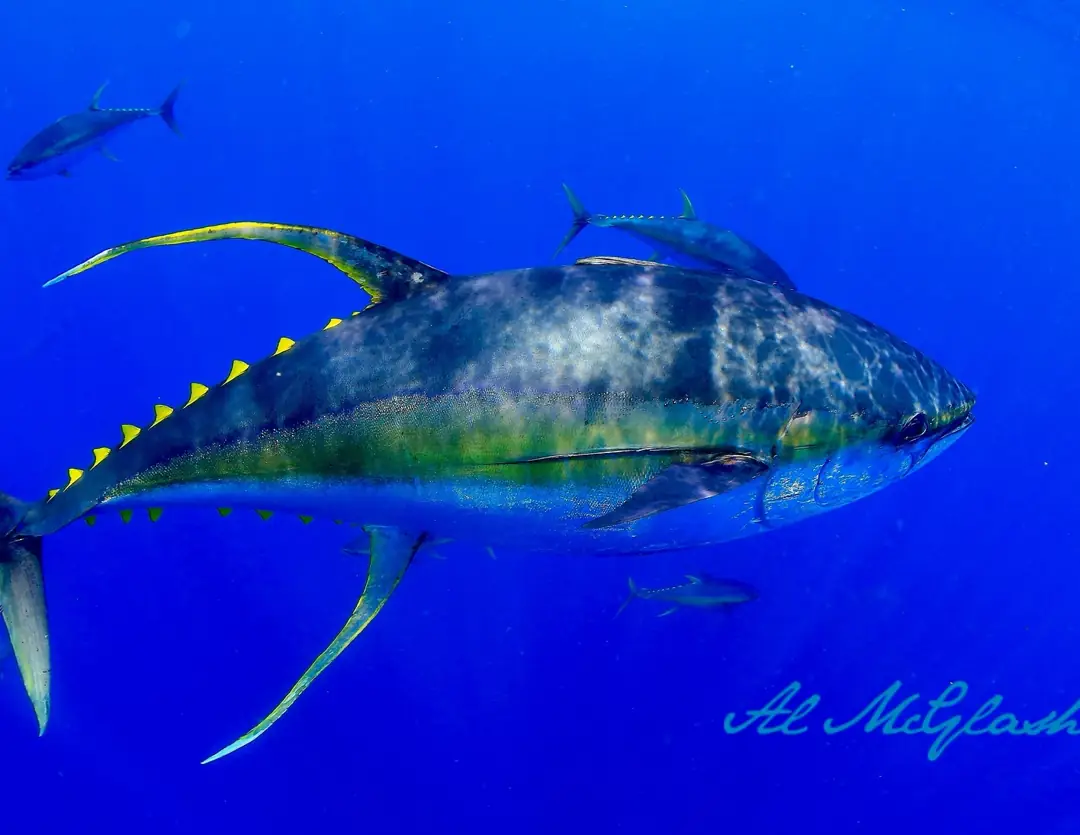
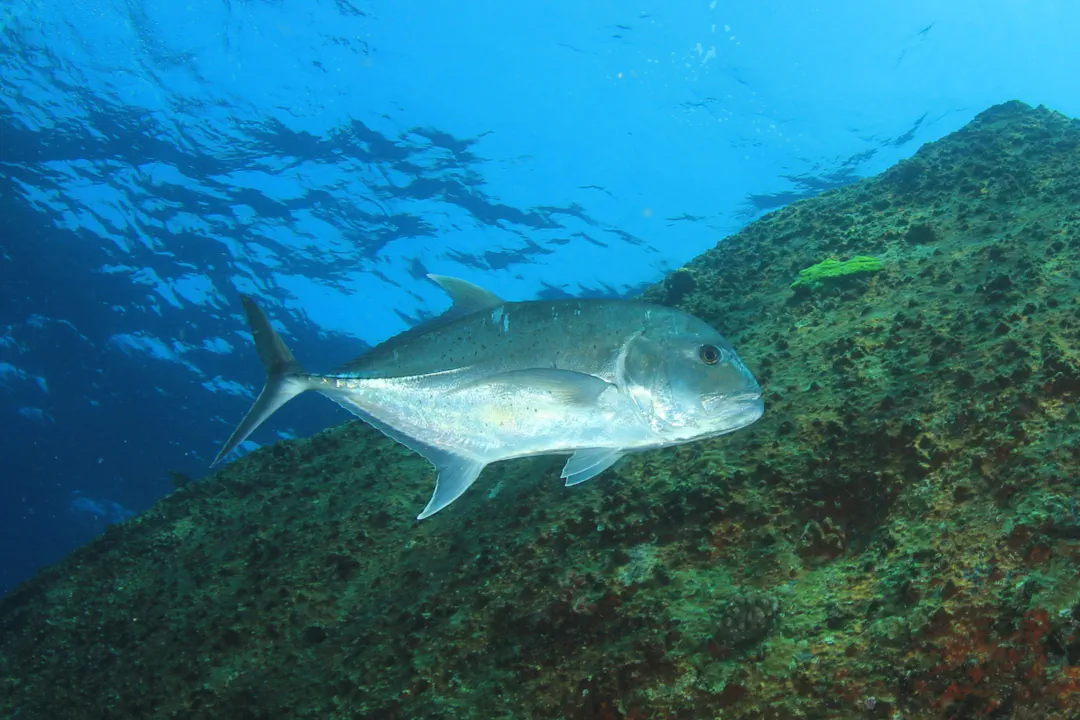
Elphinstone Reef rises from deep water as an offshore ocean pinnacle measuring 300 meters long. Vertical walls covered in soft corals fall out of sight on both east and west flanks. Strong drift currents sweep across the north and south plateaus, bringing schools of fusiliers, giant trevally, and yellowfin tuna into close proximity.
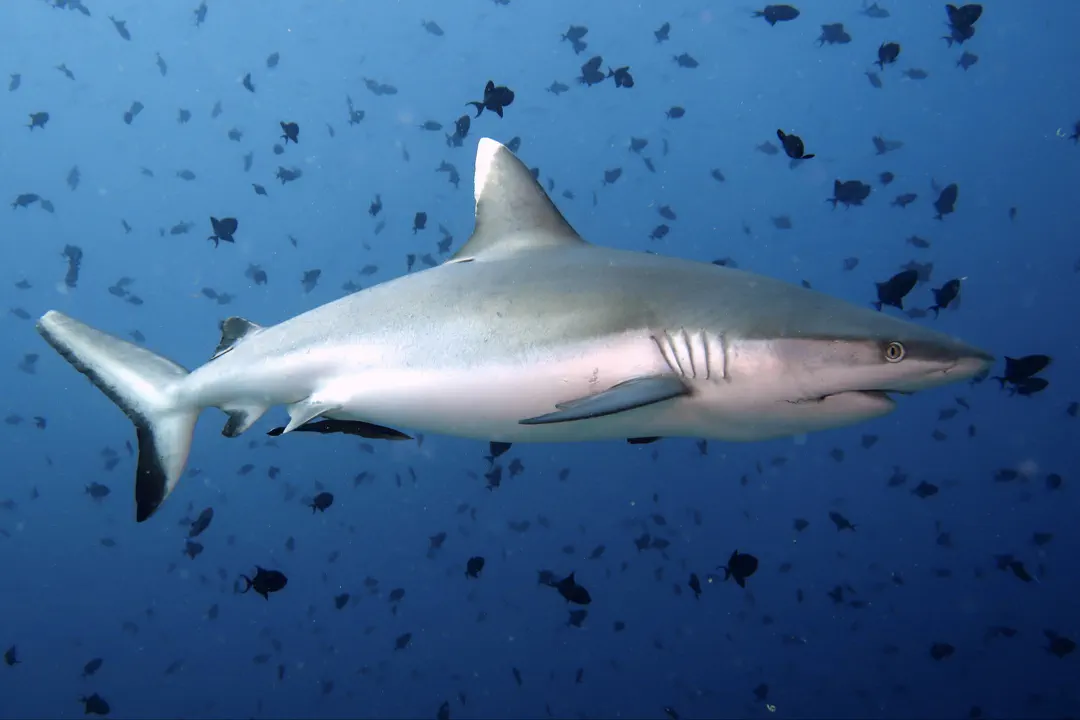
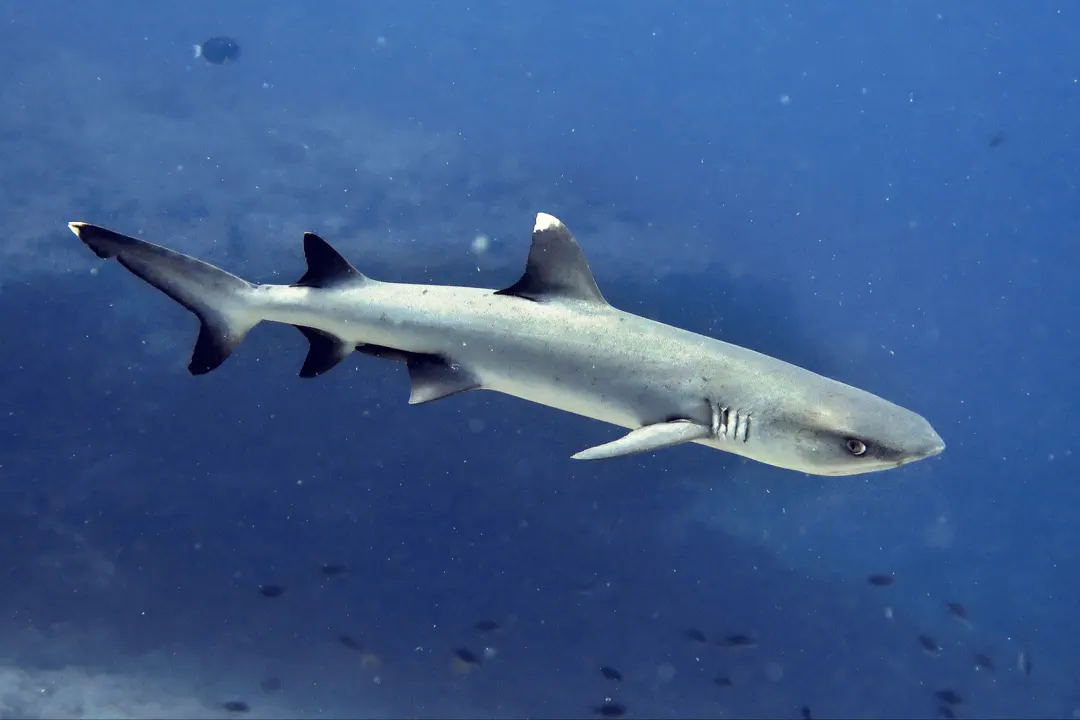
The northern plateau begins at 20 meters before stepping down to 40 meters, where currents create challenging drift conditions. Oceanic whitetip sharks frequent the upper water column between October and December, swimming near boat moorings. Grey reef sharks and whitetip reef sharks patrol the deeper ledge structures year-round.
Diving Elphinstone demands strict depth awareness, conservative gas planning, and quick negative entries from zodiacs. Surface marker buoys are mandatory for all ascents due to boat traffic and drift vectors. Surface swells can build quickly, making boat pickups an active part of the dive profile.
Depth: 20-70 m. Access: boat, 25 minutes from Marsa Alam coast. Level: Advanced Open Water. Best months: October-December.
 © seabook.appAll rights reserved
 © Daniel BenákCC BY 4.0 · iNaturalist
 © Daniel BenákCC BY 4.0 · iNaturalist
 © AlmcglashanCC BY-SA 4.0
 © seabook.appAll rights reserved
 © Dan SchofieldCC BY 4.0 · iNaturalist
Abu Dabbab: Dugongs and Giant Green Sea Turtles
Abu Dabbab is a shallow bay defined by a vast central seagrass meadow flanked by natural fringing reefs. The gentle sandy slope starts at the shoreline and descends to 25 meters, providing a calm environment for training and wildlife observation. Light reflects off the pale sand, creating high-visibility conditions across the entire bay.
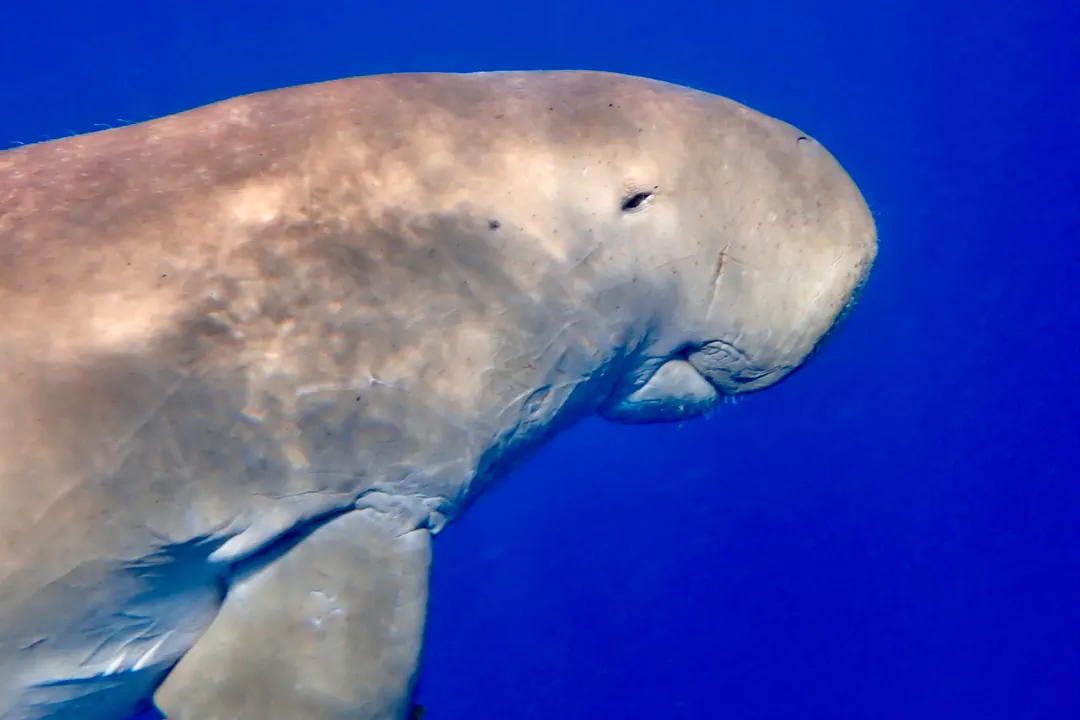
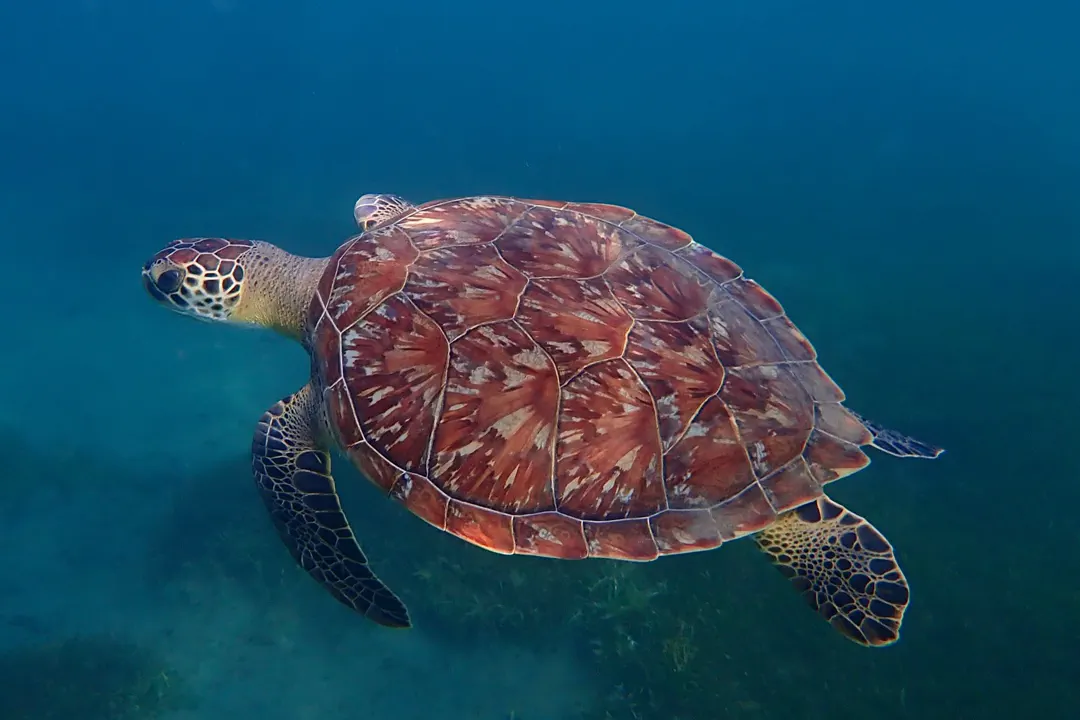
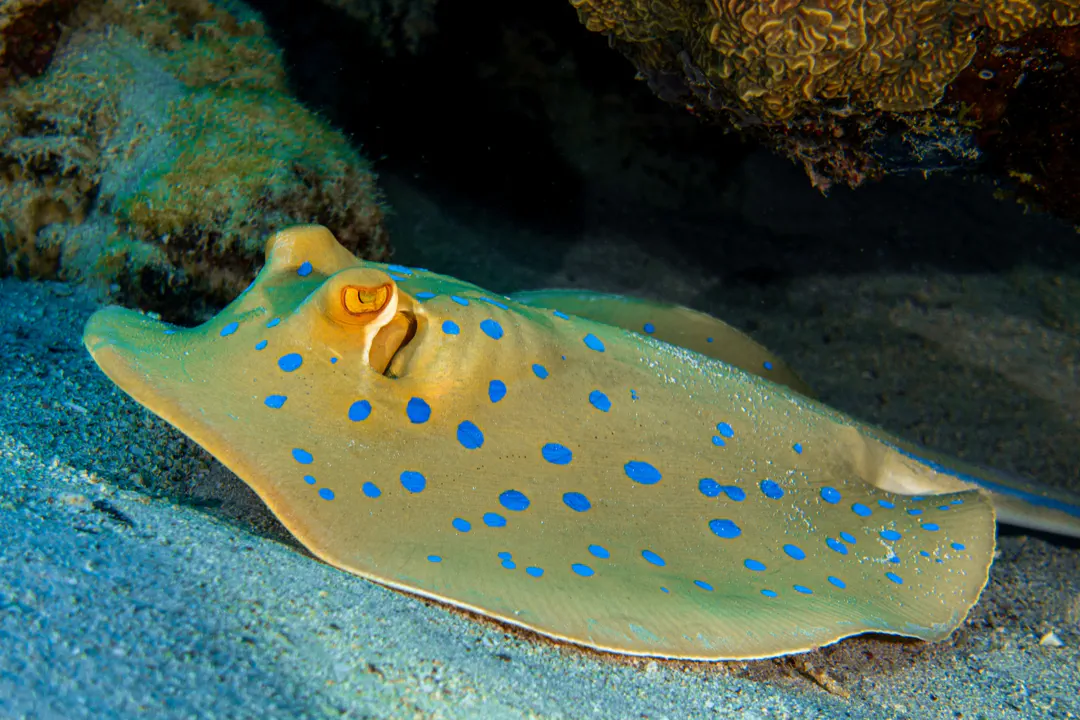
Green sea turtles gather here to feed on halophila seagrass, remaining motionless for long stretches between surface breaths. Resident dugongs occasionally graze across the central meadow, leaving clear feeding trails in the sand. Blue-spotted ribbontail rays and guitarfish rest on the bottom, while lionfish shelter along the fringing reef edges.
Divers navigate Abu Dabbab directly from the beach without requiring boat transport. Buoyancy control is essential to avoid disturbing the fine sediment layer and delicate seagrass roots. Snorkellers and divers share the shallow inner zone, while certified divers explore the outer coral gardens at 18 to 25 meters.
Depth: 5-25 m. Access: shore, direct beach entry. Level: Open Water. Best months: Year-round.
 Jean-Paul BoerekampsCC0 · iNaturalist
 © Matteo BellucciCC BY 4.0 · iNaturalist
 © Dirk FroebelCC BY 4.0 · iNaturalist
 © cello caruso-turielloCC BY 4.0 · iNaturalist
Samadai Reef (Dolphin House): Resident Spinner Dolphin Pods
Samadai Reef forms a horseshoe-shaped coral lagoon approximately 12 kilometers off the Marsa Alam coast. The interior bay creates a sheltered refuge from open sea swells, maintaining flat water conditions inside. The outer walls drop to 30 meters, where massive hard coral heads line the sandy seabed.
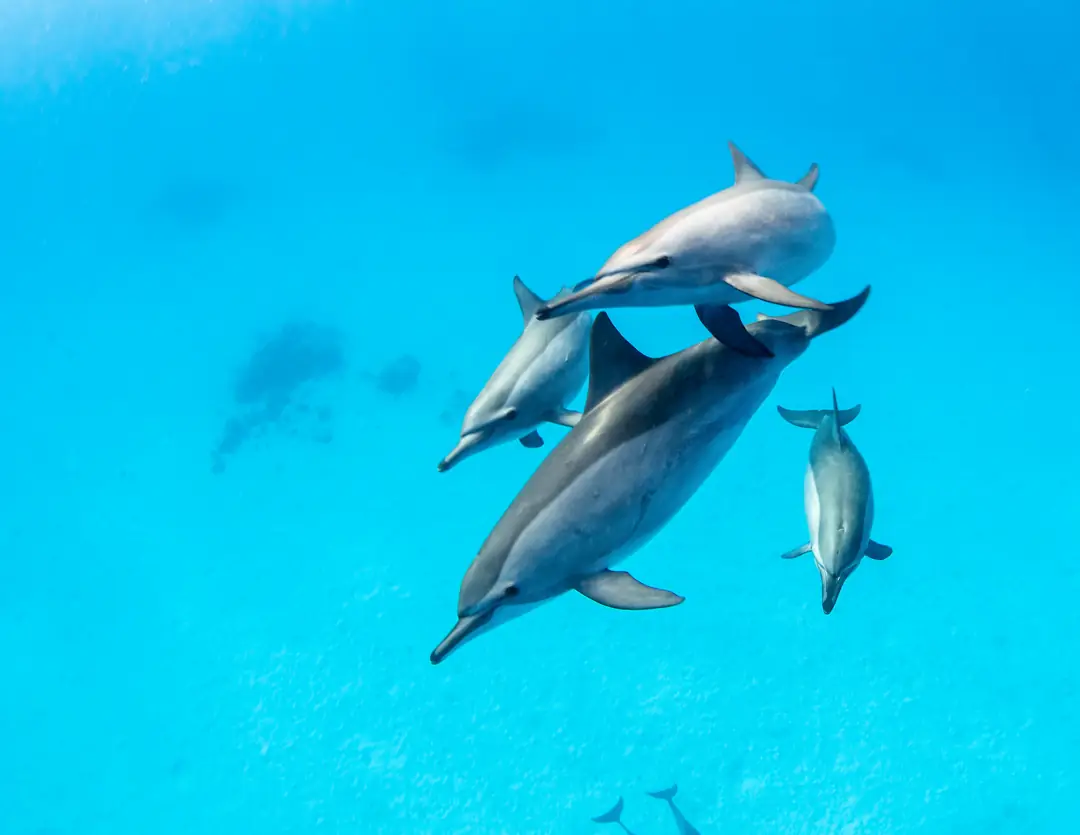
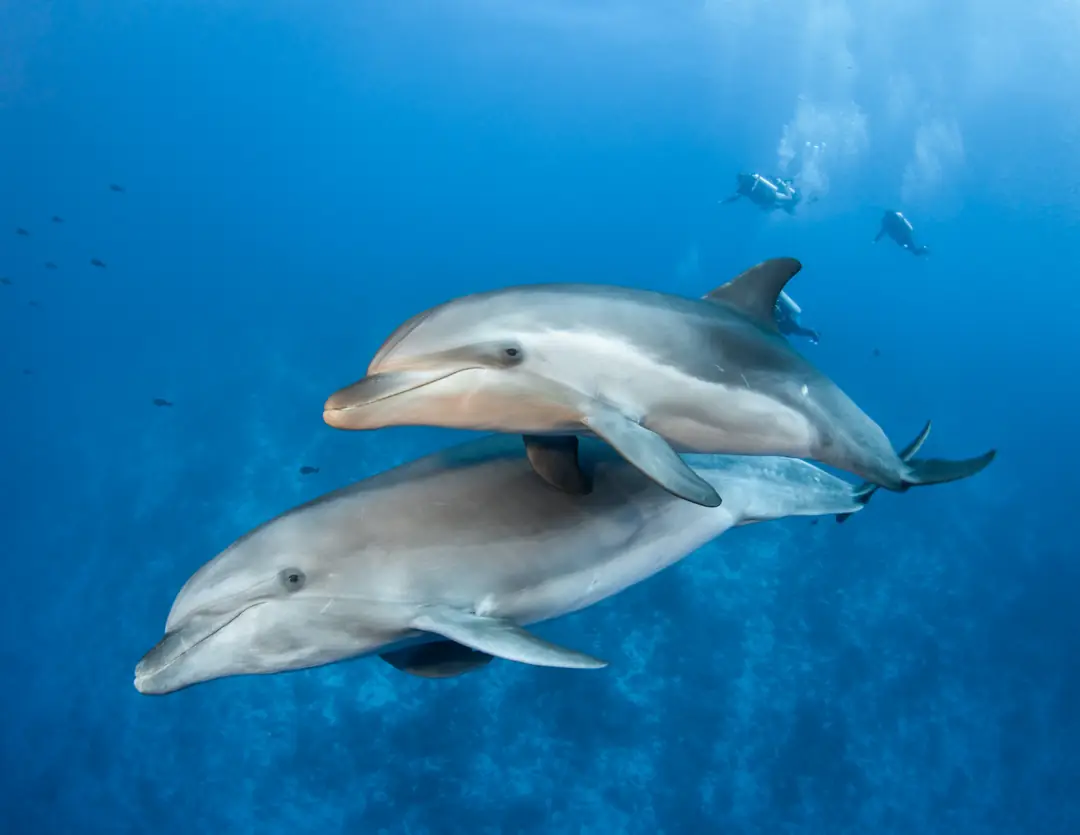
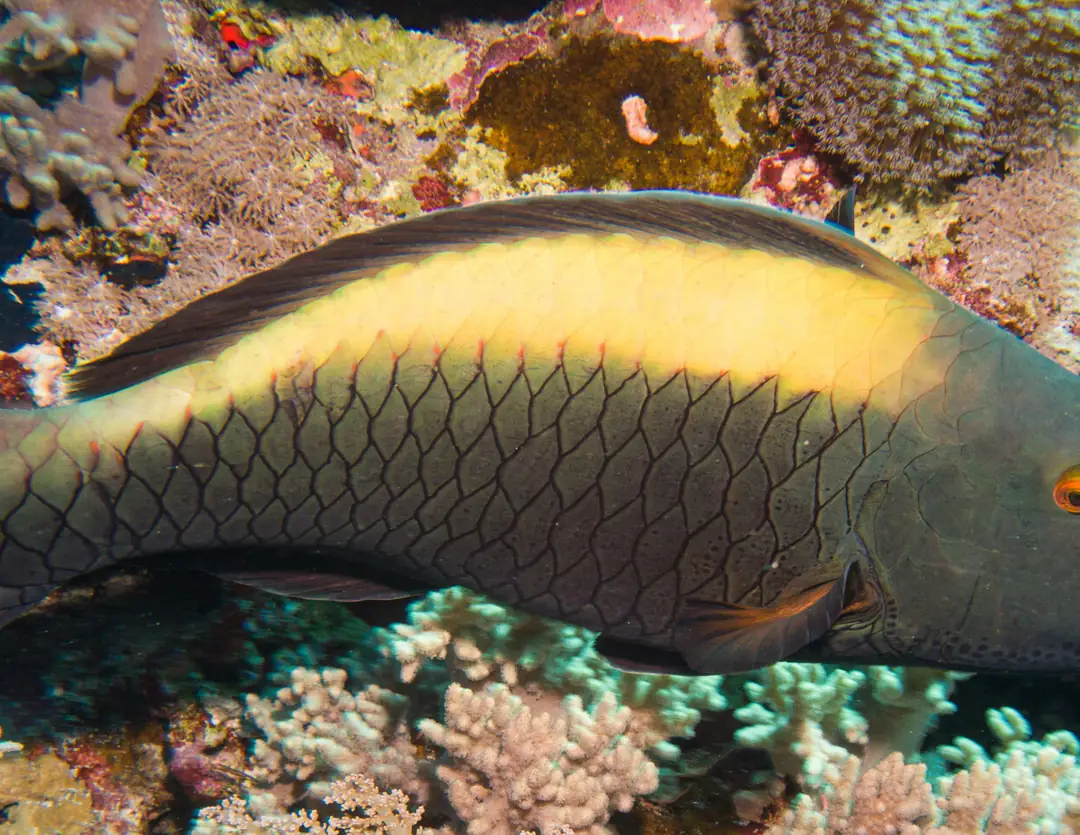
A resident pod of spinner dolphins uses the shallow turquoise lagoon as a resting site during daylight hours. Local marine management divides the lagoon into protected conservation zones to limit swimmer interaction and safeguard dolphin sleep patterns. Divers explore the outer reef walls, encountering giant clams, Red Sea butterflyfish, and bicolored parrotfish.
Entry to the main outer sites takes place from daily hard boats anchored along the reef perimeter. Currents along the outer pinnacles remain mild to moderate, making navigation straightforward. Sunlight illuminates intricate coral chimneys along the southern side of the reef structure.
Depth: 5-30 m. Access: boat, 45 minutes from Marsa Alam port. Level: Open Water. Best months: March-November.
 © seabook.appAll rights reserved
 © seabook.appAll rights reserved
 © Lesley ClementsAll rights reserved
Shaab Sharm: Wall Diving and Reef Sharks
Shaab Sharm is a large kidney-shaped reef sitting isolated in open water south of Marsa Alam. The reef features steep drop-offs on three sides and a deep eastern plateau extending beyond 30 meters. Deep crevices and coral overhangs cut into the wall, offering shelter for nocturnal marine life.
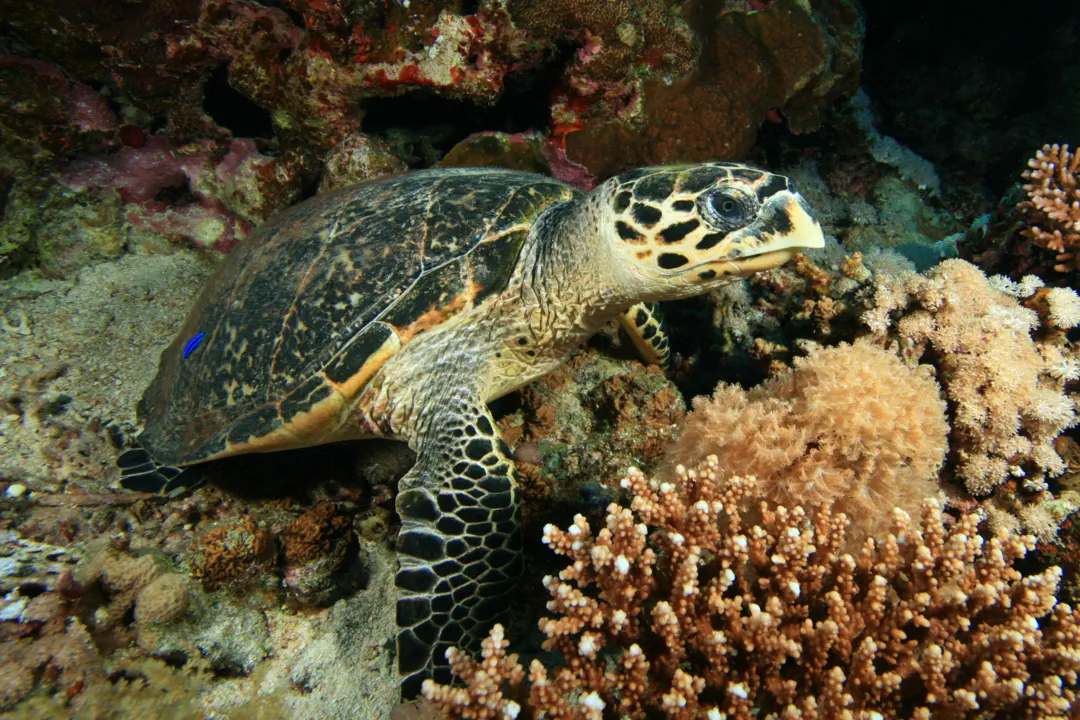
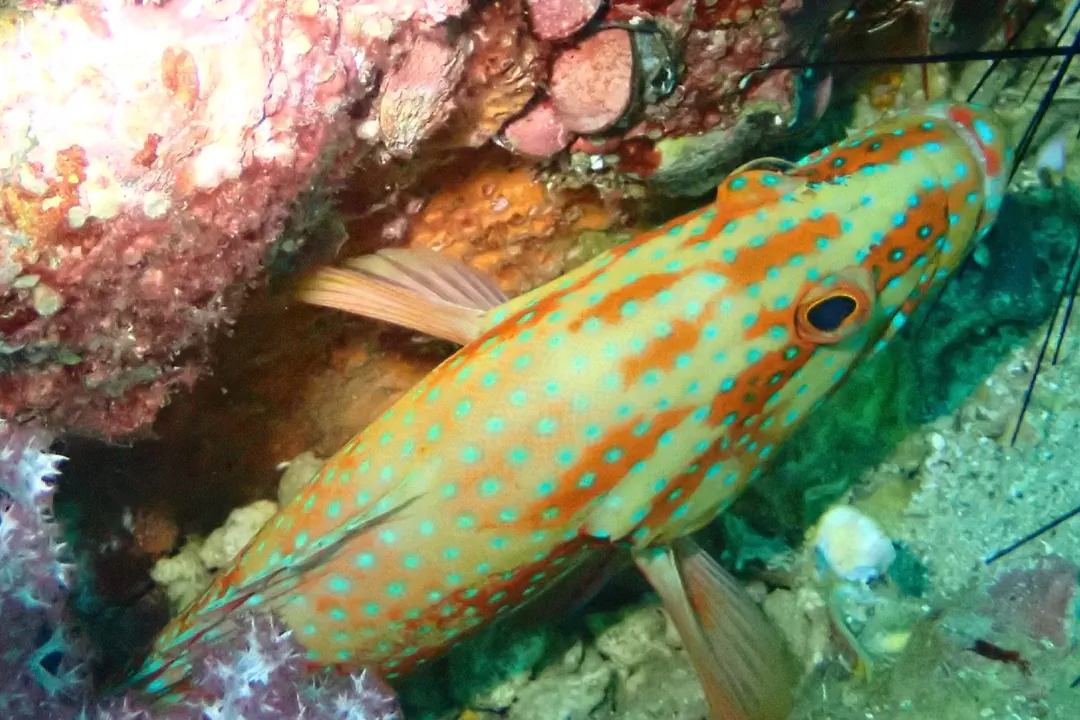
Whitetip reef sharks frequently lie resting on sandy ledges along the eastern plateau, while eagle rays glide through the open water column. Coral groupers and red soldierfish crowd inside dark alcoves, while hawksbill turtles browse among table corals. Currents pick up around the northern point, encouraging schooling jacks to assemble.
Dives at Shaab Sharm typically run as drift entries along the exposed walls, returning toward the sheltered lee of the boat mooring. Deep-water exposure requires disciplined computer monitoring and buoyancy maintenance. Visibility stays clear at 25 meters, revealing structural detail down the wall faces.
Depth: 10-35 m. Access: boat, 60 minutes from Marsa Alam port. Level: Advanced Open Water. Best months: April-November.
 © seabook.appAll rights reserved
 © Ben CostamagnaCC BY 4.0 · iNaturalist
Fury Shoals: Coral Gardens and Cave Systems
Fury Shoals comprises a vast cluster of reefs, swim-throughs, and hard coral gardens in the far south of Marsa Alam. Sites like Shaab Claude feature naturally lit limestone caverns and overhead swim-throughs filled with glassfish. Surrounding reef flats showcase branching Acropora and columnar hard corals in shallow water.
Orbicular batfish hover near cavern exits, while thousands of sea goldies form orange clouds over the coral pinnacles. Garden eels poke out from sandy channels between coral blocks, withdrawing into their burrows as divers drift past. Surface surge inside shallow caverns demands careful control to protect delicate overhead formations.
Reef sites across Fury Shoals vary from calm lagoons suitable for relaxed exploration to current-swept outer walls. Most divers access the complex via multi-day liveaboard itineraries originating from Port Ghalib or Hamata. Clear water allows daylight to penetrate deep into structural corridors, creating optimal ambient light.
Depth: 5-25 m. Access: boat / liveaboard, 2 hours from Hamata port. Level: Open Water. Best months: March-November.
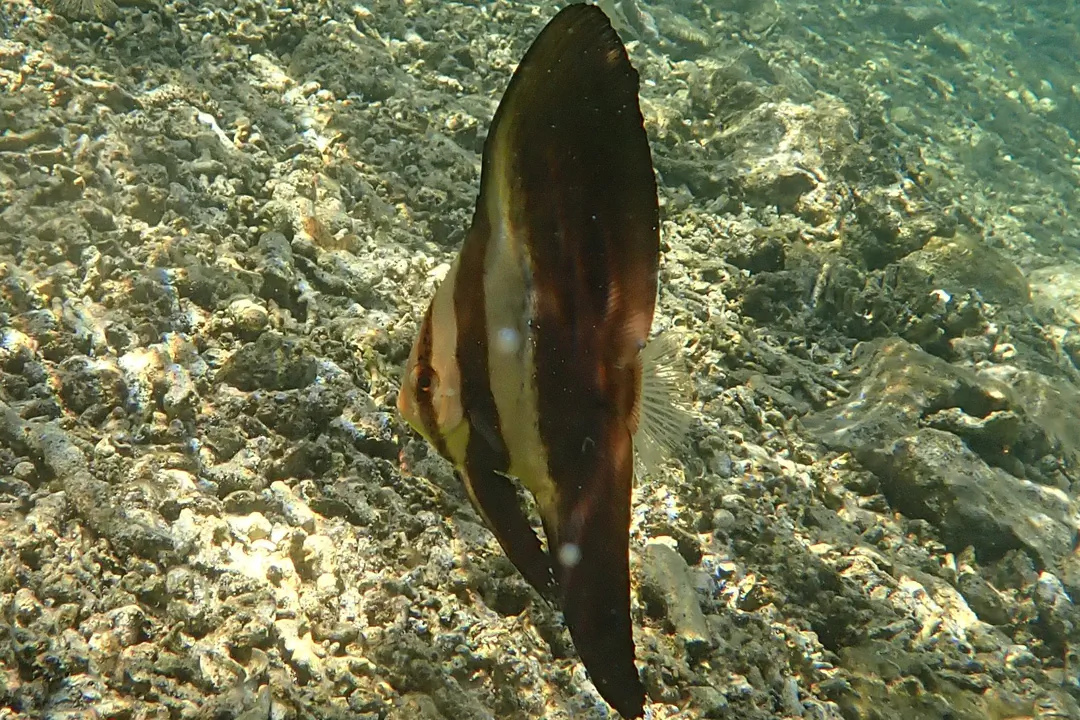 © portioidCC BY 4.0 · iNaturalist
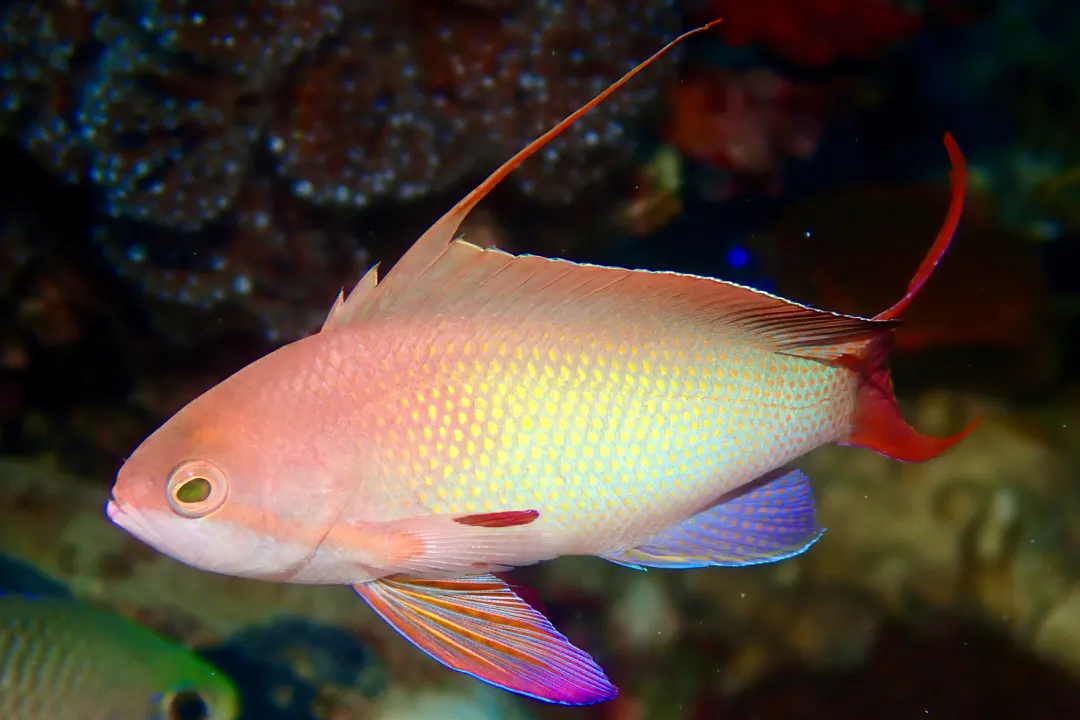 © Libby KeatleyCC BY 4.0 · iNaturalist
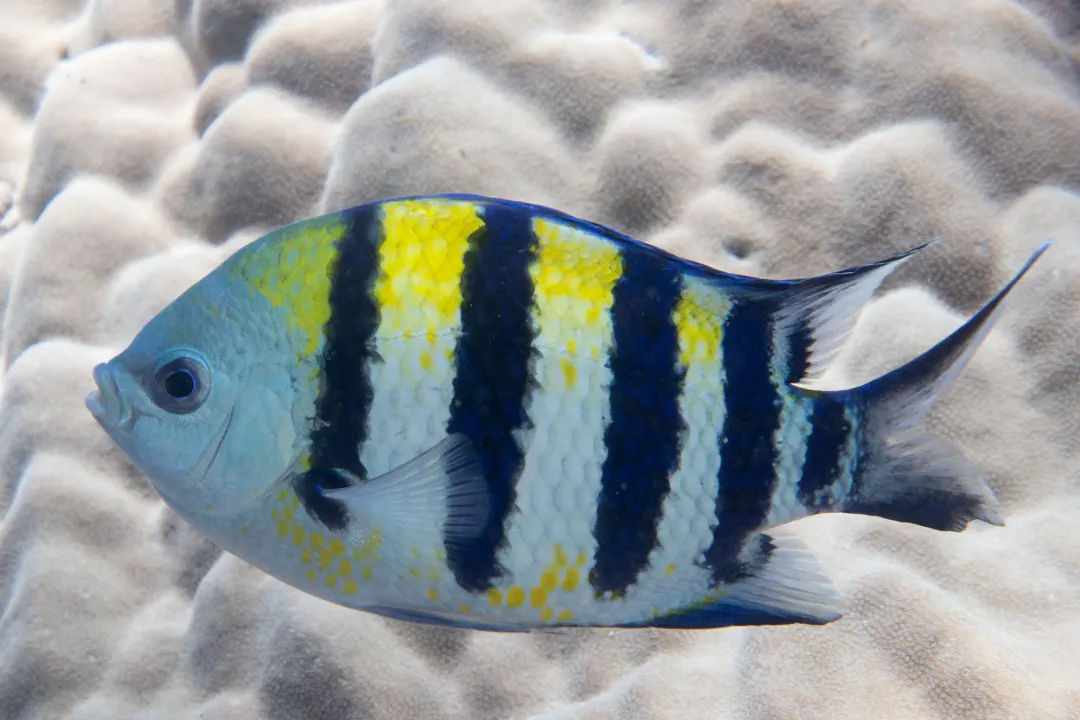 © Rickard ZerpeCC BY 4.0 · iNaturalist
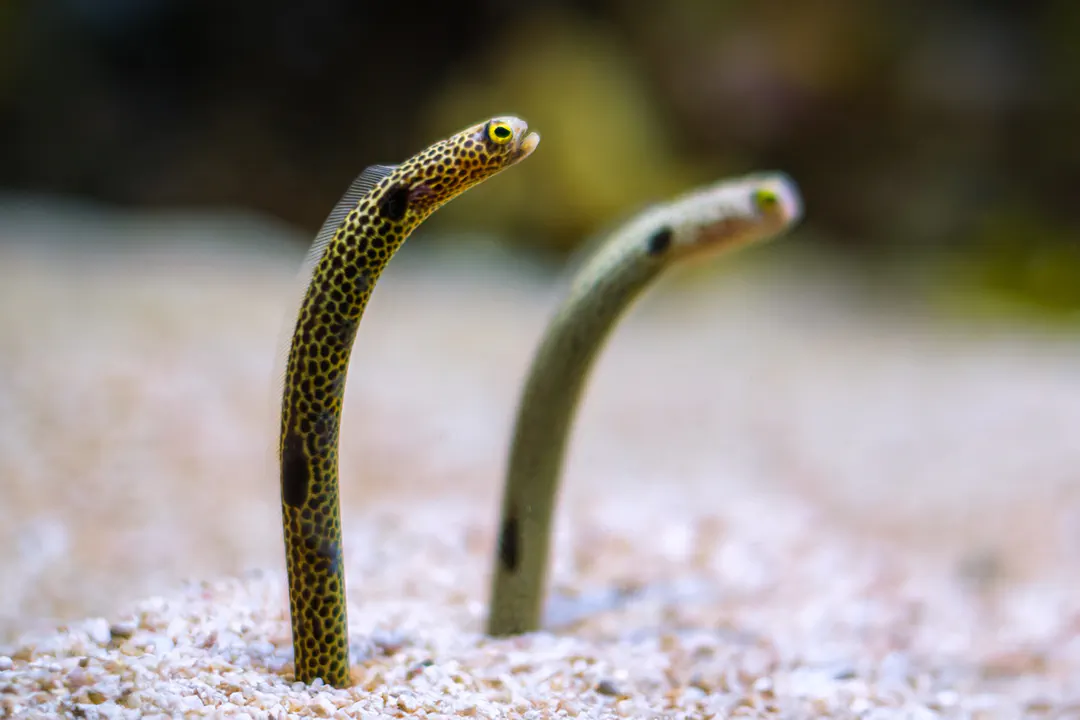 © seabook.appAll rights reserved
Hamada Wreck (Abu Ghusun): Shallow Reef Wreck
The SS Hamada was a 65-meter cargo vessel that ran aground and sank at Abu Ghusun in 1993, resting in shallow water between 0 and 18 meters. The wreck split into two main sections along the sandy seabed, directly integrated into the adjacent fringing reef. Its shallow orientation allows long bottom times for divers and easy access for snorkellers.
Hard and soft corals encrust the steel hull, masts, and cargo holds, turning the ship into an artificial reef structure. Devil scorpionfish and stonefish blend into rusted metal plates, while humphead wrasse cruise between the open holds. Red Sea clownfish defend anemones attached directly to exposed deck machinery.
Access takes place via a shore entry across a narrow reef flat, followed by a short surface swim into the bay. Water conditions remain calm during early morning hours before coastal afternoon winds generate chop. Penetration requires care due to sharp metal edges and loose interior cables inside the hold compartments.
Depth: 0-18 m. Access: shore, direct beach entry at Abu Ghusun. Level: Open Water. Best months: Year-round.
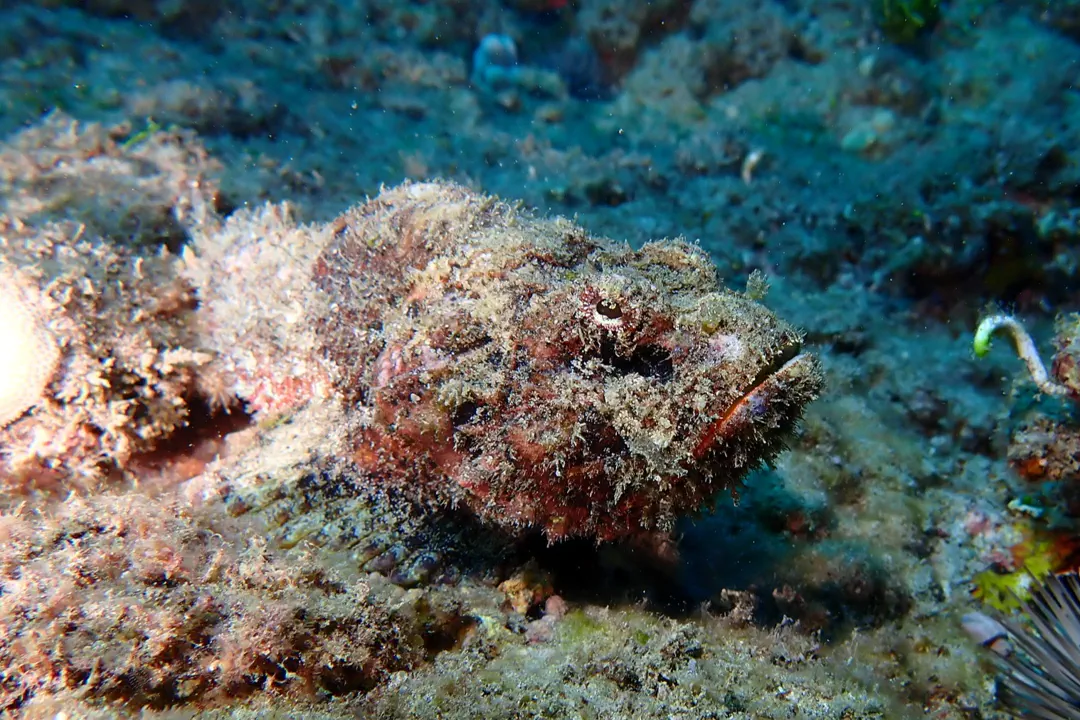 © Robin WhiteCC BY 4.0 · iNaturalist
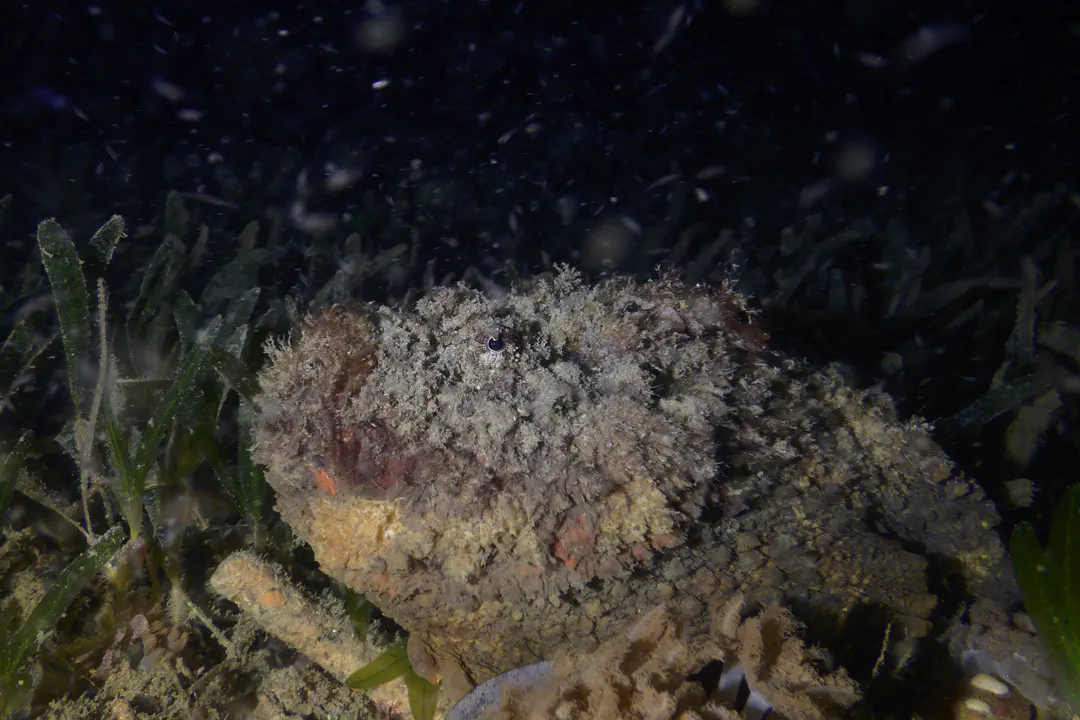 © Ewout KnoesterCC BY-SA 4.0
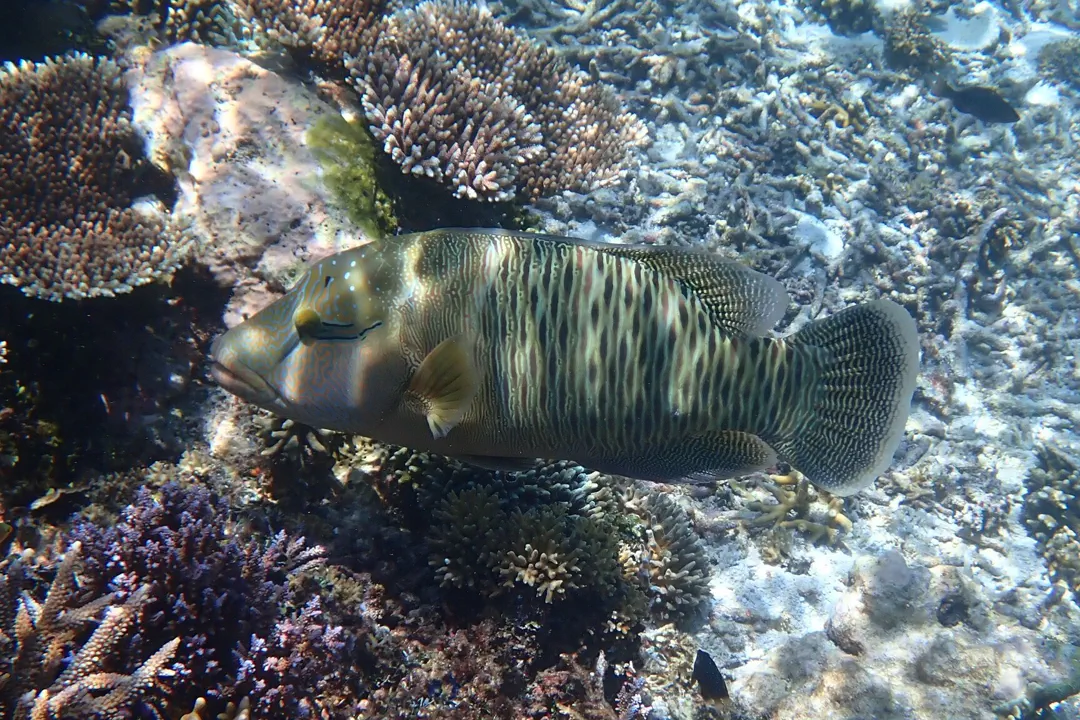 © Nicola CrockfordCC BY 4.0 · iNaturalist
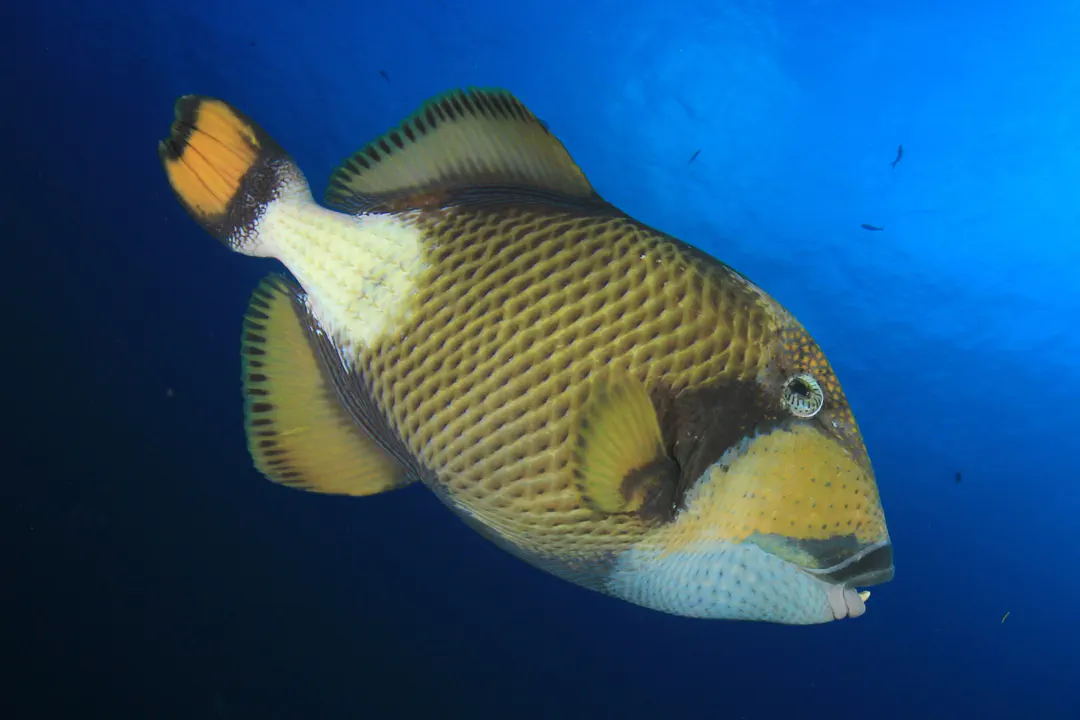 © seabook.appAll rights reserved
Marine Life in Marsa Alam
Marine life in Marsa Alam features high biodiversity driven by isolated southern reef structures and extensive seagrass habitat. Over 1,000 invertebrate species and hundreds of fish species inhabit these waters, including distinct Red Sea endemics like the Sohal surgeonfish and Red Sea clownfish. Massive coral colonies provide sheltering structures for triggerfish, angelfish, and pufferfish.
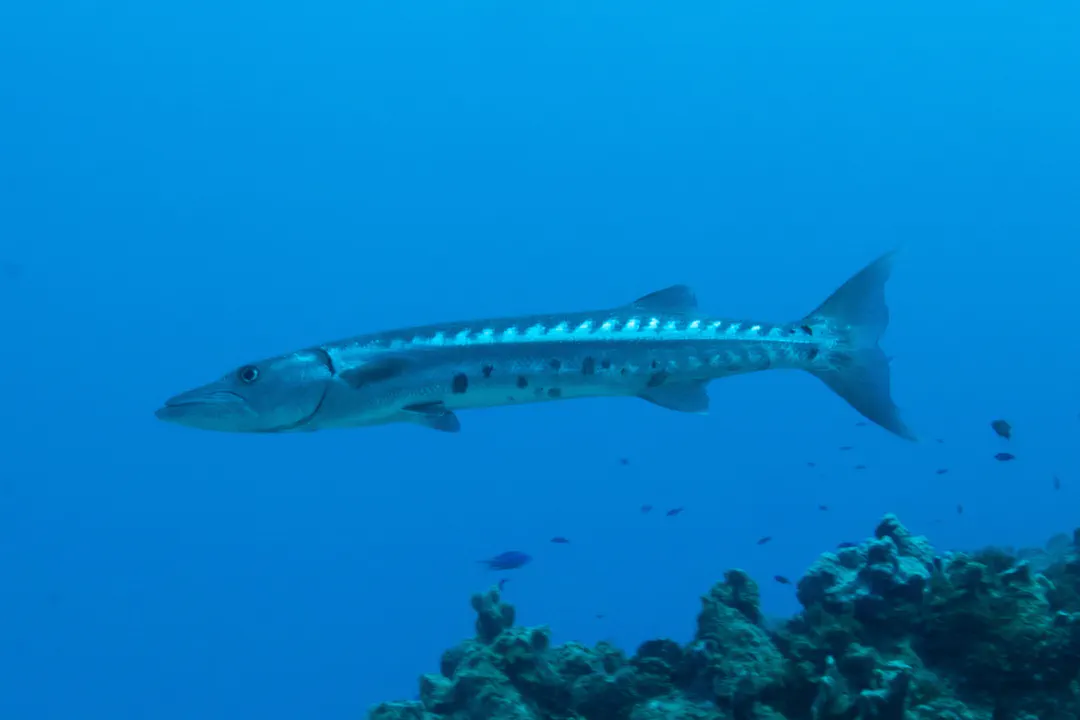
Deep-water currents bring open-ocean predators near the outer walls, including tuna, barracuda, and reef sharks. Shallow bays host blue-spotted ribbontail rays and green sea turtles feeding on seagrass roots. Divers can log their sightings and identify fish photographed during dives using the Seabook mobile app while exploring these reefs.
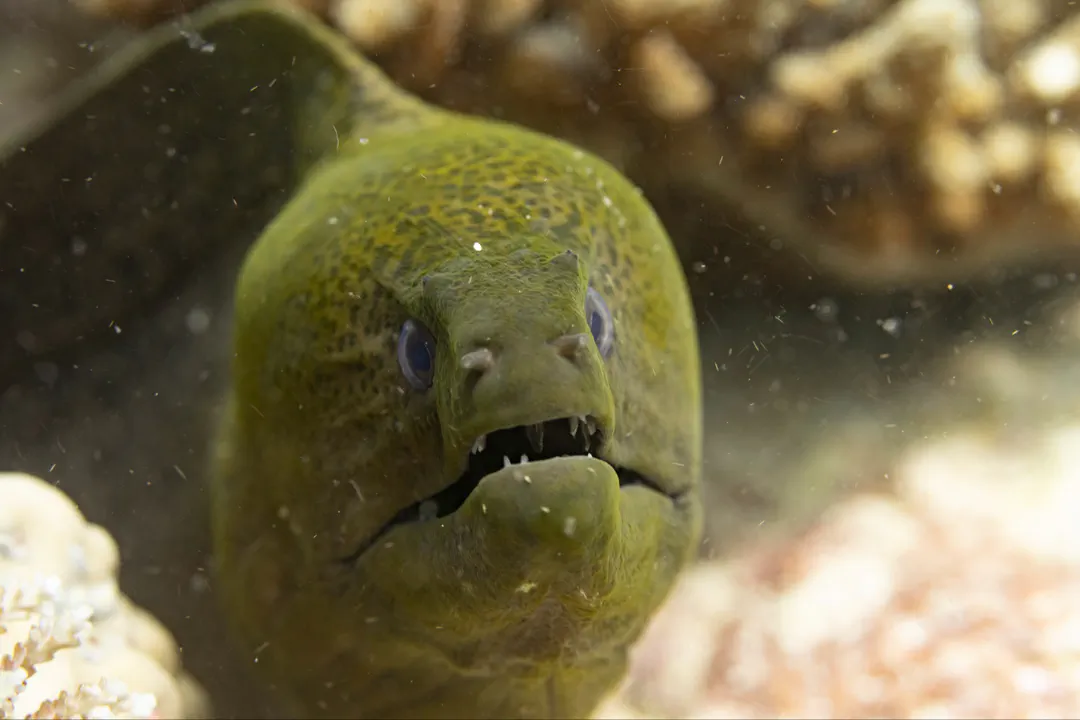
Soft coral trees in pink and orange hues coat exposed drop-offs where current flows are strongest. Emperor angelfish and mask butterflyfish navigate between hard coral branches, while giant morays occupy deep coral crevices. The balance between shallow bay ecosystems and deep outer walls creates diverse marine encounters across short distances.
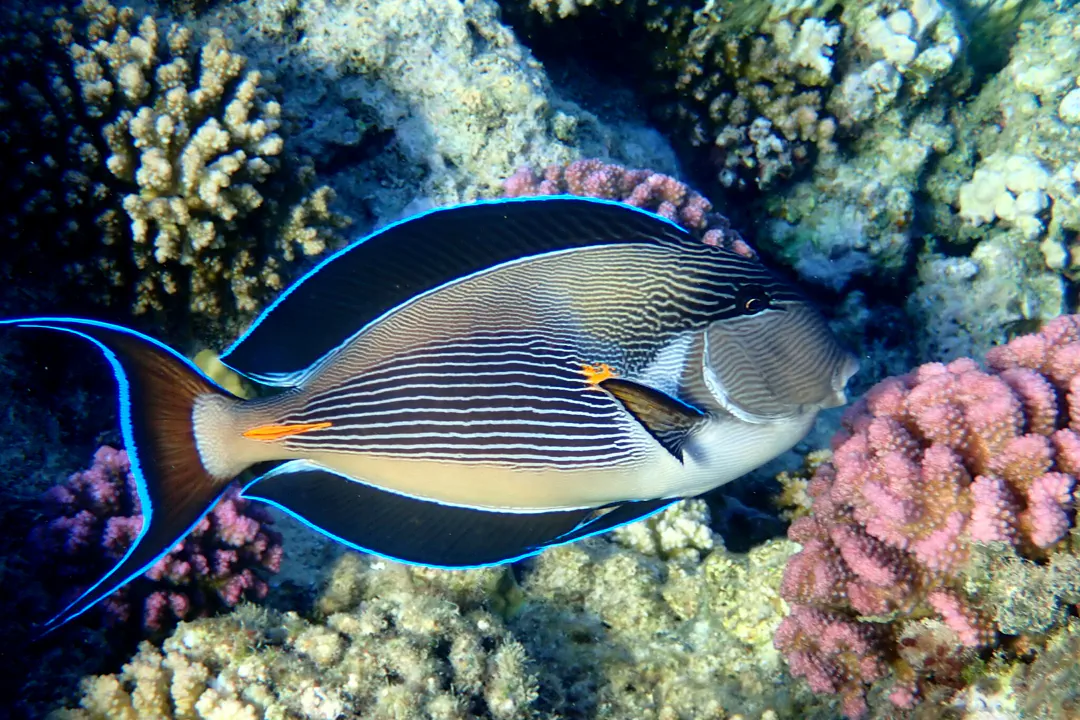 Andrew DeaconCC0 · iNaturalist
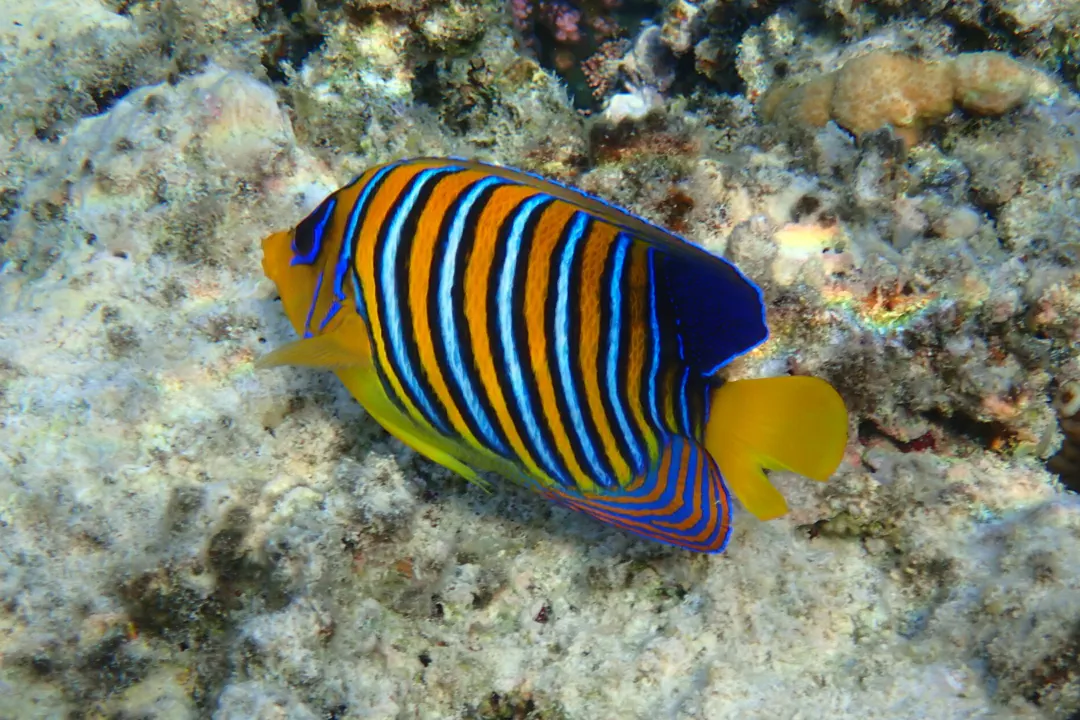 Andrew DeaconCC0 · iNaturalist
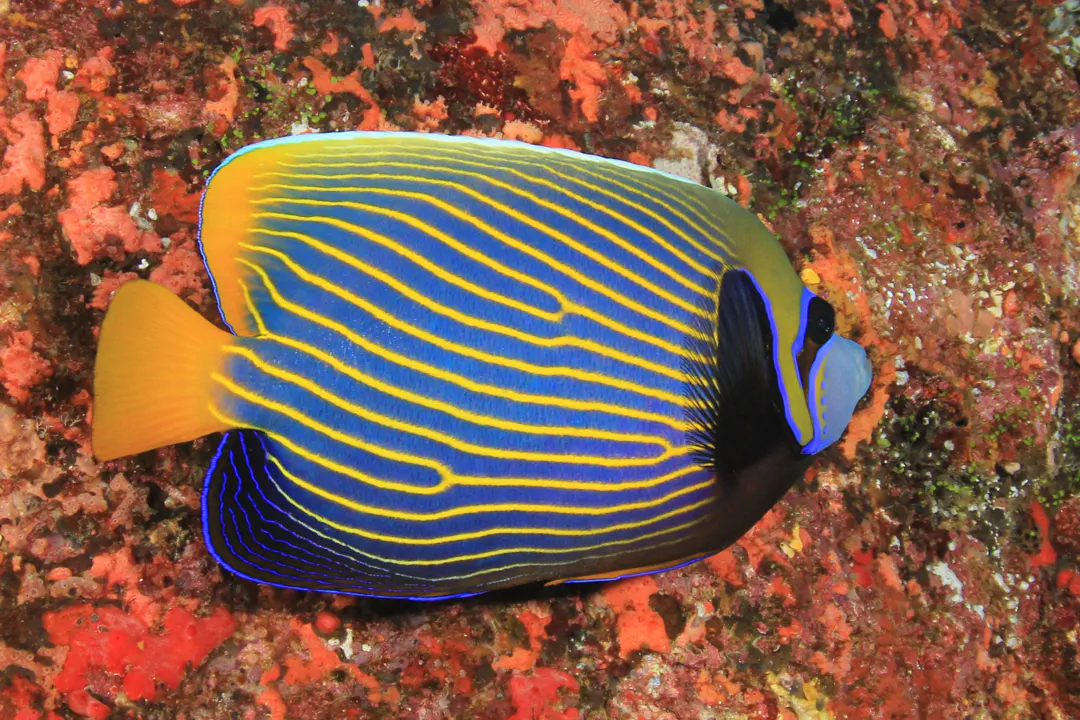 © seabook.appAll rights reserved
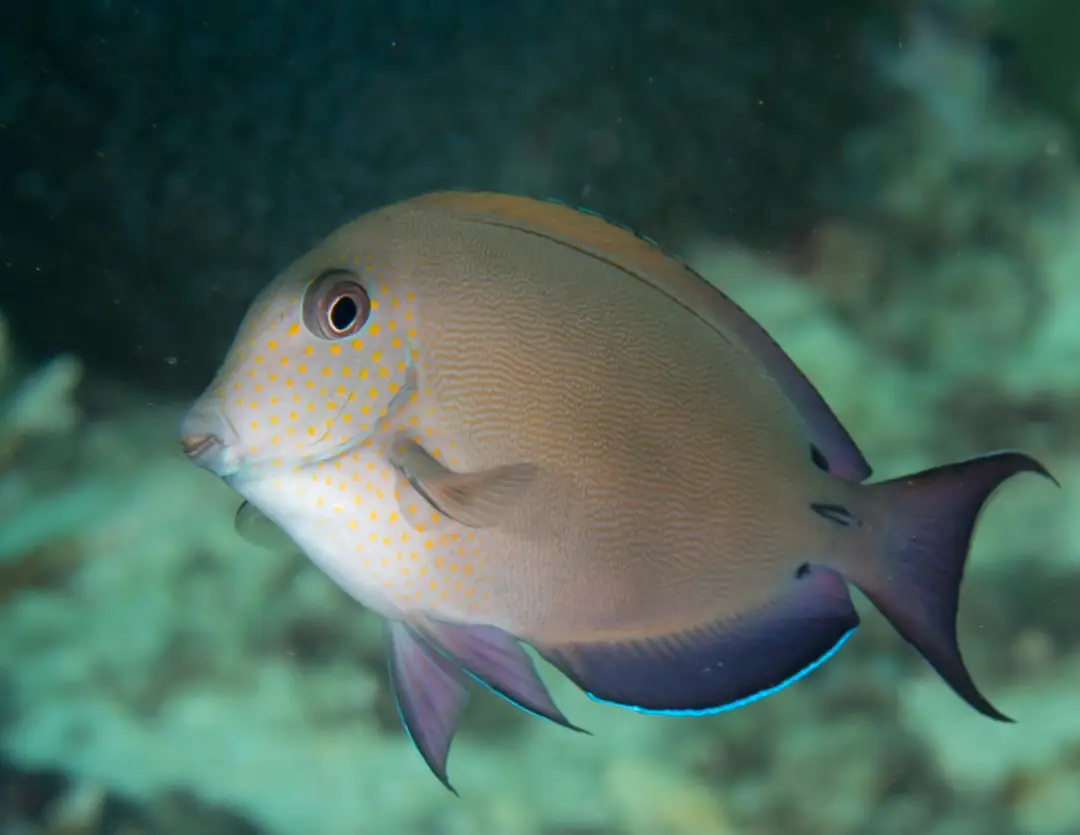 © Rickard ZerpeCC BY 4.0
Is Marsa Alam Good for Beginners and Snorkellers?
Marsa Alam is well-suited for beginner divers and non-diving snorkellers thanks to its calm, shore-accessible bays. Sites like Abu Dabbab provide shallow sandy entries into waist-deep water before sloping gently toward inner reef systems. New divers can practice buoyancy and complete Open Water training without facing strong currents or heavy surf.
Snorkellers enjoy access to green sea turtles and shallow coral flats directly from resort beaches or guided shore trips. Sheltered lagoons like Samadai offer protected swimming conditions away from heavy wave action. Local dive centers provide dedicated snorkel guides and flotation equipment for non-certified visitors exploring the bay margins.
However, offshore pinnacles like Elphinstone and Shaab Sharm require advanced certification, good buoyancy control, and experience handling open-water currents. Dive operators enforce minimum dive counts and Advanced Open Water credentials before taking guests to exposed ocean walls. Matching site selection to individual certification levels ensures safety across all experience brackets.
Getting There and Practical Tips
Reaching Marsa Alam is straightforward via Marsa Alam International Airport (RMF), which receives direct charter and scheduled flights from major European cities. Alternatively, visitors can fly into Hurghada International Airport (HRG) and arrange a three-hour land transfer south along the coastal highway. Local resort shuttles and private taxis manage airport transfers across the region.
Accommodation ranges from eco-lodges and dedicated dive resorts to large all-inclusive hotels positioned along private bays. Daily diving operates either through resort-based dive centers utilizing speedboats and hard boats or through multi-day liveaboards departing from Port Ghalib or Hamata. Liveaboards provide access to remote southern reefs like Fury Shoals and St. John's.
Marine park entrance fees apply for offshore sites like Elphinstone and Samadai, typically collected by dive centers during trip check-in. Divers should bring proof of certification, logbooks, and valid dive insurance. Nitrox is widely available and recommended for extending bottom times on repetitive deep wall dives.
Questions
Are there sharks in Marsa Alam?
Yes. Oceanic whitetip sharks have made Elphinstone famous, and grey reef sharks and whitetip reef sharks occur at offshore reefs. Sightings vary by season and conditions, so no encounter is guaranteed. Divers should avoid approaching or feeding sharks.
Can you see dugongs in Marsa Alam?
Yes, dugongs occur around shallow seagrass bays including Abu Dabbab and Marsa Mubarak, but encounters are opportunistic rather than assured. Watch quietly from a respectful distance, avoid blocking the animal's route, and never touch or pursue it.
What fish can you see in Marsa Alam?
Common reef sightings include Sohal surgeonfish, emperor angelfish, lionfish, giant morays, groupers, butterflyfish, fusiliers, and blue-spotted ribbontail rays. Green turtles, hawksbill turtles, barracuda, tuna, and reef sharks are also encountered depending on the site.
How warm is the water in Marsa Alam in October?
Water temperature is commonly about 27°C to 28°C in October, with minimal daily variation. A 3mm wetsuit suits most divers, while a 5mm suit is recommended for those who chill easily or perform long repetitive dives.
Is Marsa Alam suitable for beginner divers?
Yes. Sheltered bays such as Abu Dabbab offer shallow water and sandy entries, while the Hamada wreck reaches approximately 18 meters. Exposed sites such as Elphinstone involve greater depth, current, and blue-water ascents, requiring advanced certification.
What is the best month to dive in Marsa Alam?
April, May, October, and November offer optimal balance with water temperatures between 25°C and 28°C and moderate winds. Water temperatures across the year range from 22°C in winter to 29°C in late summer.