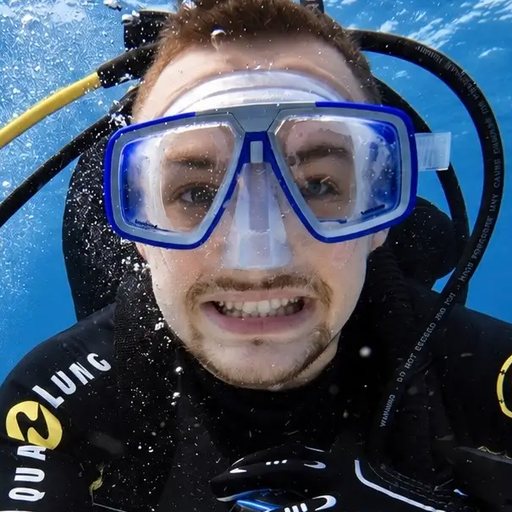
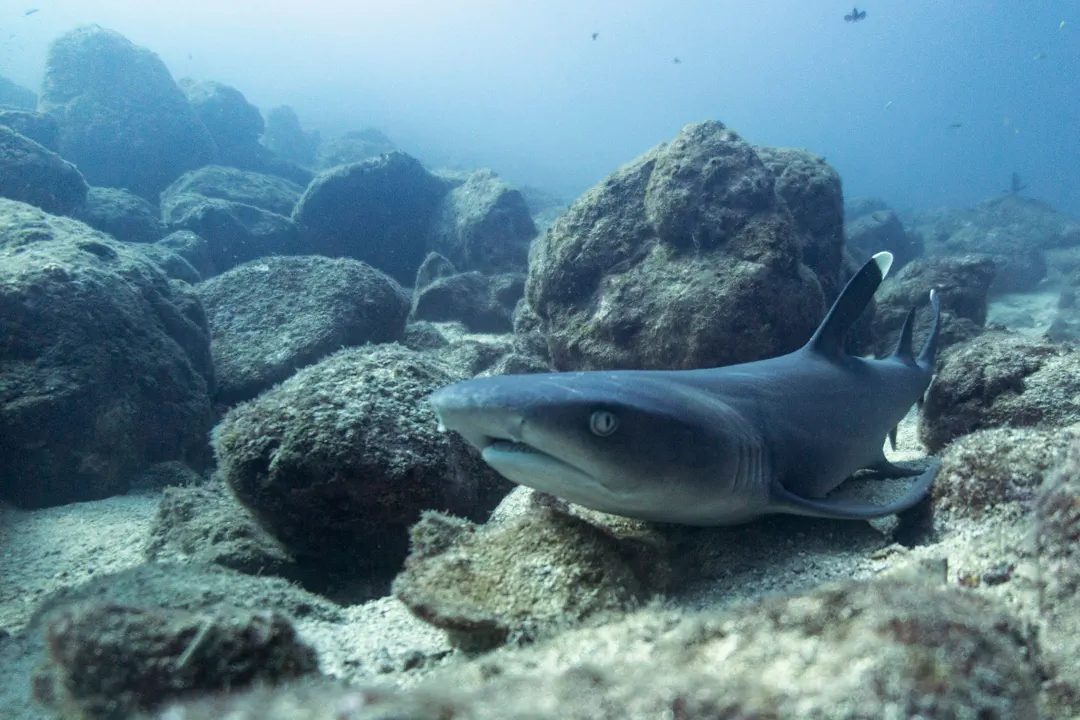
At 15 metres along the plateau of Blue Corner, a heavy oceanic current pulls against your dive gear as you clip a stainless steel reef hook into bare rock. Suspended in the blue like a kite on a string, you watch eight gray reef sharks hold their position against the rush of water without moving a fin. Sunlight cuts through thirty metres of water, illuminating a massive humphead wrasse rolling its thick jaw toward the reef edge.
Planning a trip for diving in Palau opens access to one of the Pacific ocean's distinct marine environments, defined by sheer walls, coral channels, and deep cavern networks. The best time to dive in Palau runs from November to May during the dry season, when northeast trade winds maintain calmer sea conditions and underwater visibility stretches from 15 to 30 metres. Water temperatures remain warm year-round, holding steady between 27°C and 30°C across all major diving sites.
Famous sites such as Blue Corner, German Channel, Ulong Channel, Peleliu Wall, and Chandelier Cave show the island nation's physical variety. Experienced divers thrive in the high-energy currents along the outer drop-offs, where gray reef sharks, reef manta rays, and schooling barracuda gather in large numbers. Beginners and snorkellers can explore sheltered lagoons, shallow coral gardens, and protected marine lakes without facing strong open-ocean surges.
What Is Diving in Palau Like?
Diving in Palau is defined by vertical drop-offs that plunge into deep ocean trenches, swept by nutrient-laden currents that feed thousands of marine species. Outer wall dives demand good buoyancy control and comfort in open water, as incoming tides push pelagic predators straight against the reef plateau. Divers secure themselves using reef hooks anchored to bare rock, allowing them to hang stationary in strong currents while watching oceanic life pass by.
Beyond high-octane wall drift dives, Palau features intricate marine geography formed by limestone Rock Islands and natural ocean passages. Sheltered channels like Ulong and German Channel funnel water between shallow lagoons and the open sea, creating feeding grounds for rays, sharks, and large groupers. Submerged limestone caverns and air-filled chambers provide quiet, sheltered spaces where haloclines and rock formations contrast with the swift water outside.
Ocean conservation forms an active part of daily diving across the archipelago. Indigenous traditions such as bul historically closed specific reefs to allow fish stocks to recover before modern regulations took hold. The surrounding waters operate under strict conservation frameworks where commercial shark fishing is completely banned, allowing reef sharks and large rays to flourish in numbers rarely seen elsewhere in the Pacific.
Best Time to Dive in Palau
The best time to dive in Palau is during the dry season from November to May, when northeast trade winds bring calmer seas and clear water. During these months, surface conditions allow comfortable boat journeys to remote outer reefs, and visibility routinely reaches 20 to 30 metres. While tropical downpours can occur in any month, rainfall is less frequent during this winter and spring window.
Seasonal wildlife events shift with the calendar, tides, and moon cycles across Palau's reef systems. Reef manta rays gather in higher numbers around cleaning stations from December through April, taking advantage of rich plankton concentrations inside shallow channels. Spawning aggregations of camouflage groupers, red bass, and bumphead parrotfish align with full and new moons, filling specific reef passes with active courtship displays.
The wet season from June to October brings heavier rainfall and occasional wind shifts, but diving remains active throughout the year. Surface swells can make boat travel to exposed southern sites like Peleliu more challenging during summer storms. However, sheltered sites within the Rock Islands remain protected from rough weather, offering calm entry conditions and rich marine life regardless of the month.
Palau Water Temperature by Month
Water temperatures in Palau range between 27°C and 30°C throughout all twelve months of the year. Surface water typically averages 29°C, creating warm, comfortable conditions for single and repetitive dives. Thermal shifts are minimal between seasons, making exposure suit selection straightforward for visiting divers.
Exposure suit choices depend on individual cold tolerance and planned dive depths rather than seasonal shifts. A 3mm full wetsuit or a long-sleeved rashguard with dive shorts works well for most divers in these tropical waters. Long liveaboard trips with four to five dives per day can cause gradual core cooling, making a 3mm full suit the most practical option for multi-day itineraries.
Thermoclines can appear along steep vertical walls where deep ocean water upwells against the reef structure. Divers descending past 20 metres along outer drop-offs may encounter sudden temperature drops of two to three degrees Celsius. These cooler currents often carry plankton, drawing schools of unicornfish and pelagics closer to the wall edge.
Water temperature
Palau, monthly average
Average sea surface temperatures for Koror, Palau's main diving hub. Data represents typical tropical Pacific conditions in the western Caroline Islands region.
Best Dive Sites in Palau
Palau's best dive sites are distributed across three distinct geographical zones: the Koror Rock Islands, the central channels, and the exposed southern tip of Peleliu. Each zone presents a unique underwater environment, ranging from air-filled stalactite caves to oceanic drop-offs swept by deep currents.
The Rock Islands offer sheltered wall dives, natural swim-throughs, and calm channels lined with hard corals. Further south, historic passages funnel open-ocean water into shallow lagoons, establishing cleaning stations for filter-feeding rays. At the far southern margin, Peleliu's oceanic point projects into deep blue water where pelagic predators gather along sheer vertical drop-offs.
Blue Corner (Koror): Reef Sharks and High-Current Drift
Blue Corner is a prominent triangular reef plateau projecting into deep ocean water along Palau's western barrier reef. Strong oceanic currents strike the vertical wall, forcing nutrient-rich water upward over the reef crest at depths between 8 and 30 metres. Divers descend along the wall, attach reef hooks to bare rock at the corner edge, and unfill their buoyancy compensator to drift comfortably above the substrate.
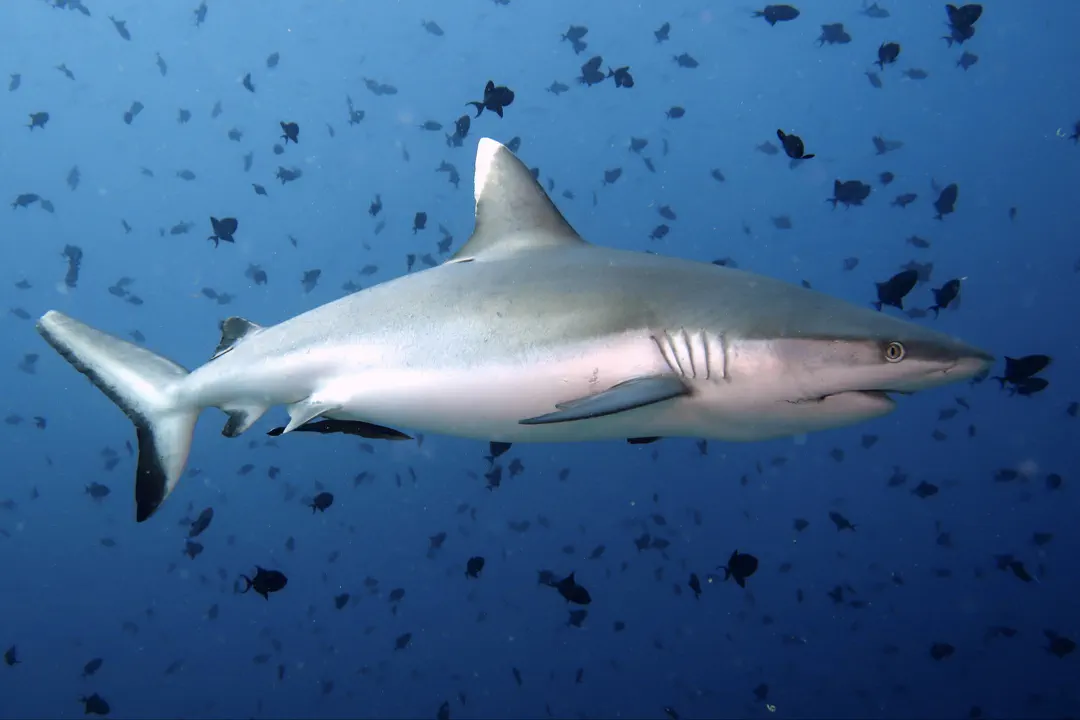
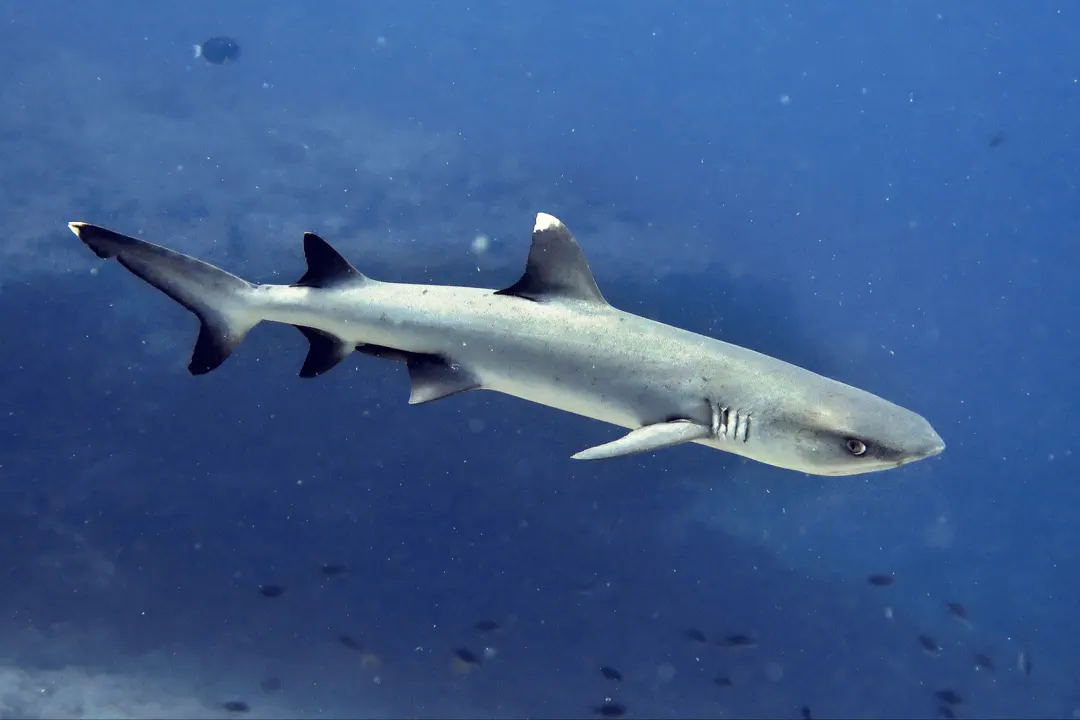
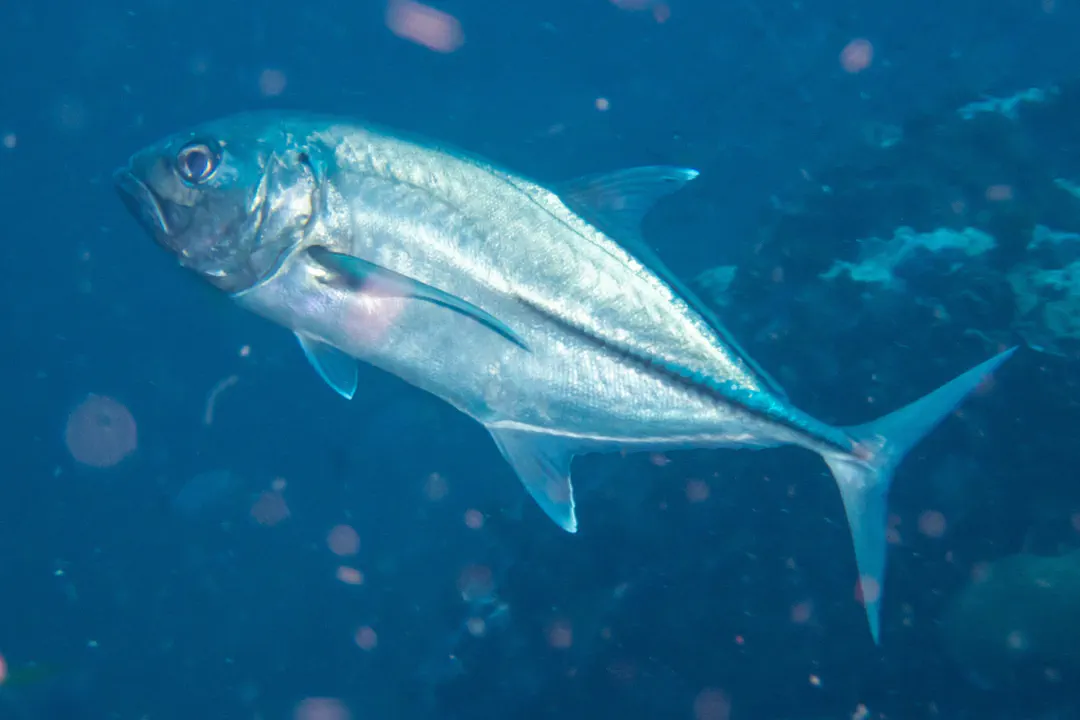
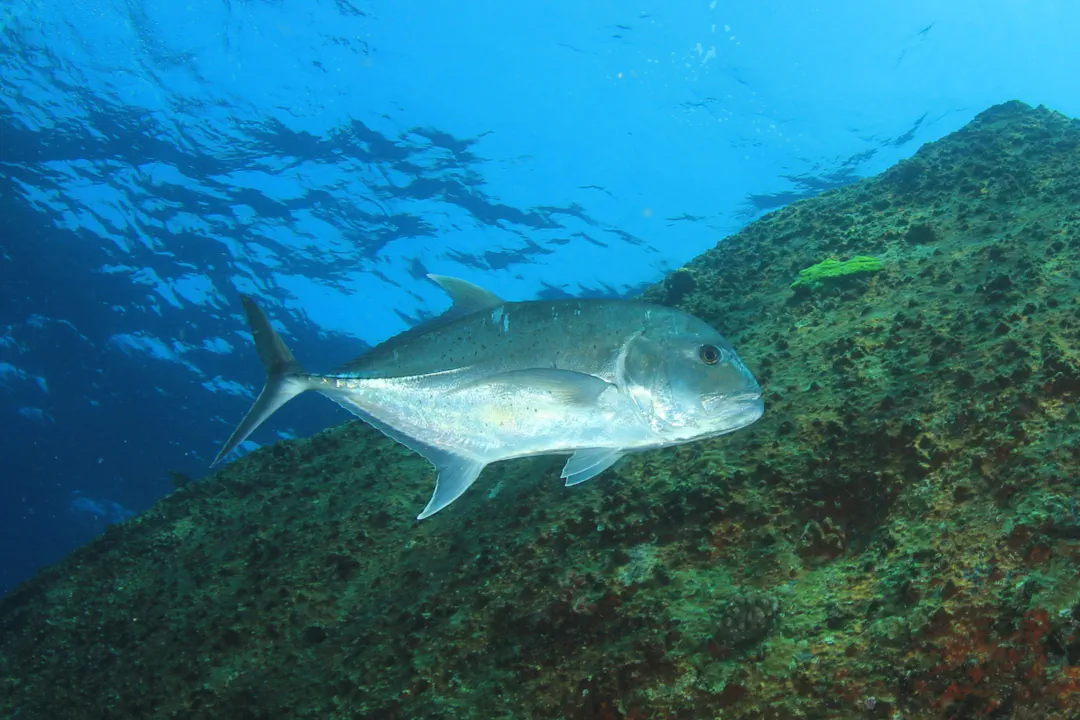
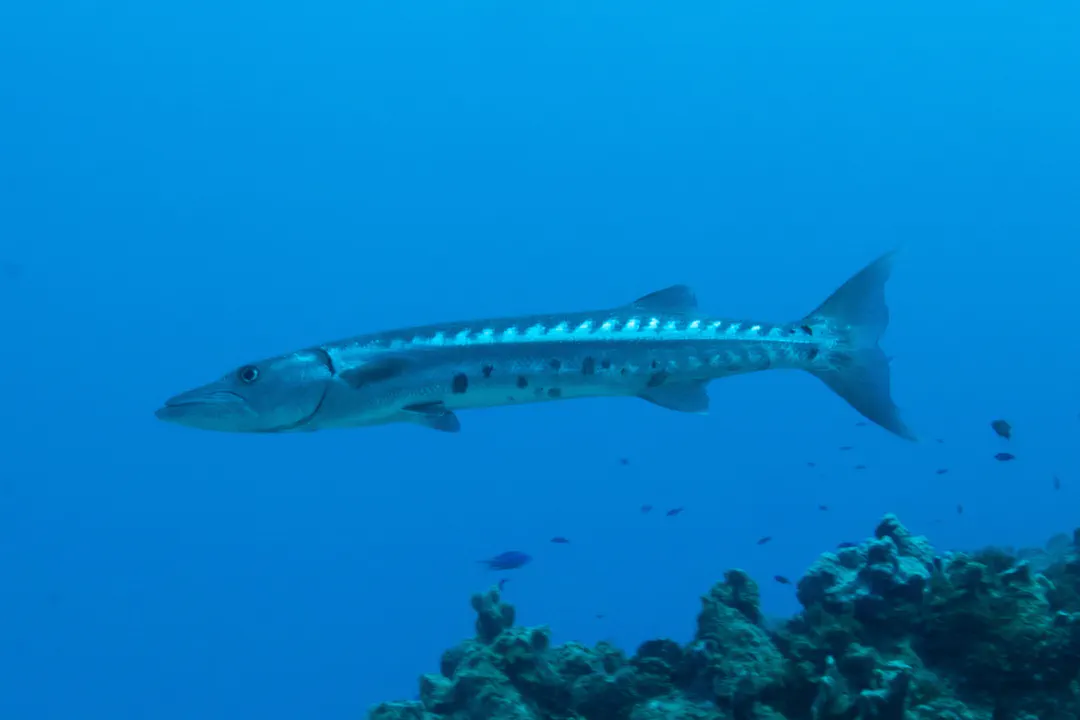
Dozens of gray reef sharks (Carcharhinus amblyrhynchos) and whitetip reef sharks (Triaenodon obesus) patrol the edge of the blue, facing directly into the current. Massive humphead wrasse (Cheilinus undulatus) glide among divers, while dense schools of bigeye trevally (Caranx sexfasciatus), giant trevally (Caranx ignobilis), and blacktail barracuda (Sphyraena barracuda) form swirling columns overhead. Redtooth triggerfish and blue-spotted unicornfish (Naso unicornis) flutter along the reef top.
Managing buoyancy and gas consumption is essential here, as downcurrents can develop quickly when the tide shifts. Guides monitor current strength closely before directing divers to deploy hooks, ensuring no contact is made with living coral structures.
Depth: 8-30 m. Access: boat, 45 minutes from Koror. Level: Advanced Open Water. Best months: November-May.
 © Daniel BenákCC BY 4.0 · iNaturalist
 © Daniel BenákCC BY 4.0 · iNaturalist
 © seabook.appAll rights reserved
 © portioidCC BY 4.0 · iNaturalist
 © seabook.appAll rights reserved
 © Dan SchofieldCC BY 4.0 · iNaturalist
German Channel (Ngurchor): Manta Ray Cleaning Stations
German Channel is a historical channel excavated through the outer barrier reef during the late nineteenth century to connect the inner lagoon with open water. Today, the passage acts as a natural corridor where tidal currents push plankton between deep ocean drop-offs and shallow sandy flats at depths from 6 to 25 metres.
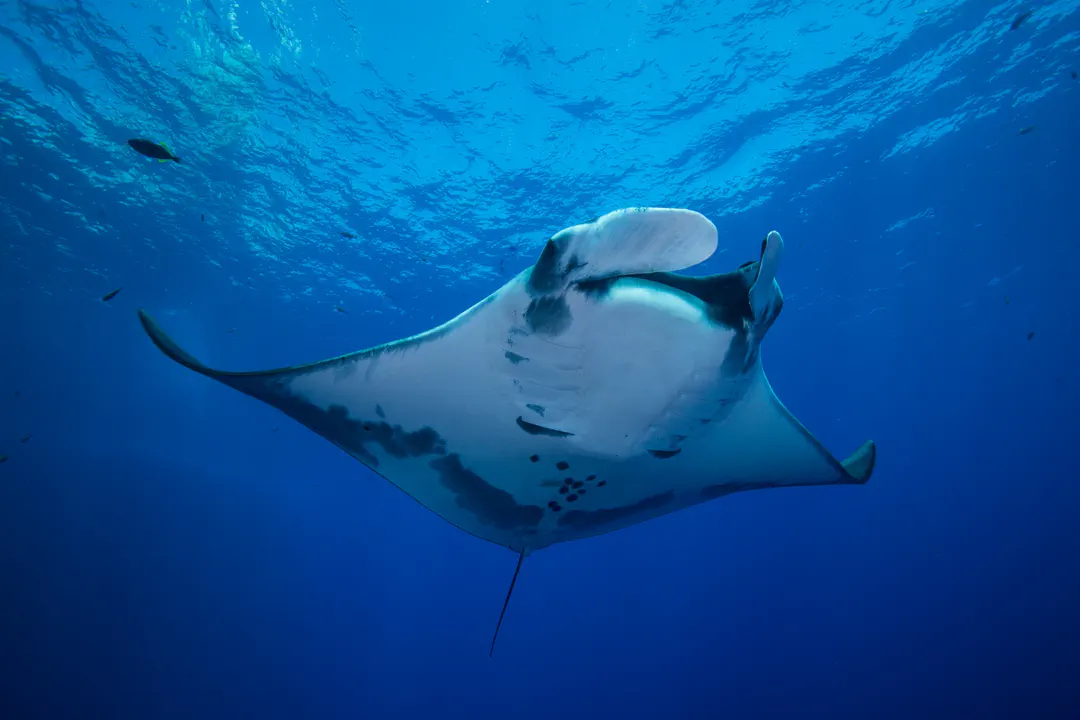
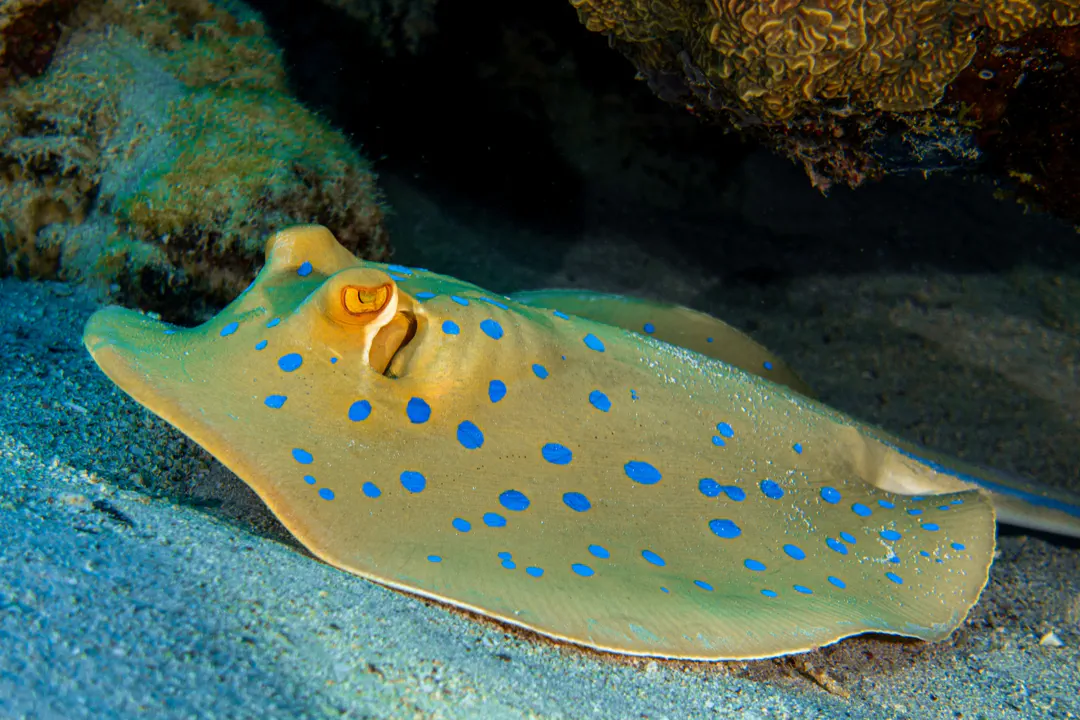
Cleaning stations situated on coral mounds inside the channel draw resident reef manta rays (Mobula alfredi), which circle slowly while cleaner wrasses service their skin and gills. Gray reef sharks (Carcharhinus amblyrhynchos) and ocellated eagle rays (Aetobatus ocellatus) frequently pass through the sandy channel, while blacktail barracuda (Sphyraena qenie) hover above. Along the sandy channel floor, bluespotted ribbontail rays (Taeniura lymma) forage for buried invertebrates.
Divers position themselves quietly on the sand floor surrounding the cleaning stations, keeping a respectful distance to avoid disturbing the mantas. Keeping low prevents exhaust bubbles from breaking the cleaning routine, allowing rays to hover just inches above the reef heads for extended periods.
Depth: 6-25 m. Access: boat, 40 minutes from Koror. Level: Open Water. Best months: November-May.
 © seabook.appAll rights reserved
 © Dirk FroebelCC BY 4.0 · iNaturalist
 © portioidCC BY 4.0 · iNaturalist
Ulong Channel (Rock Islands): Lettuce Coral Gardens and Spawning Runs
Ulong Channel is a narrow natural cut passing through the western barrier reef, flanked by steep coral slopes and a white sand bottom at depths from 5 to 20 metres. An incoming tide creates a fast-moving drift dive, carrying divers through the entire length of the pass without requiring a single fin kick.
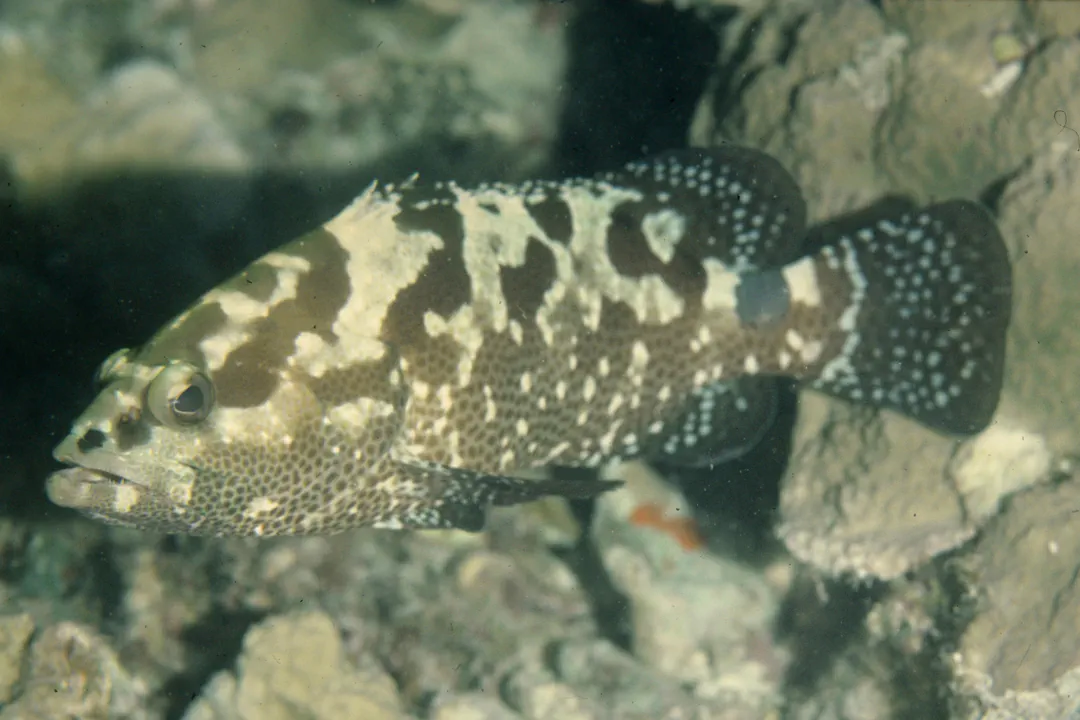
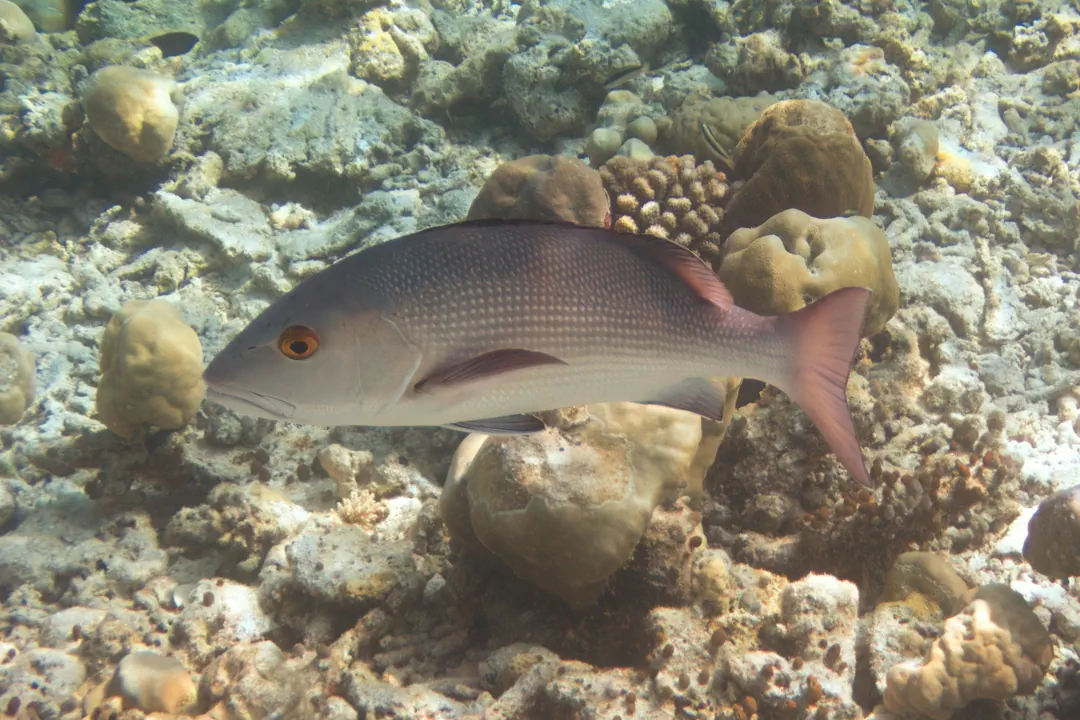
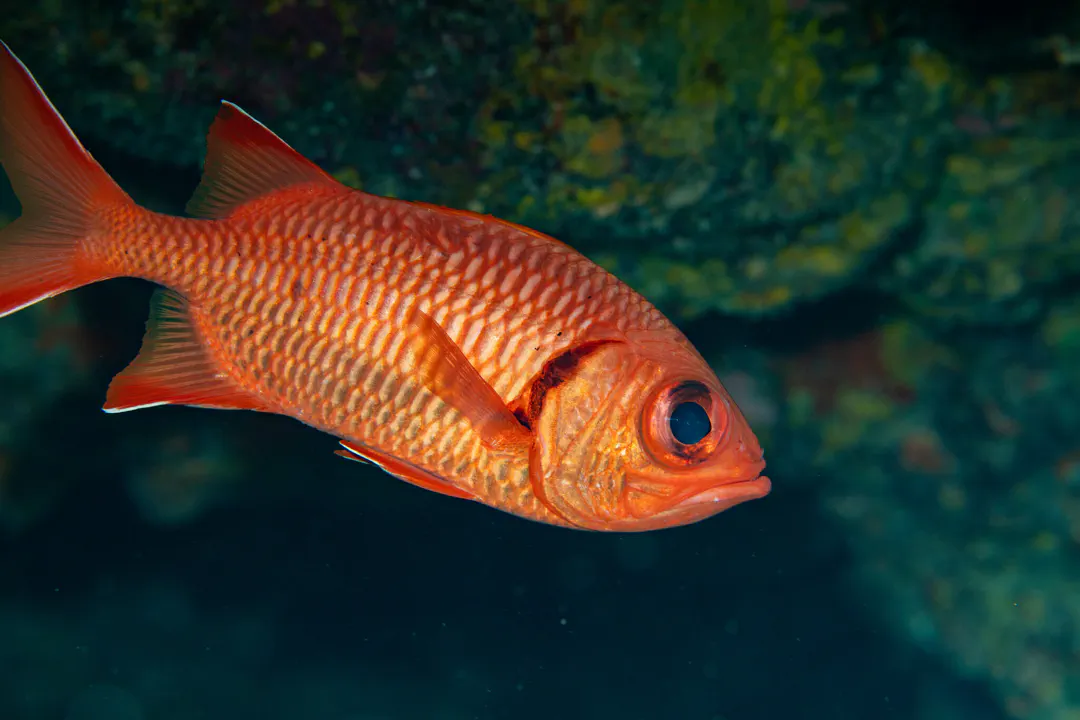
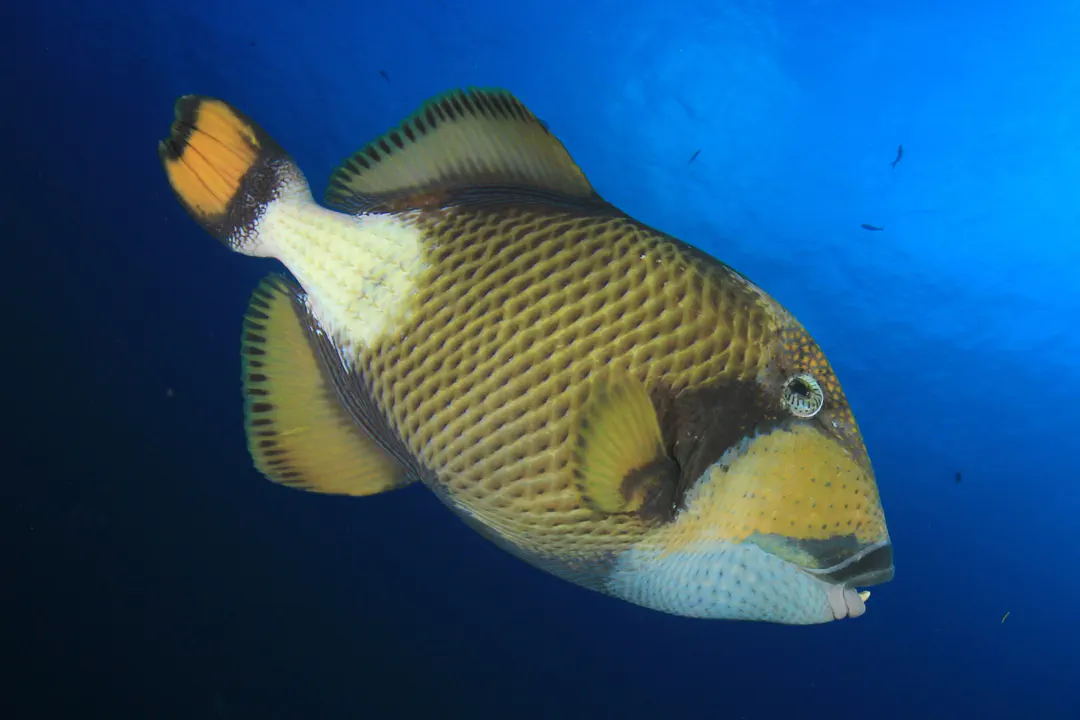
At the channel entrance, gray reef sharks (Carcharhinus amblyrhynchos) gather in the current alongside red bass (Lutjanus bohar) and bigeye trevally (Caranx sexfasciatus). As the current carries divers deeper into the pass, massive fields of pale yellow lettuce coral line the sandy walls. Camouflage groupers (Epinephelus polyphekadion) and goldspot squirrelfish (Myripristis berndti) shelter within coral crevices, while aggressive titan triggerfish (Balistoides viridescens) guard their nests along the sand margins.
Maintaining neutral buoyancy throughout the drift is vital to avoid striking delicate lettuce coral plates that overhang the passage floor. Guides deploy surface marker buoys toward the exit of the channel, allowing pickup boats to track drifting dive groups into the quiet lagoon waters.
Depth: 5-20 m. Access: boat, 35 minutes from Koror. Level: Open Water. Best months: November-May.
 © Roger RittmasterCC BY 4.0 · iNaturalist
 © Darren ObbardCC BY 4.0 · iNaturalist
 © cello caruso-turielloCC BY 4.0 · iNaturalist
 © seabook.appAll rights reserved
Chandelier Cave (Malakal Harbor): Air Chambers and Stalactites
Chandelier Cave is an accessible limestone cave system located within Malakal Harbor, penetrating deep into a wooded Rock Island hill. The entrance rests at a shallow depth of 4 metres, opening into four interconnected, air-filled chambers formed over thousands of years by rainwater dissolving limestone rock.
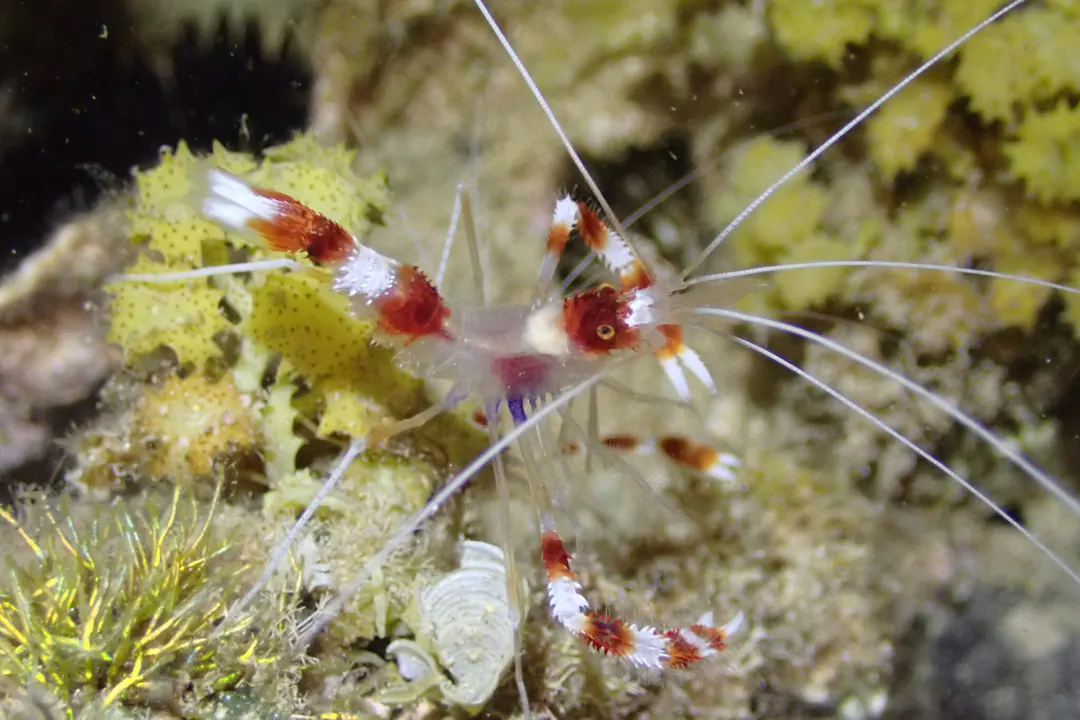
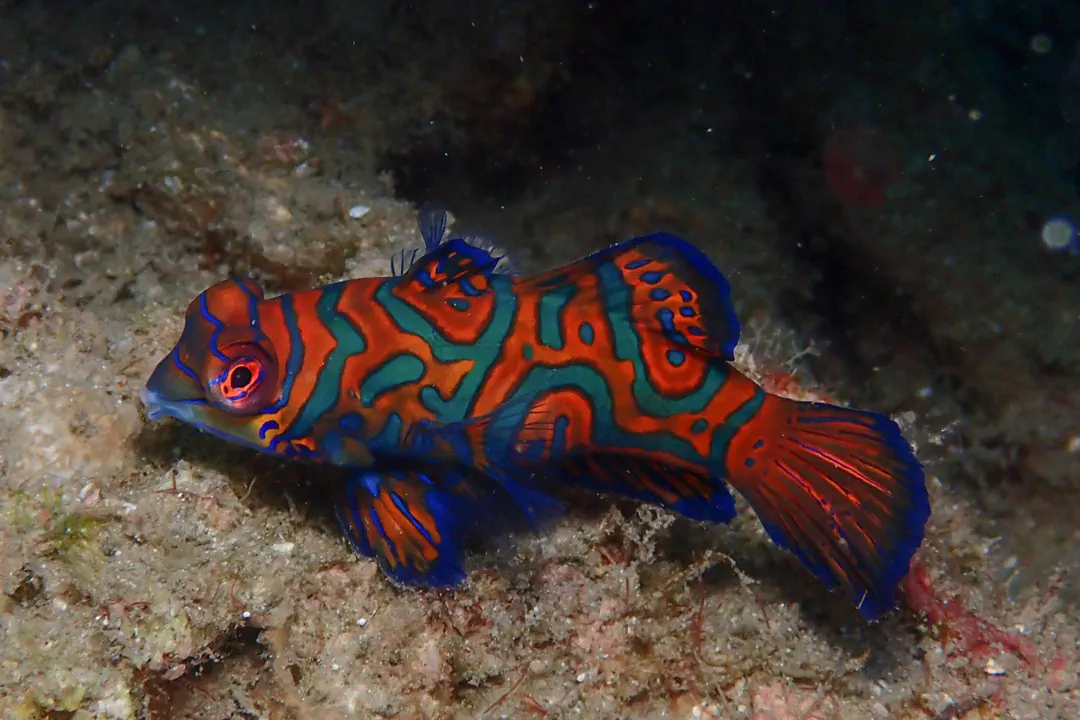
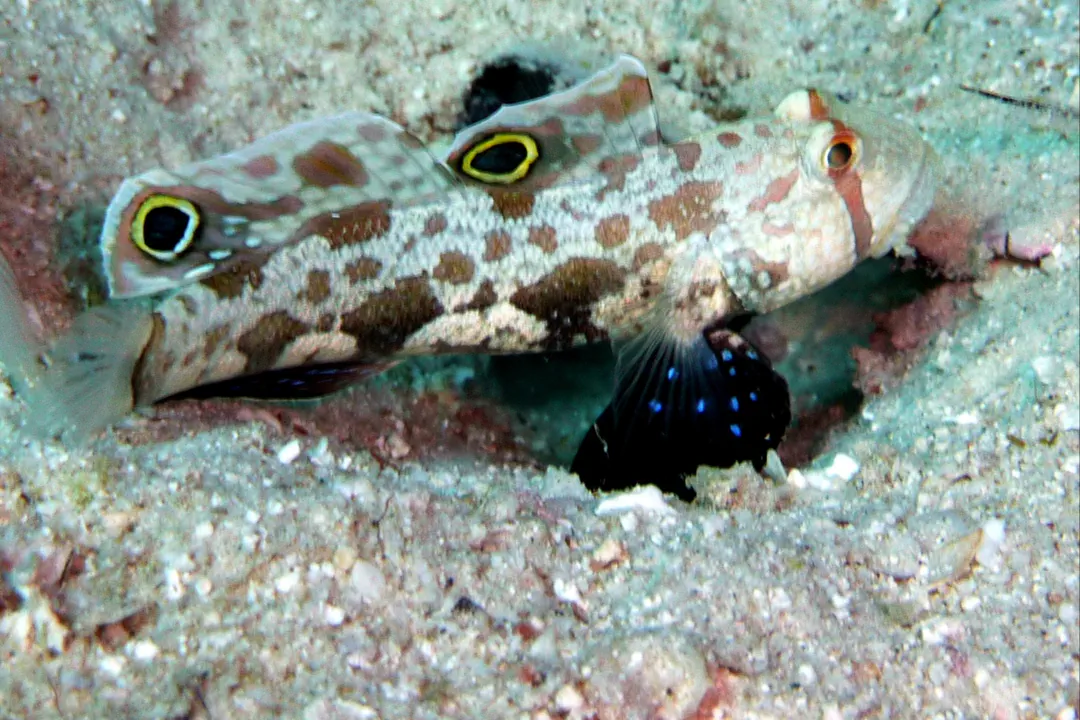
Divers ascend slowly into each dark chamber to surface inside pocket air spaces where stalactites hang directly overhead. While air fills these high domes, divers keep their regulators in place as gas composition can vary. Near the sunlit cave opening, macro enthusiasts search limestone ledges for cryptic critters including mandarinfish (Synchiropus splendidus), twinspot gobies (Signigobius biocellatus), and banded coral shrimp (Stenopus hispidus).
Fine silt covers the cave floor, requiring delicate propulsion techniques like the frog kick to keep water clarity pristine. Dive guides lead small groups with flashlights, navigating through haloclines where fresh surface water meets dense saltwater in shimmering layers.
Depth: 4-12 m. Access: boat, 10 minutes from Koror. Level: Open Water with cavern comfort. Best months: Year-round.
 © Cricket RaspetCC BY 4.0 · iNaturalist
 © Dan SchofieldCC BY 4.0 · iNaturalist
 © Kai SquiresCC BY 4.0 · iNaturalist
Siaes Tunnel (Koror): Deep Caverns and Gorgonian Fans
Siaes Tunnel is a massive, deep-water cavern opening into a sheer vertical drop-off on Palau's western reef wall. The main entrance sits at 24 metres depth, creating a wide natural archway that leads into a spacious interior chamber extending past 30 metres.
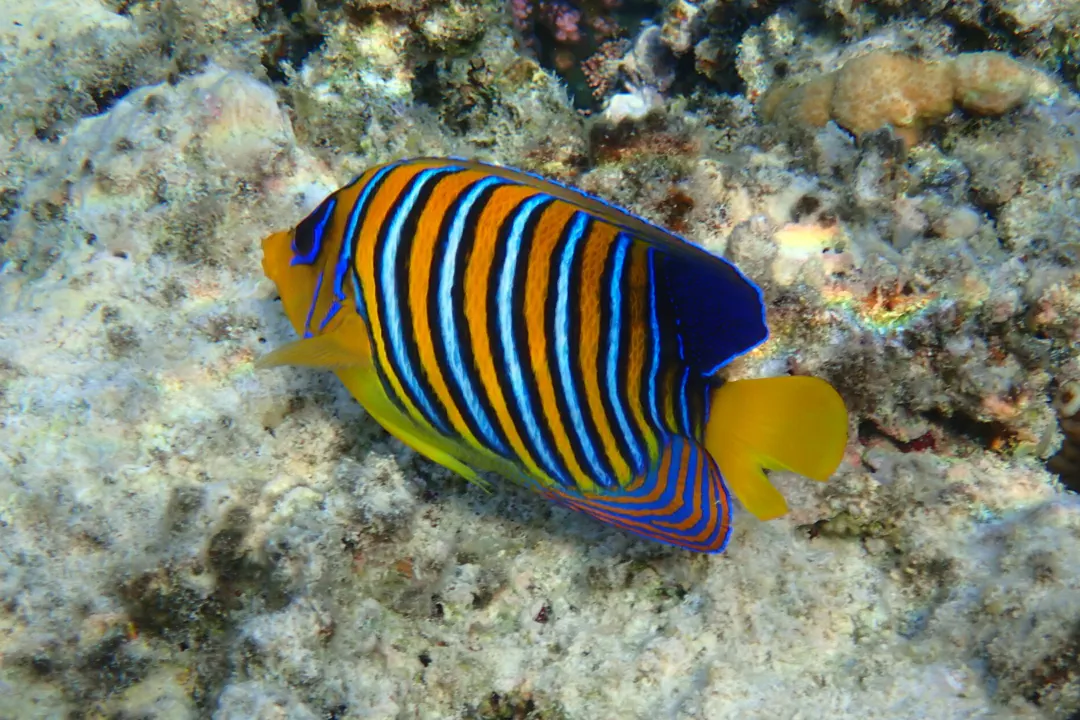
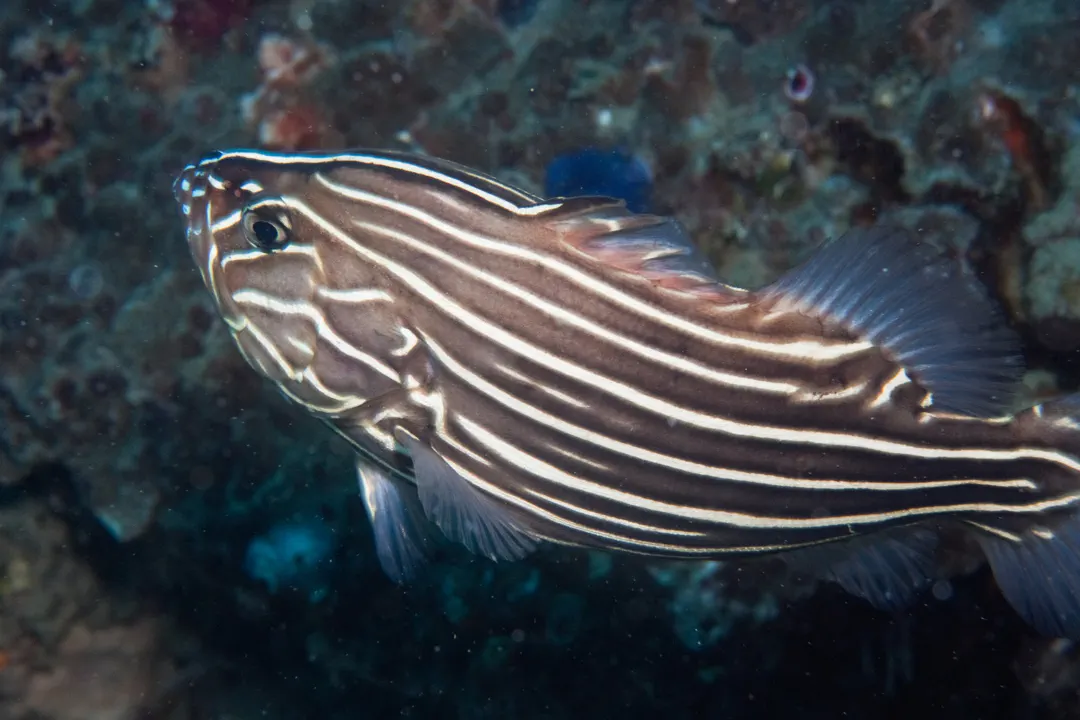
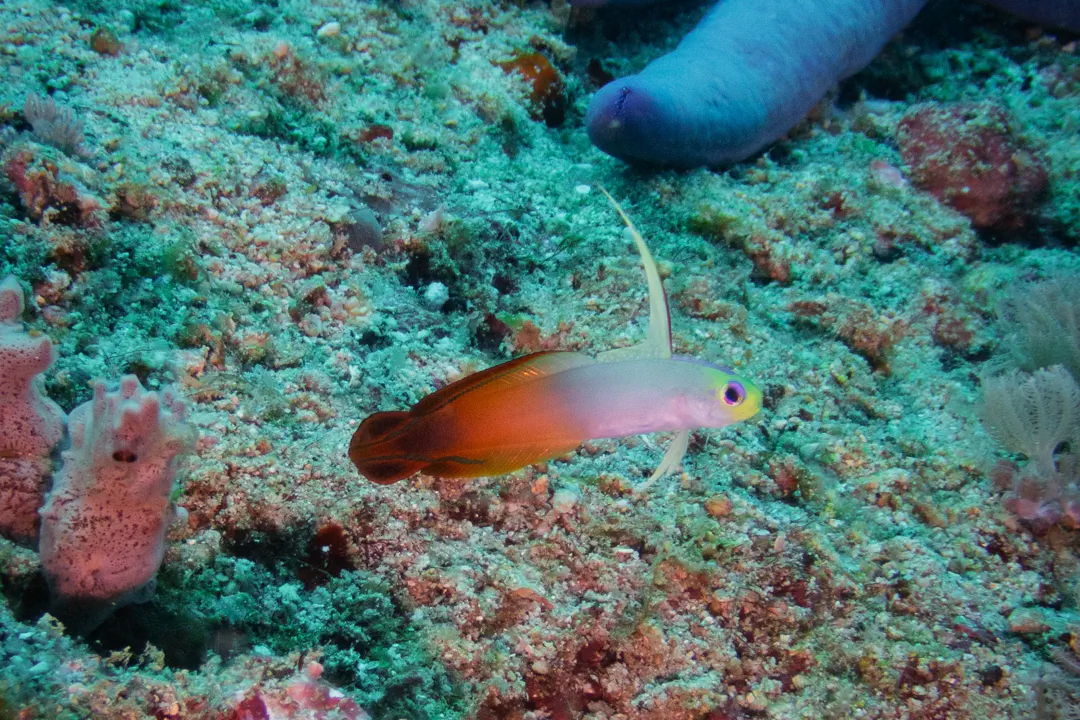
Looking back toward the blue wall from inside the dark chamber offers a dramatic silhouette frame filled with passing pelagics. Whitetip reef sharks (Triaenodon obesus) often rest along the sandy floor of the cavern, while royal angelfish (Pygoplites diacanthus) and six-line soapfish (Grammistes sexlineatus) swim among large sea fans attached to the ceiling. Along the sunlit outer drop-off near the tunnel exit, fire dartfish (Nemateleotris magnifica) hover above coral rubble slopes.
Because of the entrance depth of 24 metres, bottom time must be monitored closely on dive computers to avoid decompression limits. Carrying primary and backup dive lights allows divers to illuminate deep cavern recesses while preserving battery life for safety stops.
Depth: 24-35 m. Access: boat, 45 minutes from Koror. Level: Advanced Open Water. Best months: November-May.
 Andrew DeaconCC0 · iNaturalist
 © Georgina JonesCC BY-SA 4.0 · iNaturalist
 © Pierre PericardCC BY 4.0 · iNaturalist
Peleliu Wall (Peleliu): Deep Drop-Offs and Oceanic Pelagics
Peleliu Wall marks the southernmost tip of Palau's main archipelago, where sheer limestone drop-offs plummet vertically into abyssal depths. Open-ocean currents strike this exposed headland with tremendous force, generating high-velocity drift conditions that pull nutrient-rich deep water to the surface.
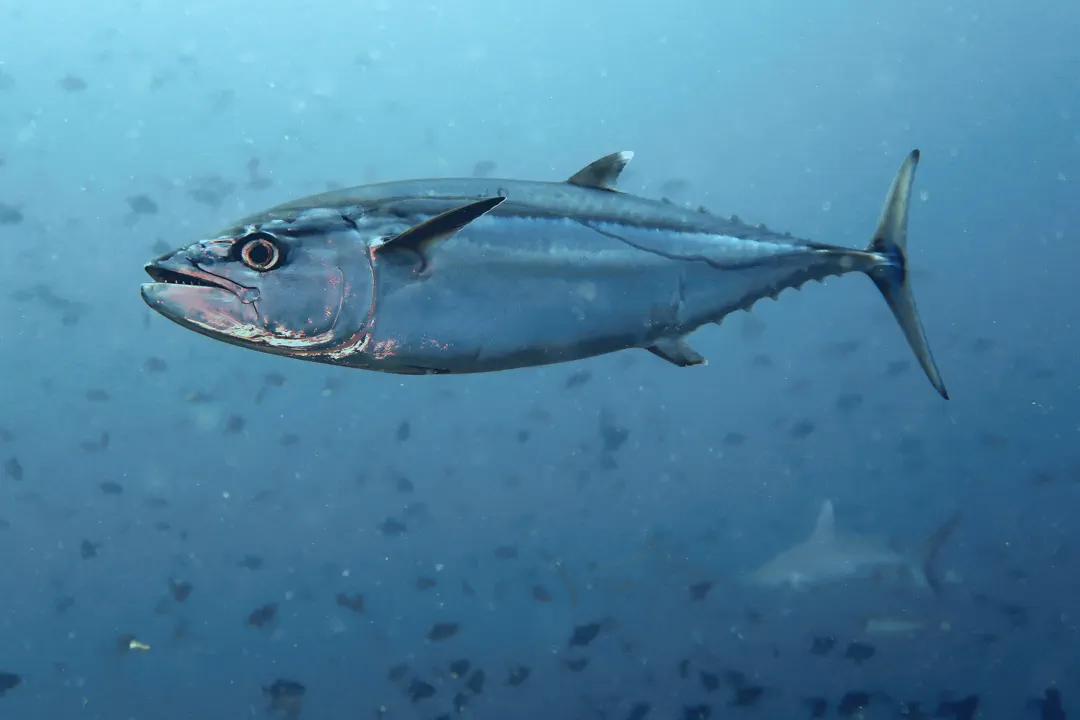
The intense water movement attracts open-ocean predators that rarely venture into shallow lagoons. Schools of dogtooth tuna (Gymnosarda unicolor) and yellowfin tuna (Thunnus albacares) charge through clouds of fusiliers, while gray reef sharks (Carcharhinus amblyrhynchos) and whitetip reef sharks (Triaenodon obesus) hold position along the drop-off edge. Bull sharks (Carcharhinus leucas) and tiger sharks (Galeocerdo cuvier) occasionally make unpredictable appearances along the outer wall.
Peleliu Cut and Peleliu Wall require advanced open-water experience and keen situational awareness due to unpredictable vertical downcurrents. Dive boats remain closely attuned to surface markers deployed by drifting guides, as divers frequently surface far out in open water away from the island edge.
Depth: 15-40 m. Access: boat, 60 minutes from Koror. Level: Advanced Open Water. Best months: November-May.
 © Daniel BenákCC BY 4.0 · iNaturalist
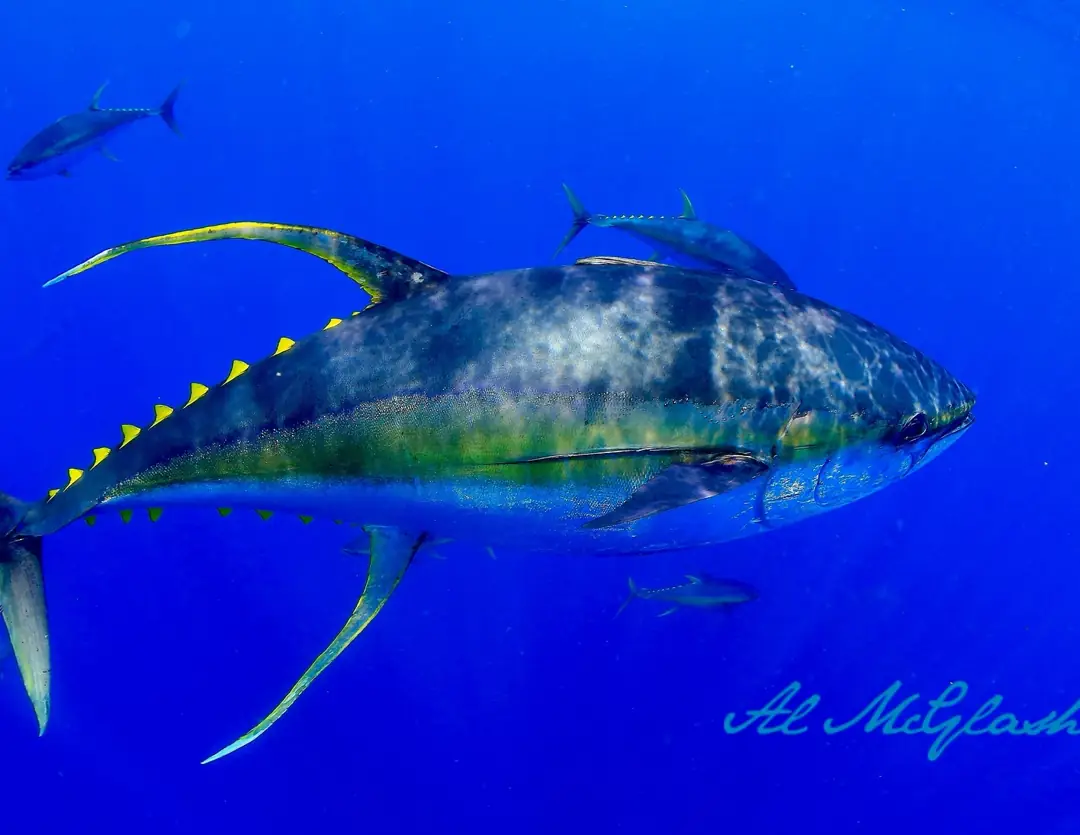 © AlmcglashanCC BY-SA 4.0
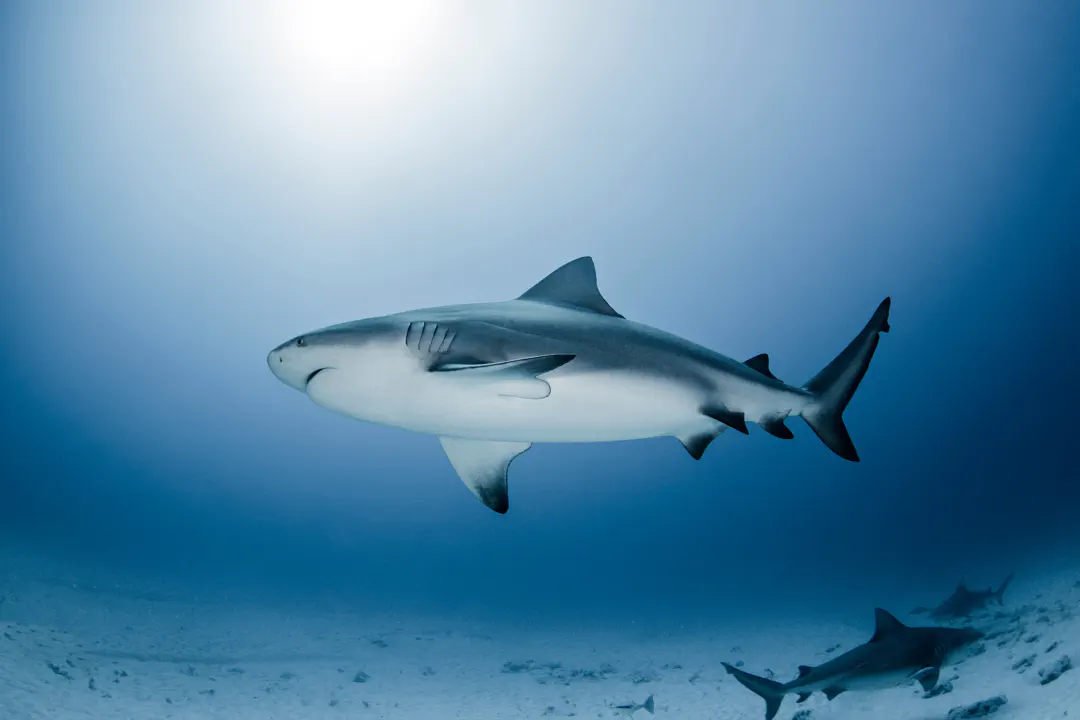 © seabook.appAll rights reserved
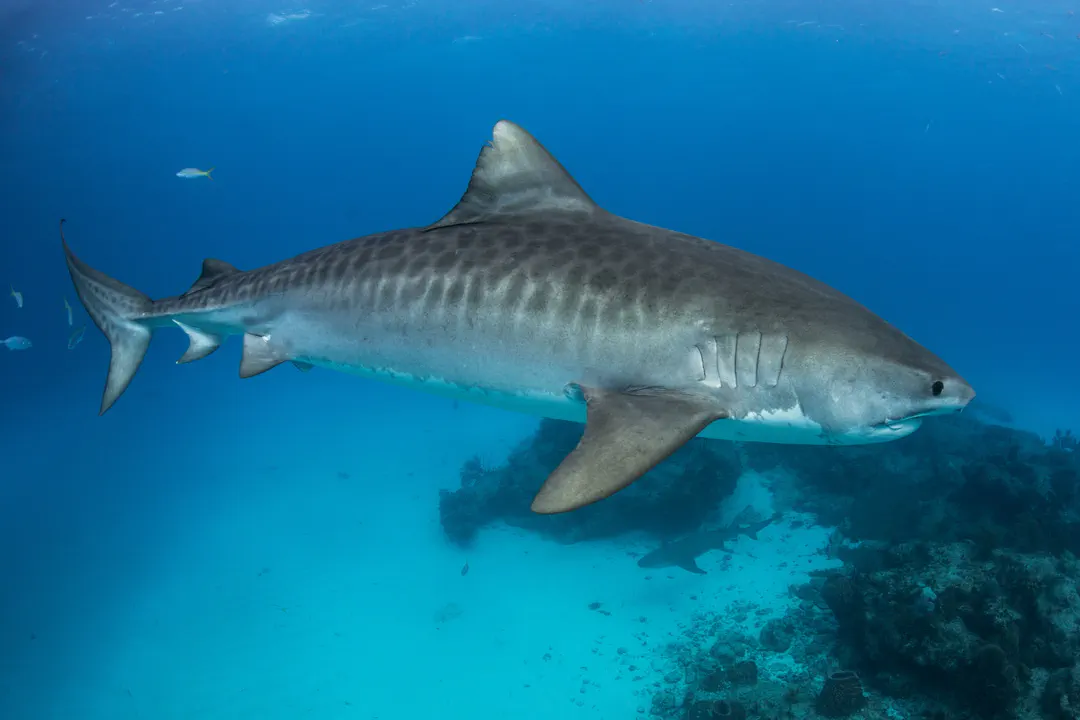 © seabook.appAll rights reserved
Turtle Cove (Rock Islands): Chimneys and Gentle Reef Slopes
Turtle Cove is a varied reef site on the western edge of the Rock Islands, centered around a vertical limestone chimney swim-through. Divers enter the reef top at a shallow 5 metres depth, dropping vertically down a narrow hole in the reef ceiling that exits along a wall at 18 metres.
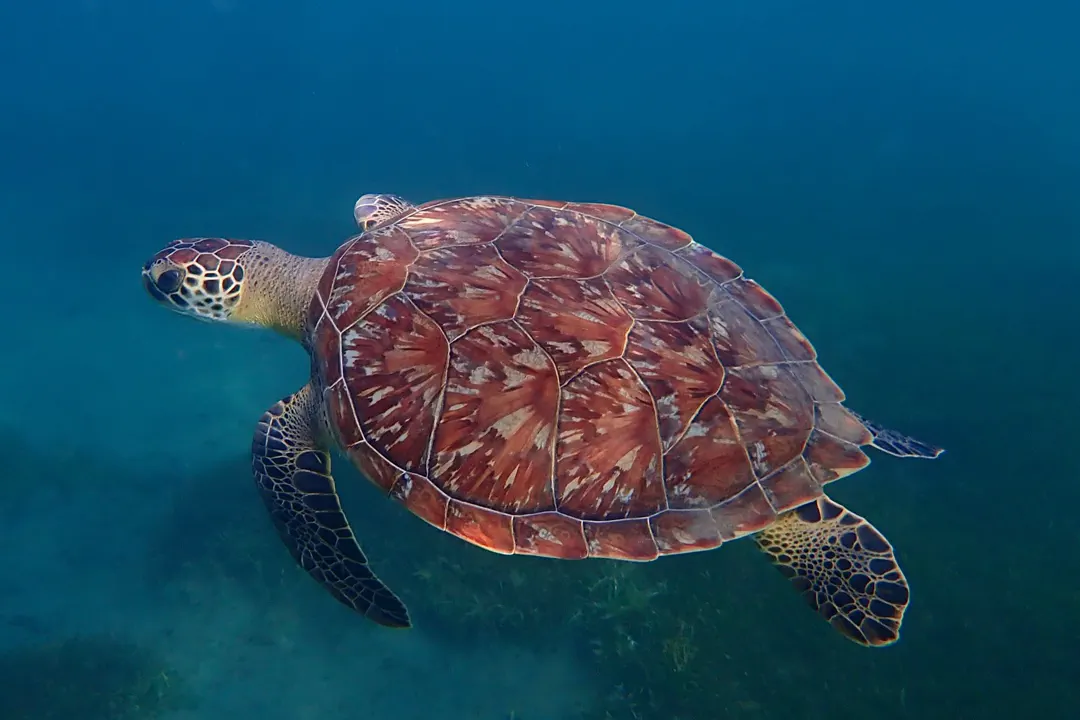
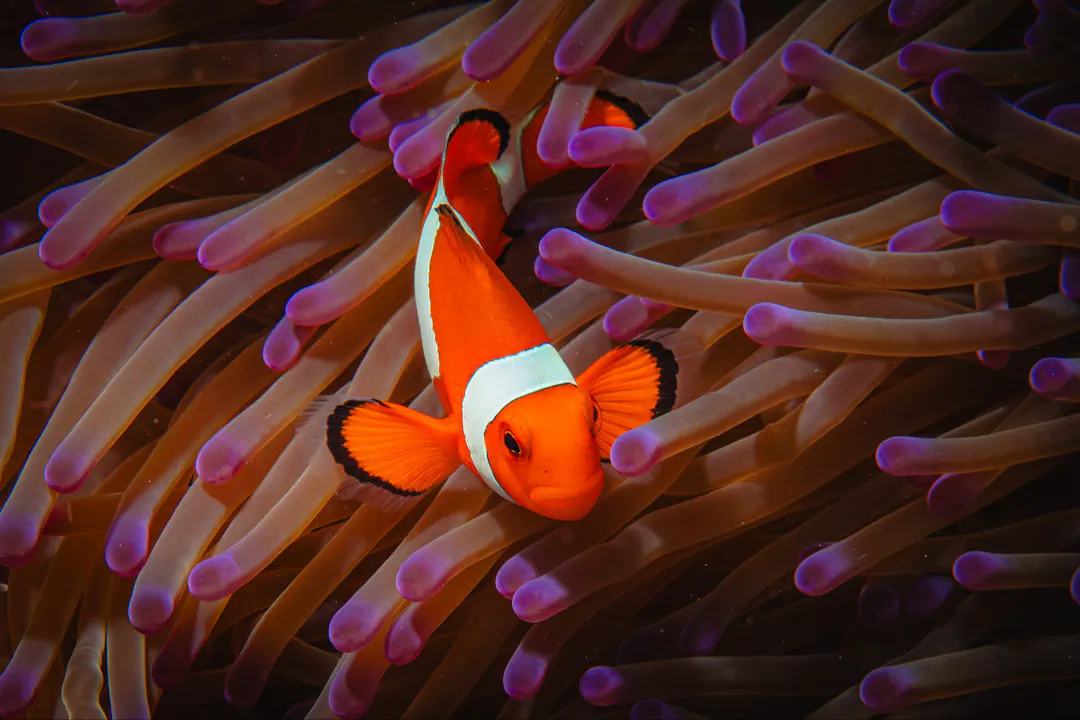
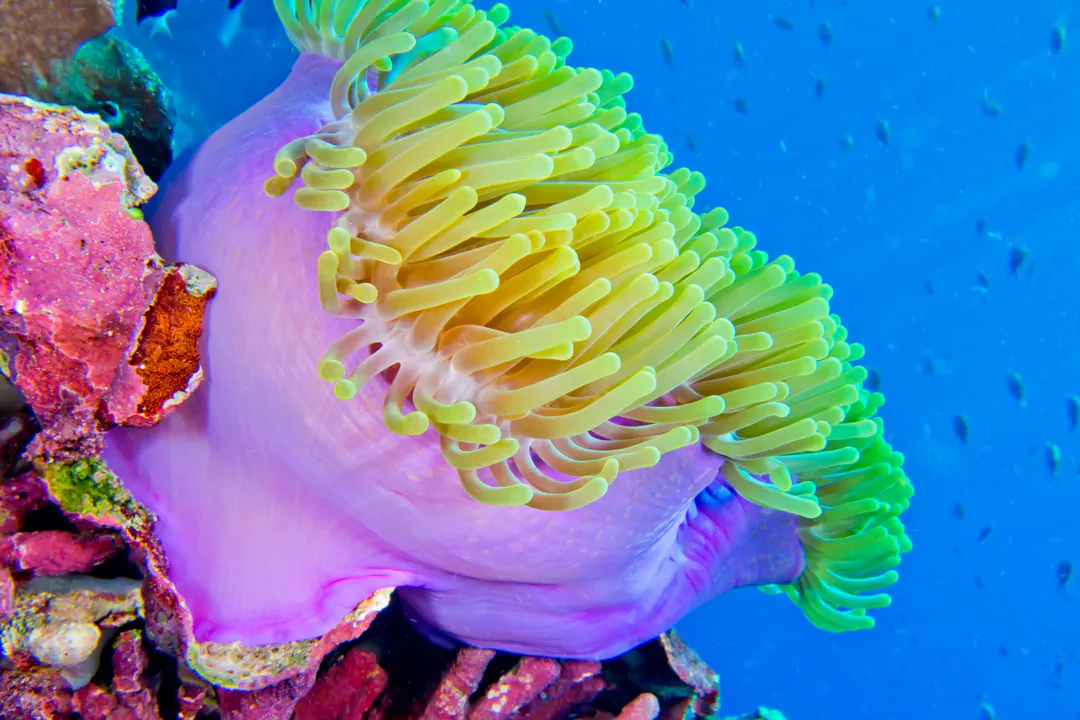
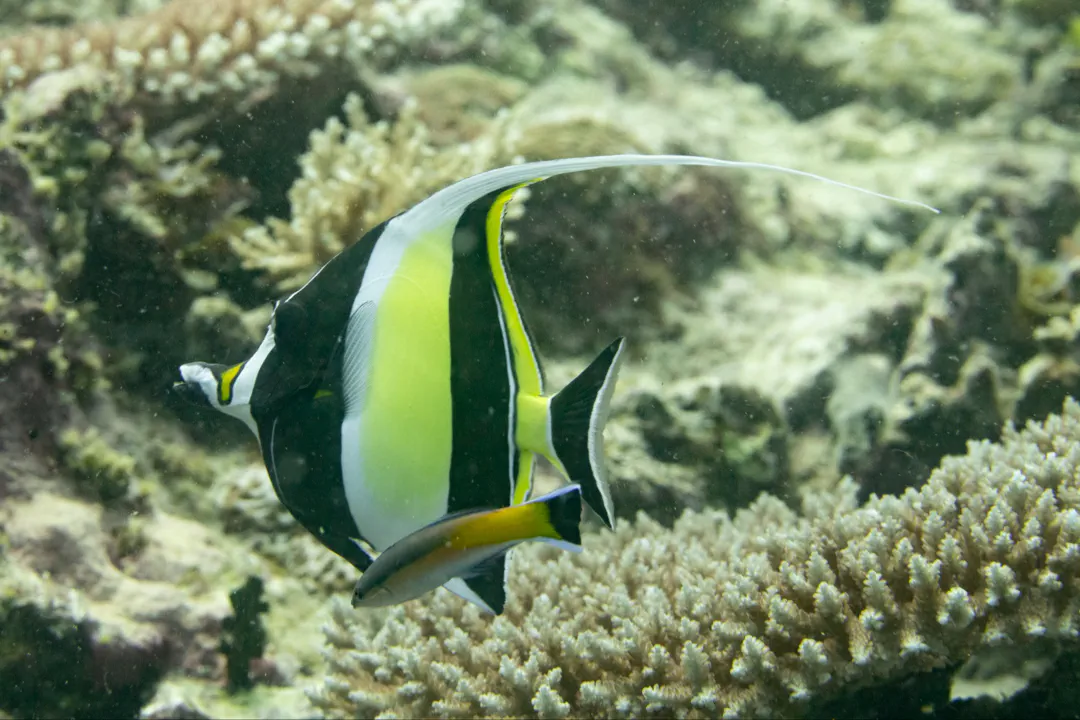
The vertical wall outside the chimney is adorned with soft corals, gorgonian fans, and sea anemones hosting ocellaris clownfish (Amphiprion ocellaris) under the protection of magnificent anemones (Heteractis magnifica). Pennant coralfish (Heniochus acuminatus) and moorish idols (Zanclus cornutus) form small schools across the reef slope, while hawksbill turtles (Eretmochelys imbricata) and green turtles (Chelonia mydas) rest inside quiet rock ledges.
The gentle water movement makes Turtle Cove ideal for divers seeking relaxed wall exploration and underwater macro photography. After exiting the vertical chimney, divers follow the shallow wall contour back toward the boat safety stop while watching sea turtles graze on algae.
Depth: 5-24 m. Access: boat, 45 minutes from Koror. Level: Open Water. Best months: November-May.
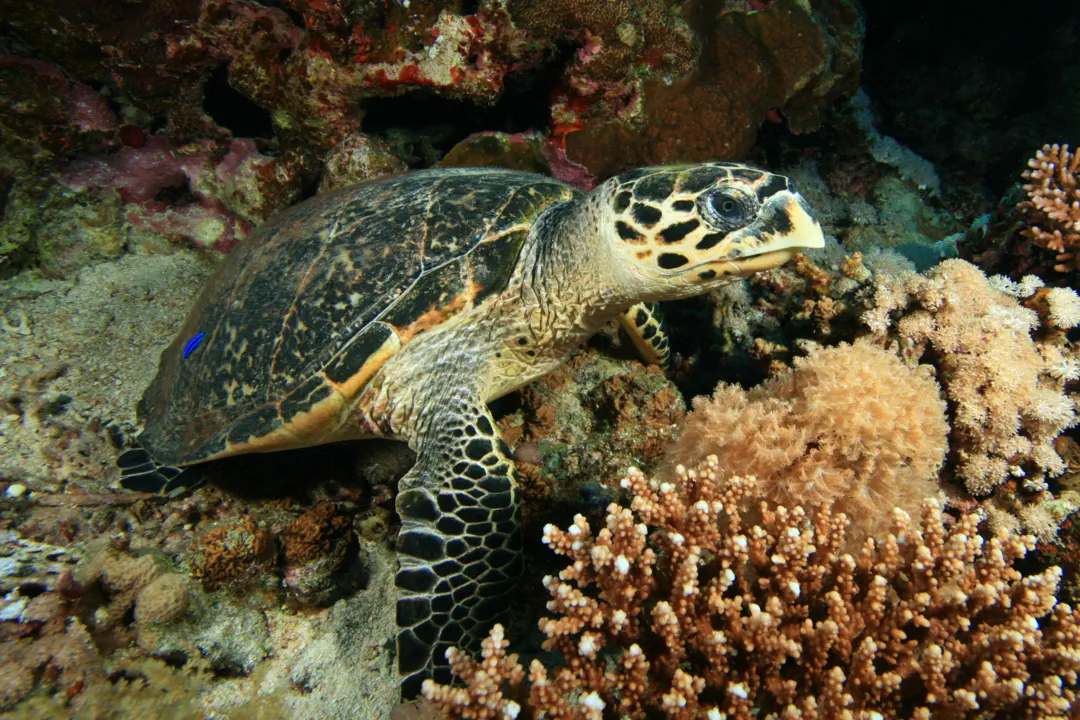 © seabook.appAll rights reserved
 © Matteo BellucciCC BY 4.0 · iNaturalist
 © Olka KuryanAll rights reserved
 © seabook.appAll rights reserved
 © portioidCC BY 4.0 · iNaturalist
 © cello caruso-turielloCC BY 4.0 · iNaturalist
Marine Life in Palau
Palau's marine biodiversity includes over 1,300 fish species and 700 coral species spread across fringing reefs, barrier walls, and sheltered lagoons. The convergence of Pacific ocean currents creates living conditions for tiny macro organisms as well as open-ocean megafauna.
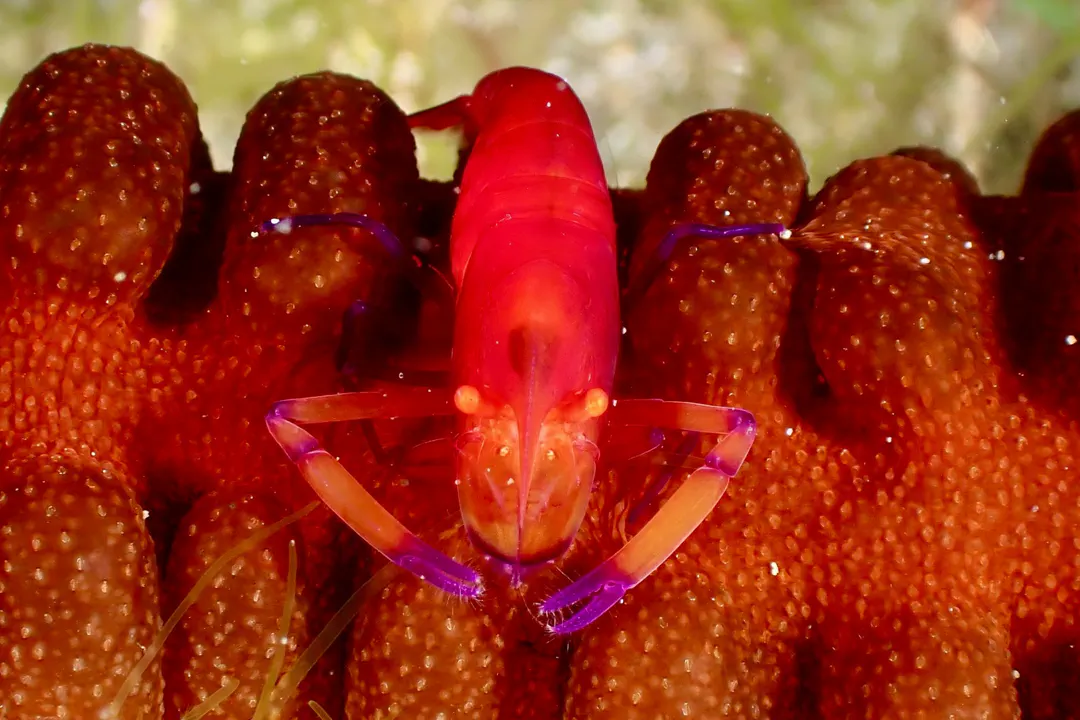
Macro enthusiasts and bottom-dwellers find shelter in quiet lagoon bays and rubble zones surrounding the Rock Islands. Broadclub cuttlefish (Ascarosepion latimanus) and reef squid (Sepioteuthis lessoniana) hover over sandy beds, while ornate ghost pipefish (Solenostomus cyanopterus) and leafy scorpionfish (Rhinopias frondosa) blend into soft corals. Emperor shrimp (Periclimenes imperator) hitch rides on sea cucumbers like the leopard sea cucumber (Bohadschia argus), and candy crabs (Hoplophrys oatesi) cling to soft coral branches. Logging these sightings in the Seabook app allows divers to record exact species encountered during their island itinerary.
Nudibranchs and sea slugs thrive across shallow hard-coral gardens where sponge growth is dense. Species such as Goniobranchus coi and Phyllidiella pustulosa display warning colors along reef ledges alongside money cowries (Monetaria moneta). Short-snouted unicornfish (Naso brevirostris) and blennies like the pennant maiden goby (Valenciennea strigata) sift through coral sand beds, rounding out a complex ecosystem.
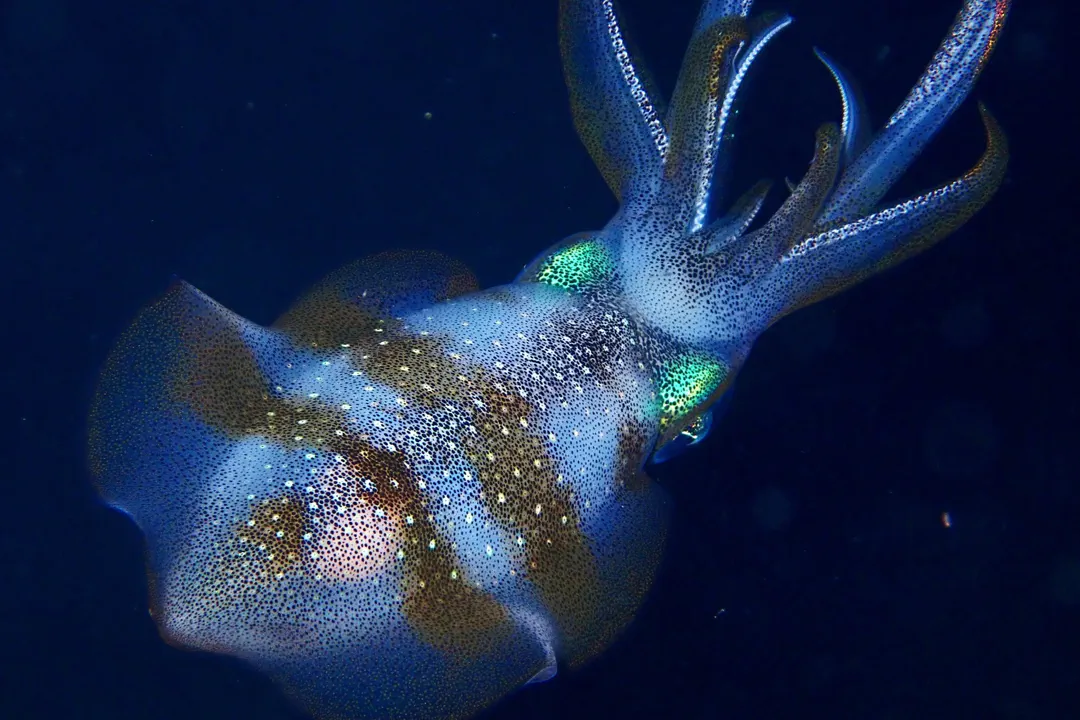 Jean-Paul BoerekampsCC0 · iNaturalist
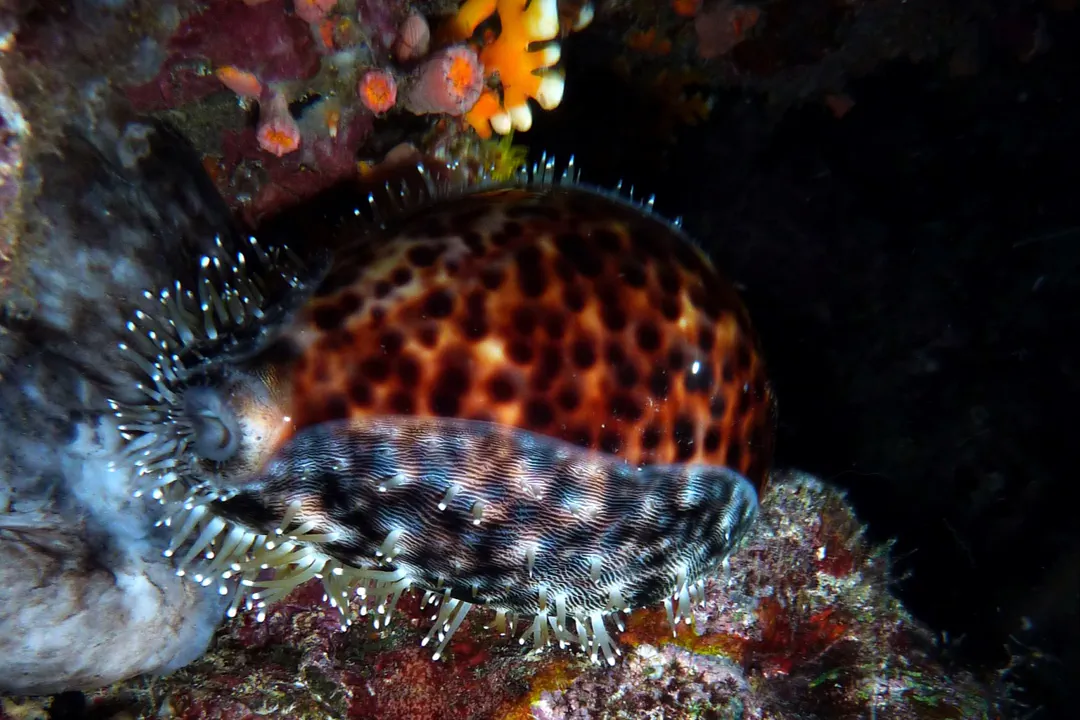 © Kai SquiresCC BY 4.0 · iNaturalist
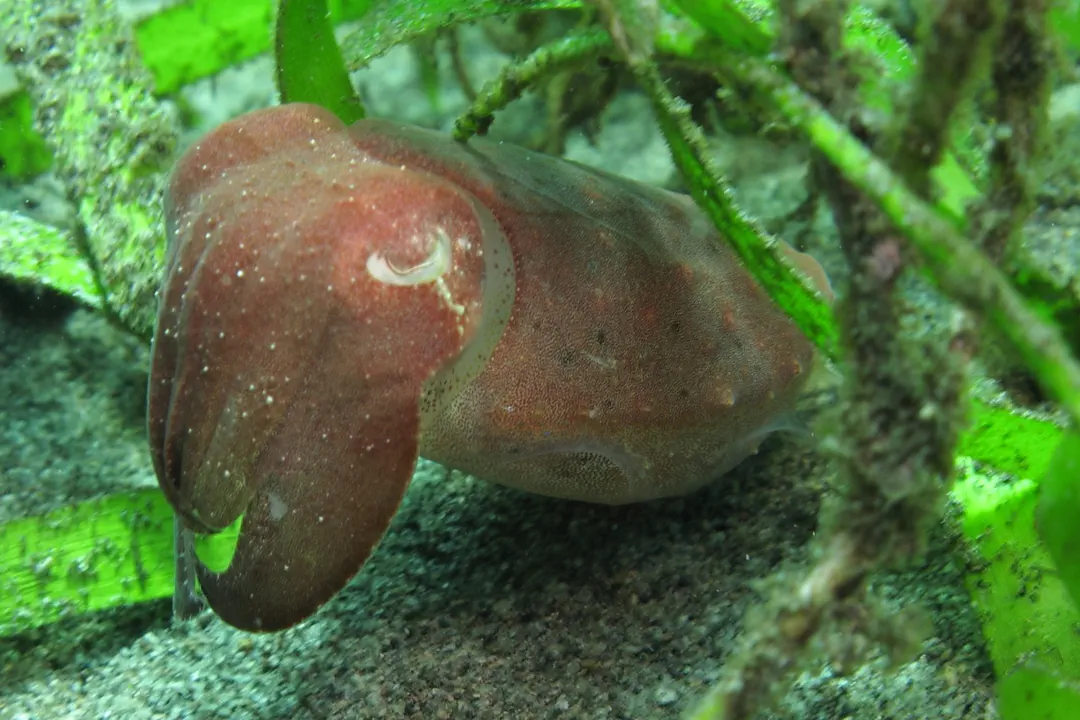 © BJ SmitCC BY 4.0 · iNaturalist
 © Stas KuryanAll rights reserved
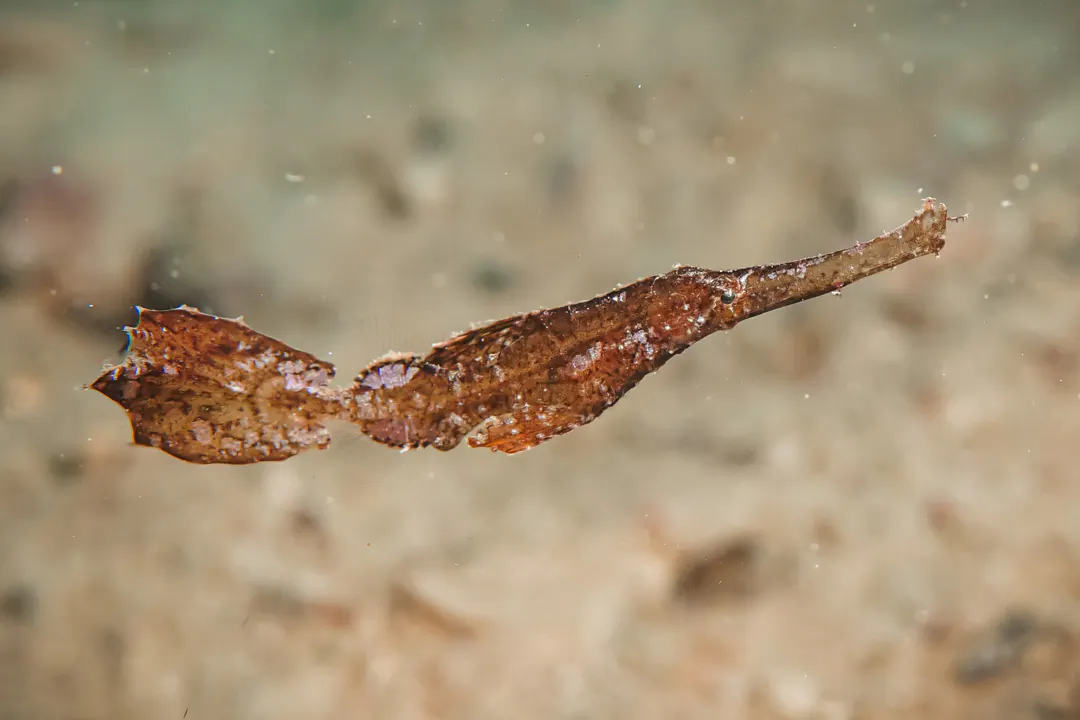 © Stas KuryanAll rights reserved
 Chris SpainCC0 · iNaturalist
Is Palau Good for Beginners and Snorkellers?
Palau caters well to beginners and snorkellers in sheltered lagoons and shallow bays, though its headline drop-offs require intermediate to advanced experience. Sites like Blue Corner and Peleliu Wall feature swift currents and negative entry procedures better suited to Advanced Open Water divers.
Novice divers can gain experience in quiet, low-current environments such as Chandelier Cave, Turtle Cove, and the inner Rock Island reefs. Sheltered channels provide gentle drift opportunities during neap tides, allowing lower-hour divers to practice buoyancy without facing open-ocean downcurrents. Dive shops offer guided refresher courses and specialty training tailored to local conditions.
Snorkellers can explore shallow reef tops, sheltered lagoons, and protected marine lakes rich in soft corals and juvenile fish. Jellyfish Lake presents a unique, non-stinging golden jellyfish experience in a brackish marine setting when ecological conditions allow entry. Wearing flotation vests and avoiding coral contact helps protect fragile shallow-water habitats across all snorkelling locations.
Getting There and Practical Tips
Travelers reach Palau through Roman Tmetuchl International Airport (ROR) near Koror, with direct flight connections operating from Taipei, Manila, and Guam. Visitors choose between stay-and-dive resorts in Koror or liveaboard vessels that access outer reefs with shorter daily travel times.
Environmental stewardship is strictly enforced from the moment of arrival in the country. All visitors must sign the mandatory Palau Pledge, which is stamped directly into passports as an oath to protect the island environment. Marine park permits and environmental sanctuary fees must be purchased prior to diving in Koror or Peleliu waters.
Choosing appropriate equipment helps ensure comfortable and sustainable diving across all island sites. Divers should pack a personal reef hook, surface marker buoy, and dive computer, along with reef-safe sunscreen that complies with local eco-laws. Operators provide detailed briefings on reef hook placement and waste management to preserve the marine environment for future generations.
Questions
Are there sharks in Palau?
Yes, Palau has a thriving shark population supported by its status as a national shark sanctuary. Gray reef sharks and whitetip reef sharks are seen on nearly every outer wall dive, particularly at sites like Blue Corner and Peleliu Wall.
Is it dangerous to swim in Palau?
Swimming and diving in Palau are very safe when following local dive guides and respecting oceanic currents. Divers routinely use reef hooks to stay anchored comfortably on bare rock plateaus without fighting strong currents or tiring themselves.
What is the best month to dive in Palau?
The peak diving season runs from November to May during the dry season, offering clear visibility up to 30 metres and calm sea conditions. February through April generally brings the driest weather and optimal surface conditions for liveaboard trips.
Can beginners dive in Palau?
Beginners can safely dive Palau's sheltered bays, shallow reef tops, and calm inner channels. Intermediate to advanced certifications are recommended for exposed outer sites like Blue Corner, where strong currents and wall drop-offs require confident buoyancy control.
How warm is the water in Palau?
Water temperatures remain warm throughout the year, consistently ranging between 27°C and 30°C (81°F to 86°F). A 3mm full wetsuit or rashguard is ideal for thermal comfort across multi-dive days.
Do I need a reef hook for diving in Palau?
Yes, a reef hook is essential for high-current wall dives like Blue Corner and Ulong Channel. Dive guides assist with hooking onto bare rock so divers can float effortlessly in the current without damaging live coral.