Introduction to Taiwan's Underwater World
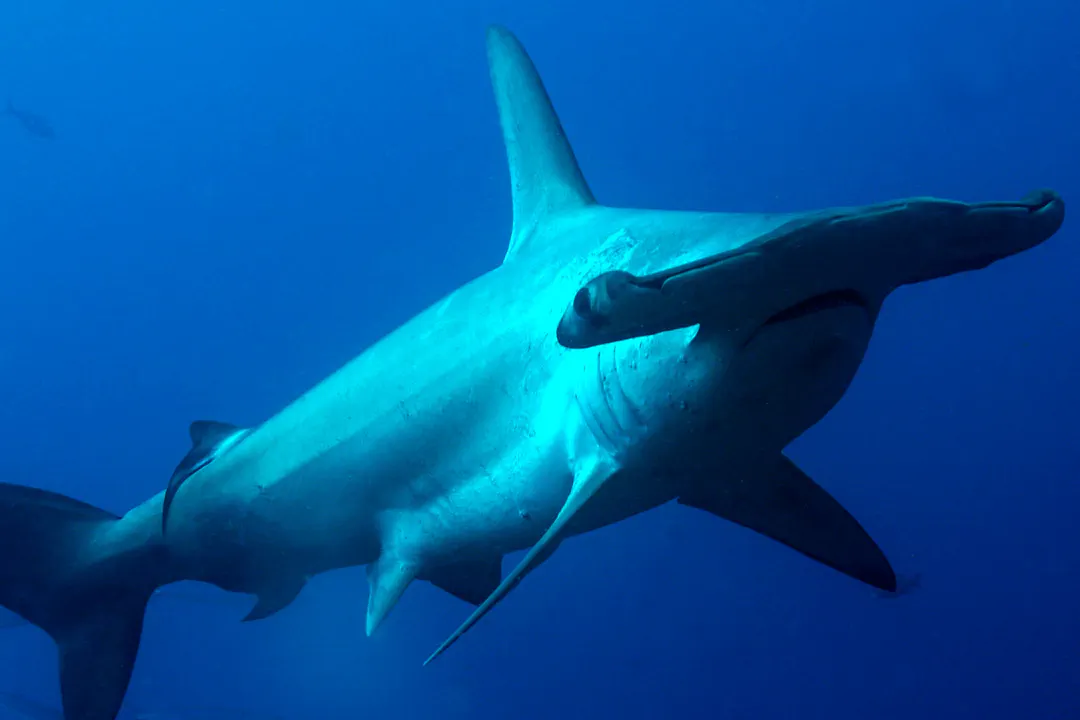
At a depth of 15 meters off Green Island's Shilang reef, a school of bright blue fusiliers, perhaps 200 strong, suddenly pivots, their scales flashing like a single, liquid jewel. A subtle shift in the Kuroshio Current, barely perceptible to the diver, has prompted their coordinated turn, momentarily revealing a large, dark shape gliding deeper in the blue – a grey reef shark, an apex hunter drawn by the same rich waters.
Taiwan, an island nation in East Asia, offers a surprisingly varied diving experience. It sits where the warm Kuroshio Current meets the island’s rugged volcanic and sedimentary coasts. This convergence supports a wide range of habitats, from shallow coral gardens and reef slopes to walls, pinnacles, caves, and occasional pelagic channels, allowing divers to encounter both reef-associated fauna and larger migratory species in a relatively compact area.
Geography and Climate for Divers
The island's tropical and subtropical climate provides warm waters for much of the year, making it an attractive destination for divers. The strongest diving concentrations are on the southern and eastern parts of the island and on offshore islands such as Green Island, Orchid Island, Xiaoliuqiu, and Penghu. Taiwan’s marine biodiversity is especially rich around these outlying islands and the Hengchun Peninsula, where clear water and limited river runoff help corals and reef fish persist in higher abundance.
For divers, that geography matters in practical terms. The east coast and offshore islands are more exposed to swell and current, while many southern sites offer easier shore access, warmer water, and more predictable conditions. Reef life is often at its best on sites influenced by the Kuroshio, which also helps explain why Taiwan is known for colorful fish assemblages, sea fans, and seasonal visits from larger animals such as sharks and jacks.
Best Time to Visit and Water Temperatures
Taiwan’s climate gives divers a long season, but conditions vary sharply by coast and by month. Water temperatures are warmest in the south and around offshore islands, while the northeast and the eastern coast are more affected by seasonal wind and swell. Many operators favor April through October for the most reliable conditions, with southern sites sometimes dived year-round.
Summer and early autumn bring surface water temperatures of 25-29 °C in many popular dive areas, while winter can be cooler and rougher, especially on exposed coasts. Monsoon winds can also limit access to certain sides of islands, so divers often choose sheltered bays or switch between shore and boat sites depending on conditions.
Because Taiwan spans tropical and subtropical latitudes, the island does not have a single uniform “best” season. Southern Taiwan tends to be the most flexible for beginners and for training dives, while the outer islands can reward experienced divers with better visibility, stronger current-driven ecology, and more chances to see schooling fish or pelagic visitors when seasonal conditions align.
Water temperature
Taiwan, monthly average
Kentung (Keelung) area in northeast Taiwan, popular diving region; data from NOAA and oceanographic averages for surface waters
Green Island (Ludao): Volcanic Wonders and Coral Gardens
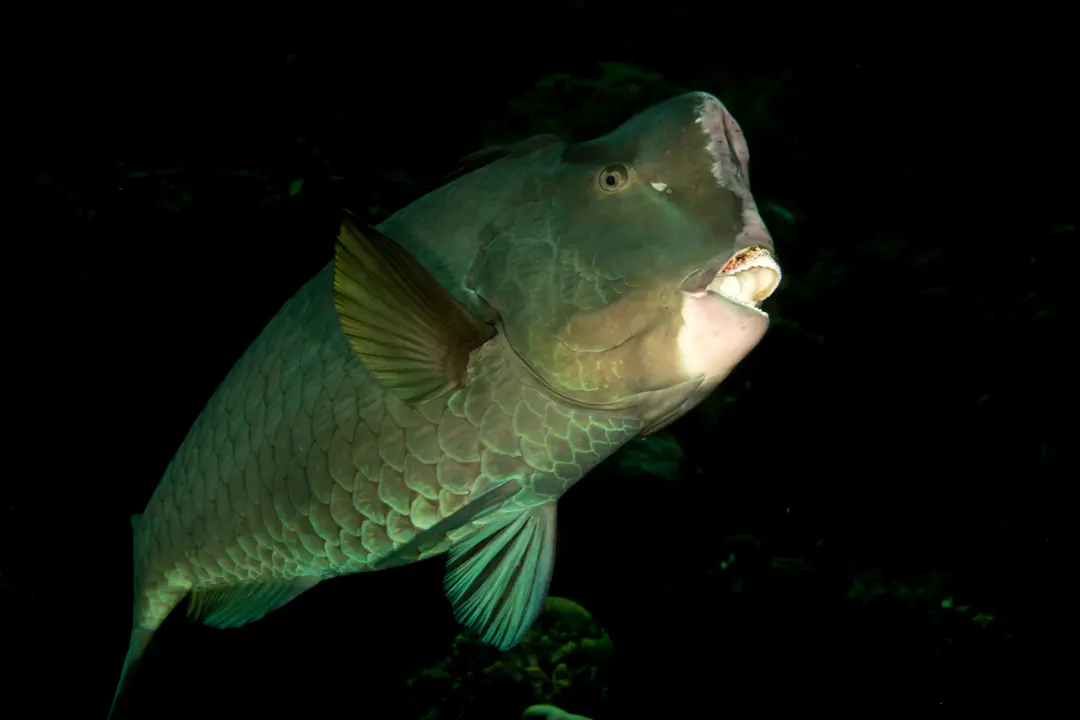
On Green Island, a large bumphead parrotfish, its forehead scarred from coral grazing, slowly navigates a shallow reef at 8 meters, its powerful jaws leaving distinct bite marks on the hard coral. Around it, a dense garden of soft corals, including elegant sea whips and branching gorgonians, sways rhythmically.
Green Island, or Ludao, is one of Taiwan’s best-known dive destinations, combining distinctive volcanic underwater terrain with highly developed coral habitat. Shilang reef, a popular shore dive from 5 to 30 meters, is suitable for beginners on calm days and experienced divers when currents pick up. Its clear water and Kuroshio-influenced currents support more than 400 coral varieties, and its fish fauna has been reported at 660 species in 76 families.
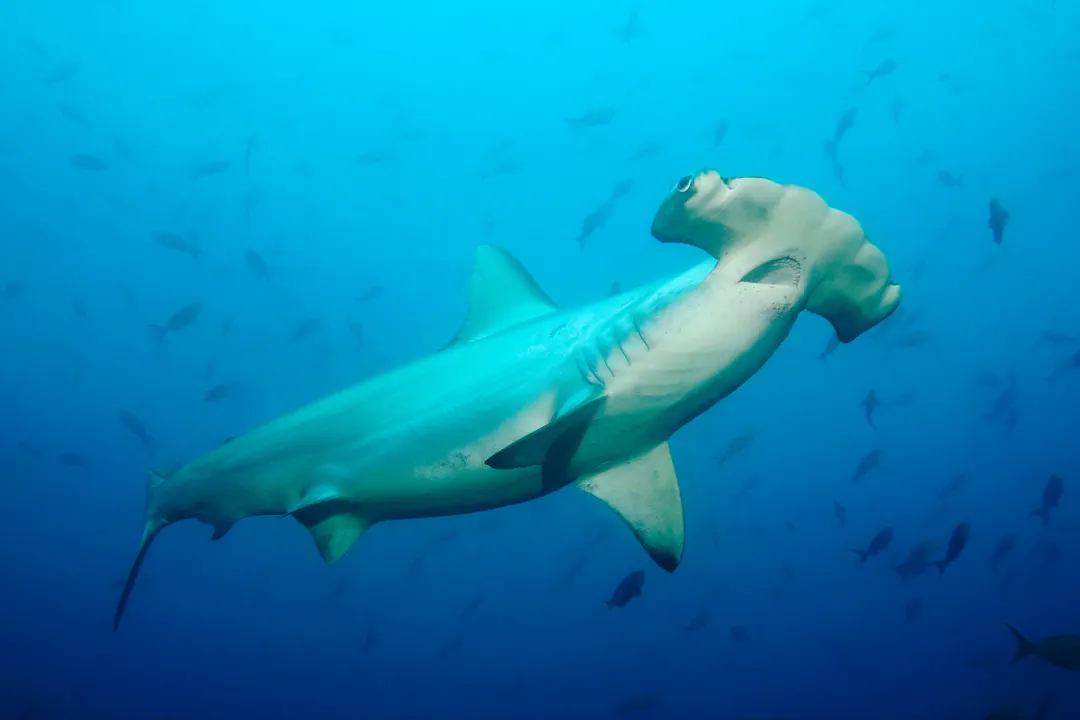
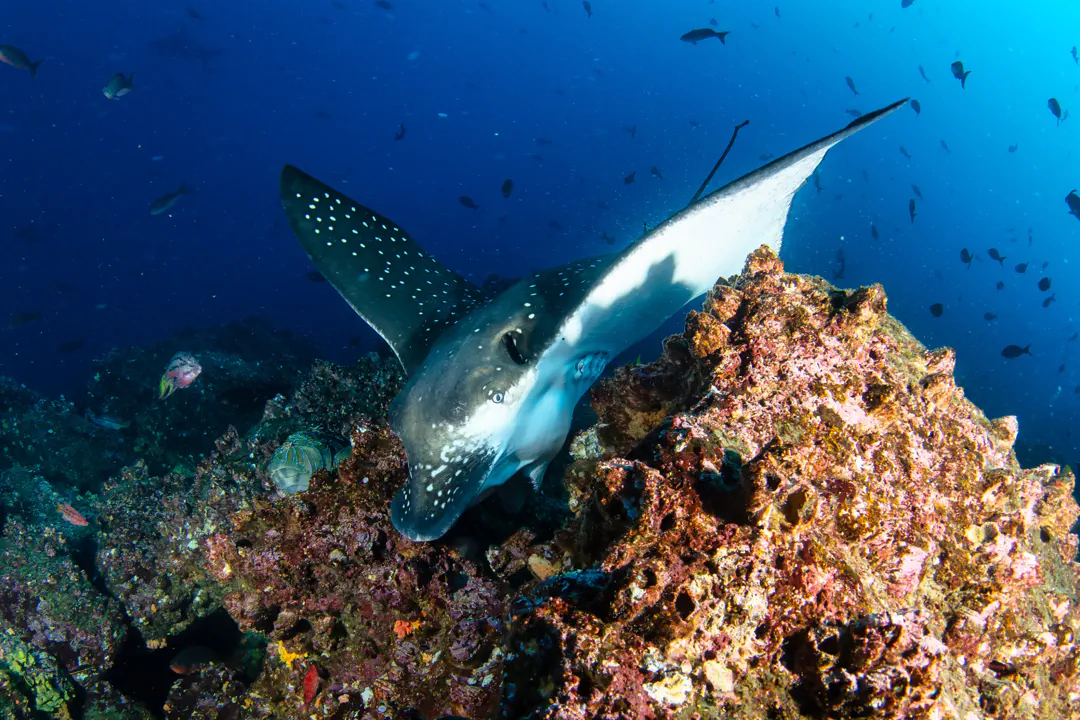
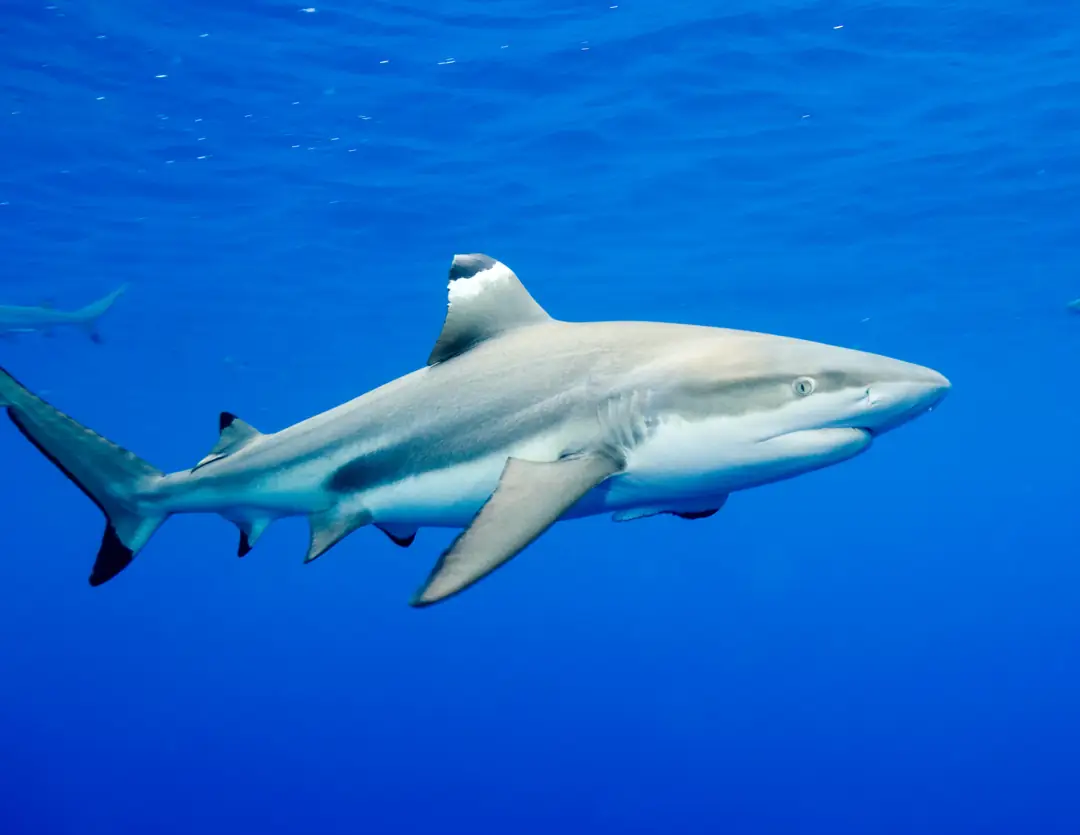
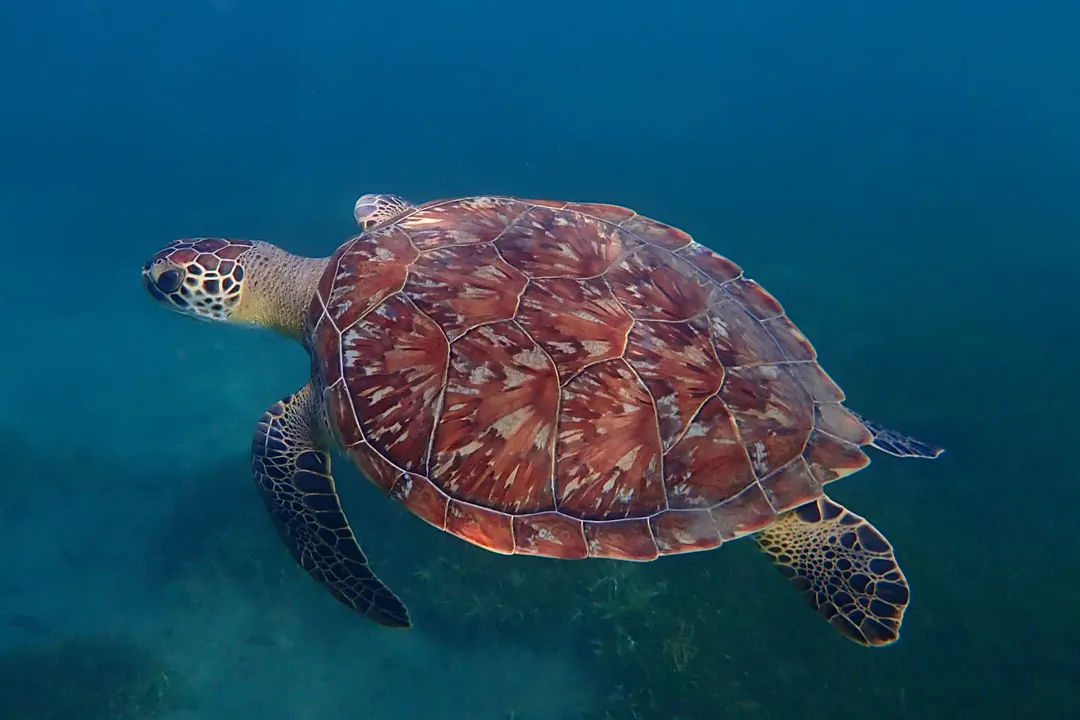
Shallow reef sections are good for observing butterflyfish, parrotfish, wrasses, and damselfish, while deeper edges and channels can bring passing jacks, snappers, green sea turtles, and occasional blacktip reef sharks. Water temperatures on Green Island reach 28-29 °C in warmer months (June-September), for which a 3 mm wetsuit is appropriate. In cooler seasons, or for longer boat dives, a 5 mm wetsuit or a 3 mm with a hooded vest provides more thermal comfort.
 © seabook.appAll rights reserved
  © seabook.appAll rights reserved
  © seabook.appAll rights reserved
  © Matteo BellucciCC BY 4.0 · iNaturalist
  © Rickard ZerpeCC BY 4.0 · iNaturalist
  © seabook.appAll rights reserved
 Orchid Island (Lanyu): Pelagic Encounters and Pristine Reefs
Diving a steep wall off Orchid Island, a pod of bottlenose dolphins, their sleek bodies dark against the deep blue, slices through the water column at 25 meters, their clicks and whistles echoing faintly through the ocean. Here, the currents bring more than just sound; they bring the open ocean itself.
Lanyu, or Orchid Island, is a remote volcanic island southeast of Taiwan, known for its dramatic reef scenery, steep drop-offs, and strong currents. Access is primarily by boat, requiring a short ferry or flight from Taitung, and a local dive permit may be required. With depths often ranging from 10 to over 40 meters, it is ideal for confident divers comfortable with drift diving. Its relative isolation and limited coastal development have helped preserve water quality in many areas, making it a premium destination for divers seeking healthier reef structure and more open-ocean encounters.
Larger fish, including barracuda schools, giant trevallies, and reef sharks, are regularly sighted here, especially in channels and along exposed walls during periods of stronger current. Orchid Island is also home to the Tao people, whose maritime culture is closely tied to fishing and the sea. Responsible diving in the area means respecting both local customs and marine protection efforts; divers are encouraged to engage with local Tao guides and learn about their traditional ecological knowledge, which often includes sustainable fishing practices and reverence for marine life.
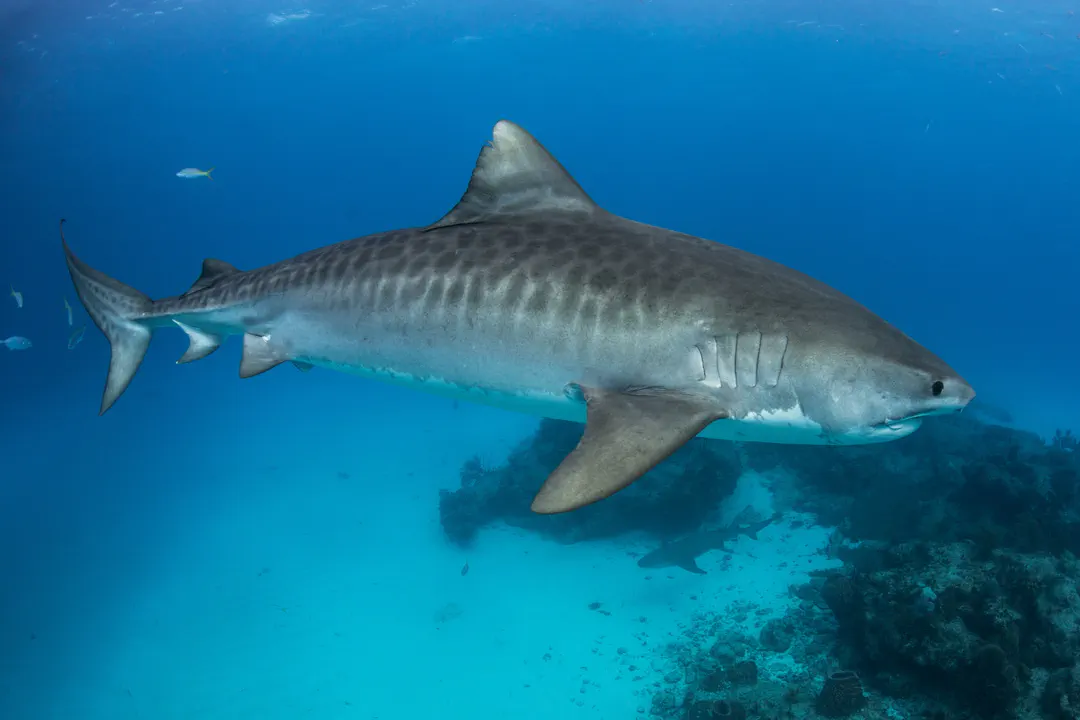 © seabook.appAll rights reserved
 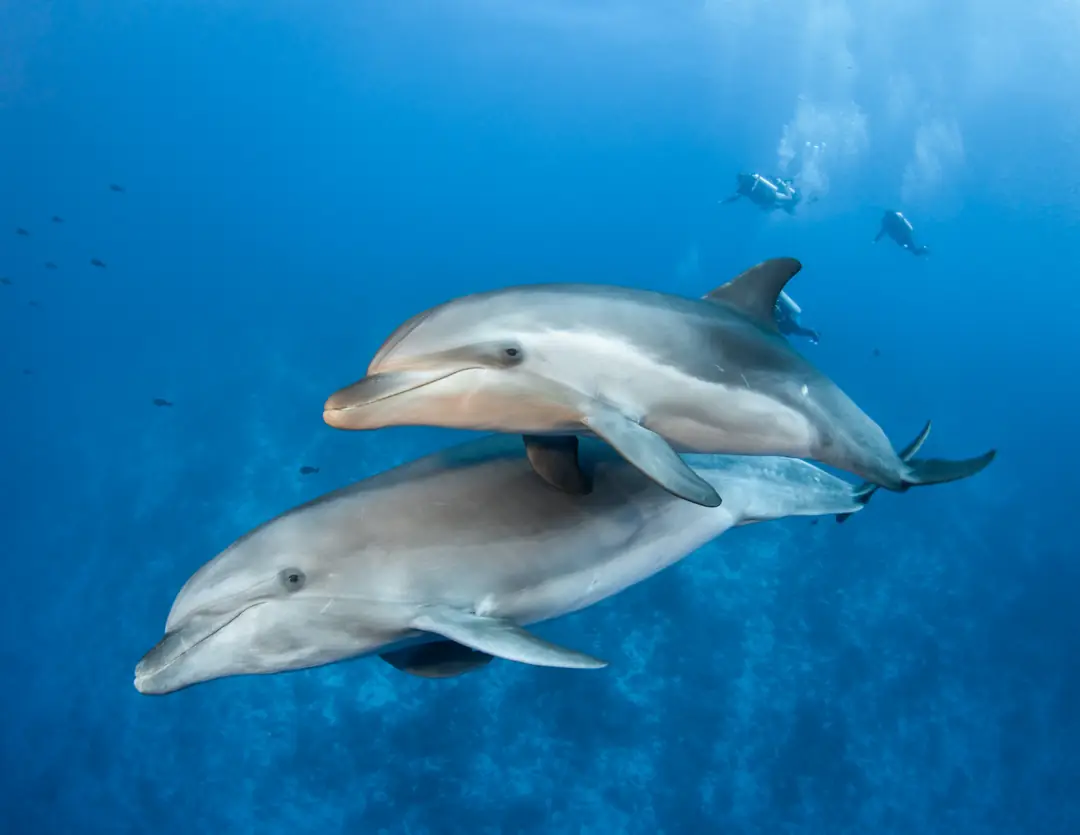 © seabook.appAll rights reserved
 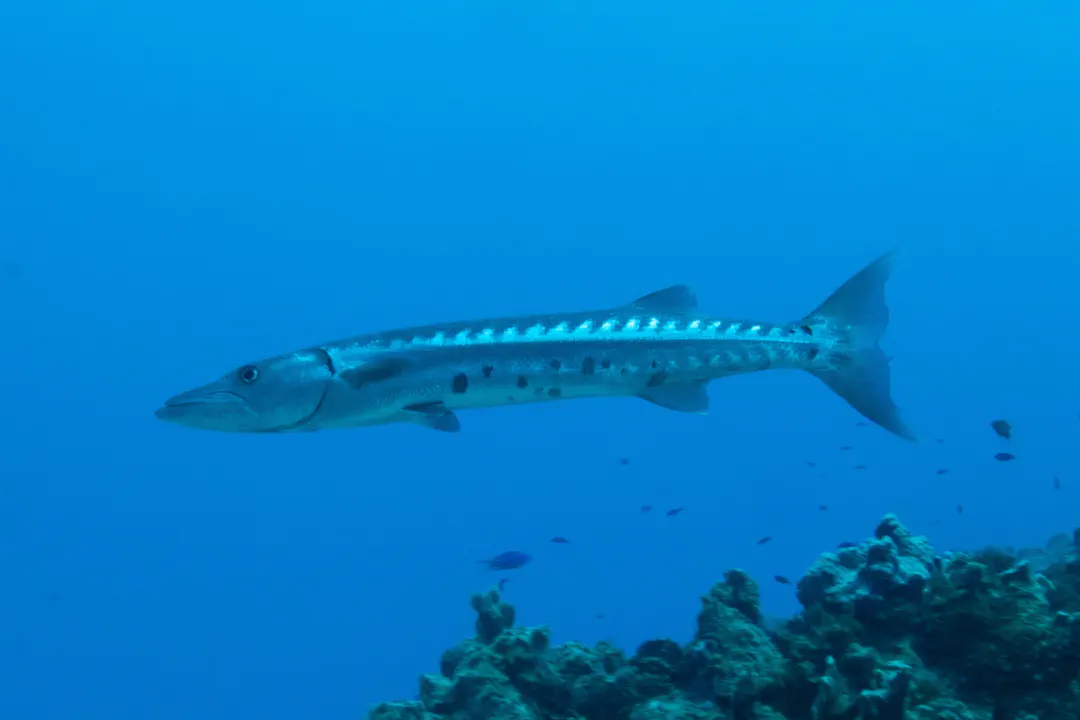 © Dan SchofieldCC BY 4.0 · iNaturalist
 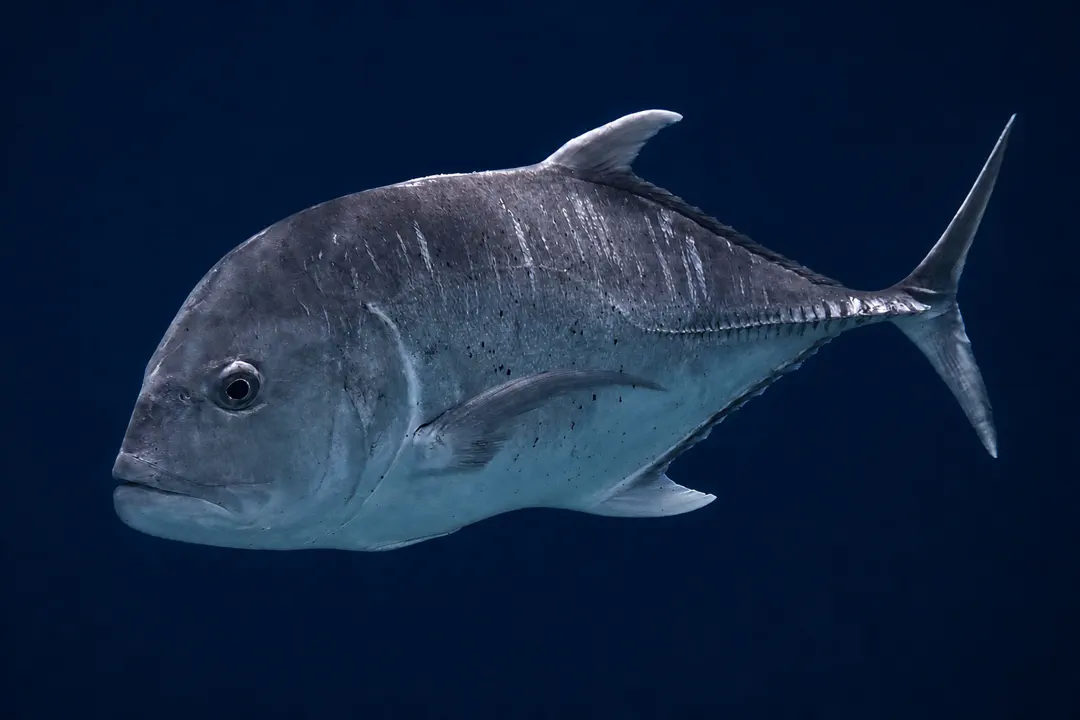 © seabook.appAll rights reserved
 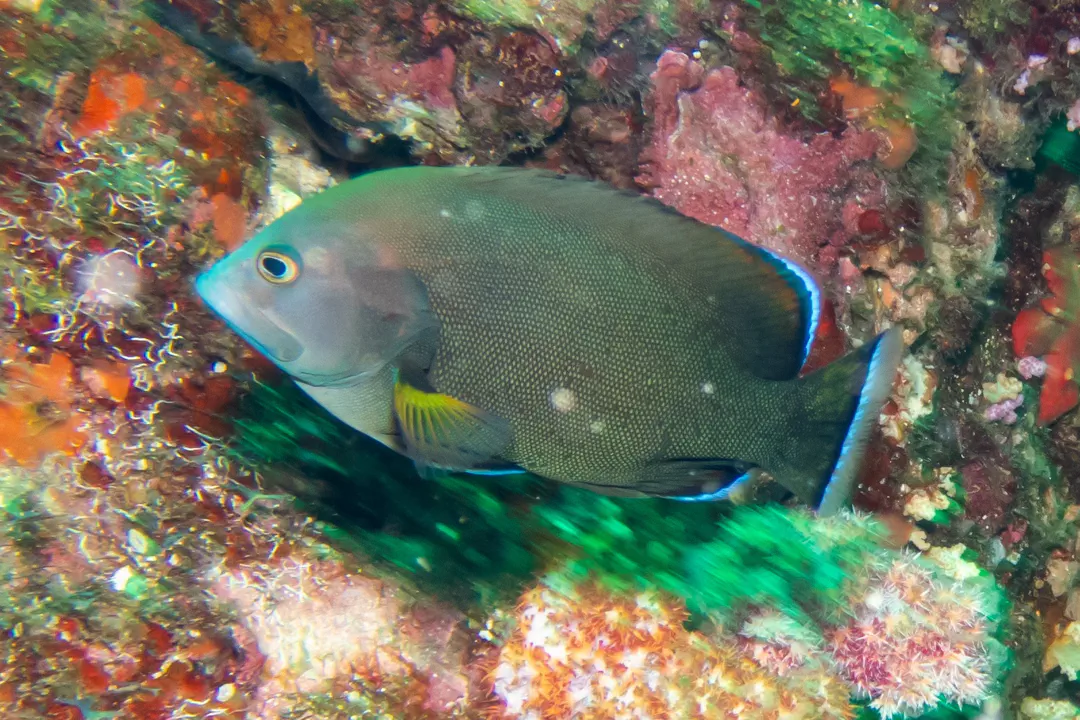 © portioidCC BY 4.0 · iNaturalist
 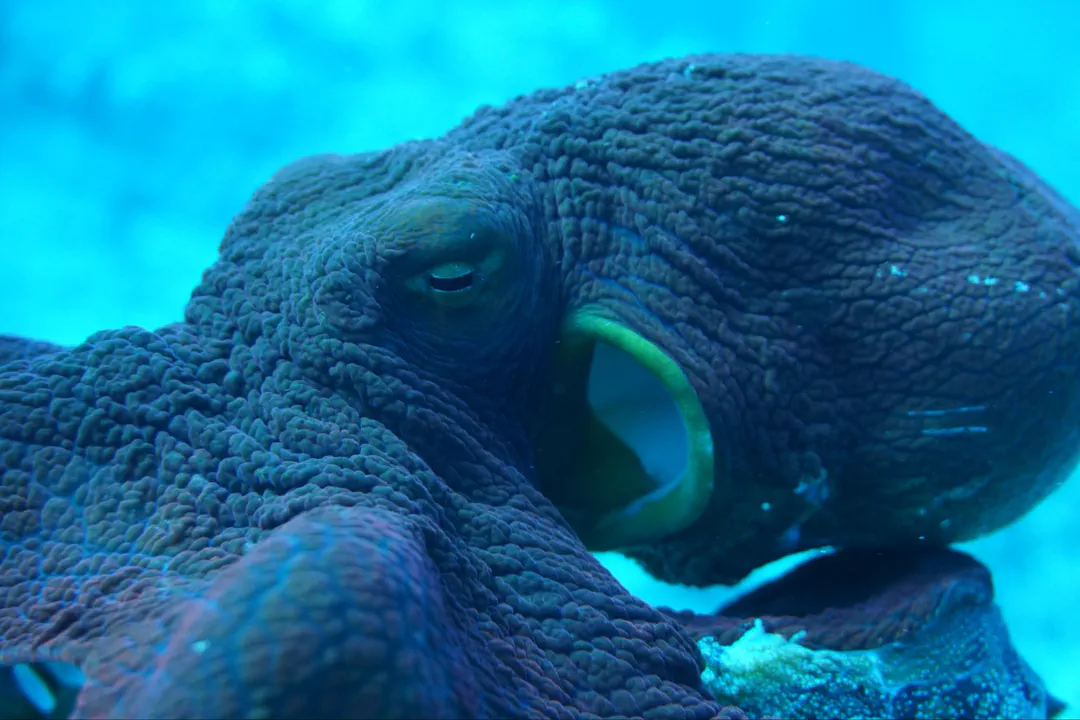 © cello caruso-turielloCC BY 4.0 · iNaturalist
 Kenting National Park: Southern Taiwan's Reef Paradise
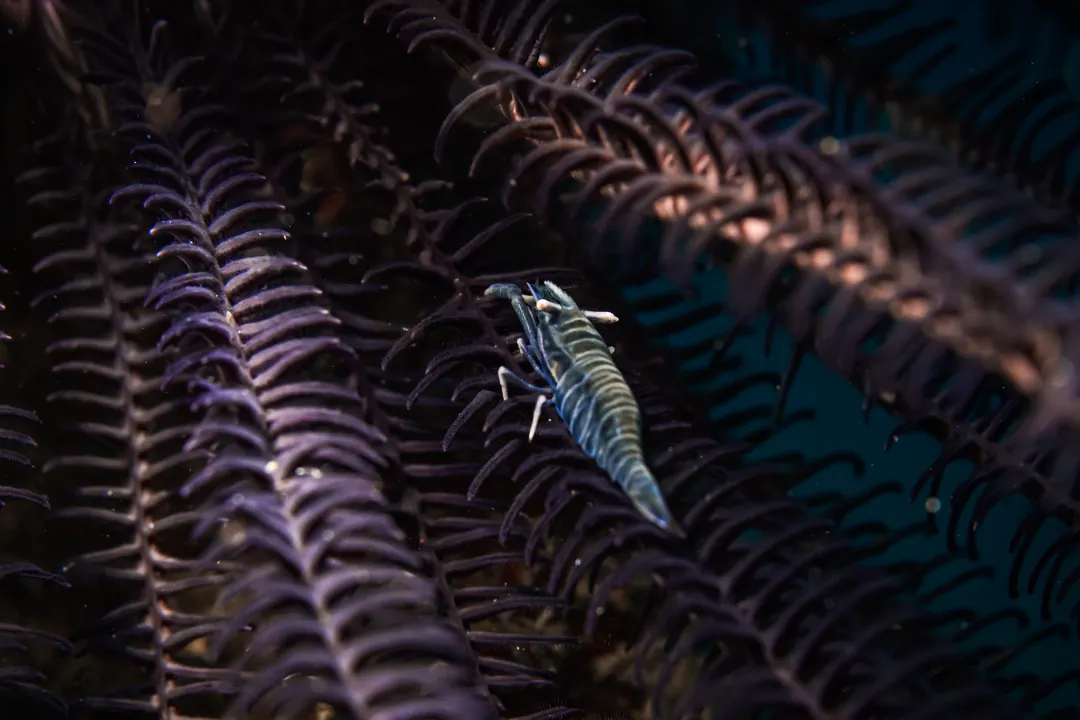
In a shallow coral garden at 10 meters within Kenting National Park, a clown frogfish, camouflaged perfectly against a sponge, waits patiently for prey. A tiny emperor shrimp, no bigger than a fingernail, meticulously cleans a nudibranch nearby, a tableau of the park's intricate macro life.
Kenting National Park anchors southern Taiwan’s reef diving and is one of the easiest regions in the country for beginners to access. The park’s warmer water, generally sheltered bays, and established dive infrastructure make it a practical base for training dives, check dives, and relaxed reef photography. Depths consistently range from 5 to 25 meters, with easy shore entries at many sites, making it suitable for all levels of divers.
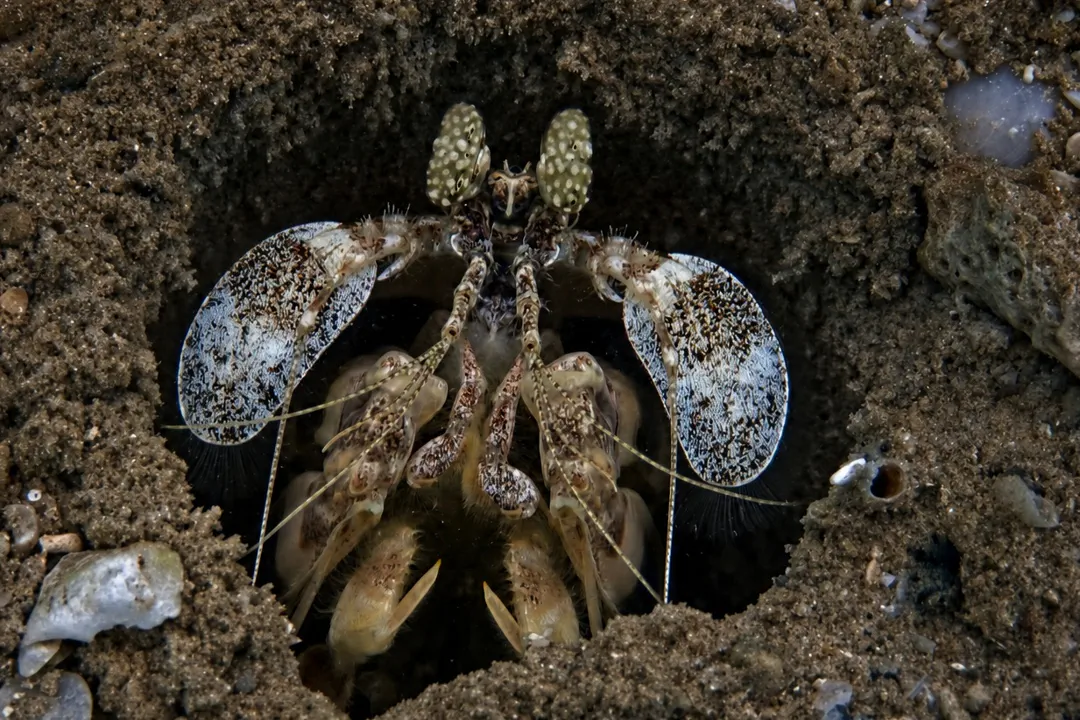
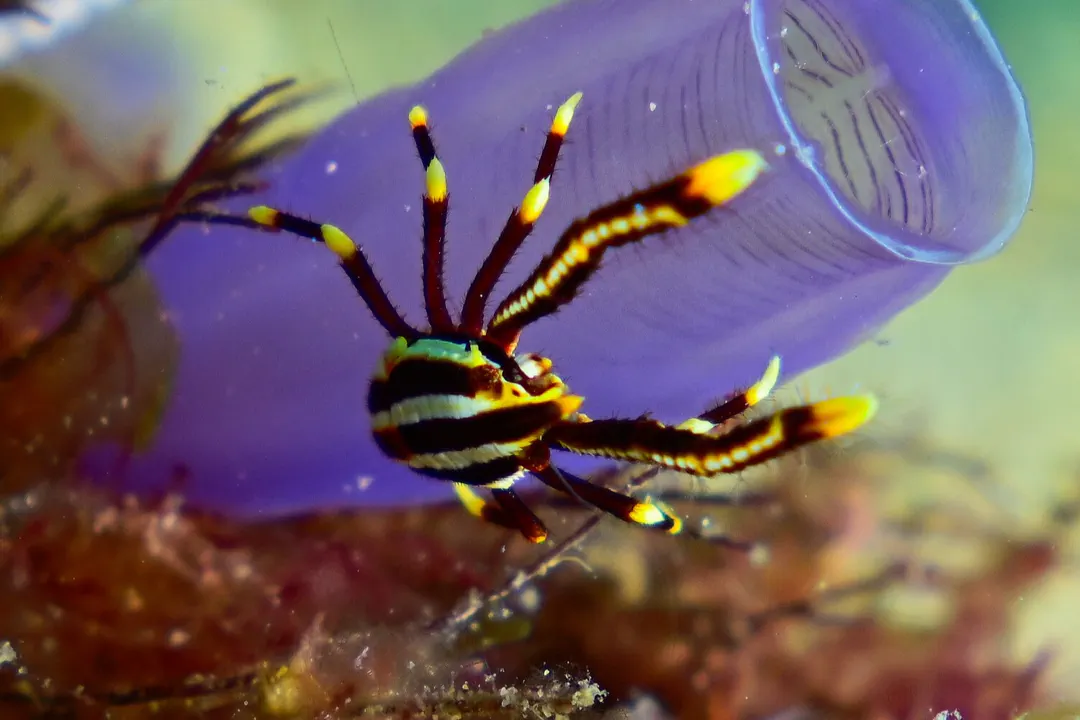
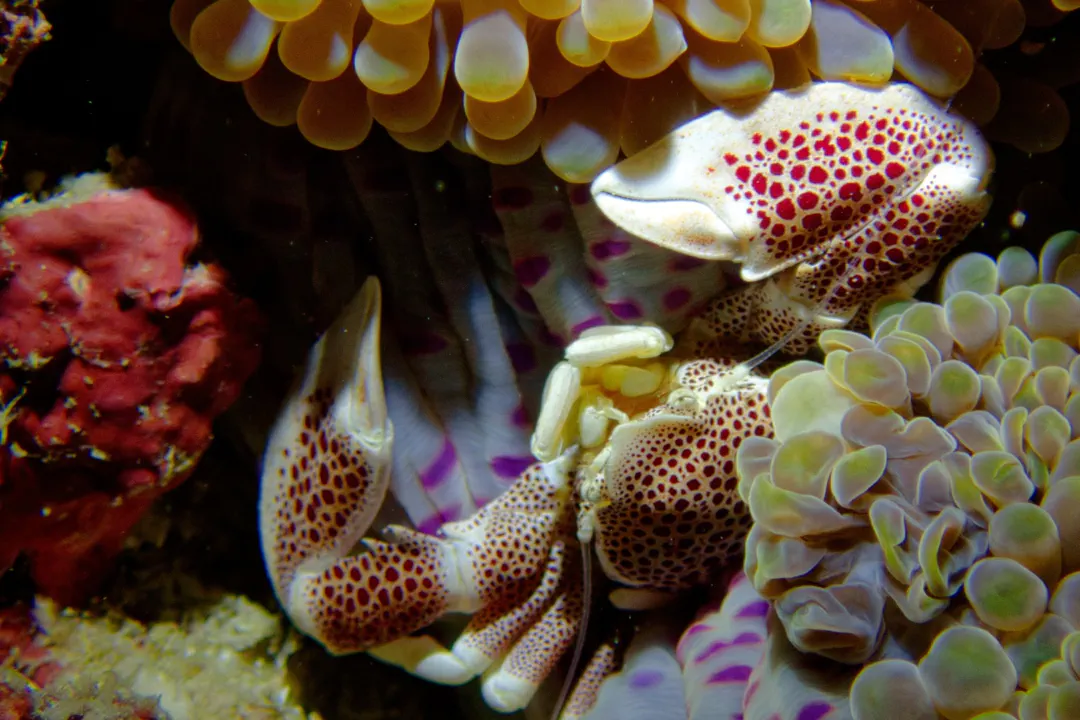
The reef communities here include hard corals, soft corals, reef fish, nudibranchs, shrimps, and a broad suite of small cryptic animals associated with tropical shallows. Kenting is especially valuable for macro diving because reef complexity creates hiding places for cleaner shrimp, squat lobsters, ghost pipefish, flatworms, and other small species that are easily missed without slow, buoyant control and a focused guide.
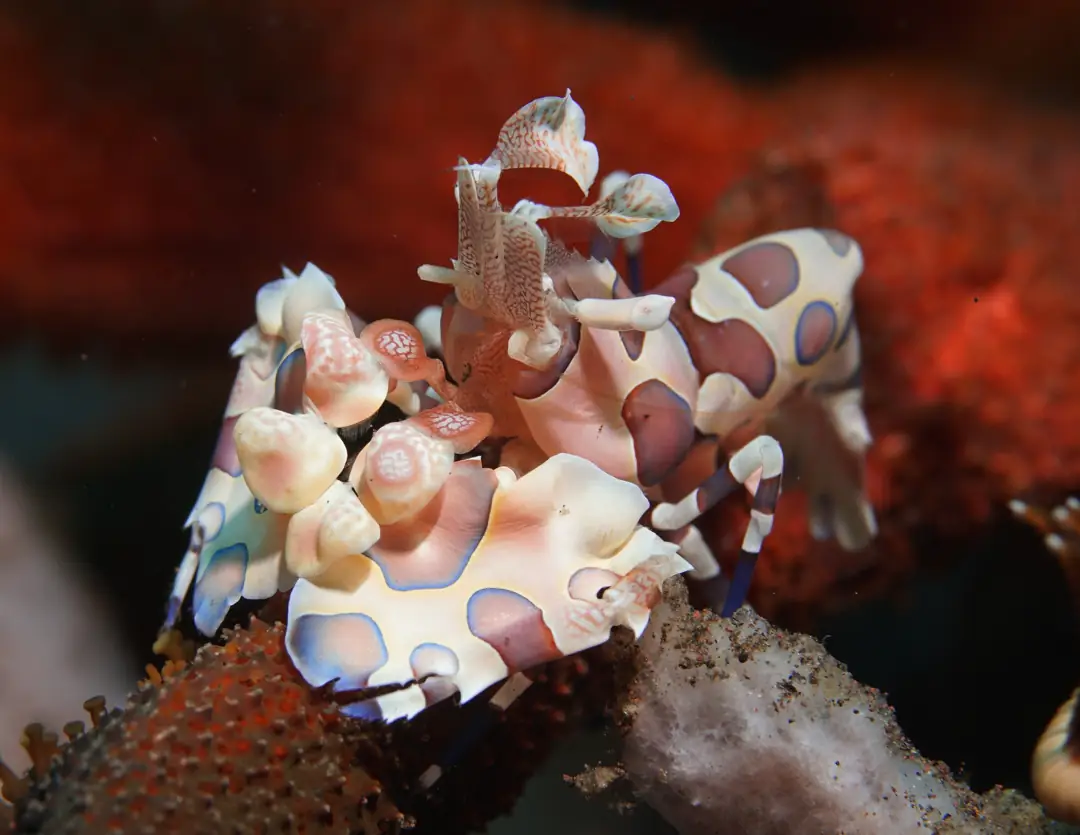 © Stas KuryanAll rights reserved
 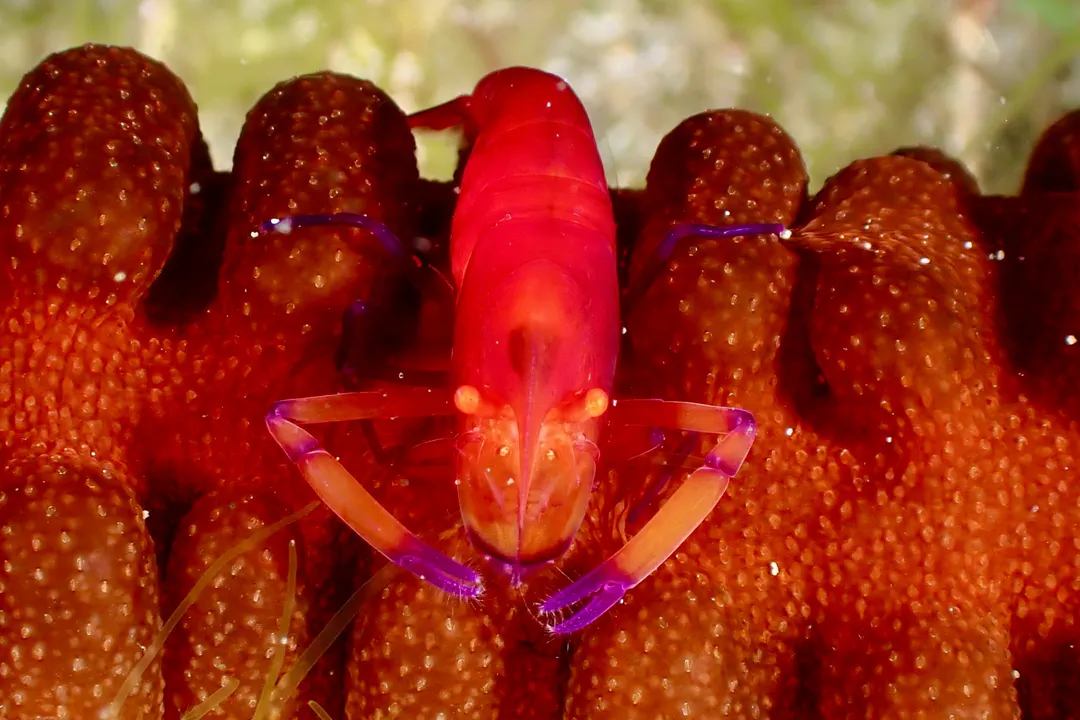 Chris SpainCC0 · iNaturalist
  © seabook.appAll rights reserved
  © Bernie WongCC BY 4.0 · iNaturalist
  © Jay ParolineCC BY 4.0 · iNaturalist
  © Stas KuryanAll rights reserved
 Penghu Islands: Wreck Diving and Unique Topography
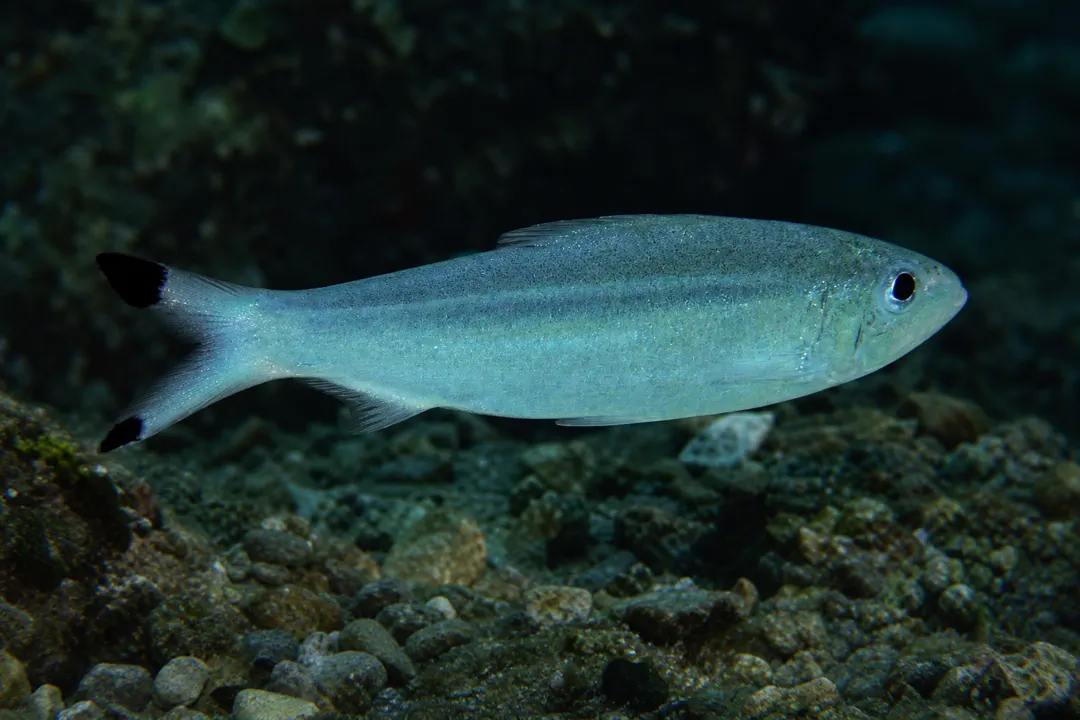
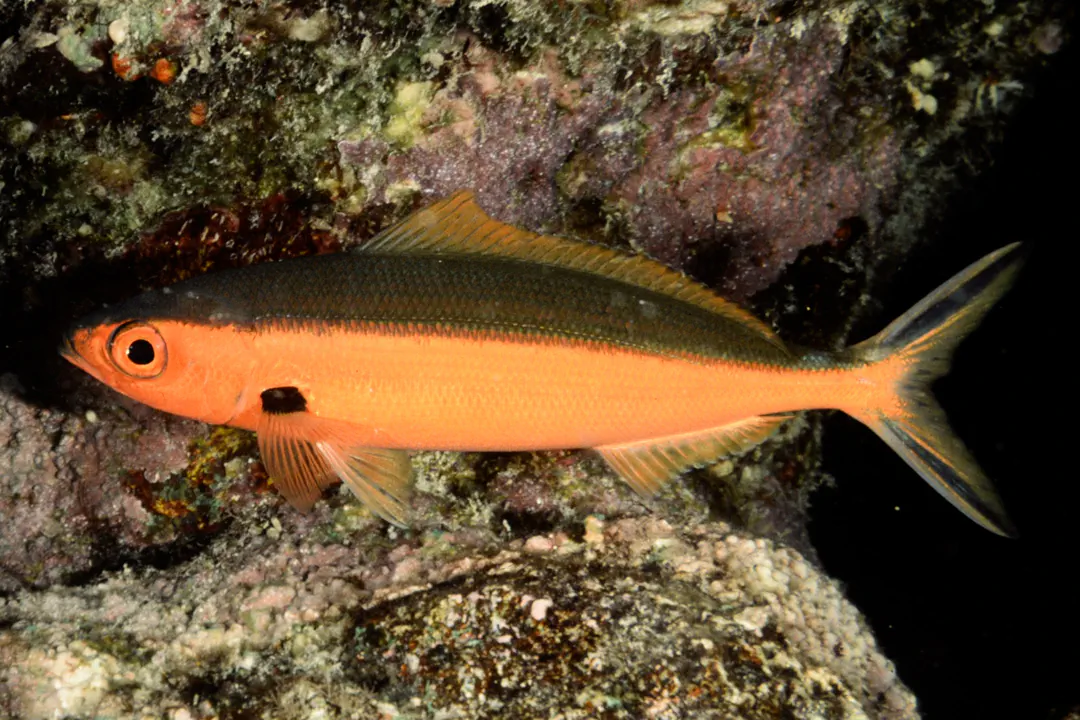
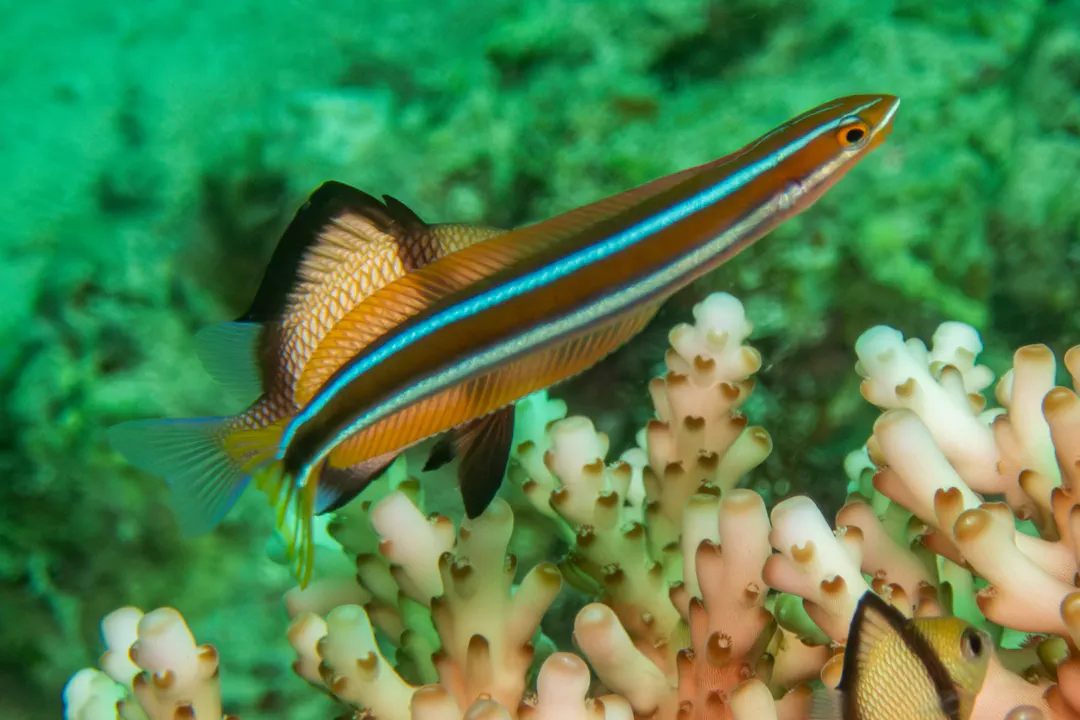
Descending into the cool, green waters of the Penghu Islands, the silhouette of a sunken fishing vessel emerges at 20 meters, its mast broken but its hull now a vibrant canvas of encrusting sponges and small, schooling sardines. A blue-striped fangblenny darts from a crevice, mimicking a cleaner wrasse.
The Penghu archipelago, situated in the Taiwan Strait, offers a distinctly different diving environment from Taiwan’s coral-heavy south and east. It is known for its unique basalt geology, surge-exposed coastlines, and several intriguing wreck sites, with depths from 15 to 35 meters. Access is primarily by boat from Magong, the main island, and conditions can be influenced by seasonal winds, making it suitable for intermediate to advanced divers comfortable with boat entries and potentially stronger currents.
Basalt columns, lava formations, caves, and wrecks create hard substrate for encrusting life such as sponges, soft corals, and algae, which in turn attracts schooling fish and hunting predators. The wrecks, often fishing vessels or small cargo ships, have become artificial reefs. This means divers are more likely to focus on topography, swim-throughs, and fish behavior than on extensive coral gardens, making Penghu especially appealing to photographers who enjoy structure and contrast.
 © seabook.appAll rights reserved
  © Roger RittmasterCC BY 4.0 · iNaturalist
  Chris SpainCC0 · iNaturalist
  © portioidCC BY 4.0
 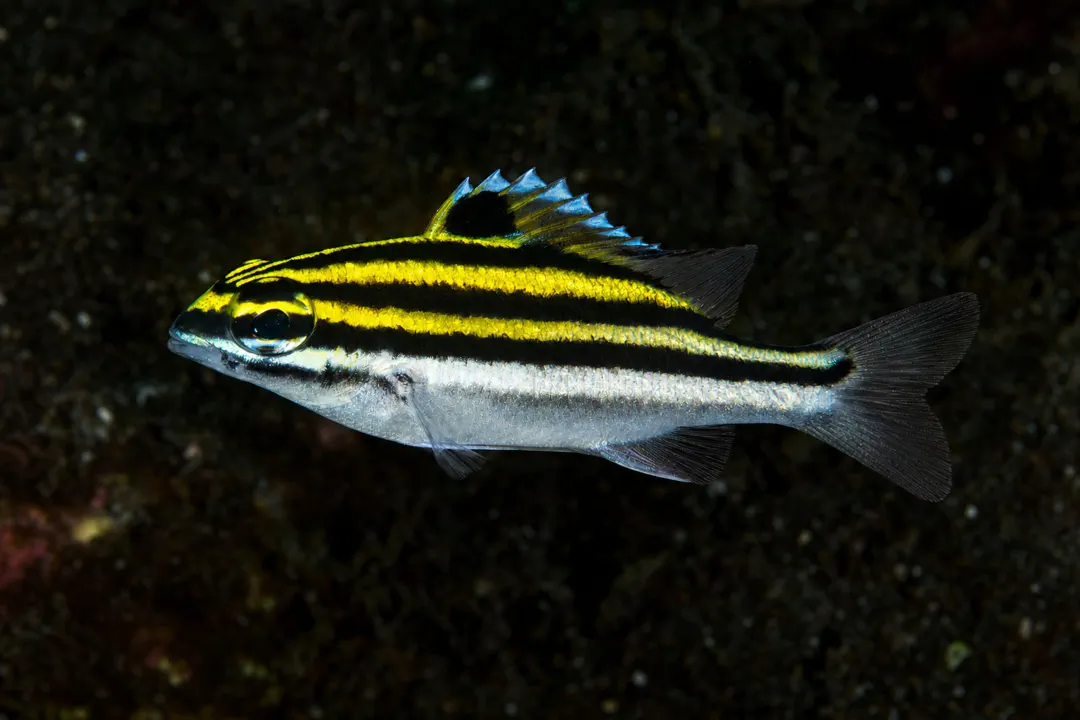 © seabook.appAll rights reserved
 Practical Diving Tips for Taiwan
Navigating Taiwan’s varied dive sites requires careful planning. It is advisable to book with reputable local dive operators who understand the nuances of specific sites, especially where currents can be significant, such as around Orchid Island. Always confirm entry and exit methods in advance, and discuss depth ranges and current expectations with your guide.
While English is spoken in most dive centers, learning a few basic Mandarin phrases can enrich interactions with local communities. Respect local customs and marine conservation efforts, particularly in areas like Orchid Island where traditional Tao culture is closely tied to the sea. Maintaining excellent buoyancy control is crucial, especially in shallow coral gardens, to prevent accidental contact with delicate reef structures.
Questions
Is Taiwan suitable for beginner divers?
Yes. Kenting National Park and sheltered parts of Green Island offer shallow reef dives, easy shore entries, and relatively warm water, which makes them suitable for training and first-time divers. Orchid Island and more exposed offshore sites are better reserved for divers with stronger buoyancy control and comfort in current.
What is the typical water visibility in Taiwan?
Visibility varies by region and season, but many of Taiwan’s better offshore sites can reach roughly 20 to 30 meters in the warmer, calmer months. Inner bays, nearshore reefs, and periods affected by swell or runoff can drop well below that, so visibility is best treated as site-specific rather than uniform across the island.
Are there any dangerous marine animals to be aware of?
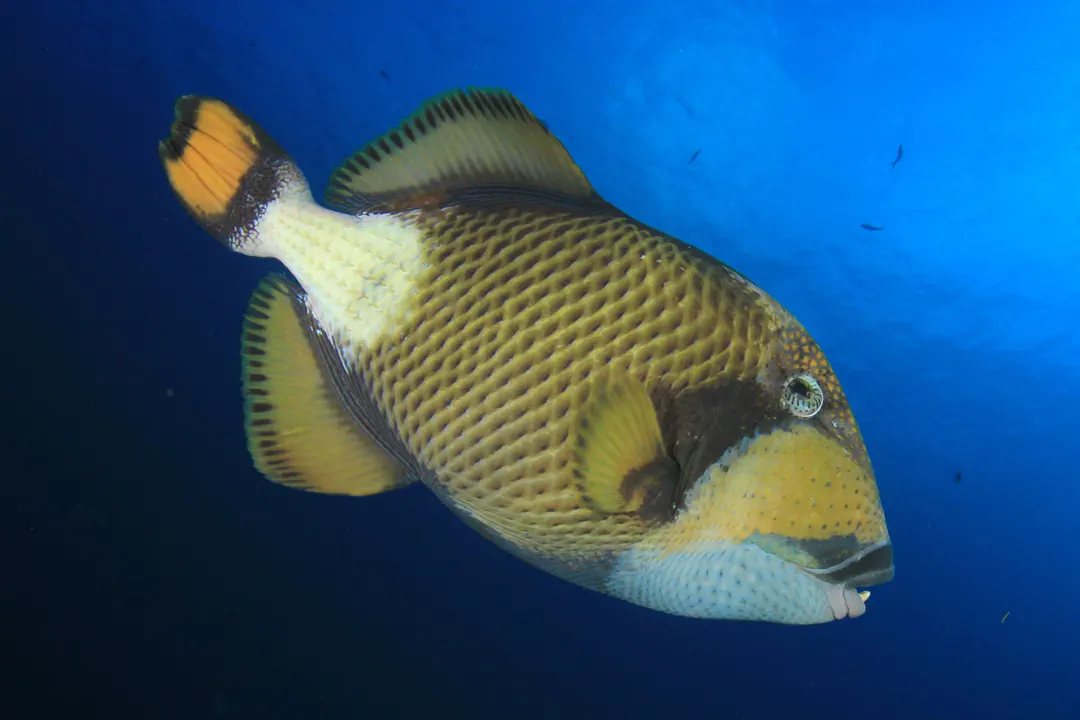
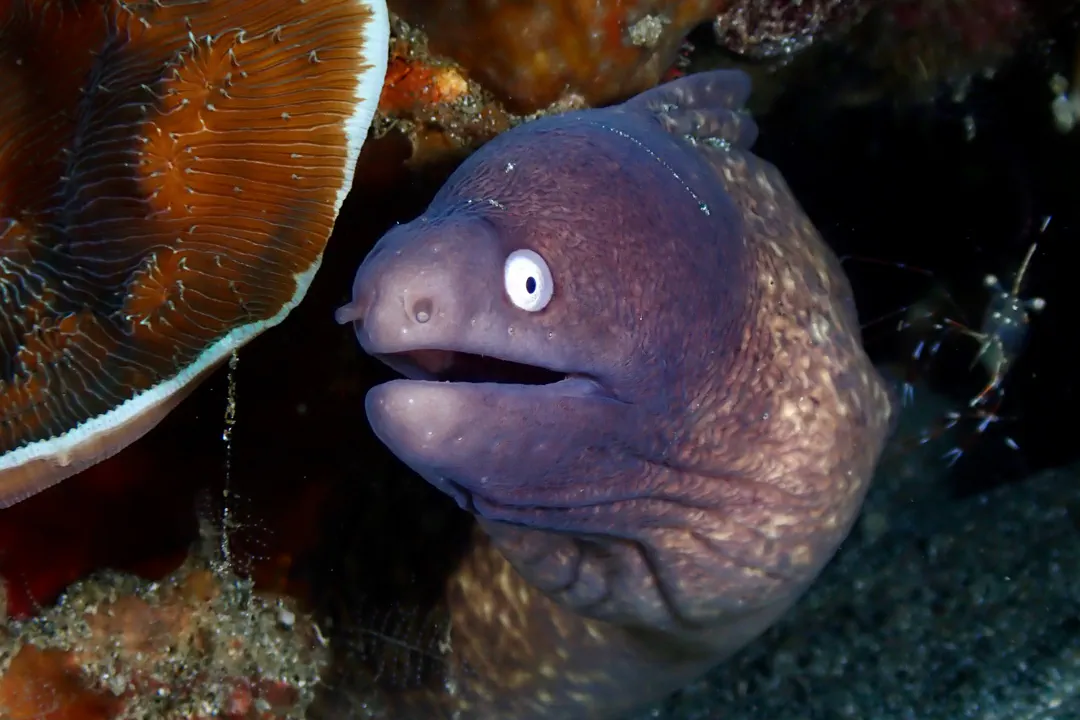
Taiwan’s reefs are generally safe when divers maintain distance and good buoyancy, but several animals deserve caution, including triggerfish during nesting periods, scorpionfish, stonefish-like camouflage predators, and moray eels if they are provoked. Standard reef etiquette matters most: do not touch animals, do not place hands into crevices, and follow the dive guide’s instructions closely.
Do I need to bring my own dive gear?
Most dive centers in Taiwan rent standard equipment, so you do not need to bring everything with you. Many experienced divers still prefer to travel with their own mask, computer, and exposure protection because fit and familiarity improve comfort, especially on multi-day trips with varying temperatures.
Can I combine diving with other activities in Taiwan?
Yes. Taiwan is well suited to mixed itineraries because dive regions such as Kenting, Green Island, and Penghu can be paired with hiking, hot springs, night markets, and cultural sightseeing. That flexibility is one reason many travelers extend a dive trip into a broader island journey.
How do I travel to Taiwan's main dive regions?
Most international flights arrive at Taiwan Taoyuan International Airport (TPE). From there, domestic flights or high-speed rail can connect you to major cities like Taitung (for Green Island and Orchid Island), Kaohsiung (for Kenting and Xiaoliuqiu), or Magong (for Penghu). Ferries are then used to reach offshore islands. Local dive operators can often assist with transfers.
What is the approximate cost of diving in Taiwan?
A two-tank boat dive typically costs between NT$2,500 and NT$3,500 (approximately US$80-110), depending on the location and operator. Shore dives are generally less expensive. Equipment rental is usually an additional cost, often around NT$500-800 per day. Multi-day packages or training courses will have different pricing structures.