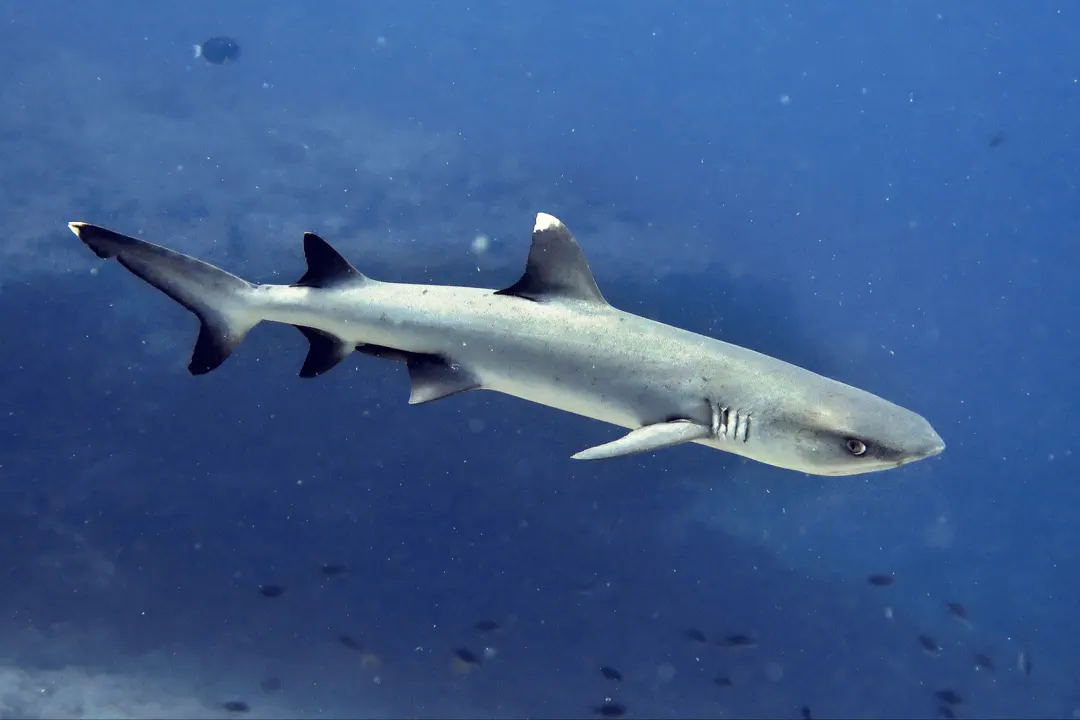
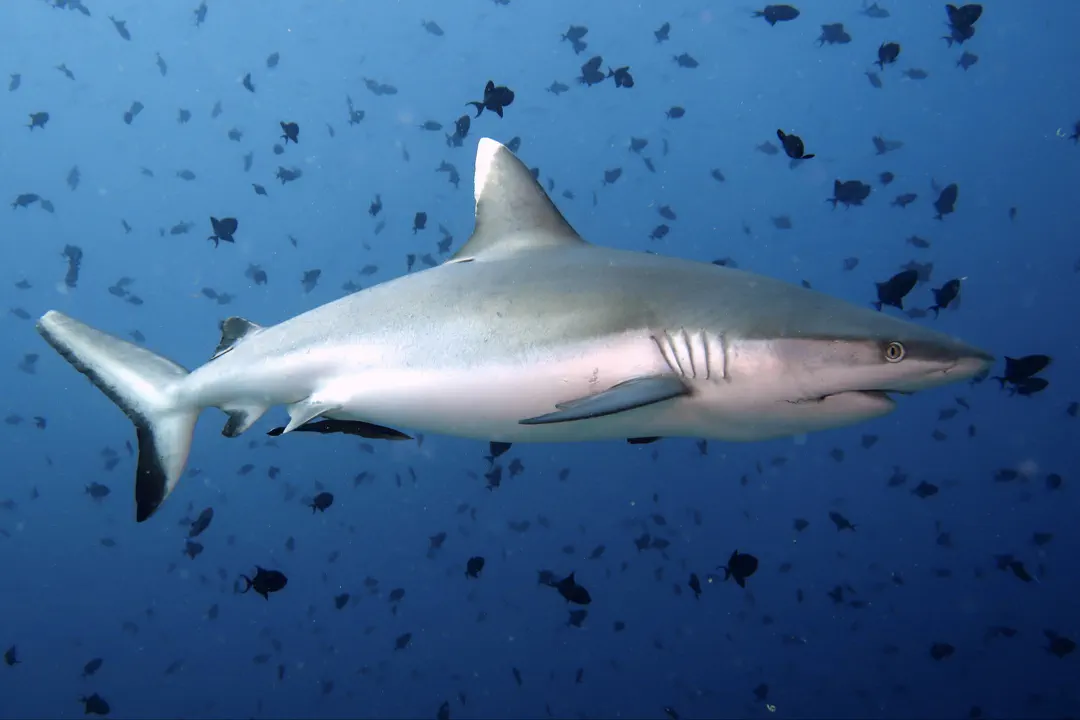
At a depth of 27 metres off the rocky Sinai coast, sunlight slices downward through the narrow vertical shaft of The Bells. Coral walls press in on three sides as a grey reef shark slips across the deep exit gap into open blue water. Outside the dark chimney, thousands of red sea goldies flutter against a gentle northern current along the vertical underwater cliff.
Diving in Dahab offers immediate access to the steep bathymetry of the Gulf of Aqaba directly from the shore. The best months to dive here are from April to May and September to November, when seawater temperatures range from 23°C to 27°C and desert air stays comfortable. Visibility routinely reaches 20 to 30 metres, allowing clear views across deep drop-offs and shallow coral platforms.
Signature dive locations include the Blue Hole, the Canyon, Eel Garden, and Gabr el Bint, where divers observe hawksbill turtles, giant morays, and thousands of swaying garden eels. The town caters equally to novices taking their Open Water certification in calm shallow bays and advanced divers exploring dramatic drop-offs. Pickup trucks carry gear right up to the shoreline, creating a relaxed diving rhythm backed by Bedouin hospitality.
What Is Diving in Dahab Like?
Dahab sits on the eastern shore of the Sinai Peninsula, where the Gulf of Aqaba plummets into a steep subsea basin. This sharp bathymetry creates dramatic underwater drop-offs, pinnacles, and sandy gullies just a few paces from the beach. Instead of spending long hours on large daily liveaboards, divers gear up in open-air Bedouin cafes, load tanks into four-wheel-drive pickup trucks, and drive along rugged coastal tracks directly to the entry points.
The underwater topography varies significantly within short distances along the coastline. Sheltered bays like Lighthouse offer gentle sandy entry ramps ideal for skill practice and calm navigation drills. Just minutes to the north, vertical coral walls plunge into blue depths of more than 100 metres, offering experienced recreational and technical divers steep relief and deep rock formations.
Clear water and minimal rainfall mean visibility frequently exceeds 25 metres across all seasons. Surface conditions can feature strong north-easterly winds that create surface chop on exposed northern entry points, but subsea currents typically remain mild to moderate inside the sheltered gulf. The unique combination of shore-based logistics, deep topography, and laid-back cafe culture makes diving in Dahab distinct from the boat-heavy resort hubs elsewhere in Egypt.
Best Time to Dive in Dahab
Dahab provides viable underwater conditions throughout the entire year, though seasonal shifts in air temperature, water warmth, and wind speed affect trip comfort. Spring from April to May and autumn from September to November represent the peak diving months. During these periods, sea temperatures hover between 23°C and 27°C, while daily air temperatures stay around 28°C to 32°C, avoiding the intense desert heat of midsummer.
Midsummer months from June through August bring sea temperatures up to 28°C or 29°C, allowing thin 3mm wetsuits or shorties. However, shade air temperatures frequently exceed 40°C on land, making heavy dive equipment handling taxing during midday hours. Divers visiting in high summer often schedule early morning entries at sunrise to avoid peak heat and severe dehydration.
Winter runs from December through March, bringing water temperatures down to a low of 21°C to 23°C in February. Stronger northerly winds can make exiting the water chilly, requiring a full 5mm or 7mm wetsuit along with a windproof jacket on shore between dives. Despite cooler water, winter offers clear visibility, fewer crowds at popular sites, and active reef fish behaviour along the shallow platforms.
Dahab Water Temperature by Month
Water temperature
Dahab, Egypt, monthly average
Red Sea, Egypt (popular diving area reference: Hurghada/Sharm El-Sheikh region). Typical diving depth range: 5-40m. Data represents average sea surface temperatures.
Water temperatures in the Gulf of Aqaba follow a smooth annual thermal curve driven by desert sun and deep-water turnover. The coldest seawater occurs between January and March, bottoming out around 21°C or 22°C in late February. During these winter months, a 5mm or 7mm neoprene suit with an optional hooded vest provides necessary insulation for 50-minute multi-dive profiles.
As spring arrives in April, surface water warms steadily through May, moving from 23°C to 25°C. By midsummer in July and August, water temperatures peak between 28°C and 29°C, making a 3mm full suit or shortie completely comfortable for most divers. Thermal thermoclines are rare along shallow shore reefs, maintaining consistent temperatures down to 30 metres depth.
Autumn brings a gradual cooling trend from 27°C in September down to 24°C in November. These autumn months offer some of the most pleasant conditions of the year, combining warm water with mild air temperatures and light winds. Choosing the right exposure suit based on the month ensures comfortable bottom times without thermal fatigue during repetitive daily dives.
Best Dive Sites in Dahab
Blue Hole: deep arch and dramatic drop-off
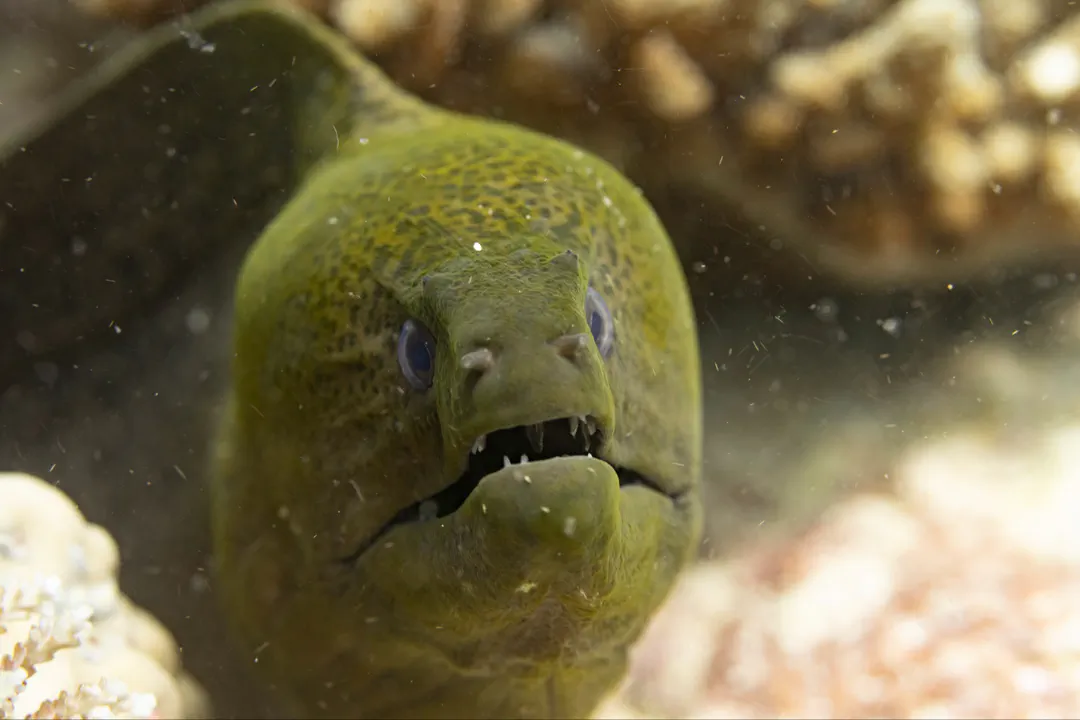
The Blue Hole is a submerged circular sinkhole cut into the reef flat 10 kilometres north of town. The sinkhole drops vertically to depths exceeding 100 metres, surrounded by a shallow ring of hard coral. Entering from the shore, recreational divers descend along the inner rim where sunlight illuminates steep limestone walls covered in soft corals, damselfish, and giant morays hiding in crevices.
At a depth of 56 metres on the seaward side lies The Arch, a famous 26-metre long tunnel connecting the sinkhole interior to the open ocean outside. Passing through The Arch is strictly a technical dive requiring normoxic or hypoxic trimix, redundant cylinders, and full decompression support. Standard recreational profiles stay conservatively along the upper rim between 6 and 26 metres, avoiding the severe nitrogen narcosis and deep risks associated with the overhead cavern below.
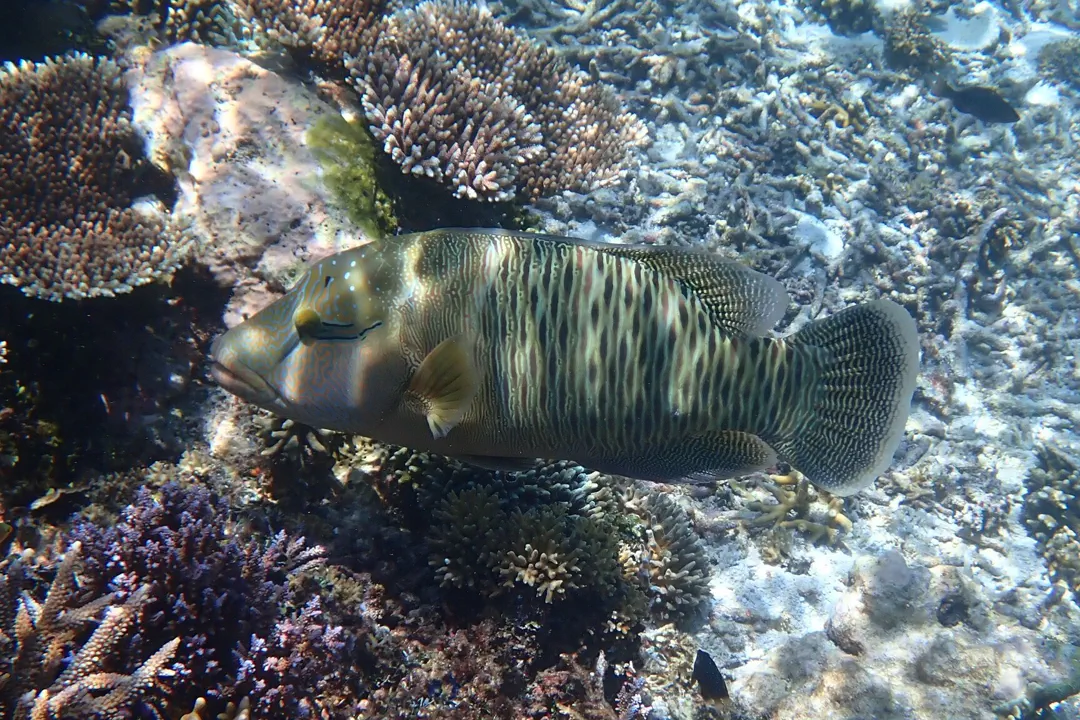
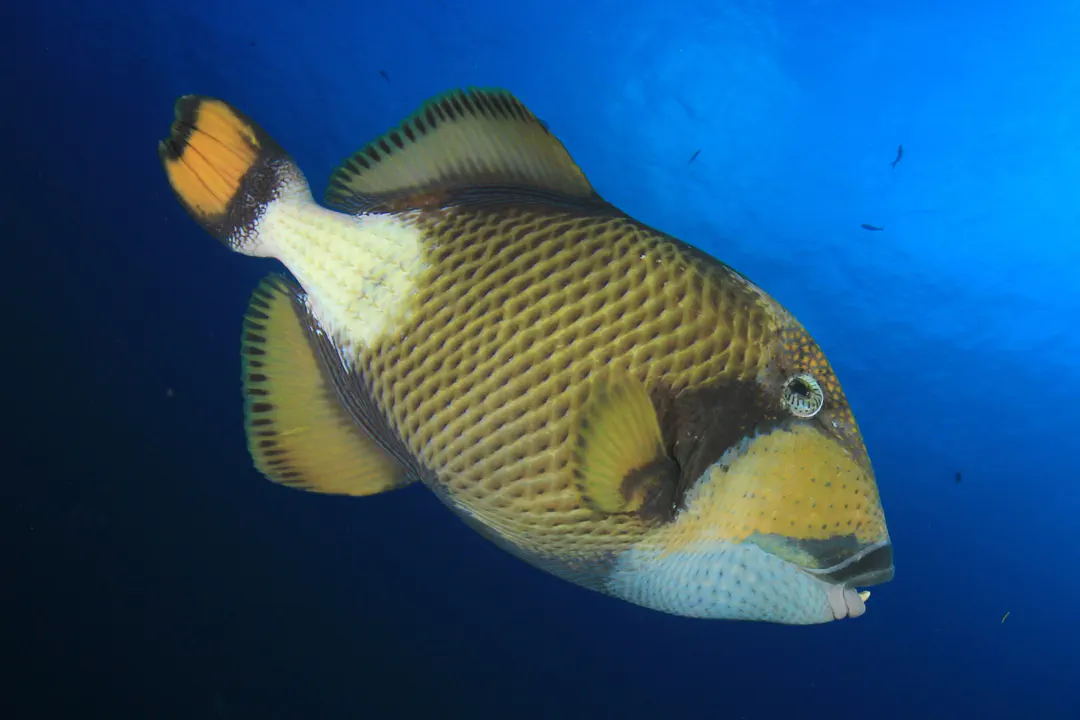
The outer wall facing the open sea features large table corals and blue triggerfish feeding in the passing current. Napoleon wrasse occasionally patrol the outer edge, while surgeonfish and butterflyfish gather along the shallow saddle. Good buoyancy control is essential here, as the outer reef drops away directly into deep abyssal blue water.
Depth: 6-30 m. Access: shore entry via 4x4, 20 minutes from town center. Level: Open Water on rim; Technical certification for Arch. Best months: April-November.
 © Nicola CrockfordCC BY 4.0 · iNaturalist
 © cello caruso-turielloCC BY 4.0 · iNaturalist
 © Dirk FroebelCC BY 4.0 · iNaturalist
 Andrew DeaconCC0 · iNaturalist
The Canyon: deep rock fissure and light beams
Located six kilometres north of central Dahab, The Canyon is a narrow submerged rock fissure formed in the ancient reef structure. The site is entered across a shallow sandy lagoon that slopes gradually toward a coral garden at 12 metres depth. Approaching the reef ledge, the dark open slot of the canyon opens below, dropping into a cavernous chamber lit by shimmering sunlight filtering through upper cracks.
Recreational divers enter the main chamber through a wide opening at 20 metres depth, descending into a sand-floored hall lined with steep stone walls. Dense swarms of glassfish hover inside the darker alcoves, while red lionfish hunt along the rock edges. Looking upward from inside the fissure, bubbles from divers collect along the ceiling and escape through tiny natural chimneys in the reef roof.
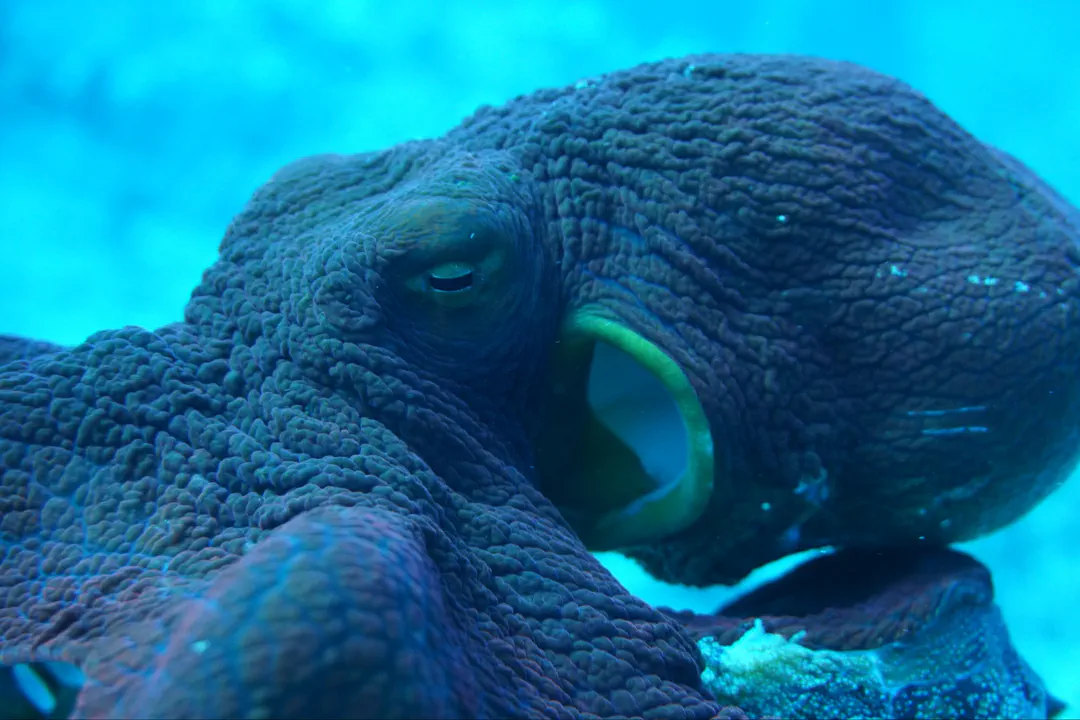
After exploring the inner chamber, divers exit through a narrow rock chute at 18 metres and navigate along the outer reef slope. Humphead wrasse, blue-spotted rays, and octopus are frequently spotted resting among the brain corals outside. Light conditions inside the fissure are most dramatic during late morning when the overhead sun shines straight into the rock opening.
Depth: 12-30 m. Access: shore entry, 15 minutes by 4x4 from Dahab. Level: Advanced Open Water. Best months: March-November.
 © cello caruso-turielloCC BY 4.0 · iNaturalist
 Andrew DeaconCC0 · iNaturalist
 © Libby KeatleyCC BY 4.0 · iNaturalist
Bells to Blue Hole: wall drift and chimney swim-through
The Bells dive begins 150 metres north of the Blue Hole at a narrow fissure cut into the rock shoreline. Divers leap into a vertical chimney that drops open-ended straight down through the reef wall. Exiting the shaft at 27 metres into the open ocean, divers turn left and begin a continuous wall drift southward along a towering vertical precipice.
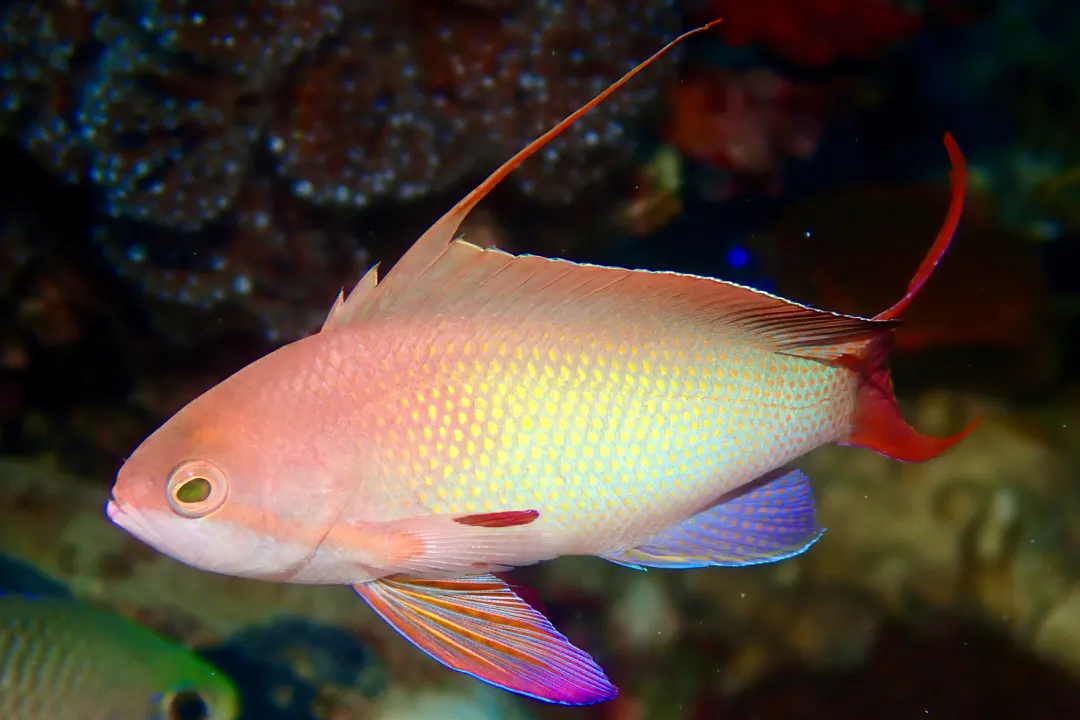
The outer wall is plastered with soft corals, black coral bushes, and large sea fans swaying in the deep water. Schooling anthias create bright orange clouds along the rock face, while soldierfish seek cover in shaded overhangs. Current along this stretch is typically mild and carries divers smoothly along the contour of the reef without heavy swimming.
As the profile reaches its conclusion, divers cross over the shallow saddle at 7 metres depth into the Blue Hole sinkhole. The clear, calm basin provides an ideal safety stop area above hard coral gardens. Watching sunlight refract through the blue basin surface makes for a peaceful exit point back to the shore cafes.
Depth: 7-30 m. Access: shore entry, 20 minutes north by 4x4. Level: Advanced Open Water. Best months: April-November.
 © Daniel BenákCC BY 4.0 · iNaturalist
Eel Garden: thousands of garden eels on sloping sand
Eel Garden lies just north of central Dahab and is named for a vast colony of Red Sea garden eels (Gorgasia sillneri). Access requires walking across a shallow reef flat during mid to high tide before swimming through a natural coral channel onto a sandy slope. The sand drops gently from 9 metres down past 20 metres into the deep channel.
As divers descend onto the slope, thousands of slender garden eels emerge from individual sand burrows, swaying synchronously in the current to filter floating plankton. Maintaining neutral buoyancy and hovering motionless a few metres away allows the eels to stay extended; sudden movements or large shadows cause them to instantly retreat underground.
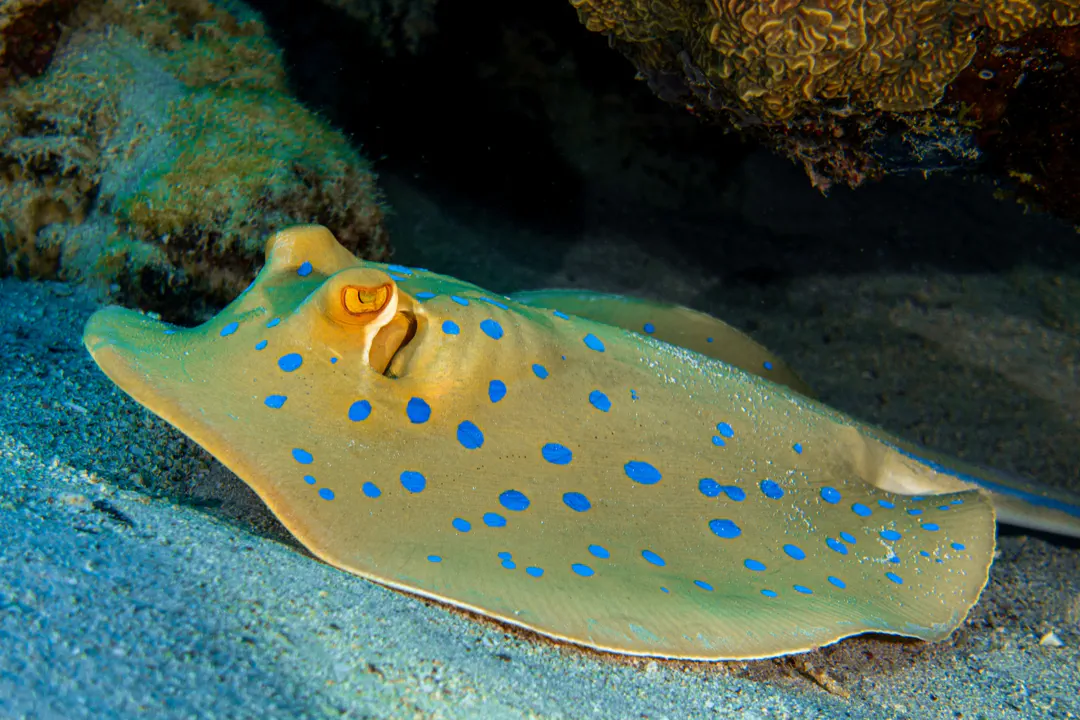
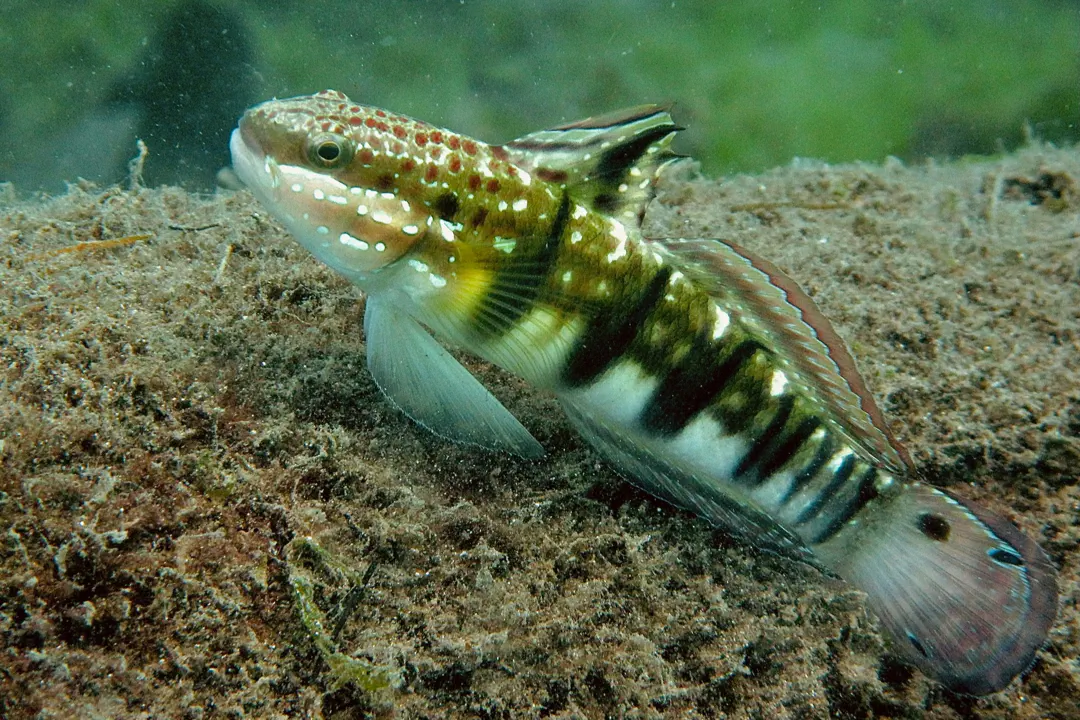
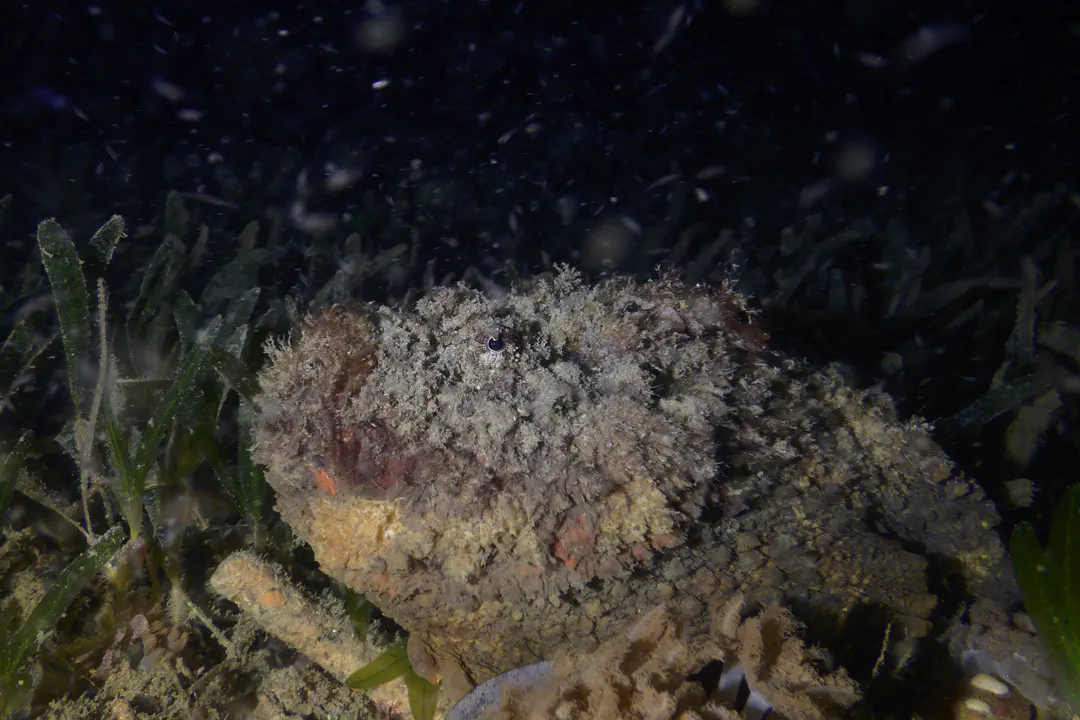
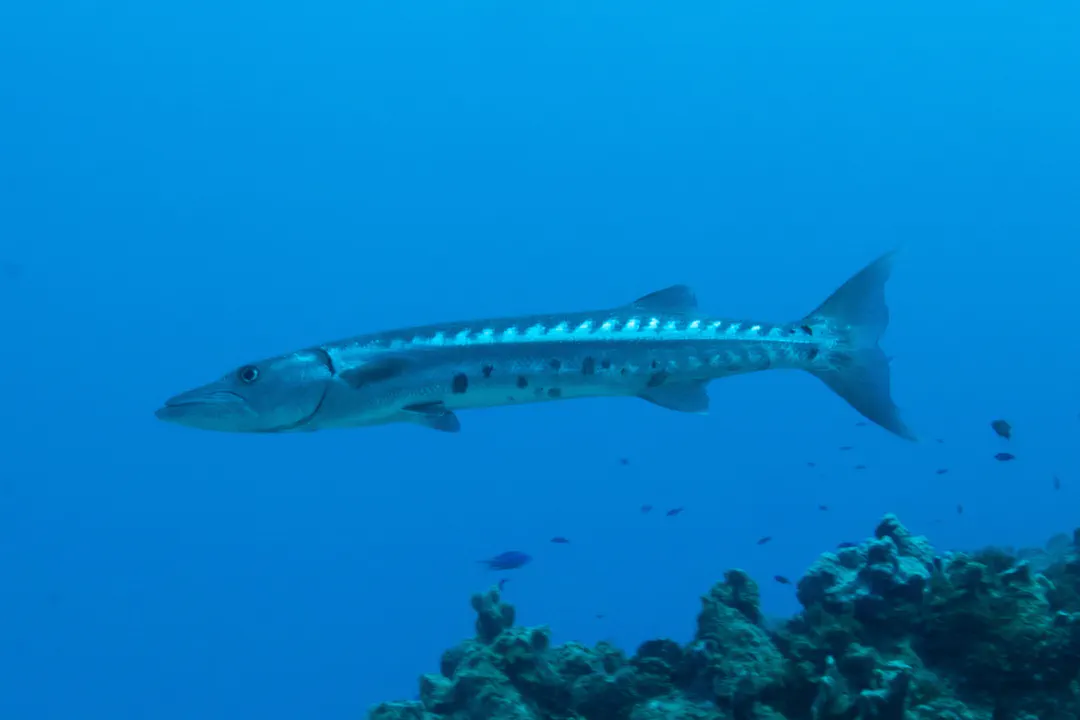
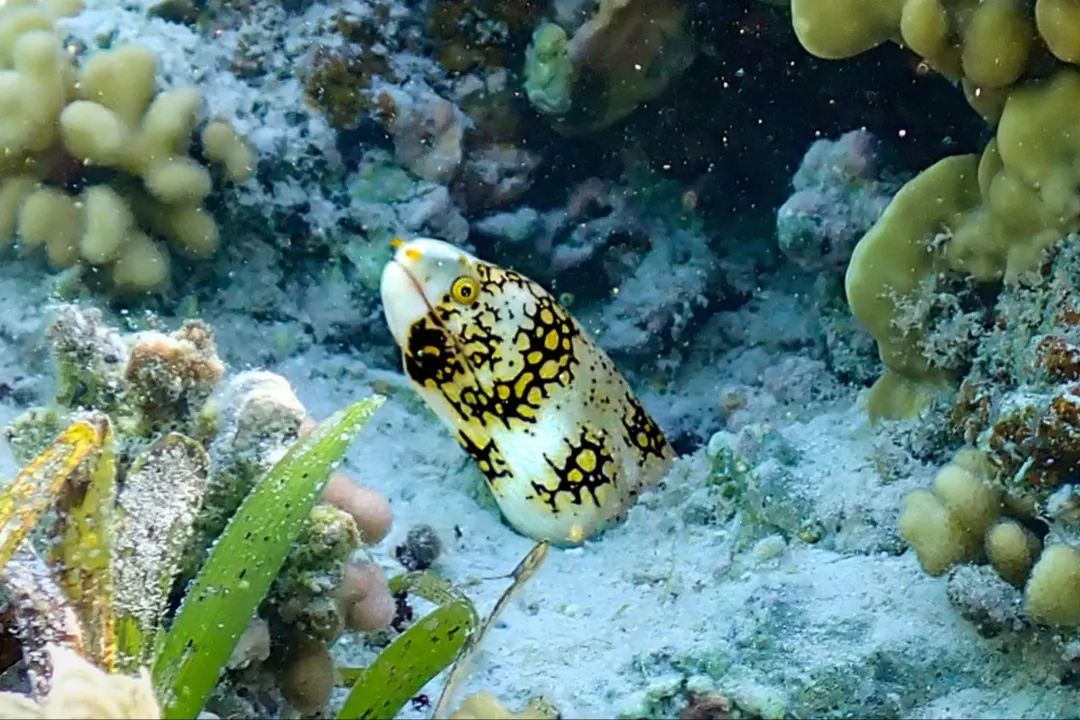
Along the borders of the sand slope, coral ridges support crocodilefish, stonefish, and blue-spotted ribbontail rays buried up to their eyes in fine sediment. Barracudas sometimes patrol the open water above the sandy field, while goby species share burrows with snapping shrimp along the slope edges.
Depth: 9-22 m. Access: shore entry, 5 minutes by car or walking from town. Level: Open Water. Best months: Year-round.
 © Bernard DUPONTCC BY 4.0 · iNaturalist
 © Ewout KnoesterCC BY-SA 4.0
 © Dan SchofieldCC BY 4.0 · iNaturalist
Lighthouse Reef: sheltered bay for training and night dives
Located right in the heart of Dahab's main bay, Lighthouse Reef is the central hub for beginner instruction and night diving. The site features an exceptionally easy beach entry over smooth sand into shallow, protected waters. A sandy slope descends gently from 3 metres down to 18 metres, bordered on the right by a vast fringing coral reef.
The shallow seagrass patches and coral heads house blue-spotted rays, masked butterflyfish, and clownfish living inside anemones. Because the bay is protected from swell and strong currents, students can practice mask clearings, buoyancy control, and navigation without struggling against wave action or surge.
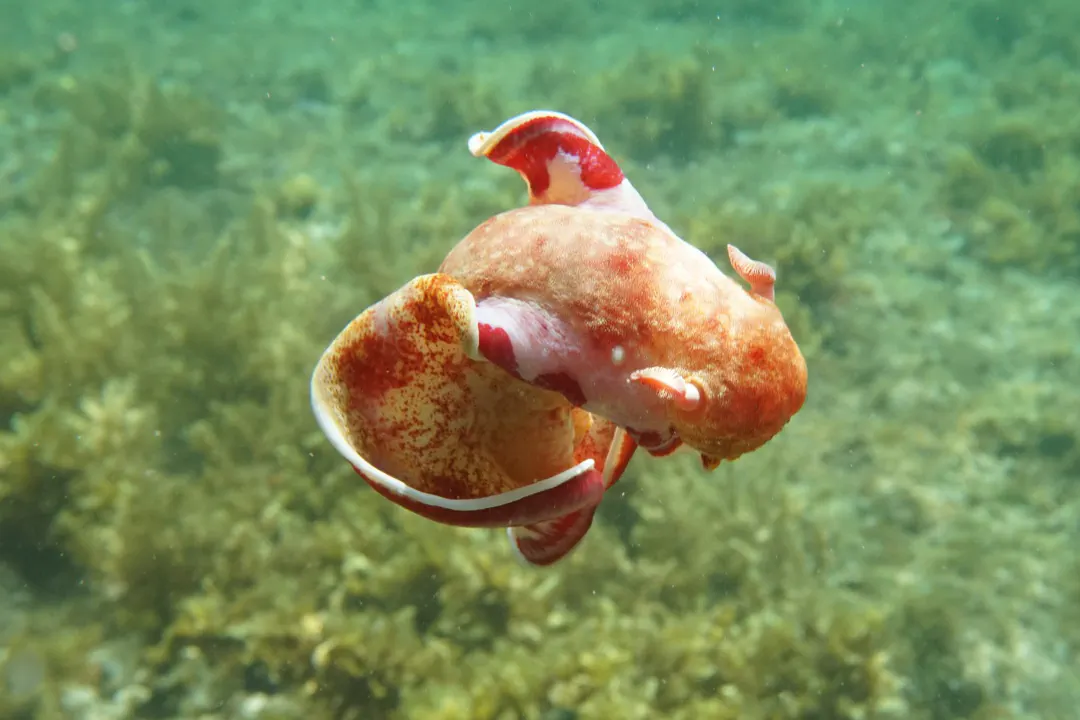
At night, Lighthouse transforms into a nocturnal habitat. Feather stars extend their arms into the water column, spanish dancer nudibranchs swim across the reef, and moray eels leave their daytime crevices to hunt in the open. Examining the shallow bay floor with a dive torch reveals small crustaceans and nocturnal reef fish in active movement.
Depth: 3-18 m. Access: shore entry, directly from Dahab boardwalk. Level: Beginner. Best months: Year-round.
 rochardCC0 · iNaturalist
 © Stas KuryanAll rights reserved
 © Cricket RaspetCC BY 4.0 · iNaturalist
Gabr el Bint: remote reef accessible by boat or camel
Situated 20 kilometres south of Dahab, Gabr el Bint is a remote dive destination that sees far less diver traffic than northern sites. Reached via a daily dive boat or a desert camel trek, the reef is divided into two distinct profiles: a dramatic drop-off wall to the north and a coral garden plateau to the south.
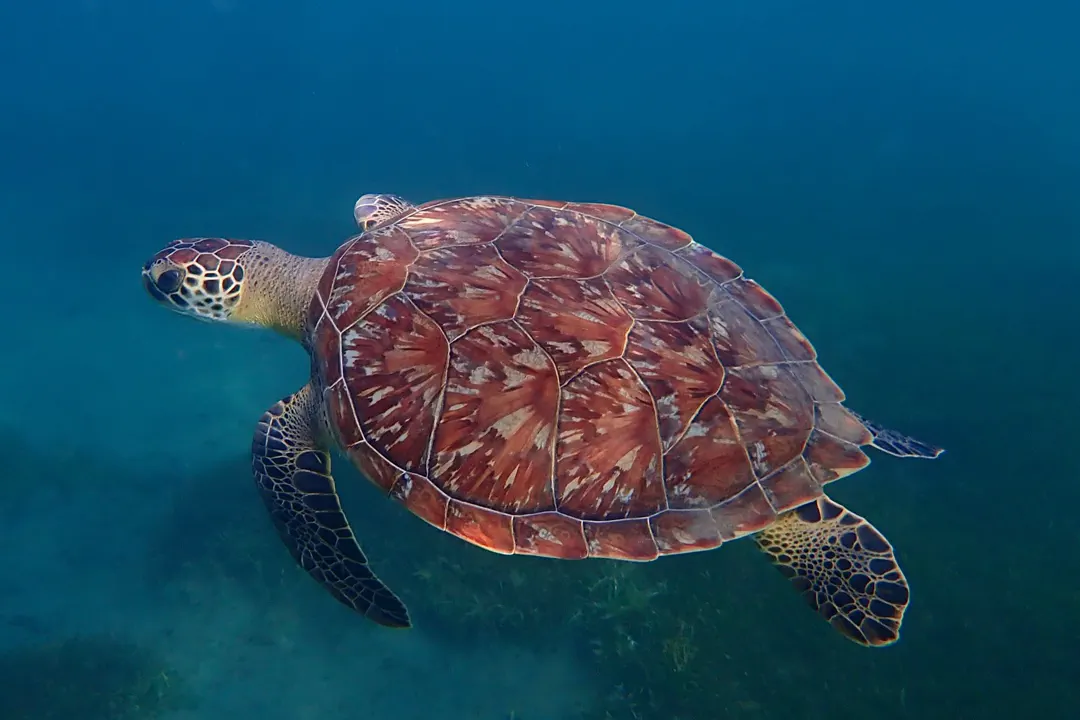
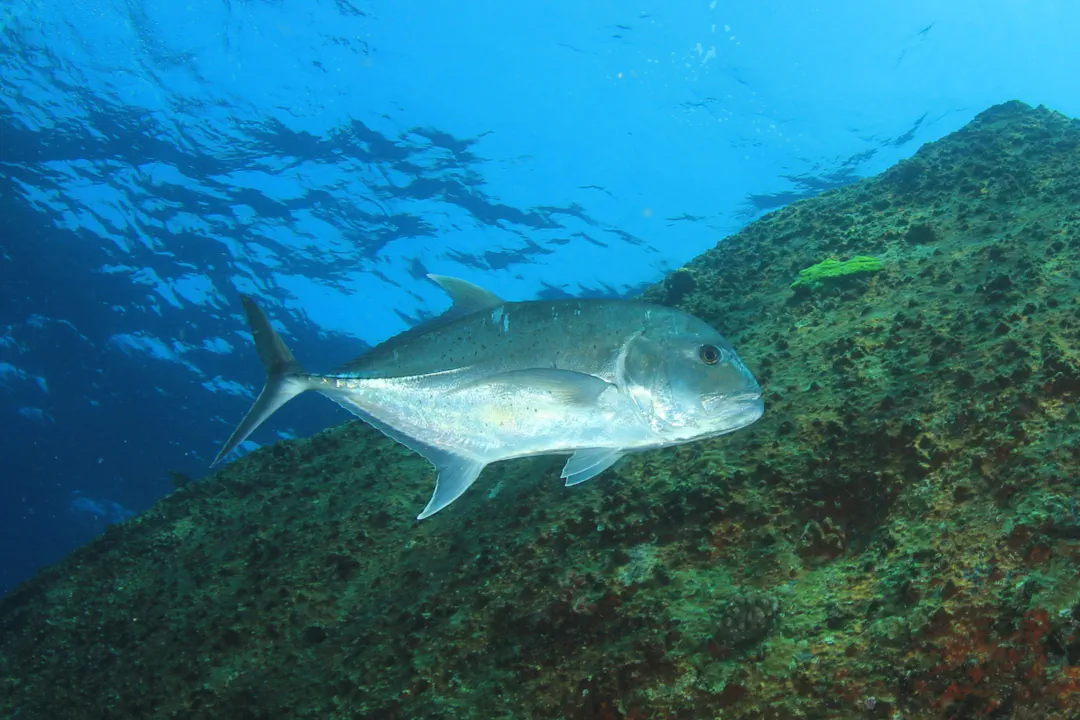
The northern wall features massive gorgonian sea fans, deep overhangs, and hard coral formations extending beyond 30 metres depth. Milkfish, giant trevally, and barracuda often cruise in the blue water off the wall, while green sea turtles graze quietly on soft corals along the reef crest.
The southern section offers a shallow plateau covered in brain corals and fire corals where red-sea clownfish and angelfish thrive. Because access requires specialized transport, fish life here is abundant and unhurried by heavy diver presence, making it one of the premier day trips in the Sinai region.
Depth: 10-30 m. Access: boat from Dahab port (1 hour) or camel trek. Level: Open Water. Best months: April-November.
 © Matteo BellucciCC BY 4.0 · iNaturalist
 © Daniel BenákCC BY 4.0 · iNaturalist
 © seabook.appAll rights reserved
 © Julien RenoultCC BY 4.0 · iNaturalist
Marine Life in Dahab
The marine ecosystem in the northern Red Sea and Gulf of Aqaba is characterized by high biodiversity and clear, sunlit waters. Fringing reefs surrounding Dahab support over 200 species of hard and soft corals, providing habitat for a wide range of endemic and tropical fish species. Reef flats, steep outer drop-offs, seagrass meadows, and open sand fields each host specialized biological communities adapted to their specific niche.
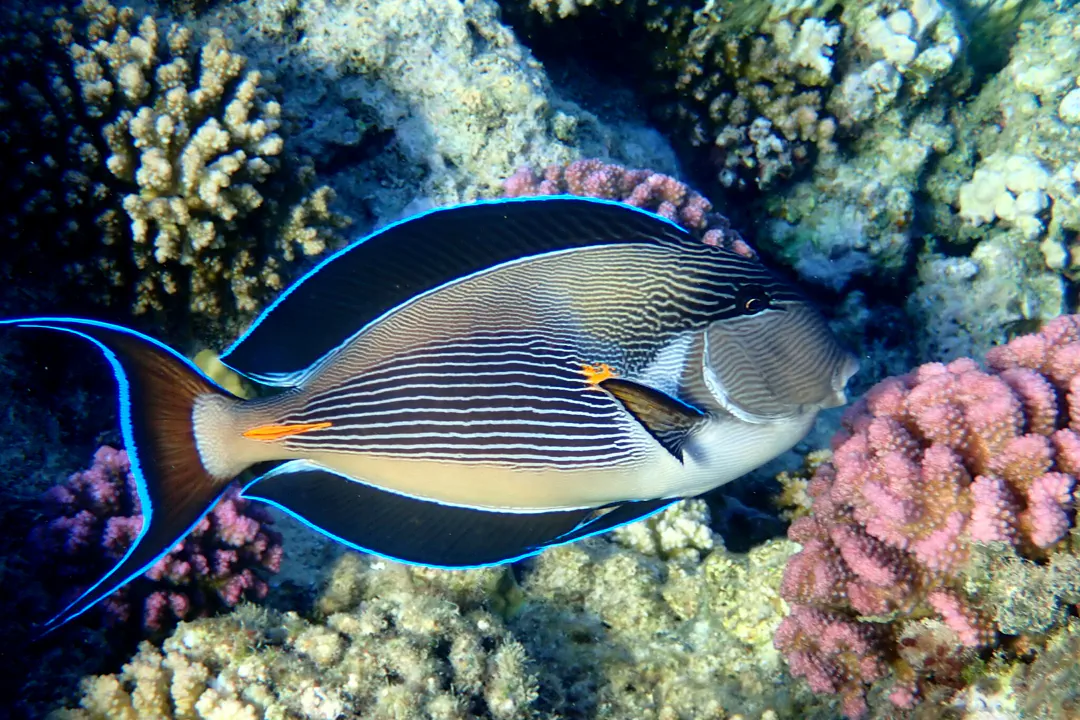
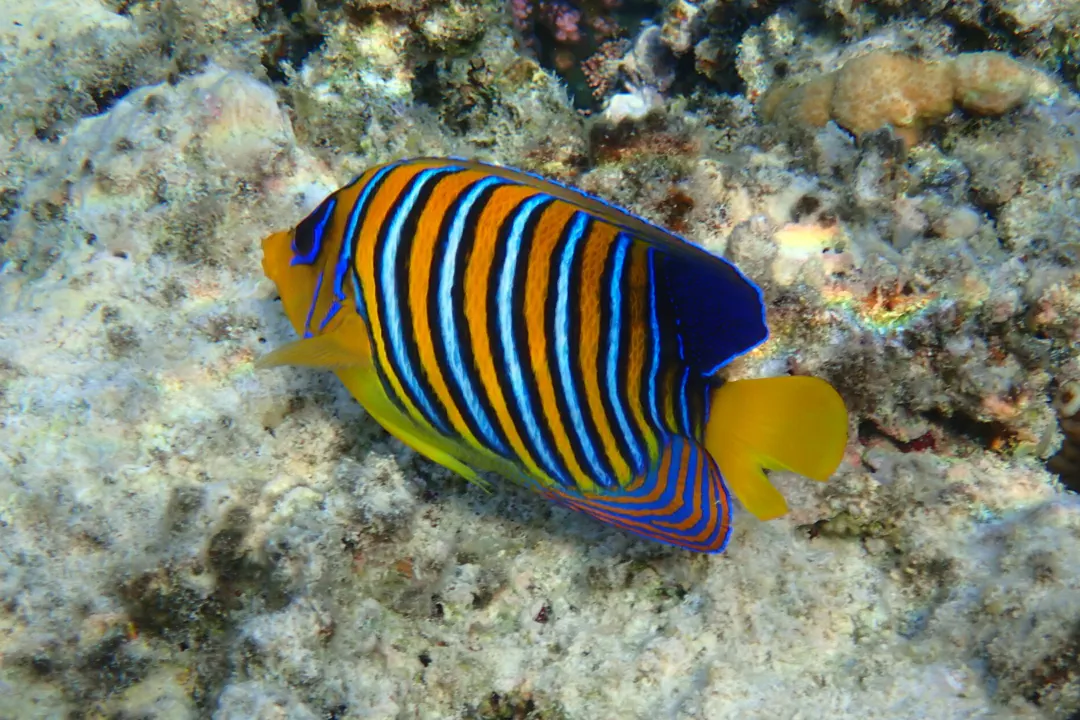
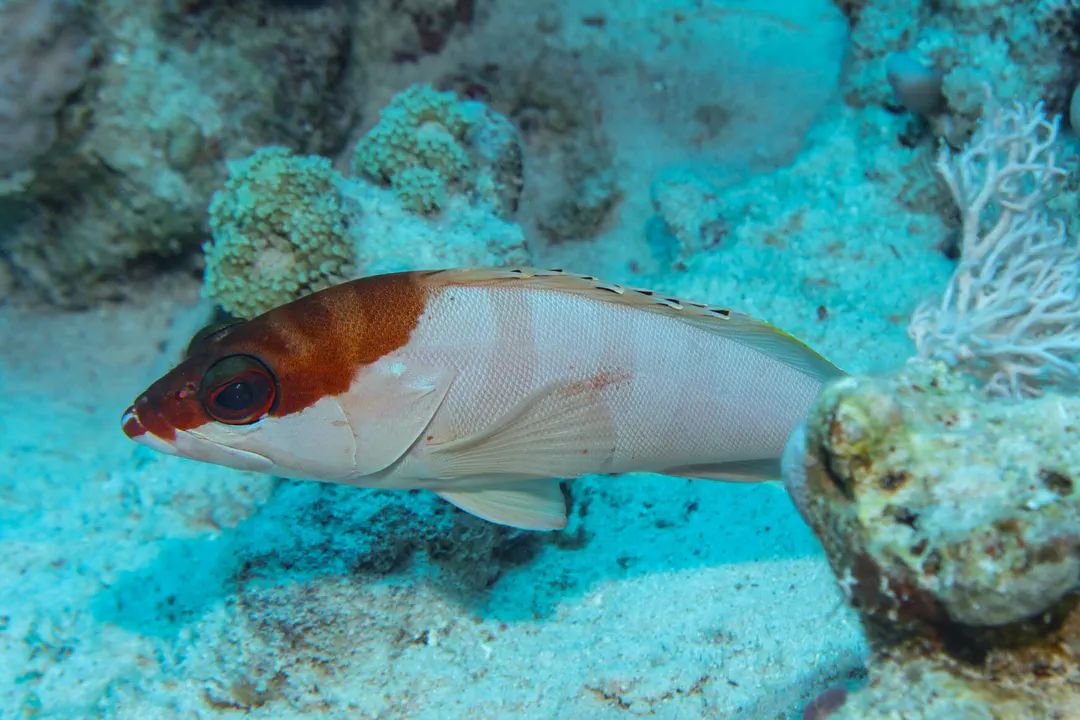
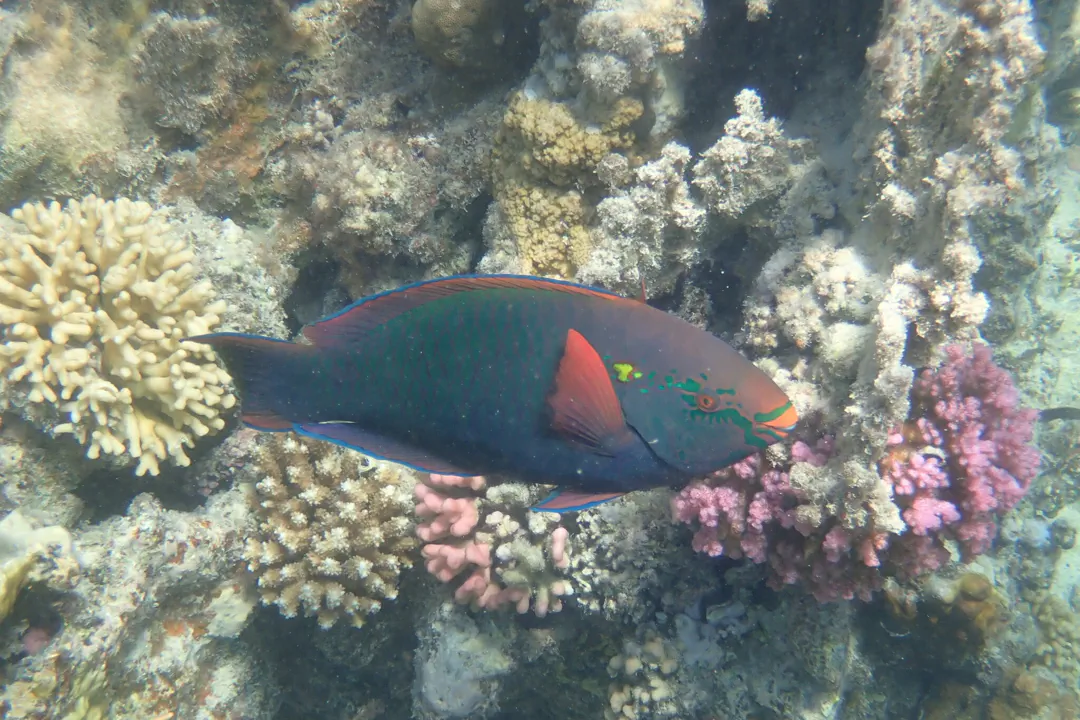
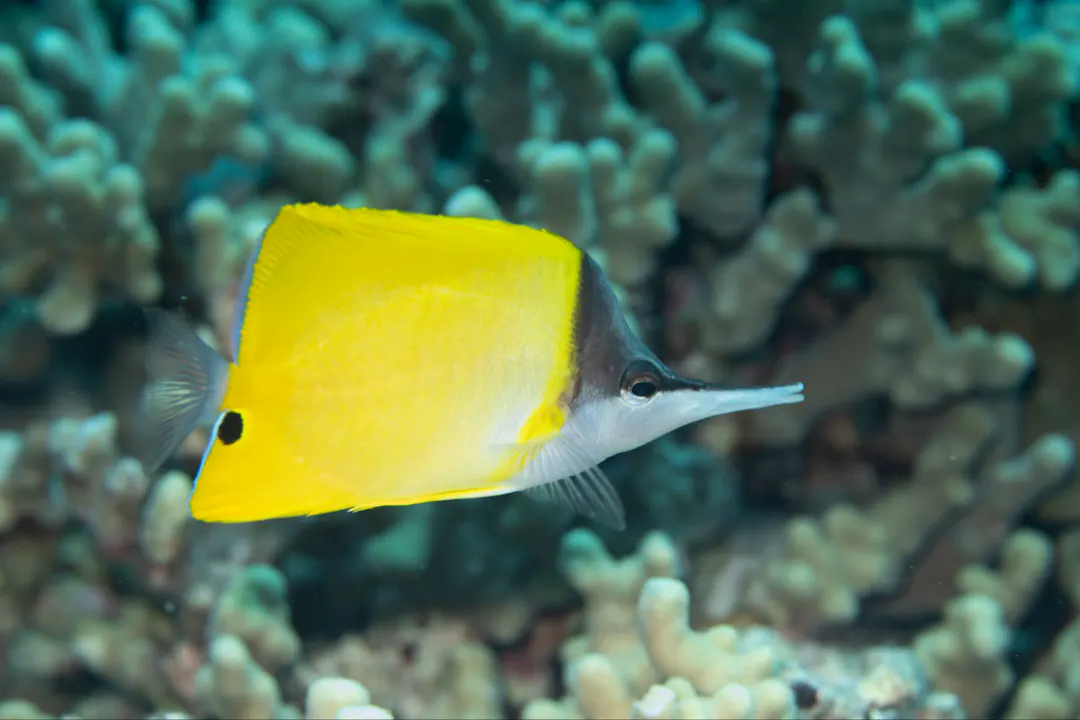
Reef fish sightings are constant across all dive locations. Masked butterflyfish swim in pairs along hard coral heads, while regal angelfish and sohal surgeonfish guard territories against rivals. Titan triggerfish build shallow nests in sandy rubble zones, and large peacock groupers keep watch from shaded coral ledges. In sandy areas, blue-spotted ribbontail rays unearth small crustaceans, while parrotfish scrape algae from limestone structures.
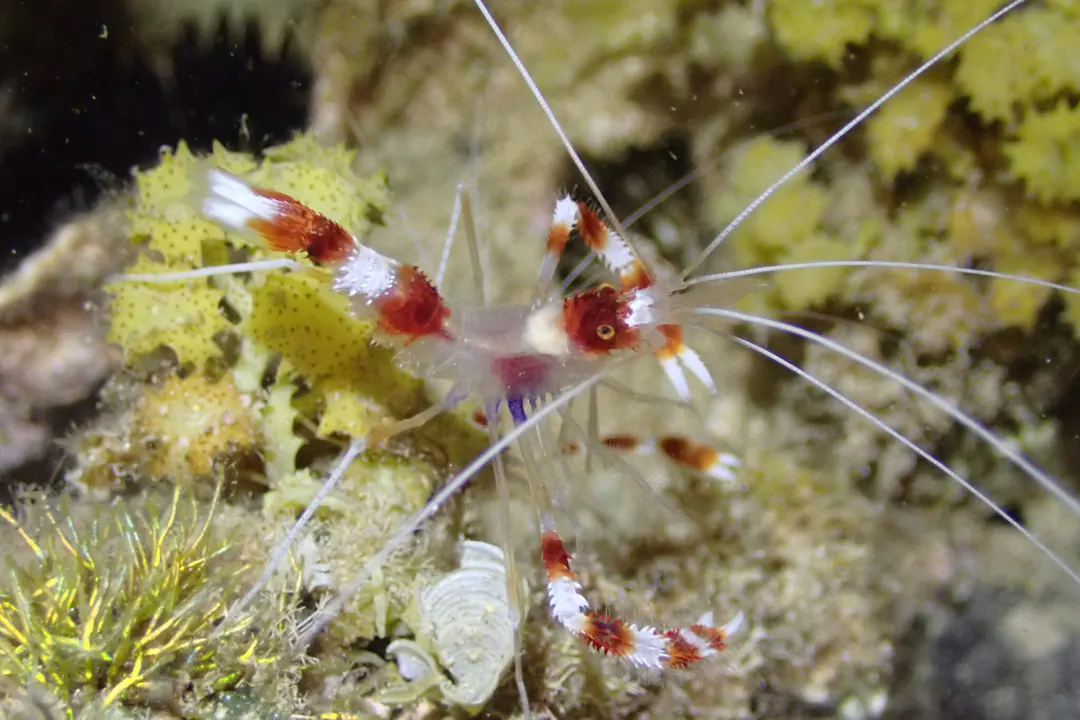
Macro enthusiasts will find nudibranchs, transparent cleaner shrimp, and harlequin ghost pipefish hidden inside reef crevices. Logging these sightings in the Seabook mobile app allows divers to record exact coordinates, species names, and depth profiles directly after returning to shore. Seasonal plankton concentrations in late spring occasionally draw filter-feeders like eagle rays and whale sharks into the gulf.
 © seabook.appAll rights reserved
 Andrew DeaconCC0 · iNaturalist
 © cello caruso-turielloCC BY 4.0 · iNaturalist
 © seabook.appAll rights reserved
 © seabook.appAll rights reserved
Is Dahab Good for Beginners and Snorkellers?
Dahab is an ideal destination for novice divers and non-diving snorkellers due to its shallow, zero-current entry sites right off the main beach. Lighthouse Reef provides a calm, sandy-bottom bay where beginners can execute their first skills in water shallow enough to stand up. Water clarity allows instructors and students to maintain easy eye contact without struggling against surge or poor visibility.
Snorkellers can explore extensive fringing reefs directly from shore at locations like Mashraba, Eel Garden, and the shallow saddle of the Blue Hole. Entry points are clearly marked, and shallow coral gardens sit just one to two metres below the surface. Wearing a rash guard or light shortie wetsuit provides thermal warmth and sun protection while floating above the reef crests.
However, beginners must respect site boundaries and avoid advanced entries independently. Locations such as The Bells, the main drop-off at Gabr el Bint, and deep sections of the Canyon involve steep walls, chimney entries, and potential current shifts. Staying with certified dive guides and picking sites matched to certification levels ensures safe and comfortable experiences for everyone.
Getting There and Practical Tips
International travellers arrive via Sharm El Sheikh International Airport (SSH), located 90 kilometres south of Dahab. From the airport, private taxis or dive center minibuses take approximately 1 hour to 1.5 hours along a paved desert highway with routine security checkpoints. Standard tourist visas can be obtained upon arrival at the airport or applied for online prior to departure depending on nationality.
The local currency is the Egyptian Pound (EGP), although many dive operators and hotels accept Euros, US Dollars, and credit cards. Carrying cash in small Egyptian denominations is helpful for tipping local Bedouin drivers, purchasing bottled water, and dining in shorefront cafes. Dive shops typically rent full sets of well-maintained gear, though bringing personal masks, dive computers, and booties for rocky shore entries is recommended.
Responsible diving practices are essential for protecting fragile Red Sea reefs. Always practice neutral buoyancy to avoid contact with shallow table corals, avoid touching or chasing marine life, and use reef-safe sunscreen. Divers should stay well hydrated under the hot desert sun and allow generous surface intervals between shore dives before taking land transfers back across elevated Sinai mountain passes.
Questions
Are there sharks in Dahab?
Sharks occur in the wider Dahab region, particularly along remote or deeper outer walls such as Gabr el Bint and The Bells, but sightings are occasional rather than guaranteed. Whitetip reef sharks and grey reef sharks are most commonly seen at depths below 20 metres, while standard dives focus primarily on reef structures and topography.
Is it dangerous to swim in Dahab?
Swimming and snorkeling are very safe in designated, sheltered areas like Lighthouse Bay where currents are minimal and boat traffic is restricted. Swimmers should avoid exposed entry points, rocky drop-offs, and the Blue Hole rim when surface winds create wave chop or surge.
What fish can you see in Dahab?
Common marine life includes giant moray eels, lionfish, blue-spotted ribbontail rays, clownfish, masked butterflyfish, titan triggerfish, and thousands of garden eels. Shallow reef platforms host wrasses and parrotfish, while outer drop-off walls attract schooling barracudas and trevallies.
Can you see turtles in Dahab?
Hawksbill and green sea turtles are seen regularly around Dahab, especially on seagrass meadows and coral walls at sites like Lighthouse, Eel Garden, and Gabr el Bint. Divers should maintain a respectful distance of at least 3 metres and avoid chasing turtles when they surface for air.
How warm is the water in Dahab in winter?
Seawater temperatures in winter from December through February range between 21°C and 23°C, reaching the annual low in late February. A full 5mm or 7mm wetsuit along with an optional hooded vest is recommended for multi-dive days during these cooler months.
How deep is the Blue Hole in Dahab?
The main circular sinkhole at the Blue Hole drops to depths between 100 and 130 metres. The famous underwater tunnel known as The Arch connects the sinkhole to open ocean at a depth of 56 metres, which is strictly a technical dive beyond recreational limits.
Is Dahab good for beginner divers?
Yes, Dahab is an excellent location for beginners due to sites like Lighthouse Reef, which features a protected bay, smooth sandy entry, and zero current. Introductory courses and Open Water certifications are conducted safely in shallow depths before students progress to deeper shore reefs.
How do you get to Dahab from Sharm El Sheikh?
Dahab is located 90 kilometres north of Sharm El Sheikh International Airport and is accessed via a 1-hour to 1.5-hour taxi or private minibus transfer along a paved highway. Transfers can be arranged in advance through dive centers or booked directly at the airport terminal.

