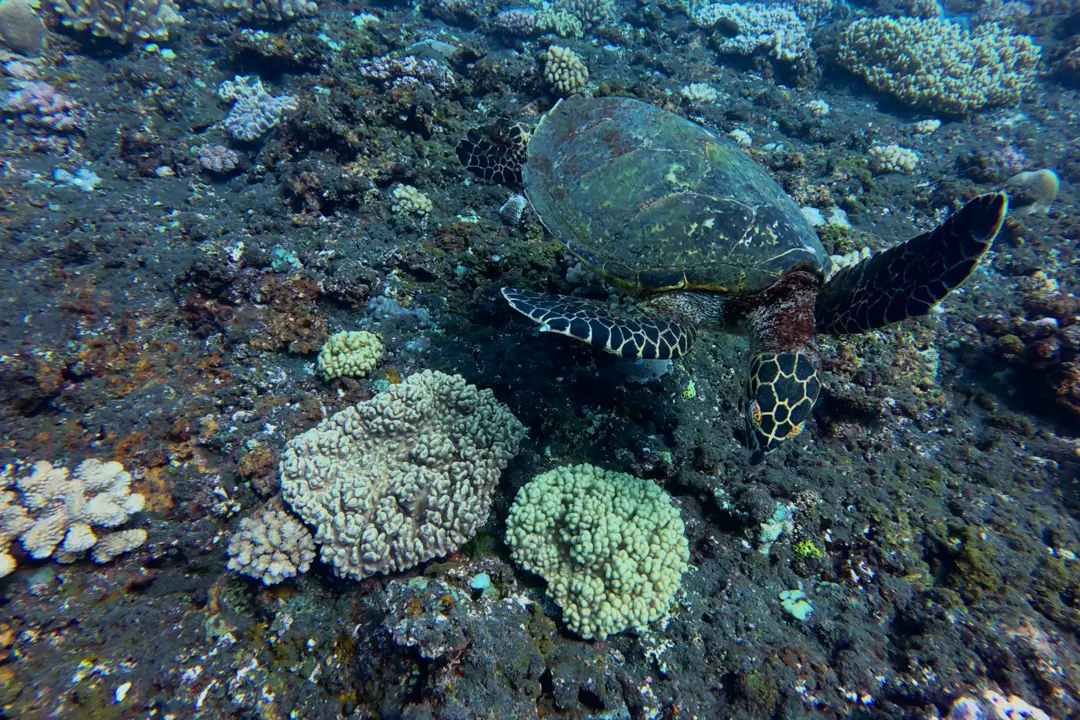
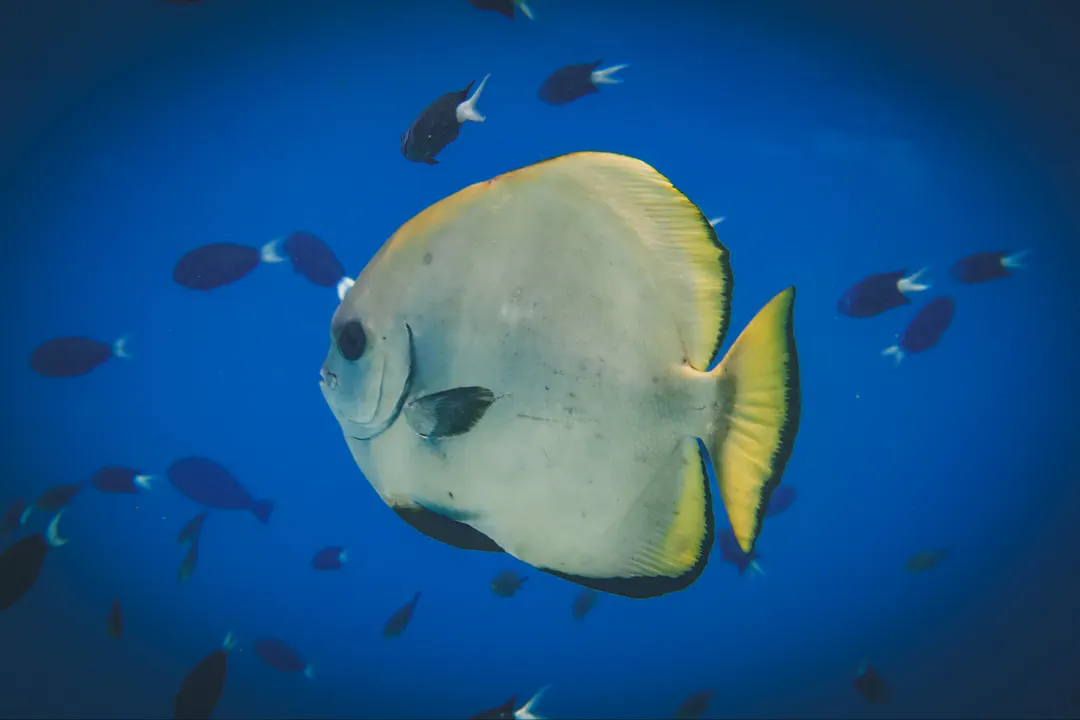
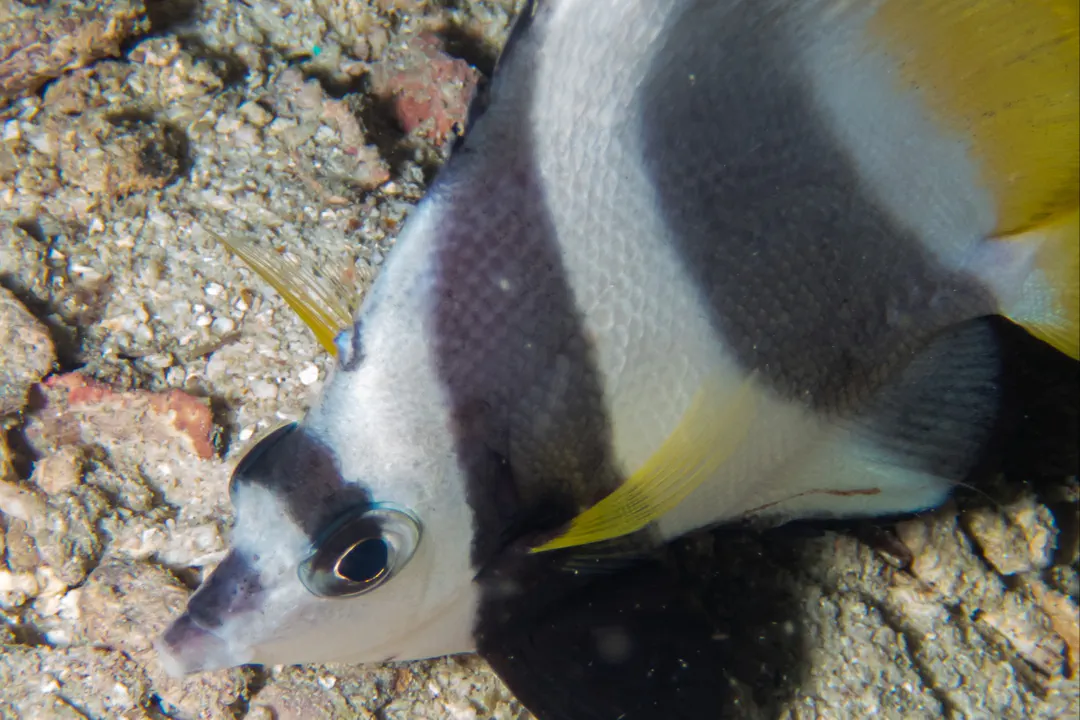
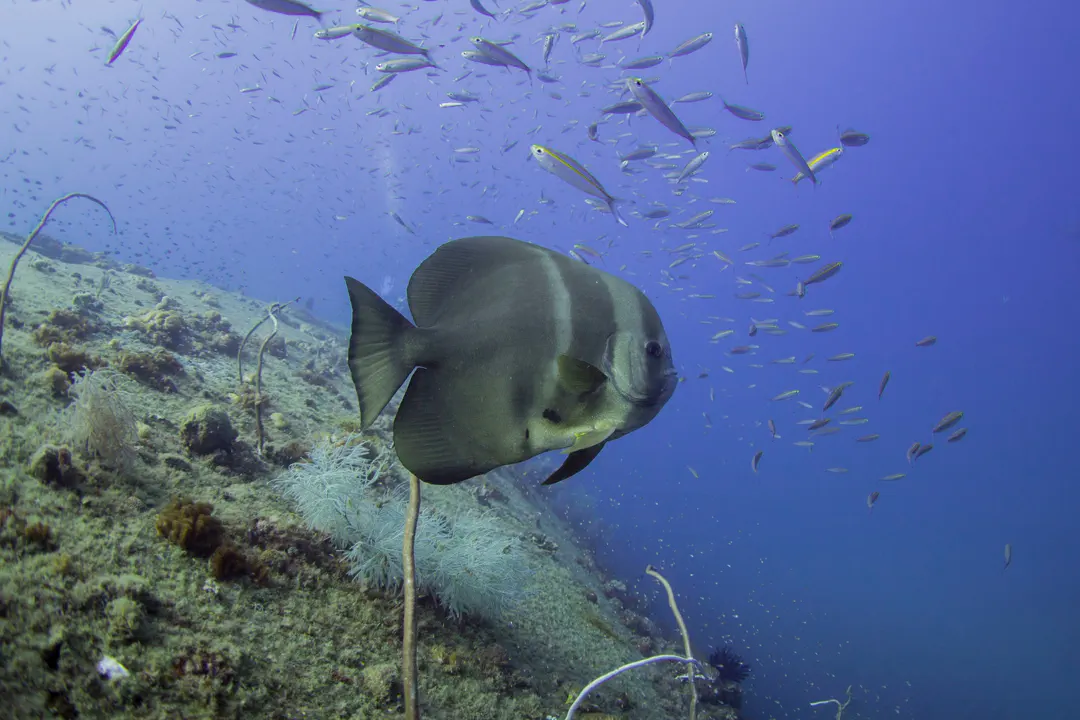
At a depth of twelve metres off Turtle Heaven, a green sea turtle pulls itself along a hard coral slope, using its foreflippers to anchor against a gentle south-bound current. Sunlight cuts through clear water, illuminating the turtle's dappled shell while a pair of longfin bannerfish pick small parasites from its neck. Nearby, a school of orbicular batfishes hovers in midwater, turning slowly into the incoming tide.
Diving in the Gili Islands offers access to shallow coral gardens, sloping drop-offs, and sandy channels between three small islands off Lombok's northwest coast. The best months to visit run from May to October during the dry season, when water clarity reaches 20 to 30 metres and surface seas remain calm. Water temperatures stay between 27°C and 30°C throughout the year, though thermal layers can drop slightly in deep channels.
Key dive locations include Turtle Heaven, Shark Point, Meno Wall, and Hans Reef, where divers frequently spot green sea turtles, hawksbill turtles, blacktip reef sharks, and broadclub cuttlefish. The area serves both novices completing initial certifications on shallow slopes and experienced divers navigating deeper drift profiles. Snorkellers can easily explore shallow reef crests directly accessible from shore or by short boat runs.
What Is Diving in the Gili Islands Like?
The marine topography around Gili Trawangan, Gili Meno, and Gili Air features a mix of shallow coral plateaus, submerged ridges, and sandy bottoms that drop into deep channels. Depths for recreational dives range from shallow 5-metre coral gardens to 30-metre canyon floors. Strong tidal exchanges funnel water between the islands, creating swift drift conditions on exposed corners while sheltered slopes remain tranquil.
Natural reefs consist of massive brain corals, branching acropora, and sea fans that shelter diverse reef fish communities. Alongside natural formations, mineral-accretion frames known as Biorock structures have been deployed on shallow rubble beds to encourage coral settlement. These low-voltage electrical structures provide hard substrate for attached fragments, though natural reefs still form the main structural habitat for local marine life.
Currents fluctuate rapidly with changing tide cycles across all three islands. A site that sits completely calm during slack water can transform into a fast drift dive two hours later as the tide shifts. Divers must rely on thorough pre-dive briefings, monitor surface conditions carefully, and deploy a surface marker buoy when ascending from open-water slopes.
Best Time to Dive in the Gili Islands
The dry season from May to October brings the most consistent diving conditions across the Gili archipelago. During these months, dry southeast winds keep rainfall minimal, resulting in underwater visibility that frequently reaches 20 to 30 metres. Calm surface waters make boat transfers smooth and allow comfortable entries at exposed sites like Shark Point.
The wet season runs from November to April under the influence of the northwest monsoon. Heavy afternoon rains and coastal runoff can reduce visibility to 10 or 15 metres, particularly near shallow shorelines. However, water temperatures remain warm between 27°C and 29°C, and rain showers rarely cancel diving operations for more than a few hours.
Tidal forces dictate dive timing more than seasonal changes on any given day. Slack tide offers calm water on deep drop-offs, whereas spring tides generate energetic currents ideal for drift diving. Planning dives around local tide charts allows visitors to match current strength to their personal comfort and experience level.
Gili Islands Water Temperature by Month
Water temperature
Gili Islands, Indonesia, monthly average
Bali (popular diving area like Tulamben and Nusa Penida), typical surface temperatures for scuba diving depths 5-30m
Best Dive Sites in the Gili Islands
The three islands host dozens of distinct dive sites within a 15-minute boat ride of each shore. Profiles range from gentle turtle slopes and muck sites to current-swept ridges and vertical walls.
Shark Point (Gili Trawangan): Canyons and Reef Sharks
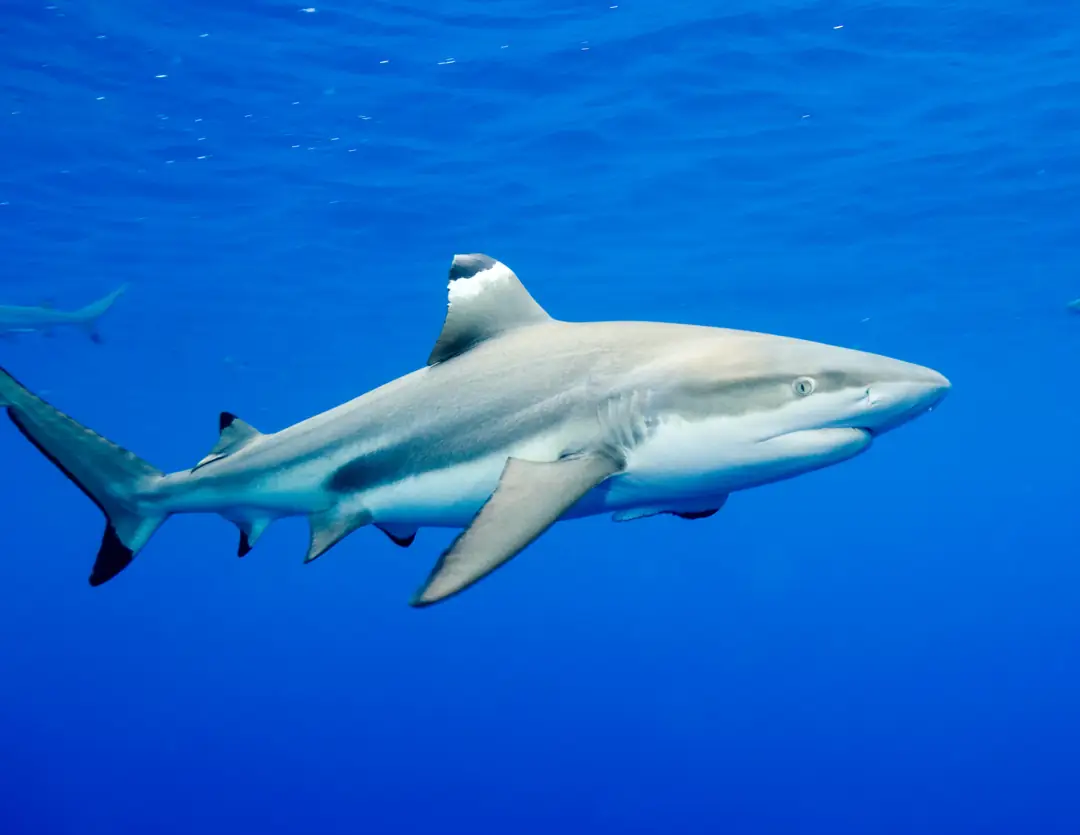
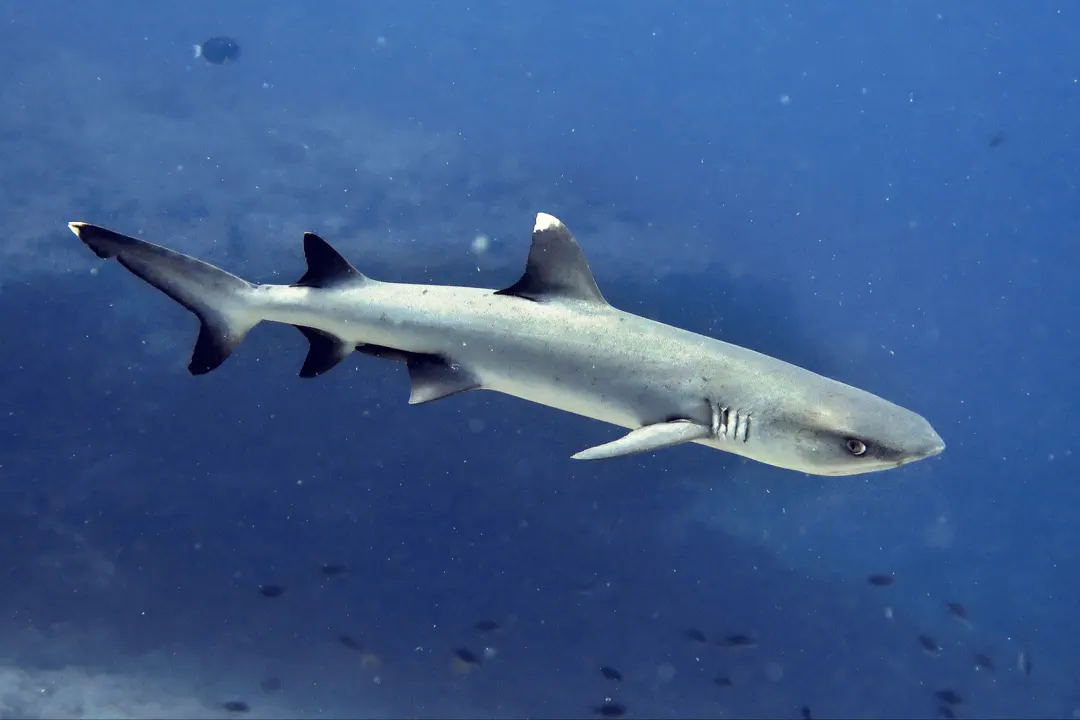
Located on the western side of Gili Trawangan, Shark Point features a series of parallel underwater canyons that slope down from 18 to 30 metres. Moderate to strong currents sweep along these sandy ravines, bringing nutrient-rich waters that attract pelagic predators. Divers descend along the upper ridge before dropping into the sheltered troughs between rock formations.
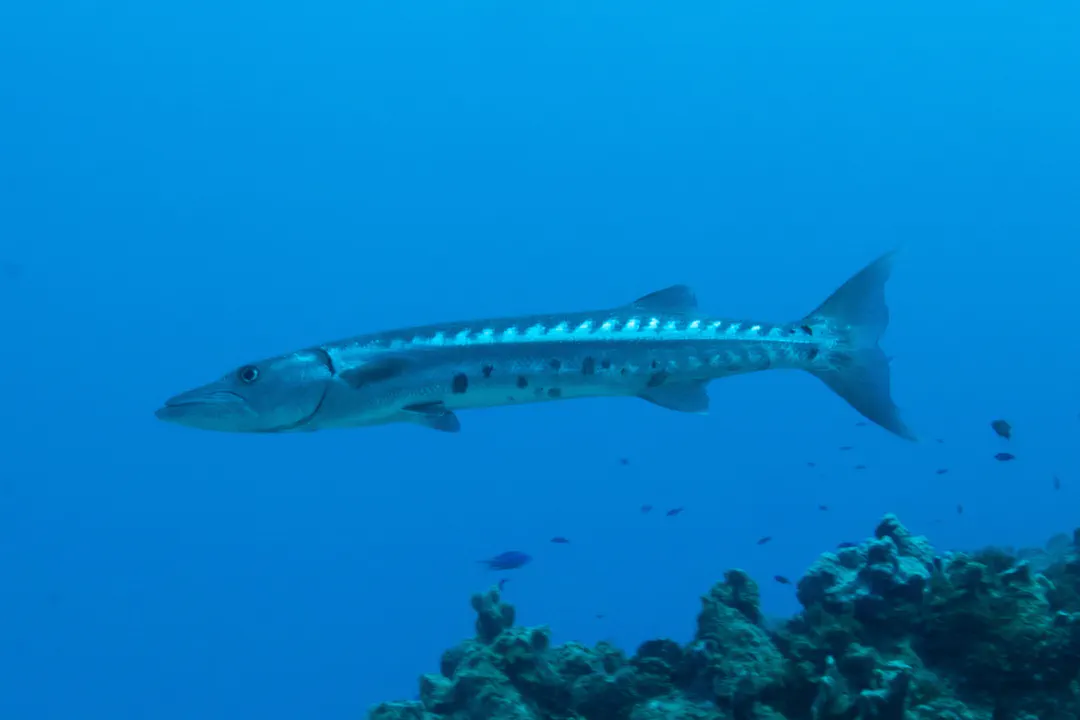
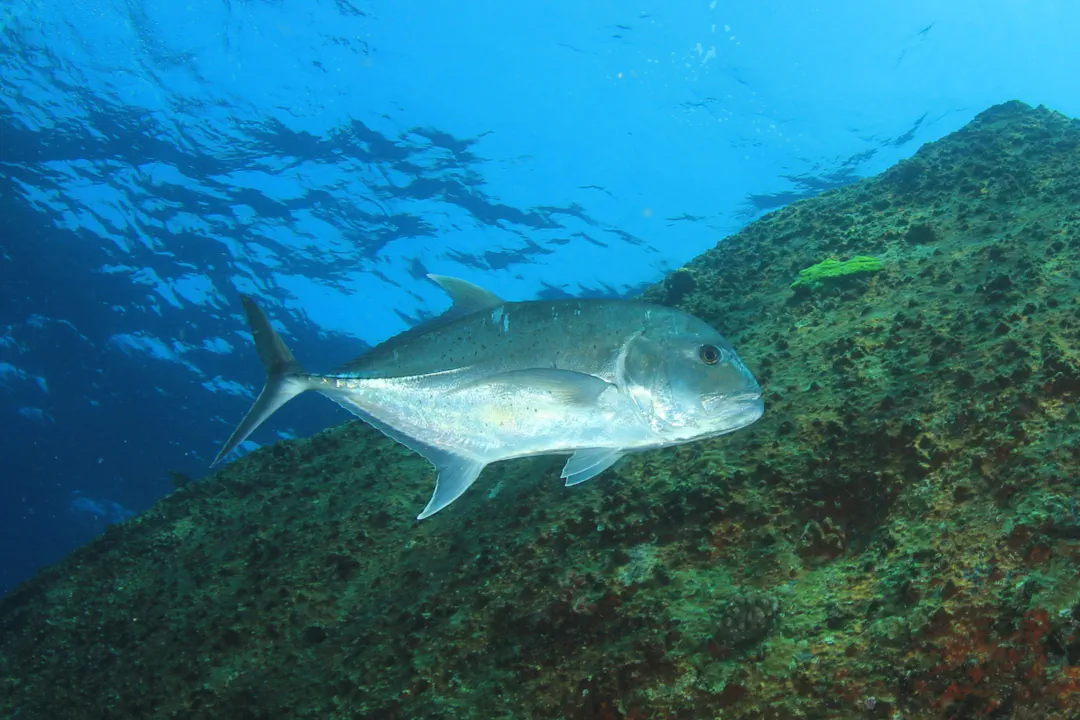
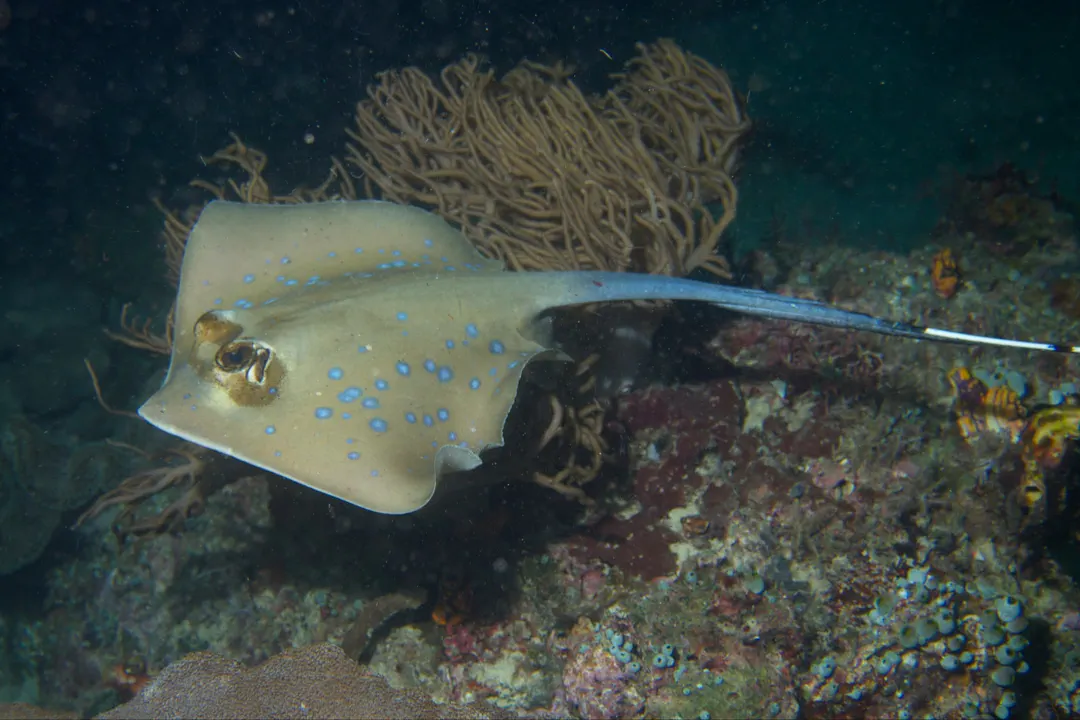
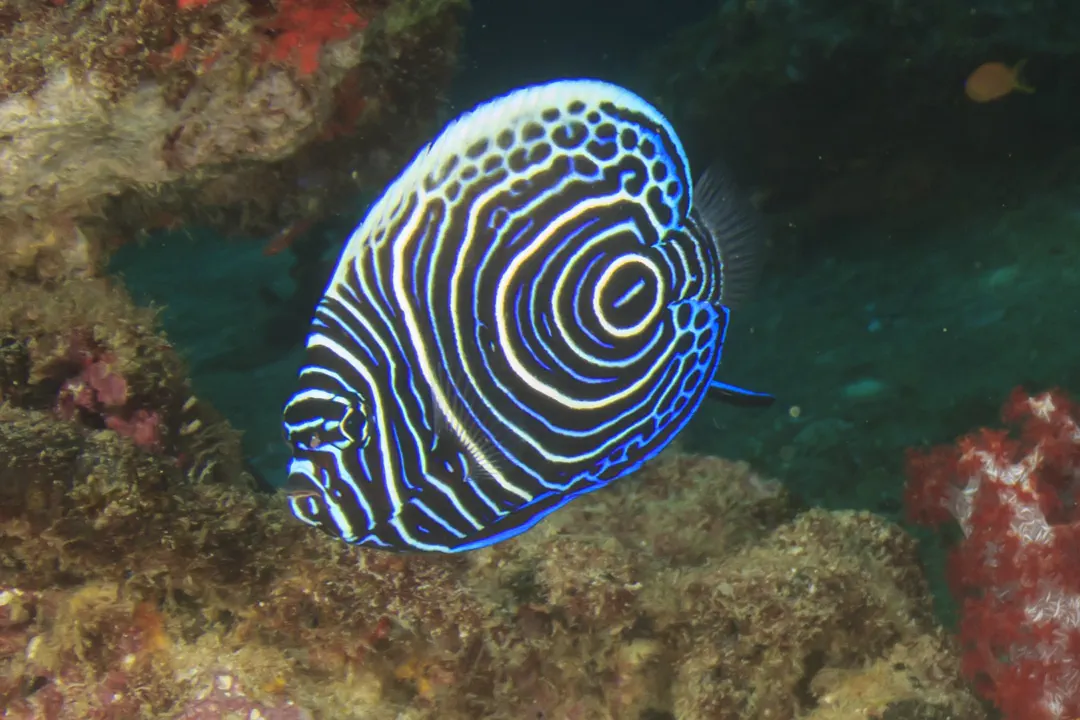
Blacktip reef sharks (Carcharhinus melanopterus) and whitetip reef sharks (Triaenodon obesus) rest on the sandy bottoms or cruise along the deeper canyon edges. Schools of great barracuda (Sphyraena barracuda) and giant trevally (Caranx ignobilis) frequently pass through the open water above. Blue-spotted stingrays (Neotrygon kuhlii) pat the sand, while emperor angelfish (Pomacanthus imperator) dart into crevice shelters.
Managing current buoyancy is critical at this site, as down-currents can form near the canyon drops. Staying close to the topography reduces drift speed and conserves air during the dive. Always maintain visual contact with your guide and launch a surface marker buoy during safety stops in open water.
Depth: 18-30 m. Access: boat, 10 minutes from Gili Trawangan. Level: Advanced Open Water. Best months: May-October.
 © seabook.appAll rights reserved
 © Daniel BenákCC BY 4.0 · iNaturalist
 © Dan SchofieldCC BY 4.0 · iNaturalist
 © seabook.appAll rights reserved
 © Elias LevyCC BY 4.0 · iNaturalist
 © seabook.appAll rights reserved
Manta Point (Gili Trawangan): Slopes and Cleaning Stations
Manta Point sits on the southern slope of Gili Trawangan, where a wide coral reef gently inclines from 5 down to 25 metres. The slope is covered in table corals, soft coral patches, and large rock bommies that serve as cleaning stations for passing marine life. Calm conditions near the shallow crest make the site accessible, though currents can pick up along the deeper contour.
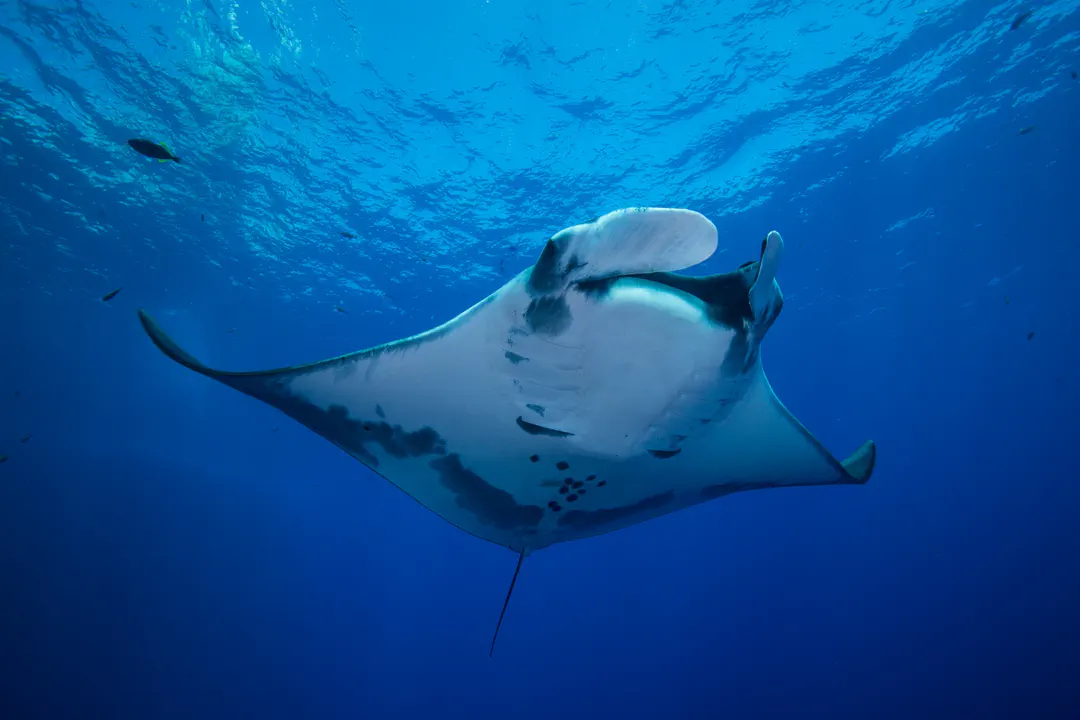
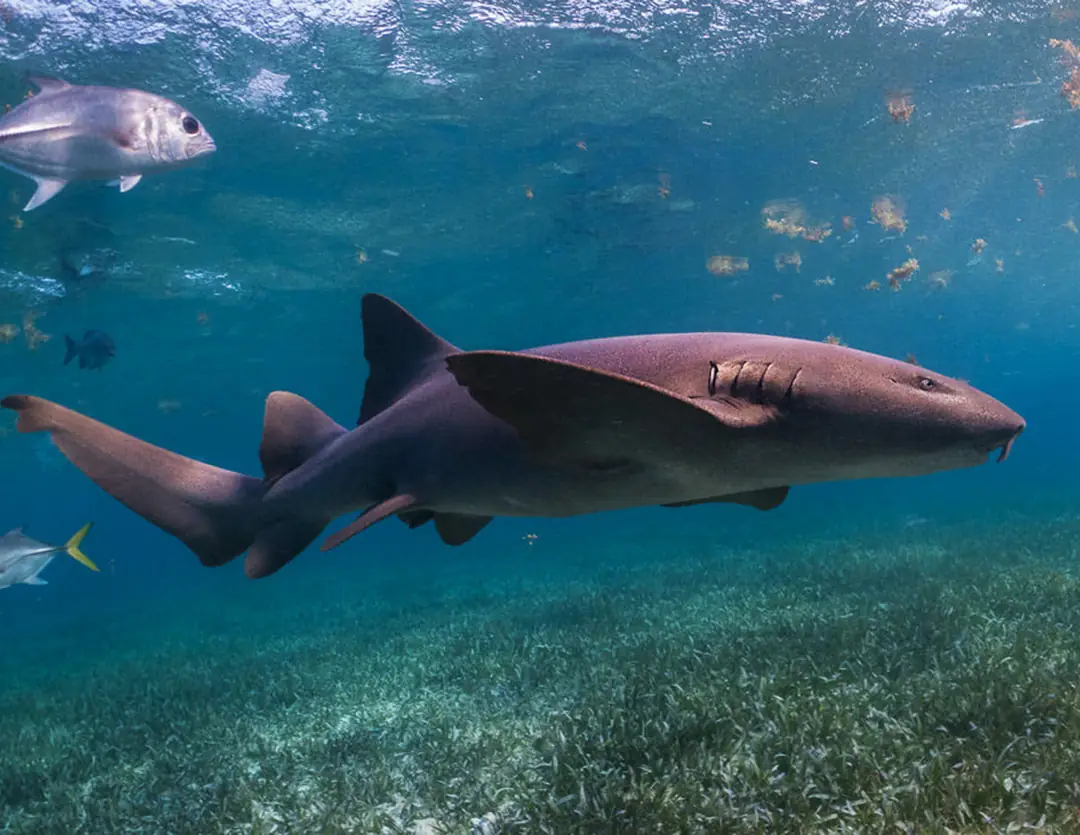
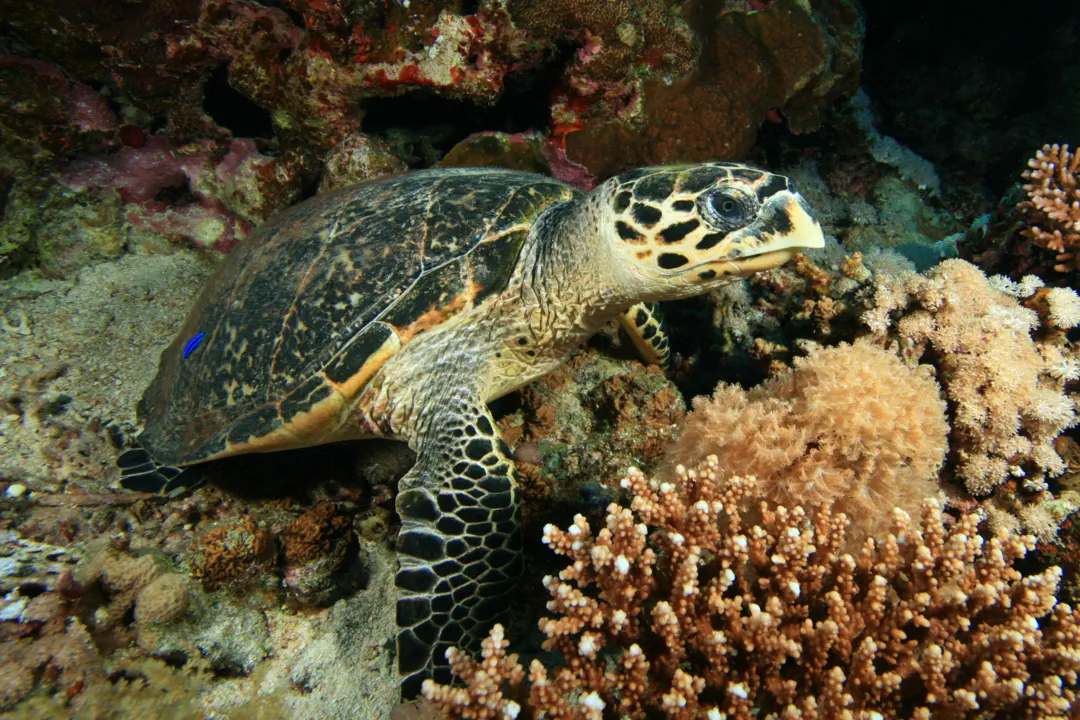
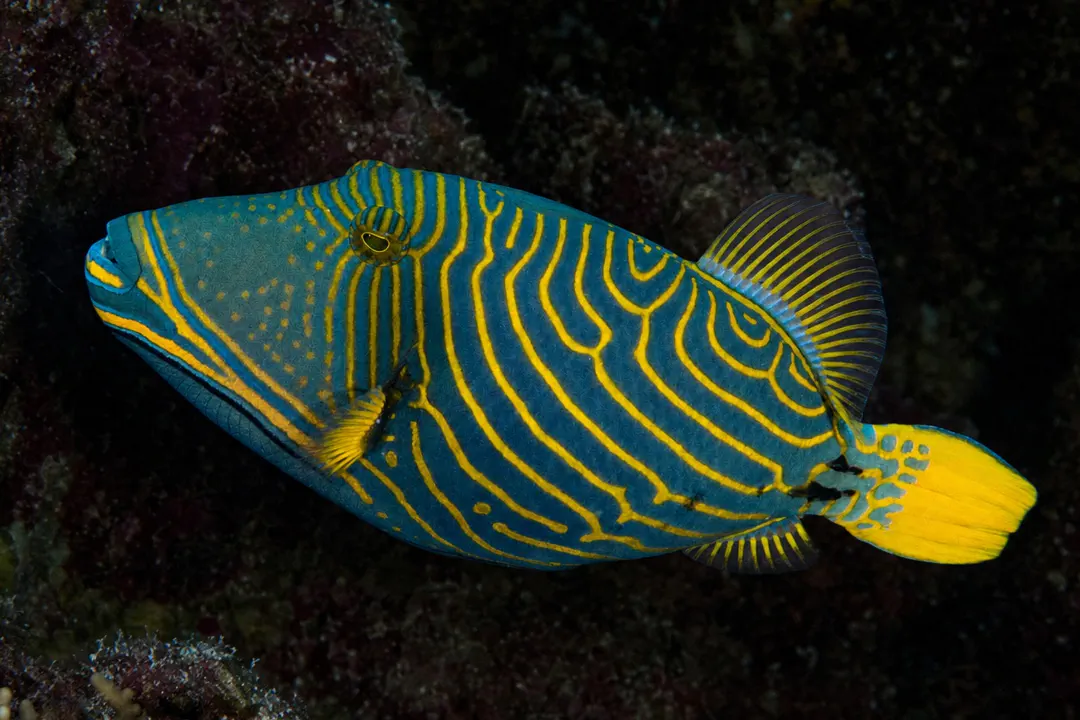
Reef manta rays (Mobula alfredi) occasionally visit the deeper cleaning stations during seasonal plankton blooms, though sightings are non-guaranteed. Tawny nurse sharks (Nebrius ferrugineus) can sometimes be found resting under large coral ledges. Hawksbill turtles (Eretmochelys imbricata) graze along the upper slope, while wavy-lined triggerfish (Balistapus undulatus) and harlequin sweetlips (Plectorhinchus chaetodonoides) move across the reef head.
Divers should glide slowly along the slope profile rather than chasing large pelagics into open water. Maintaining neutral buoyancy above coral heads preserves the cleaning stations that attract larger visitors. Keep a watchful eye on depth while scanning the blue for passing rays.
Depth: 5-25 m. Access: boat, 10 minutes from Gili Trawangan. Level: Open Water. Best months: May-October.
 © seabook.appAll rights reserved
 © seabook.appAll rights reserved
 © seabook.appAll rights reserved
 © seabook.appAll rights reserved
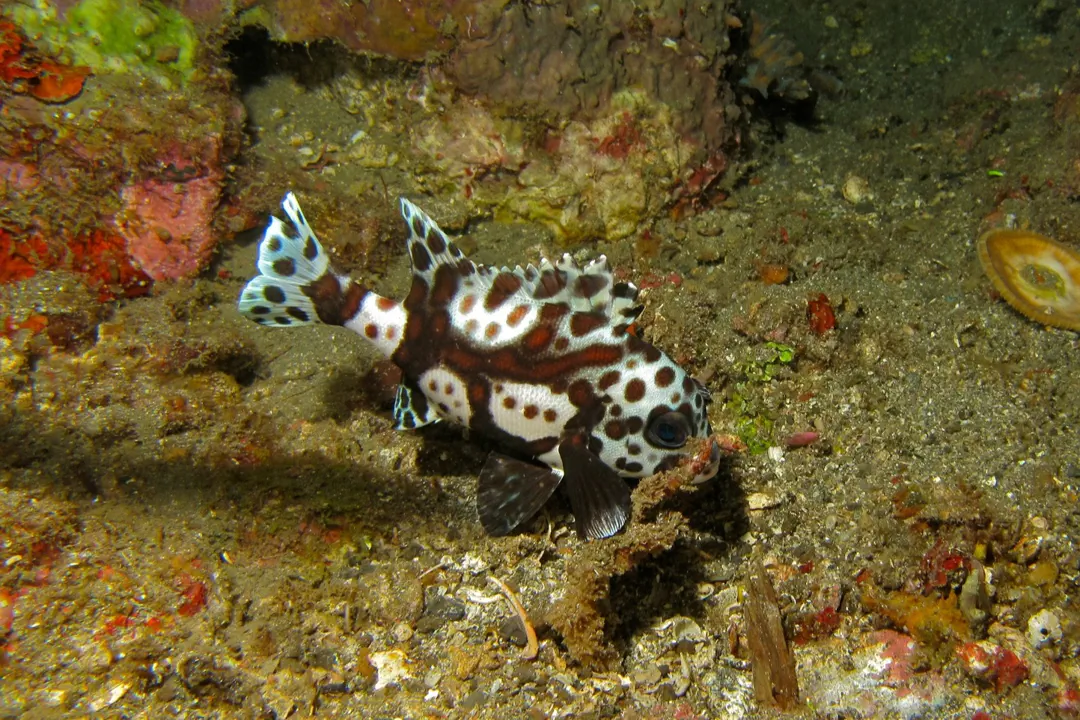 © Bernard DUPONTCC BY 4.0 · iNaturalist
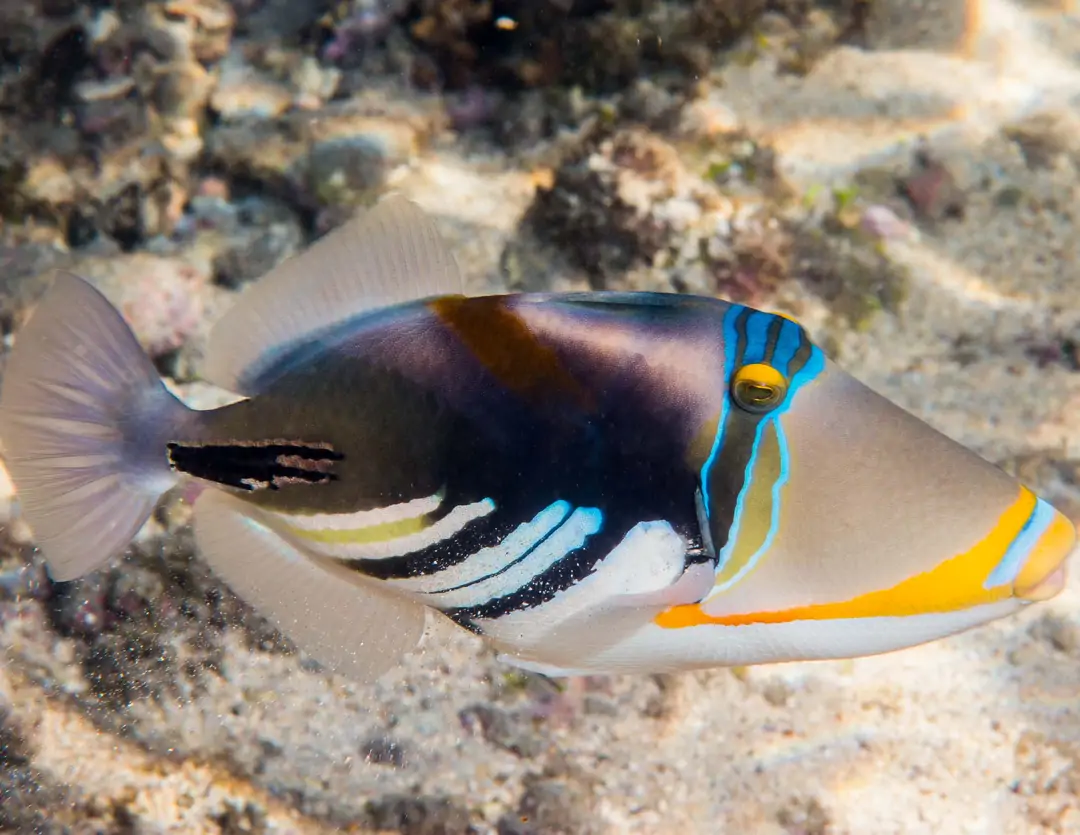 © Francois LibertAll rights reserved
Deep Halik (Gili Trawangan): Canyons and Coral Ridges
Deep Halik lies off the north coast of Gili Trawangan, characterized by deep coral ridges and rocky overhangs between 15 and 30 metres. Massive gorgonian sea fans cling to the rock faces, catching nutrients brought by passing currents. Below the main ridges, sandy gullies wind through the reef structure into deep water.
Green sea turtles (Chelonia mydas) swim along the upper ridge lines, while spotted garden eels (Gorgasia spp.) sway above sandy patches in the gullies. Ocellaris clownfish (Amphiprion ocellaris) shelter in sea anemones, while Moorish idols (Zanclus cornutus) and red lionfish (Pterois volitans) hunt around overhangs. Leaf scorpionfish (Taenianotus triacanthus) rest motionlessly against sponges, blending into the rock work.
Because of the deeper profile, bottom time must be monitored closely to avoid entering decompression limits. Buoyancy control is vital to protect fragile gorgonian fans protruding from the canyon walls. Divers should carry an underwater torch to reveal hidden critters tucked beneath dark ledges.
Depth: 15-30 m. Access: boat, 12 minutes from Gili Trawangan. Level: Advanced Open Water. Best months: May-October.
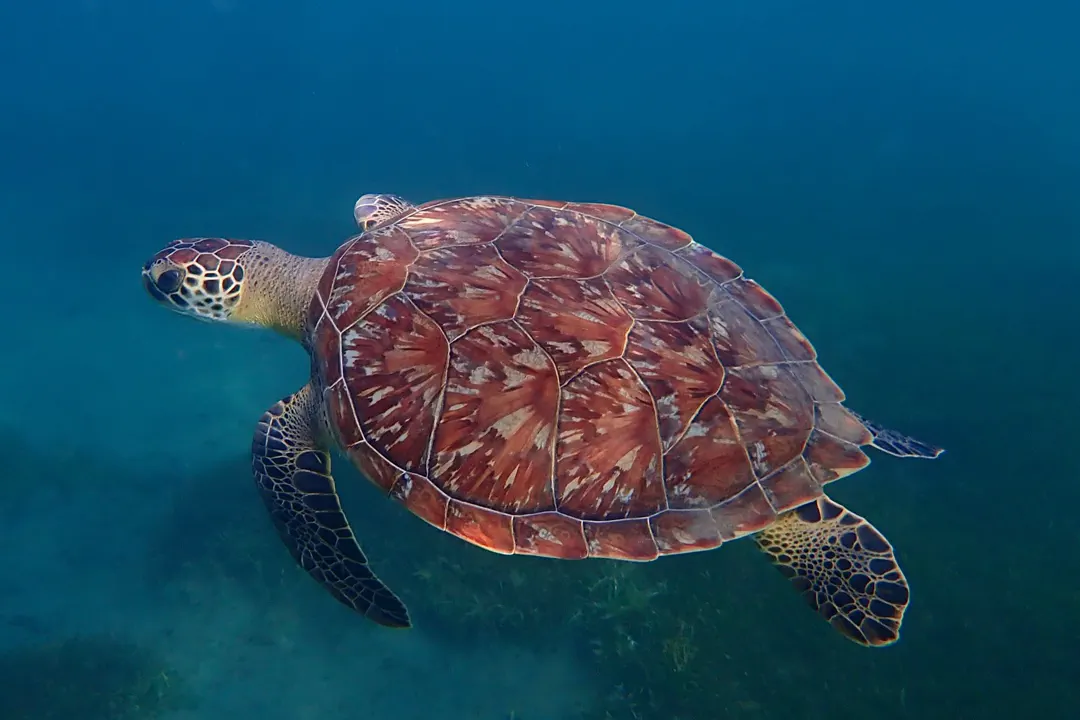 © Matteo BellucciCC BY 4.0 · iNaturalist
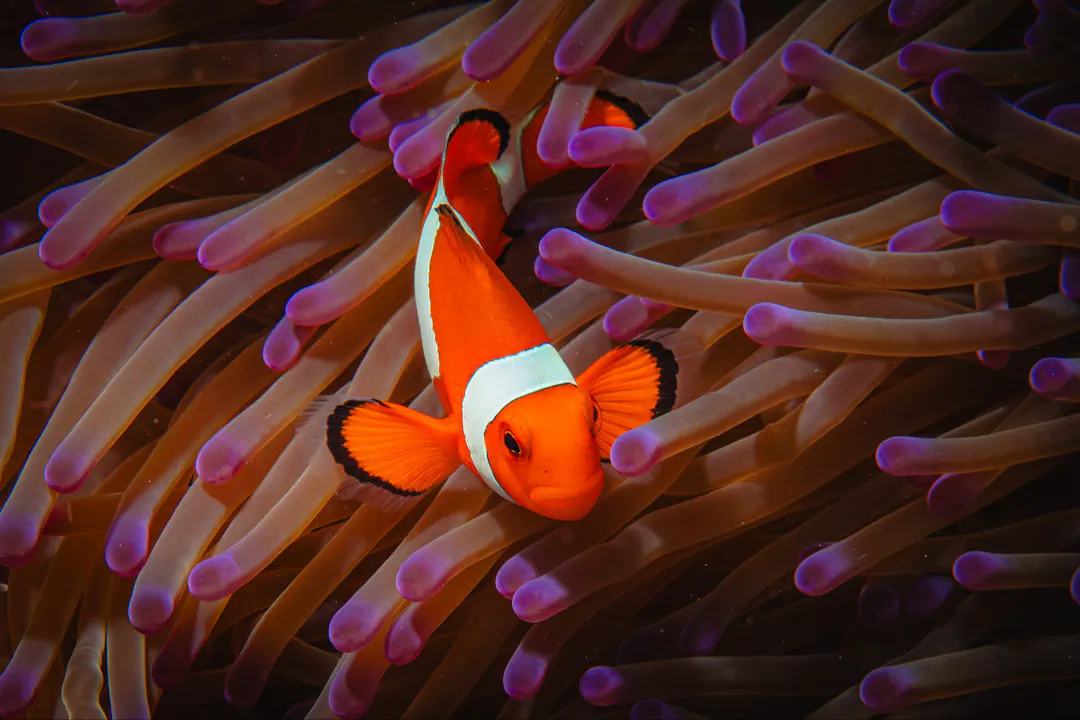 © Olka KuryanAll rights reserved
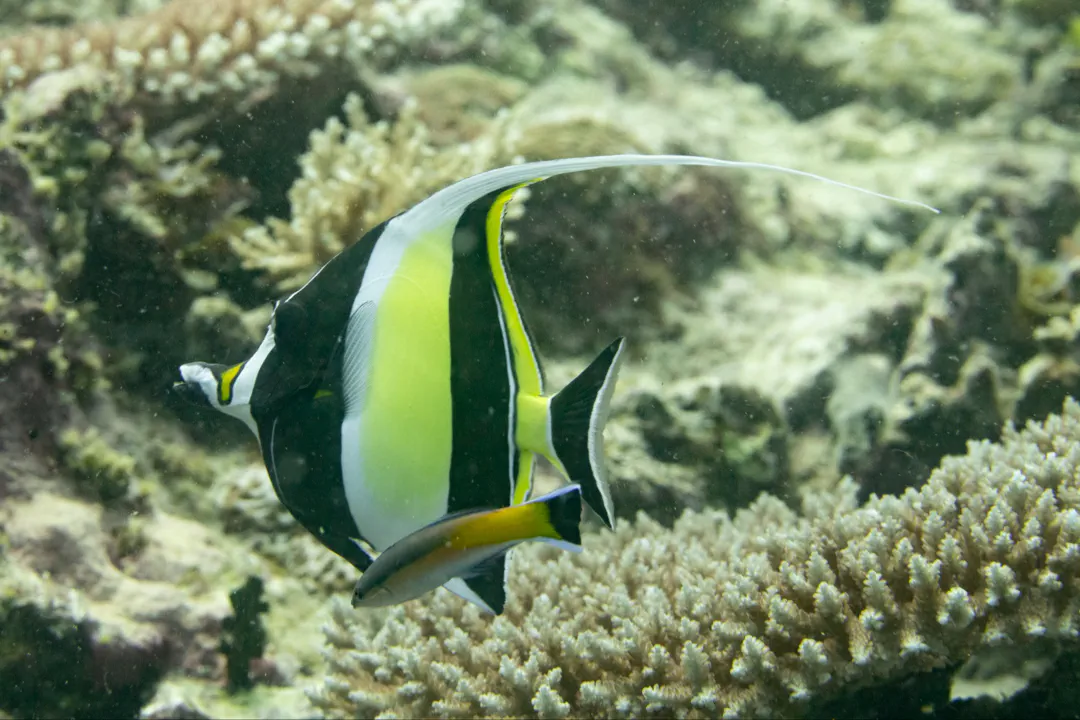 © cello caruso-turielloCC BY 4.0 · iNaturalist
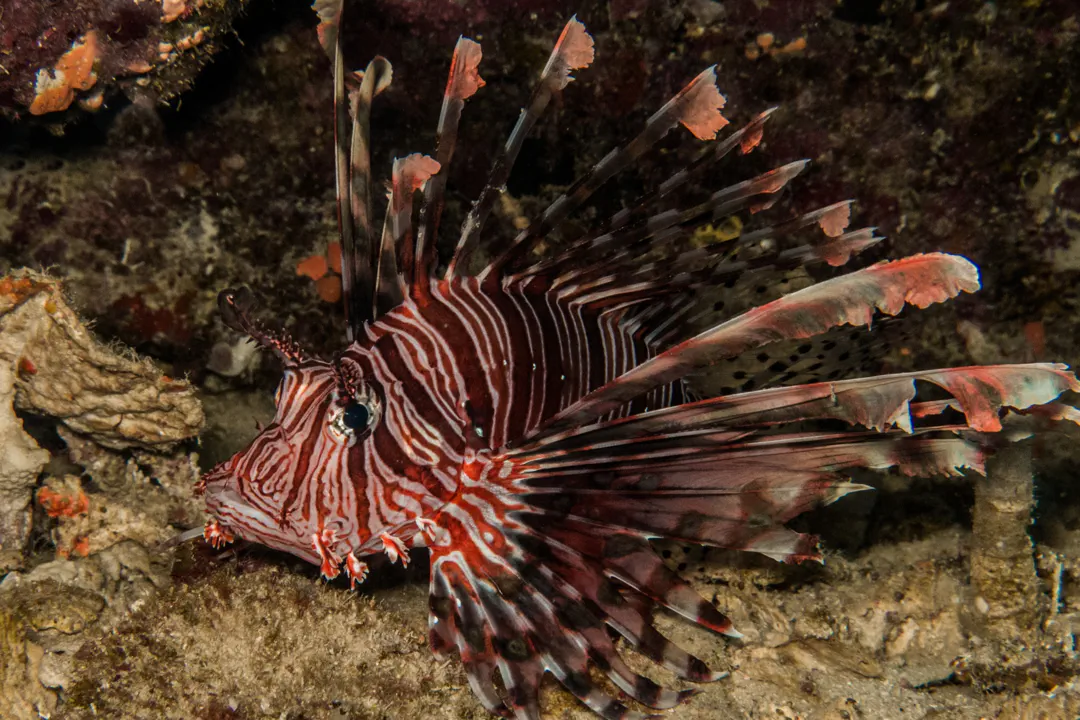 © João D'AndrettaCC BY 4.0 · iNaturalist
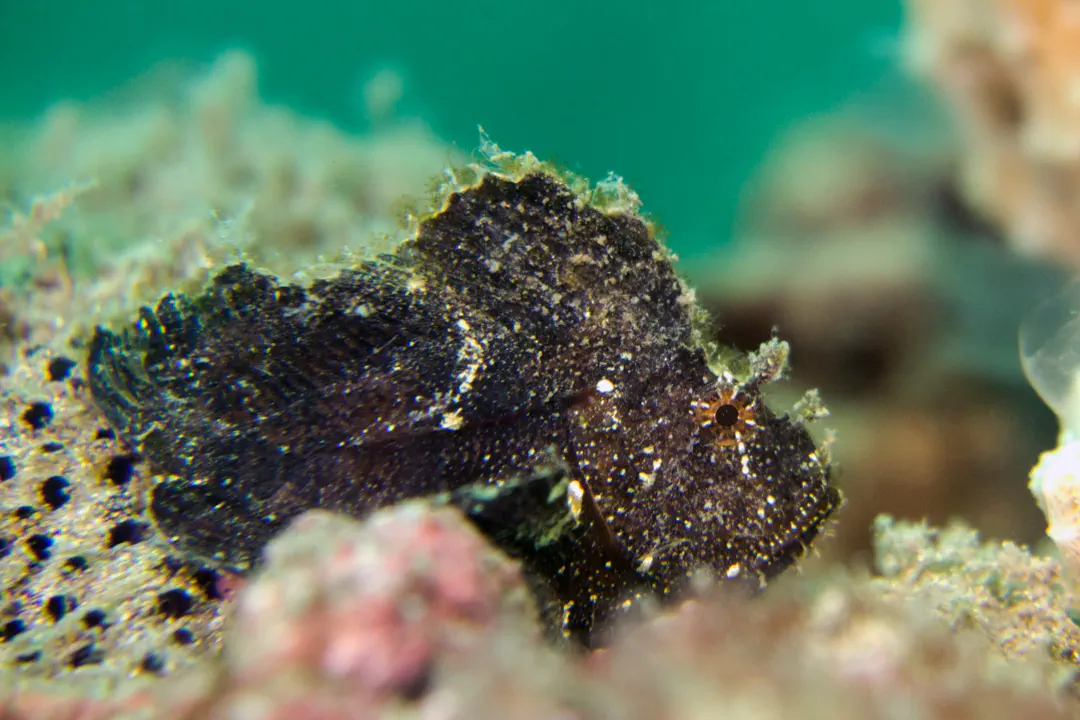 © Ewout KnoesterCC BY-SA 4.0 · iNaturalist
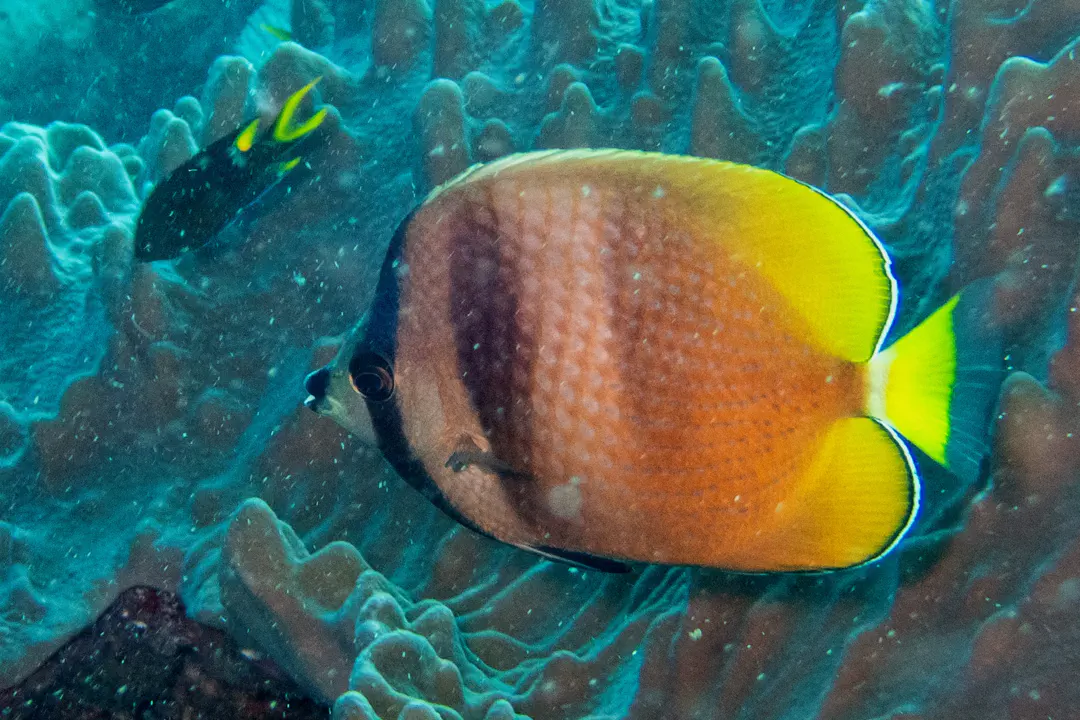 © Piotr LukasikCC BY 4.0 · iNaturalist
Turtle Heaven (Gili Meno): Turtle Sanctuary and Pinnacle
Turtle Heaven is a submerged rock pinnacle off the eastern coast of Gili Meno, rising from an 18-metre seabed up to 3 metres below the surface. Gentle currents wash over the structure, making it one of the most popular sites in the Gili Islands. The combination of shallow depth and abundant sheltered crevices attracts high concentrations of marine life.
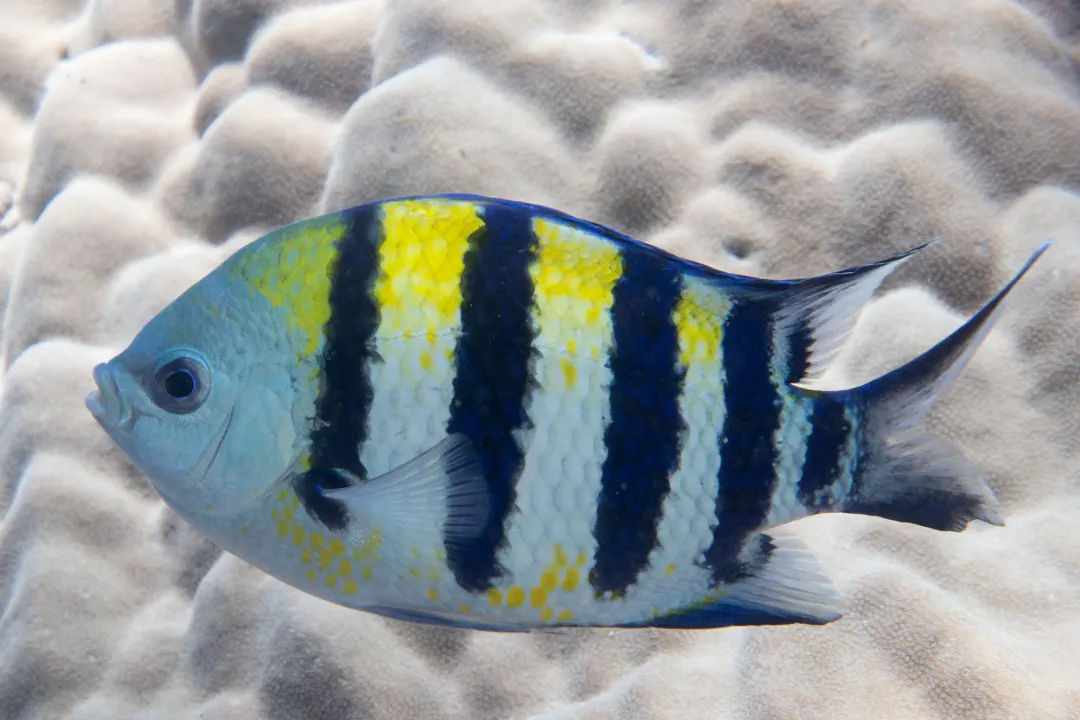
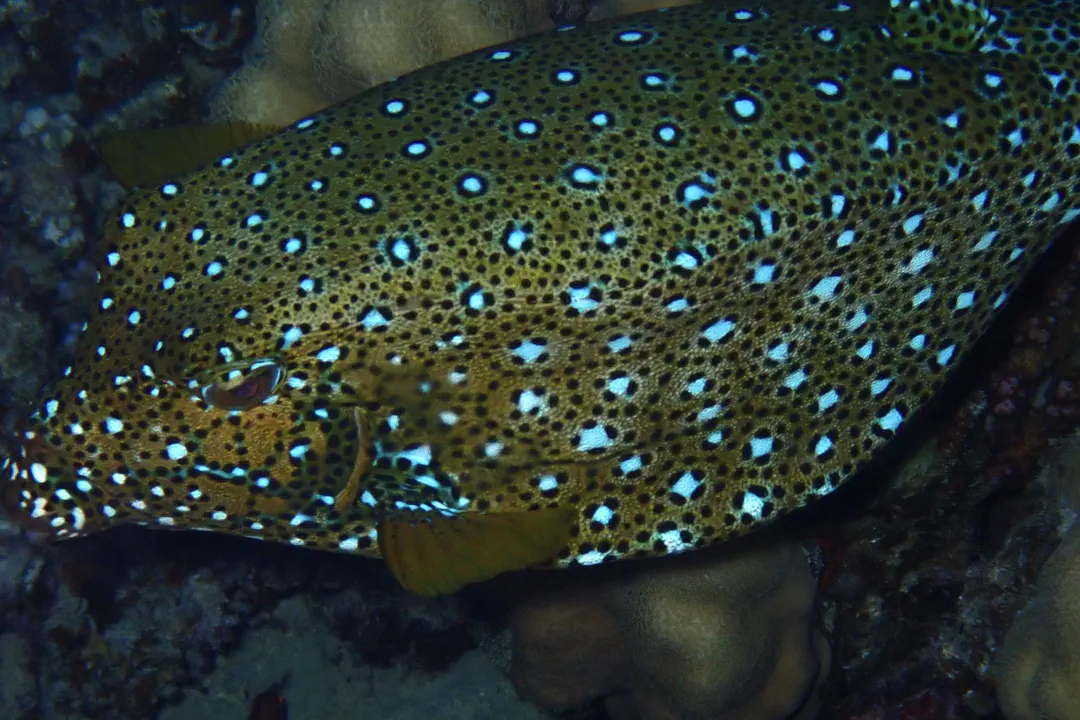
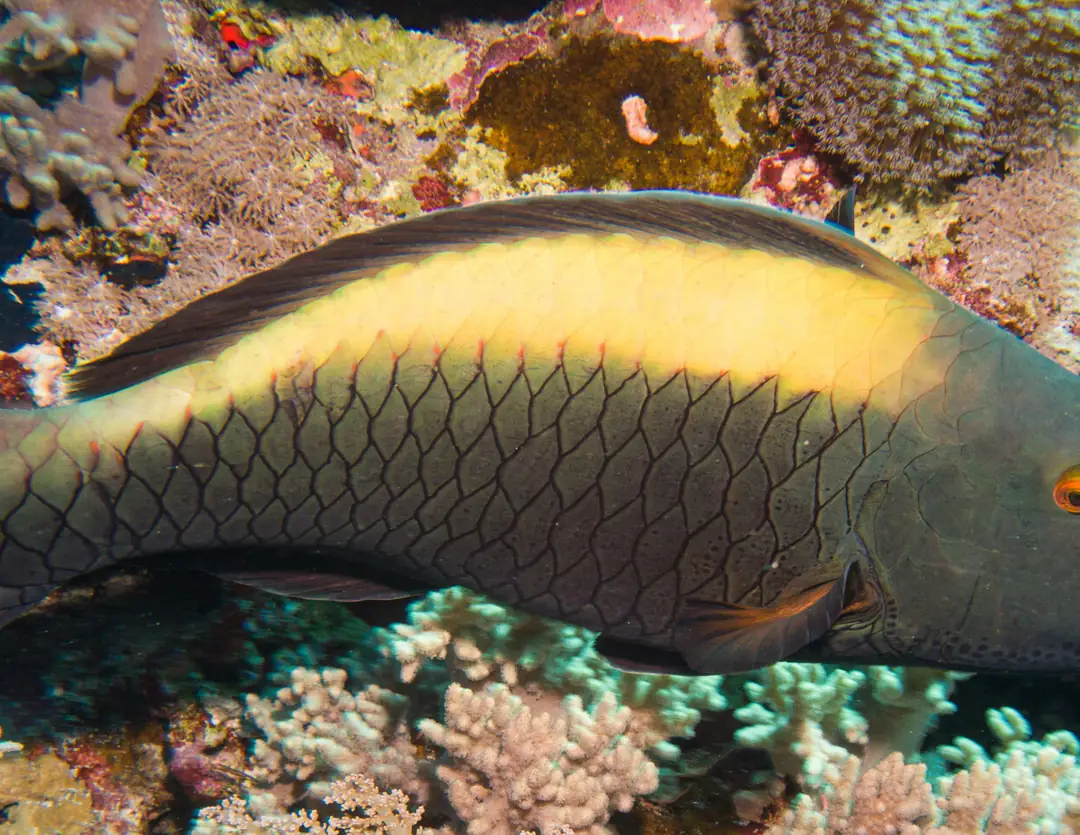
Green sea turtles (Chelonia mydas) and hawksbill turtles (Eretmochelys imbricata) gather in high numbers around the top and flanks of the pinnacle. Indo-Pacific sergeant majors (Abudefduf vaigiensis) and orbicular batfish (Platax orbicularis) form dense schools in midwater above the structure. Yellow boxfish (Ostracion cubicus), bicolour parrotfish (Cetoscarus bicolor), and longfin bannerfish (Heniochus acuminatus) feed along the rock faces.
The shallow summit allows for extended bottom times and relaxed safety stops surrounded by schooling fish. Divers and snorkellers must maintain space around turtles surfacing for air, avoiding any temptation to touch or block their path. Strong surface glare in midday makes morning dives ideal for underwater photography here.
Depth: 3-18 m. Access: boat, 10 minutes from Gili Meno. Level: Open Water. Best months: May-October.
 © Rickard ZerpeCC BY 4.0 · iNaturalist
 © Olka KuryanAll rights reserved
 Jean-Paul BoerekampsCC0
 © Lesley ClementsAll rights reserved
 © portioidCC BY 4.0 · iNaturalist
 © João D'AndrettaCC BY 4.0 · iNaturalist
Meno Wall (Gili Meno): Vertical Wall and Macro Life
Dropping vertically from 10 to 30 metres, Meno Wall runs along the western side of Gili Meno. The wall face is encrusted with hard sponges, soft corals, and deep overhangs that shield small marine creatures from daylight. Currents can push along the wall, offering swift drift dives for experienced divers.
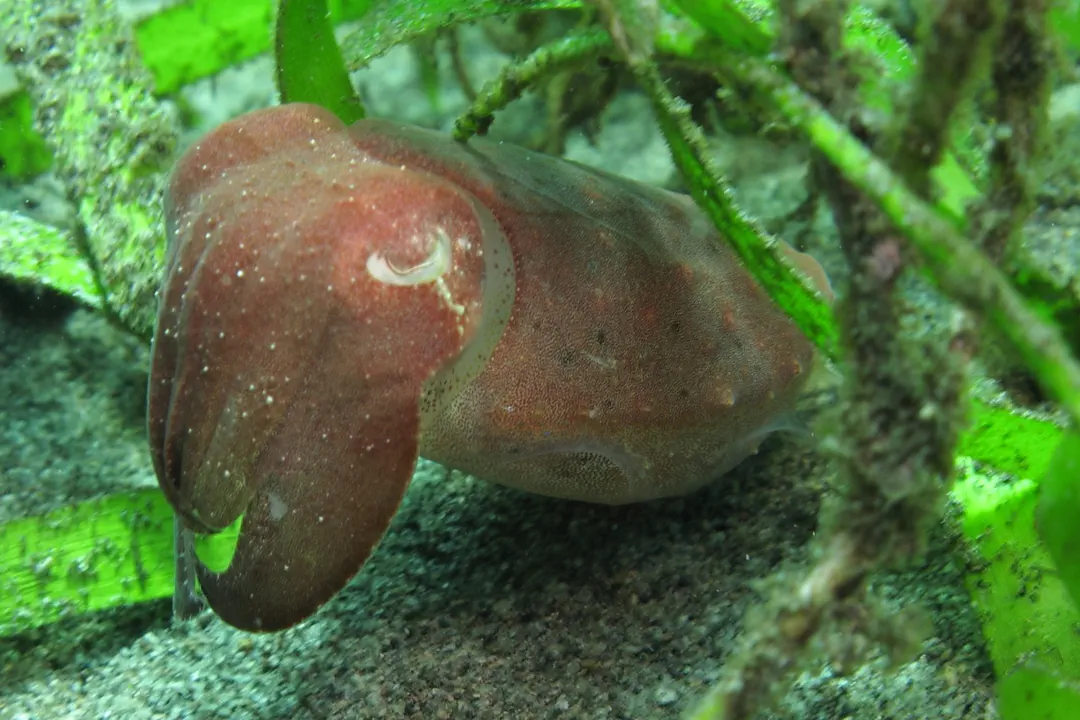
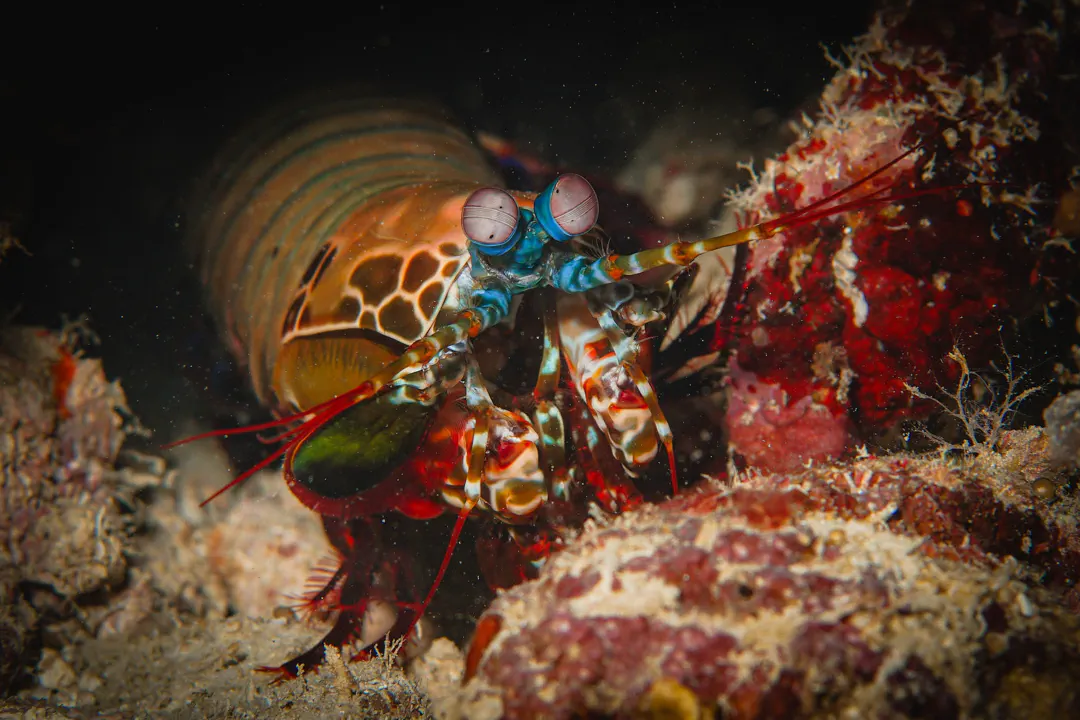
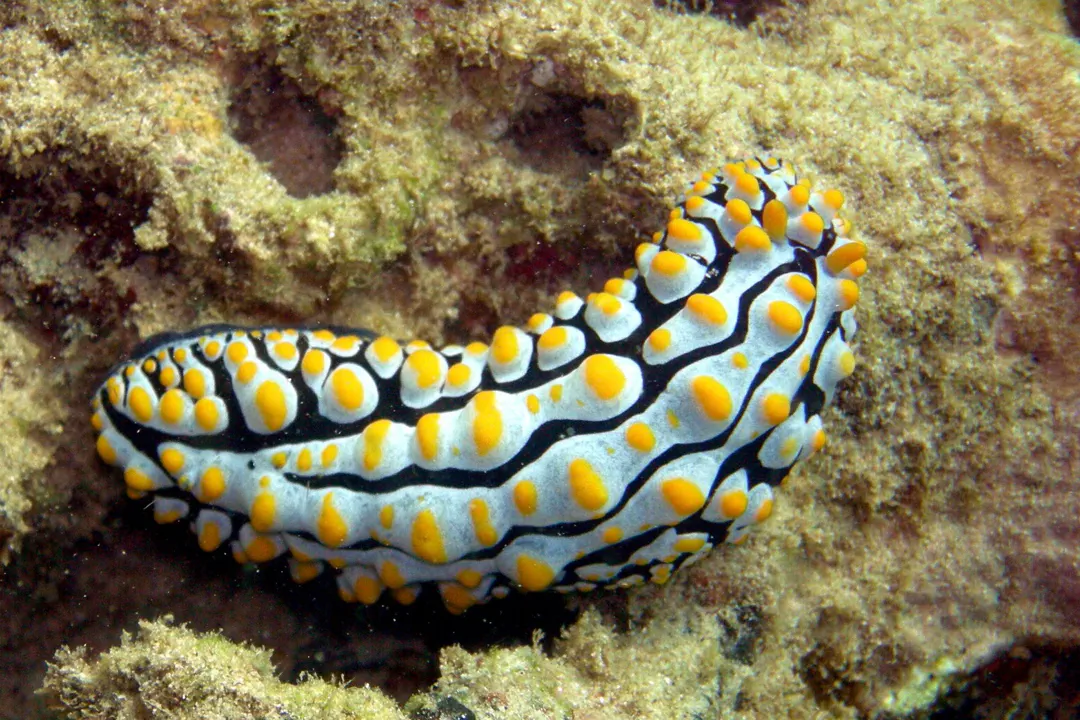
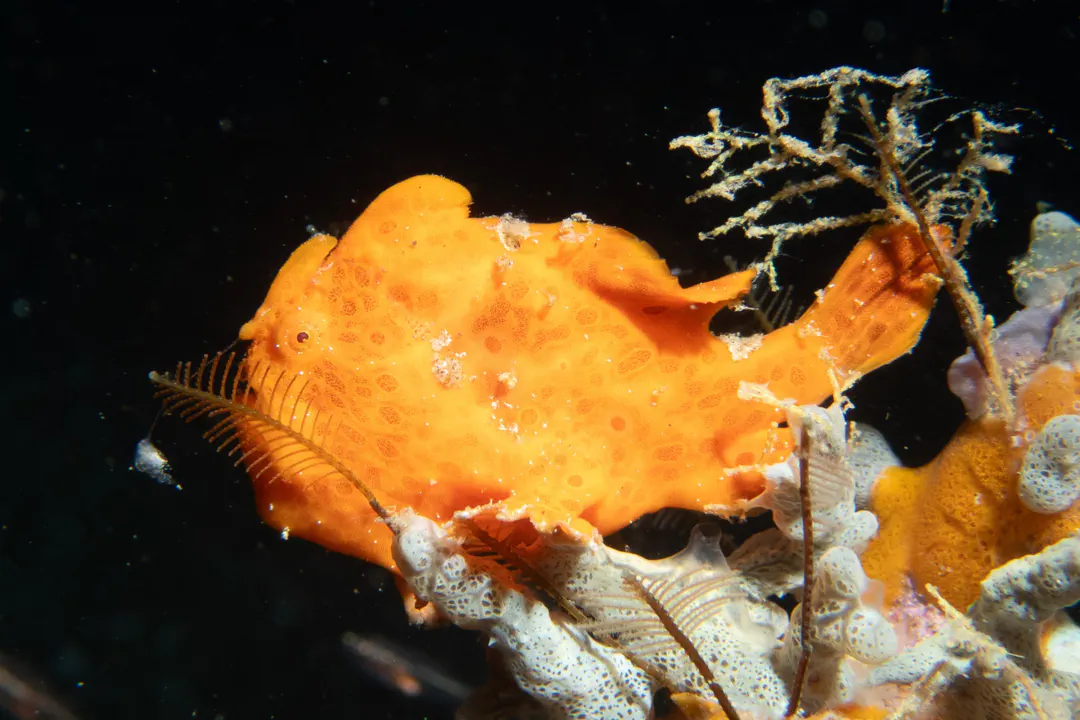
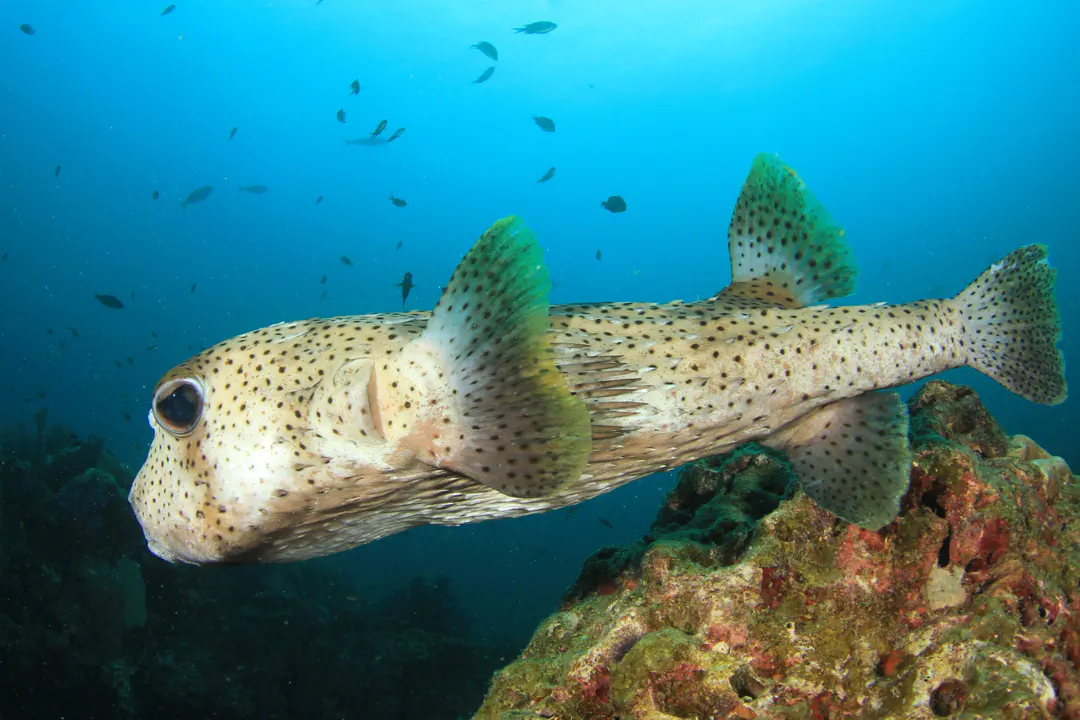
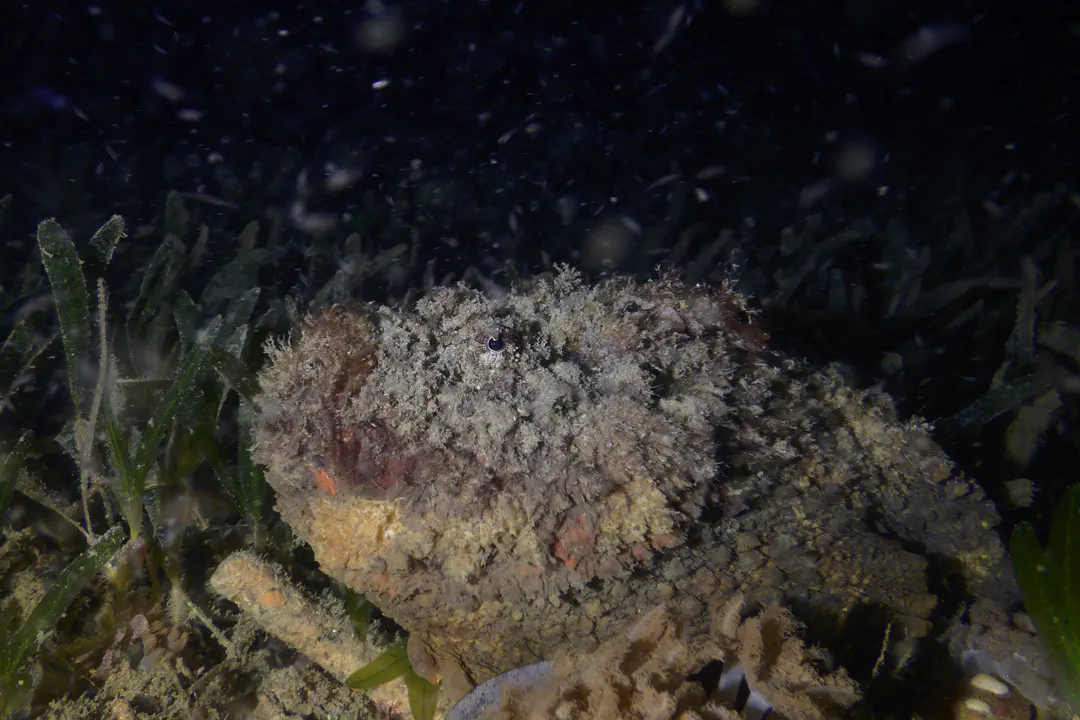
Broadclub cuttlefish (Sepia latimanus) hover near the wall face, while peacock mantis shrimp (Odontodactylus scyllarus) peer out from rocky burrows. Varicose nudibranchs (Phyllidia varicosa) creep across sponge colonies, and painted frogfish (Antennarius pictus) blend into surrounding encrusting life. Porcupinefish (Diodon hystrix) and leaf scorpionfish (Taenianotus triacanthus) rest on narrow rock ledges.
Wall diving requires constant depth awareness as the bottom drops away into dark water. Maintain a neutral trim a couple of metres off the reef to avoid accidental contact with delicate growth. Meno Wall also serves as a location for night dives, when crustaceans and octopuses emerge to feed.
Depth: 10-30 m. Access: boat, 8 minutes from Gili Meno. Level: Advanced Open Water. Best months: May-October.
 © BJ SmitCC BY 4.0 · iNaturalist
 © Stas KuryanAll rights reserved
 © Ian DugdaleCC BY 4.0 · iNaturalist
 © Stas KuryanAll rights reserved
 Justin PhilboisCC0 · iNaturalist
 © seabook.appAll rights reserved
Hans Reef (Gili Air): Muck Diving and Macro Critters
Off the eastern shoreline of Gili Air lies Hans Reef, a shallow slope of white sand interspersed with coral bombies and artificial structures between 5 and 22 metres. The gentle terrain and low current speed make it an exceptional site for slow, focused macro exploration.
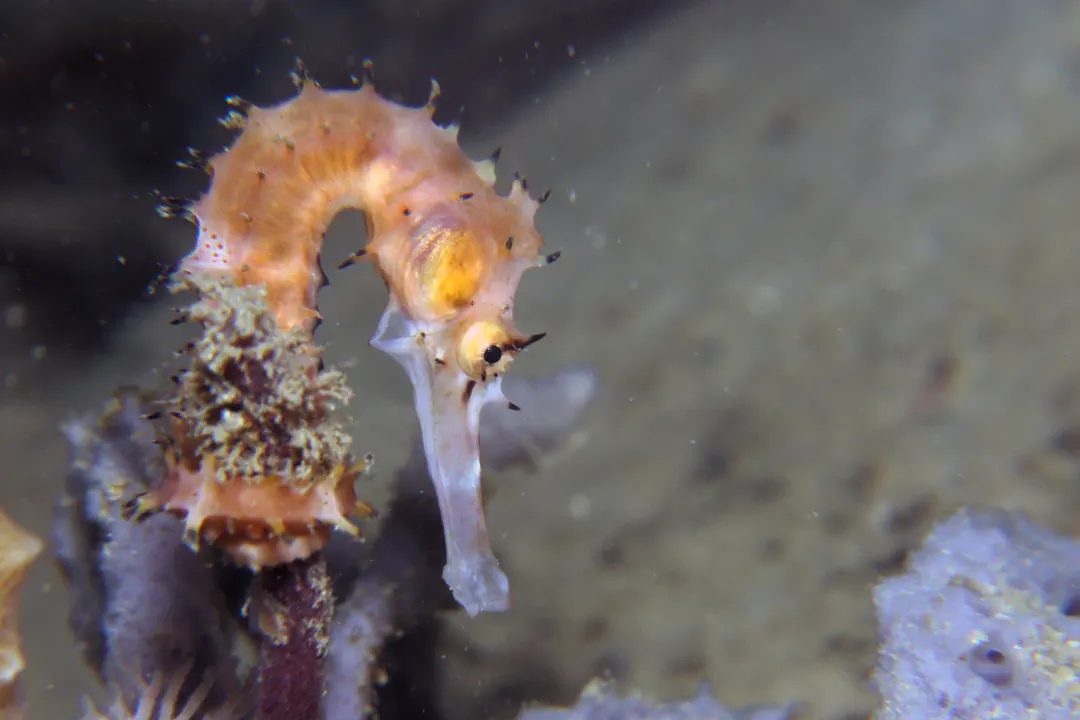
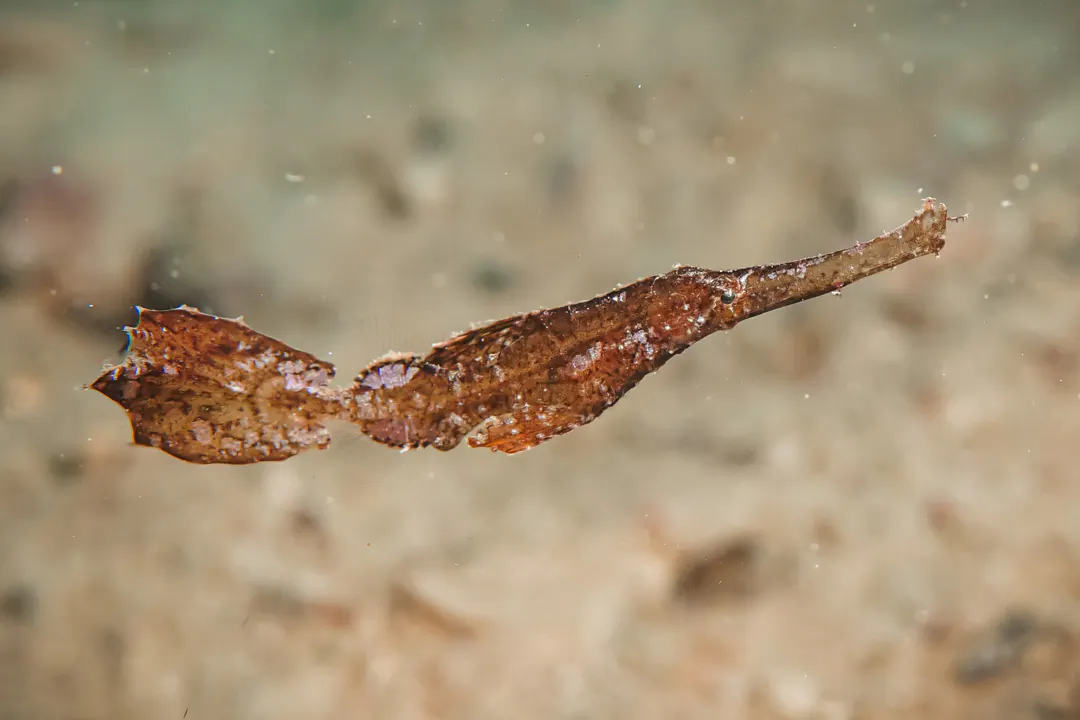
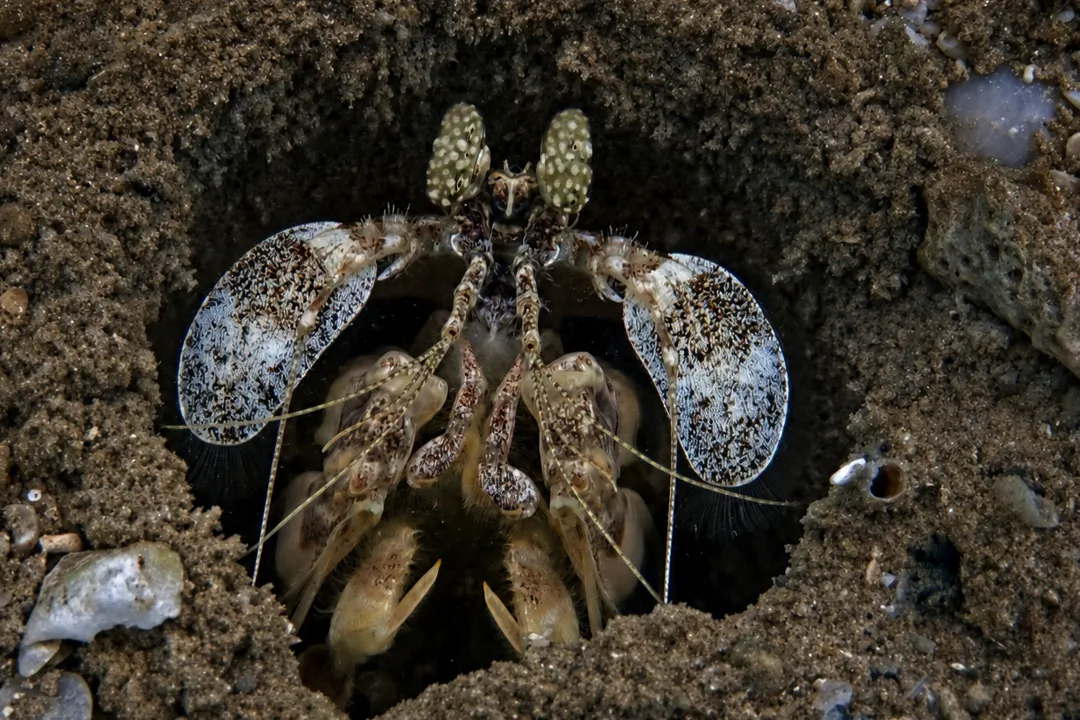
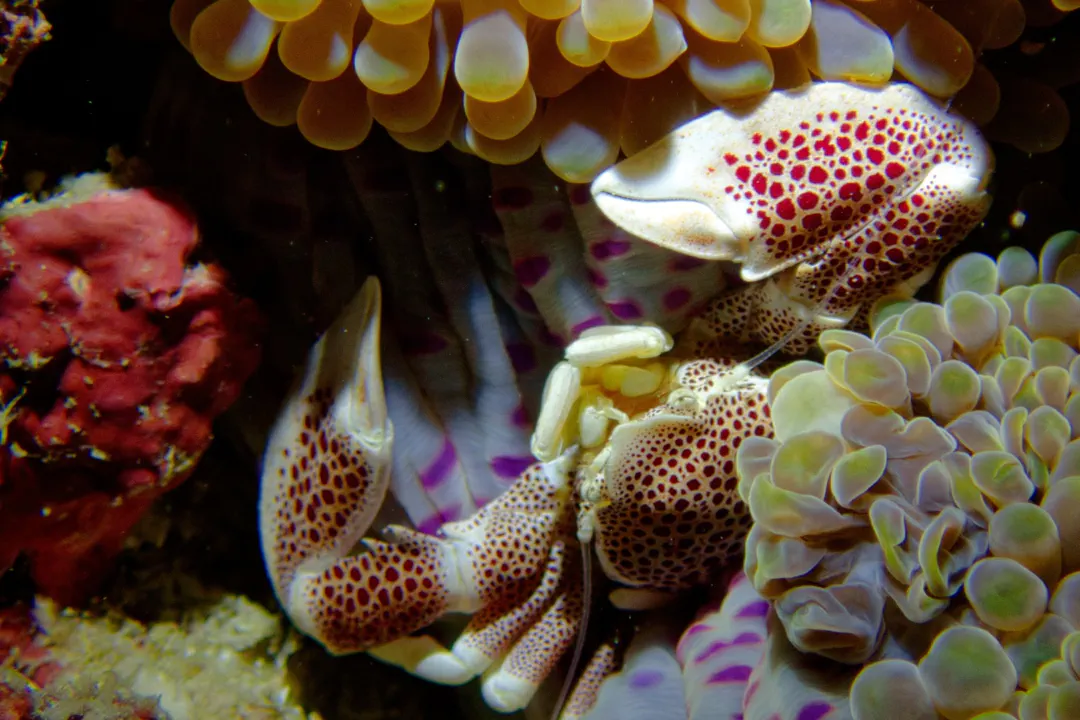
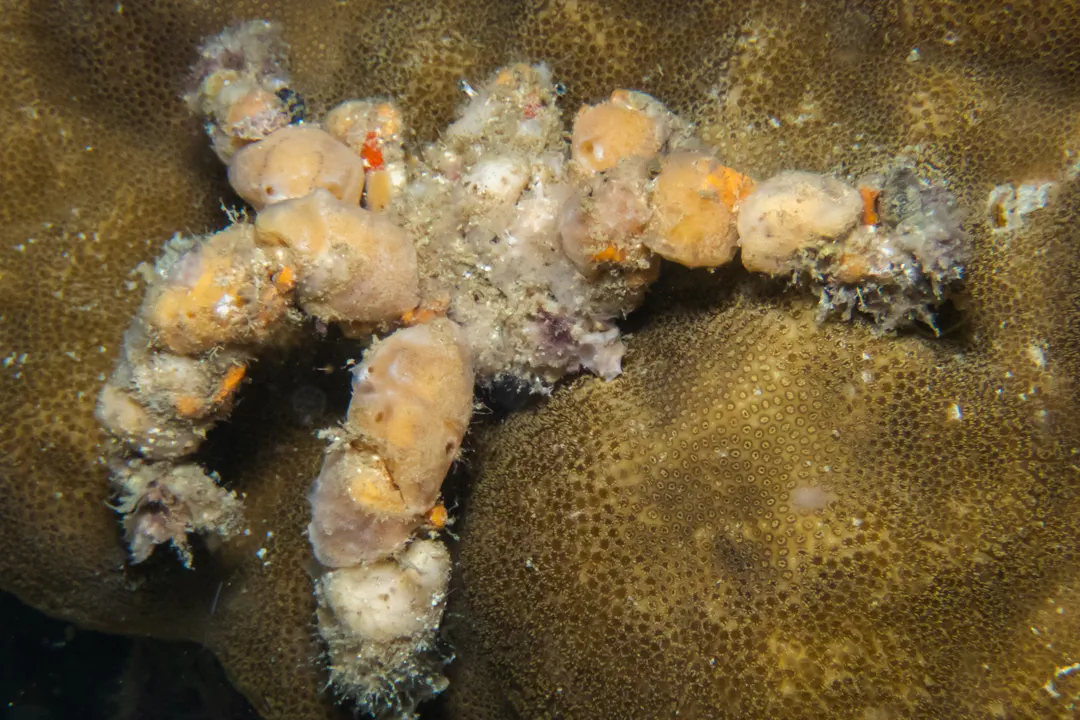
Thorny seahorses (Hippocampus histrix) anchor their tails to soft corals, while robust ghost pipefish (Solenostomus cyanopterus) drift upside down among seagrass stalks. Giant mantis shrimp (Lysiosquillina maculata) watch from deep sand burrows, while spotted porcelain crabs (Neopetrolisthes maculatus) hide within the stinging tentacles of carpet anemones. Decorator crabs (Camposcia retusa) scuttle across rubble patches, disguised under bits of living sponge.
A careful eye and good buoyancy are essential when searching the sandy bottom for well-camouflaged species. Avoid kicking up silt, which quickly reduces visibility in low-flow areas. Taking time to inspect individual coral heads often reveals hidden macro life tucked into small crevices.
Depth: 5-22 m. Access: boat, 10 minutes from Gili Air. Level: Open Water. Best months: May-October.
 © Ewout KnoesterCC BY-SA 4.0 · iNaturalist
 © Stas KuryanAll rights reserved
 © seabook.appAll rights reserved
 © Jay ParolineCC BY 4.0 · iNaturalist
 © portioidCC BY 4.0 · iNaturalist
 © Ewout KnoesterCC BY-SA 4.0
Marine Life in the Gili Islands
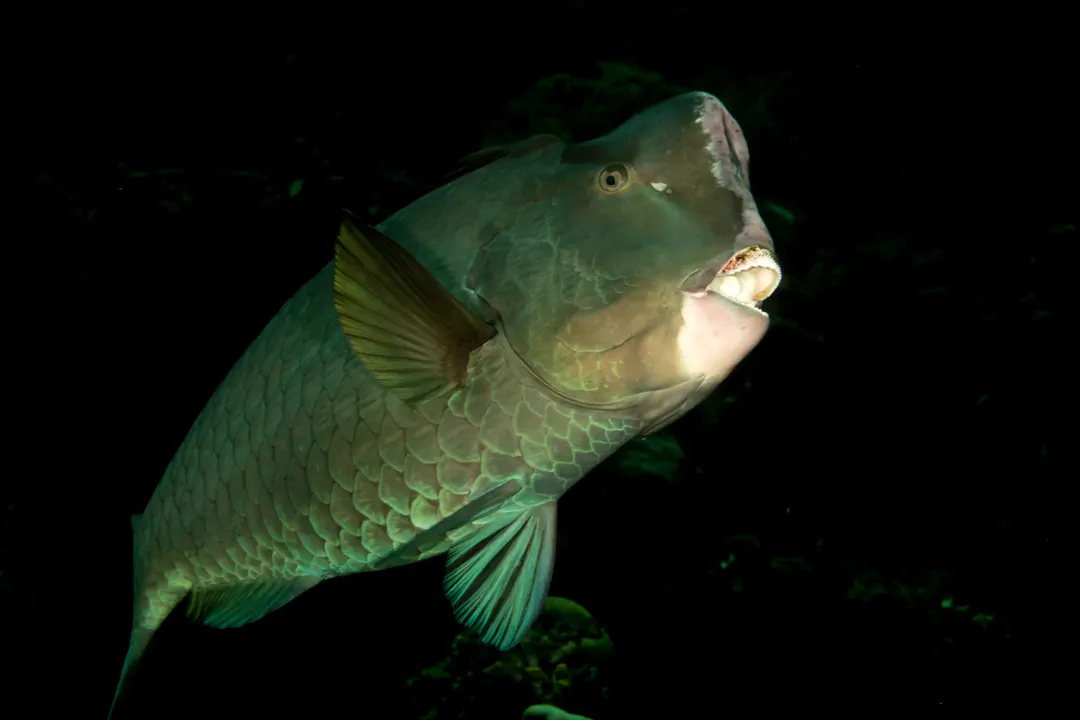
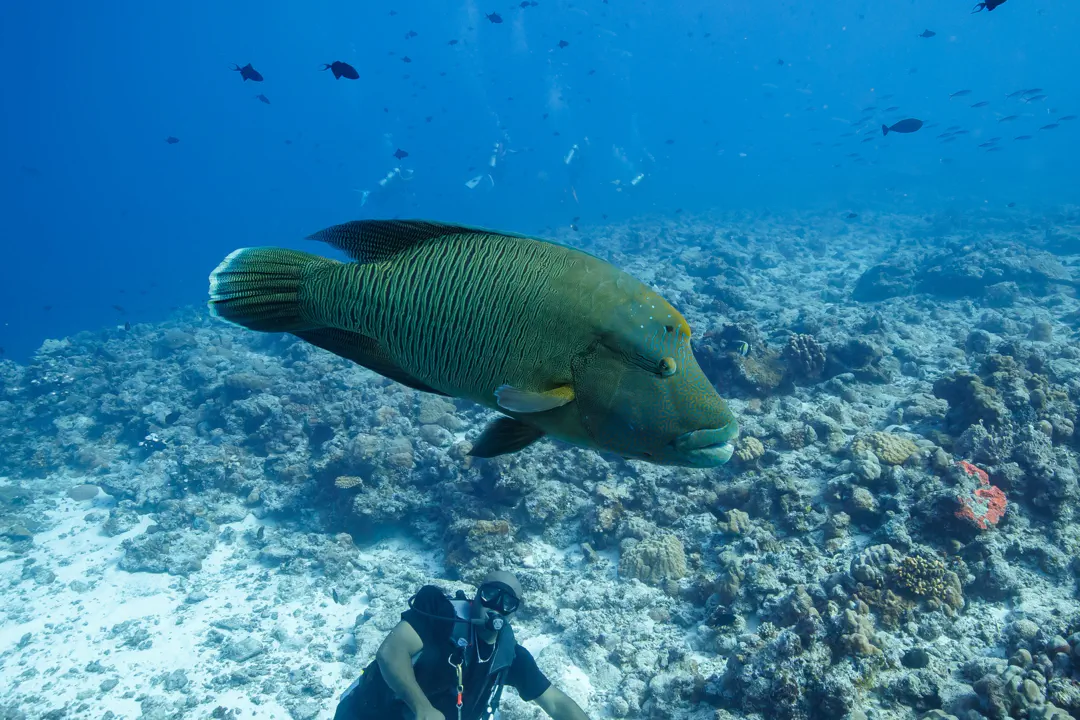
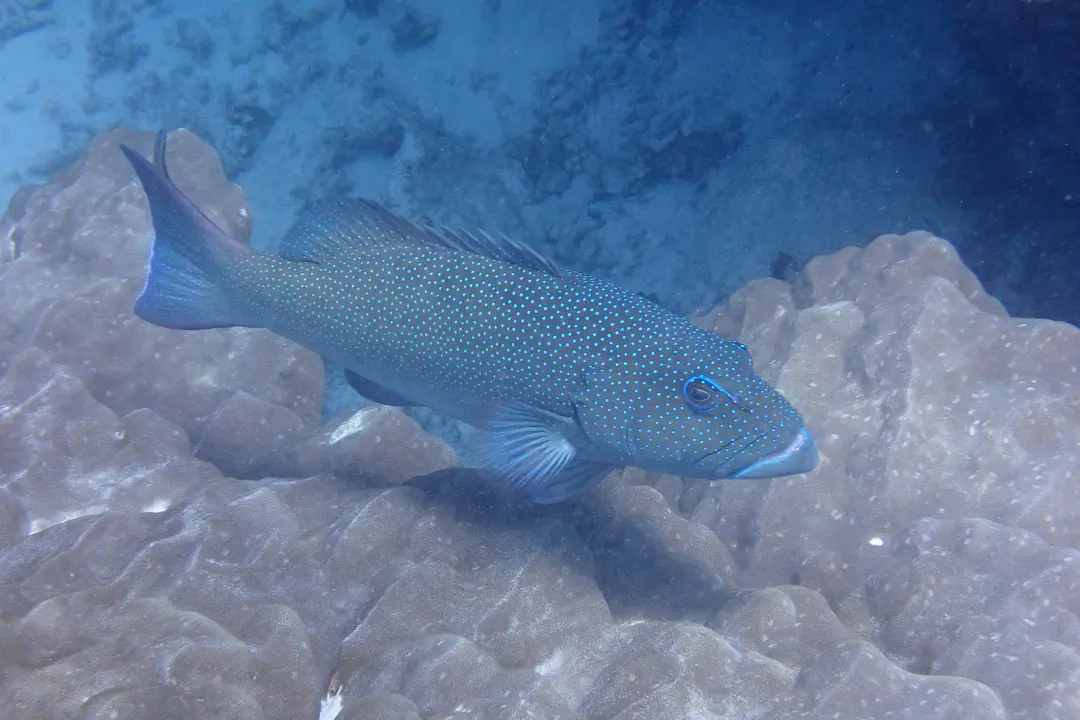
The waters around the Gili Islands harbor an impressive variety of tropical marine species characteristic of the Coral Triangle. Green sea turtles (Chelonia mydas) and hawksbill turtles (Eretmochelys imbricata) remain the most frequently sighted marine reptiles, grazing across shallow seagrass beds and coral slopes. Blacktip reef sharks (Carcharhinus melanopterus) and whitetip reef sharks (Triaenodon obesus) patrol deeper ridges, while humphead parrotfish (Bolbometopon muricatum) and humphead wrasse (Cheilinus undulatus) swim along outer drop-offs.
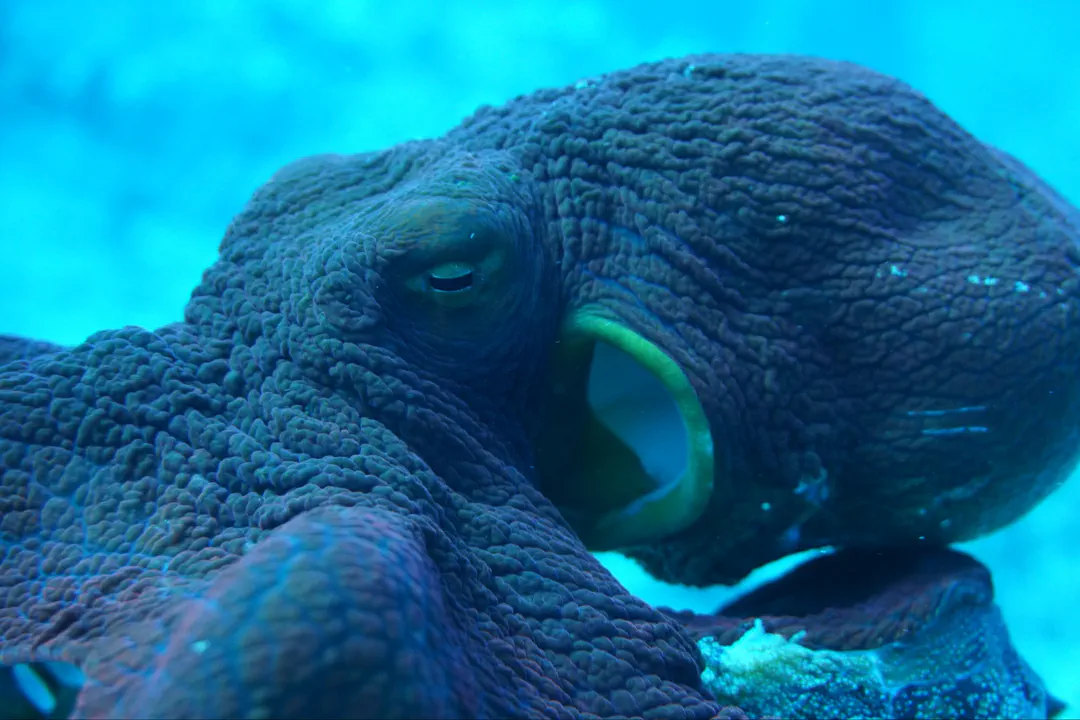
Invertebrate life spans from large broadclub cuttlefish (Sepia latimanus) and day octopuses (Octopus cyanea) down to thorny seahorses (Hippocampus histrix) nestled in rubble. Tall coral bombies support anemonefish colonies, while cleaning stations draw sweetlips, parrotfish, and bannerfish. Logging your sightings in the Seabook app during surface intervals helps track which reef species you encountered at each dive spot.
Reef conservation efforts across the islands emphasize habitat protection and coral rehabilitation. Biorock technology uses low-voltage electrical currents passed through submerged metal frames to accelerate calcium carbonate accretion. This process provides a solid foundation for attached coral fragments, aiding local reef restoration alongside community protection measures.
 © Rickard ZerpeCC BY 4.0 · iNaturalist
 © seabook.appAll rights reserved
 © Christopher MarkCC BY 4.0 · iNaturalist
 © Donald DavesneCC BY 4.0 · iNaturalist
 © seabook.appAll rights reserved
 © cello caruso-turielloCC BY 4.0 · iNaturalist
Are the Gili Islands Good for Beginners and Snorkellers?
The Gili Islands provide an setting for entry-level scuba training, including Open Water Diver courses. Gentle shallow slopes between 5 and 12 metres offer calm conditions with warm water and clear visibility. Local dive shops conduct initial skill practice in dedicated training pools before moving students to shallow natural sites like Turtle Heaven or Hans Reef.
Snorkellers can enjoy productive reef outings directly from the beach or via short boat trips. Shallow coral gardens off Gili Meno and Gili Air allow snorkellers to observe sea turtles, parrotfish, and damselfish in depths under 5 metres. However, strong surface currents can form in channels between islands, so snorkellers should stay within marked swimming zones or hire a local boat captain.
Safety awareness remains crucial for both snorkellers and novice divers. Boat traffic between the three islands is frequent, making the use of a bright surface marker buoy or float mandatory when surfacing away from designated boat areas. Always verify current conditions with a local dive center before entering the water independently.
Getting There and Practical Tips
Reaching the Gili Islands is straightforward from either Bali or Lombok. Fast boats depart daily from Bali's Padang Bai harbor or Serangan, reaching Gili Trawangan in approximately 1.5 to 2 hours depending on sea state. Alternatively, travelers can fly to Lombok International Airport, take a 1.5-hour taxi drive to Bangsal Harbor, and cross to the islands via local public ferry or speed boat in 15 to 30 minutes.
Selecting a reputable dive operator ensures high safety standards, well-maintained rental gear, and knowledgeable local guides. Visitors entering the Gili Marine Park must pay a small marine park fee, which supports local conservation and reef cleanup programs. Ensure your dive center provides clear briefings regarding current management, depth limits, and surface marker buoy protocols.
Planning surface intervals and travel post-dive requires attention to altitude rules. After completing repetitive dives, allow at least 18 to 24 hours before taking a flight out of Lombok or crossing high-elevation mountain passes on Bali. Carrying valid dive insurance that covers medical hyperbaric treatment is recommended for all diving activities in Indonesia.
Questions
Are there sharks in the Gili Islands?
Blacktip reef sharks (Carcharhinus melanopterus) and whitetip reef sharks (Triaenodon obesus) are routinely seen at sites like Shark Point and Deep Halik between 18 and 30 metres. Tawny nurse sharks (Nebrius ferrugineus) also rest on sandy bottoms around Manta Point. Sightings depend on currents and time of day, but shark encounters remain common across exposed sites.
Is it dangerous to swim in the Gili Islands?
Swimming and diving are safe in designated coastal zones, but tidal currents in channels between islands can reach 3 to 4 knots. Swimmers should avoid swimming far off beaches without a surface float, and divers must use a surface marker buoy during ascents to remain visible to motorized boat traffic.
What fish can you see in the Gili Islands?
Divers routinely observe green sea turtles, hawksbill turtles, humphead parrotfish, and anemonefish among coral heads. Larger species include great barracuda, giant trevally, and blacktip reef sharks, while macro creatures like broadclub cuttlefish, mantis shrimp, and ghost pipefish inhabit sandy slopes.
Can you see turtles in the Gili Islands?
Green sea turtles (Chelonia mydas) and hawksbill turtles (Eretmochelys imbricata) are abundant, with sites like Turtle Heaven offering shallow sightings between 3 and 15 metres. While no animal sighting is 100% guaranteed, most divers and snorkellers encounter multiple turtles on nearly every outing.
How warm is the water in the Gili Islands?
Water temperatures remain tropical throughout the year, ranging between 27°C and 30°C (80°F–86°F). Visibility varies from 10 to 15 metres during the wet season up to 30 metres from May to October, with a 3mm wetsuit providing comfortable thermal protection.
Which Gili Island is best for scuba diving?
Gili Trawangan offers the highest concentration of dive centers and closest access to deep sites like Shark Point and Deep Halik. Gili Meno provides quiet surroundings near Turtle Heaven and Meno Wall, while Gili Air features calm shallow reefs like Hans Reef suited for macro photography.