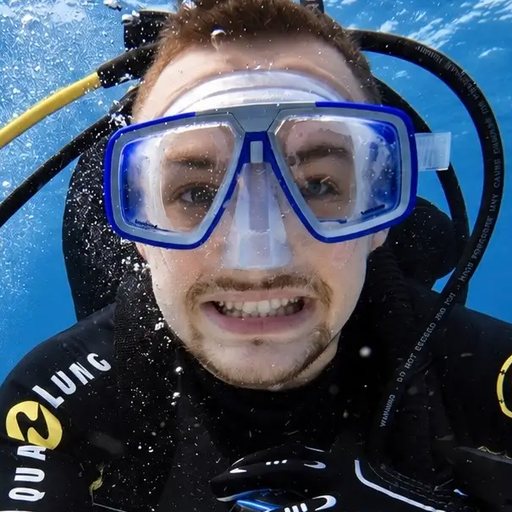
At a depth of 18 metres along Little Cayman's Bloody Bay Wall, sunlight slices through clear blue ocean to light up giant yellow tube sponges hanging over empty abyss. A hawksbill sea turtle glides off the lip of the drop-off, paddling its front flippers in a slow arc before sliding down into the shadow of the reef edge. Below, the limestone wall plunges straight down into dark blue water.
Planning a trip for diving in the Cayman Islands offers access to calm seas, sheer vertical drop-offs, and shallow sandbars across Grand Cayman, Little Cayman, and Cayman Brac. The dry season runs from November through April, though May and June provide an optimal window of calm surface conditions before midsummer weather shifts. Water temperatures range from 25°C in February to 29°C in August, while underwater visibility regularly reaches 20 to 30 metres due to the absence of river runoff.
Divers of all experience levels can explore famous locations including Bloody Bay Wall, the USS Kittiwake wreck, Babylon, and the shallow sandbar at Stingray City. The three islands host Southern stingrays, Caribbean reef sharks, spotted eagle rays, and green sea turtles. Novices find gentle training grounds in shallow shore sites around George Town, while experienced divers can test their buoyancy along deep vertical walls and artificial wrecks.
What Is Diving in the Cayman Islands Like?
The underwater landscape of the Cayman Islands is defined by the Cayman Ridge, an undersea mountain range rising out of the Caribbean Sea. Because the three flat limestone islands lack rivers or streams, no freshwater sediment washes into the ocean to cloud the coastal seas. Water clarity remains high across shallow sand flats, deep patch reefs, and vertical precipices.
Each of the three islands presents a distinct underwater geography. Grand Cayman features extensive shallow coral reefs, shore-accessible caverns, and deep drop-offs along its North Wall. Cayman Brac hosts rugged underwater terrain with deep passages and a scuttled naval frigate. Little Cayman delivers sheer wall profiles where the reef top sits in just 6 metres of water before dropping precipitously into deep water.
Government regulations protect these marine environments through established marine parks and strict no-take zones. Over three hundred designated mooring buoys line the islands to prevent anchors from crushing delicate hard corals and gorgonian sea fans. Mild currents predominate along most sheltered sites, allowing divers to focus on buoyancy and marine life observation.
Best Time to Dive in the Cayman Islands
Diving conditions in the Cayman Islands remain viable throughout the calendar year due to consistent tropical weather. According to the Cayman Islands Government, the territory experiences a tropical marine climate with generally wet conditions from May to October and dry conditions from November to April. Winter months bring air temperatures averaging around 25.5°C, creating comfortable surface weather alongside cool trade winds.
The dry winter season from November to April brings lower humidity and reliable conditions, making boat navigation across open water straightforward. However, occasional winter cold fronts called nor'westers can bring swell to exposed northern and western shorelines. When these weather systems pass, local dive boats shift operations to sheltered southern lee shores to maintain daily departure schedules.
Summer and early autumn bring the warmest water temperatures, reaching 29°C between July and September. Rain showers occur more frequently during these warmer months, and the Atlantic hurricane season peaks between August and October. May and June often present an ideal middle ground, featuring calm sea surfaces, warm water, and lighter tourist crowds before midsummer storms increase.
Cayman Islands Water Temperature by Month
Sea surface temperatures across the Cayman Islands follow a predictable seasonal trend, dropping to their lowest values of 25°C to 26°C between January and March. During this winter period, a 3mm full wetsuit provides sufficient insulation for repetitive daily dives, especially when wind chill affects surface intervals on open boats.
As spring transitions into summer, water temperatures rise steadily, reaching 28°C in June and peaking at 29°C during August and September. In peak summer, a 3mm shorty wetsuit or simple dive skin offers enough thermal defense against the water while protecting skin from sun exposure and accidental brushings against sharp fire coral.
Divers completing three or four dives a day should remember that long immersion times lower body temperature even in warm Caribbean seas. Standard thermal protection combined with adequate hydration between dives keeps nitrogen elimination efficient and prevents cold fatigue over a week-long diving itinerary.
Best Dive Sites in the Cayman Islands
The three Cayman Islands feature dive sites ranging from waist-deep sand flats to vertical drop-offs and artificial wrecks. The following selection highlights top underwater locations across Grand Cayman, Little Cayman, and Cayman Brac.
Stingray City (Grand Cayman)
Located in the sheltered waters of North Sound, Stingray City is a shallow sandbar where Southern stingrays (Hypanus americanus) gather in large numbers. Decades ago, local fishermen cleaned their daily catch in these shallow waters, discarding fish offal that attracted rays to the sand flats. Today, these wild rays glide over white sand, brushing past divers and snorkellers in water only 1 to 4 metres deep.
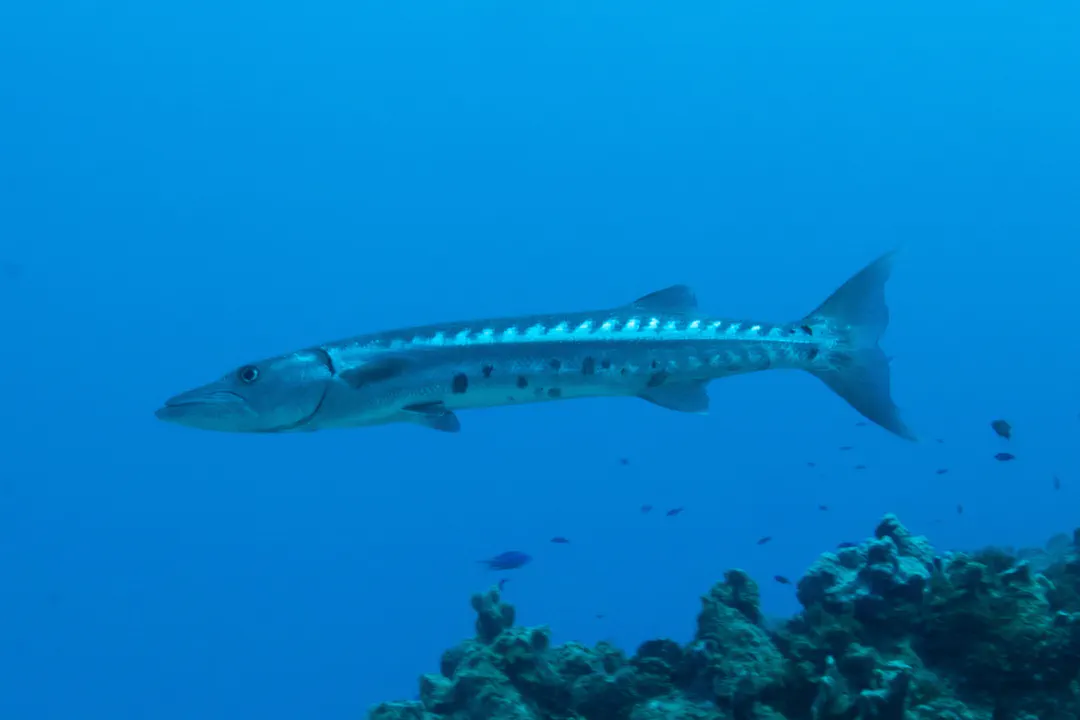
Permitted dive guides manage interactions on the sandbar to ensure the safety of both visitors and wildlife. Divers kneel on the sandy seabed while smooth rays maneuver around them, searching for food handouts. Schools of permit (Trachinotus falcatus) and great barracuda (Sphyraena barracuda) shadow the stingrays, hovering near the surface to snatch stray scraps of bait.
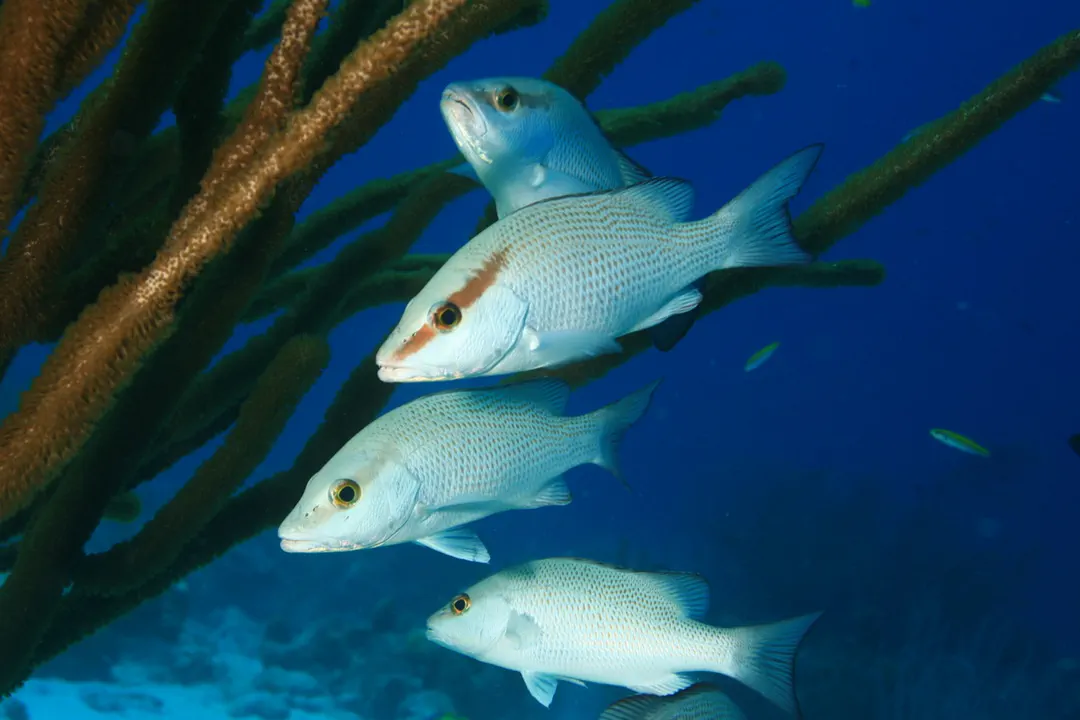
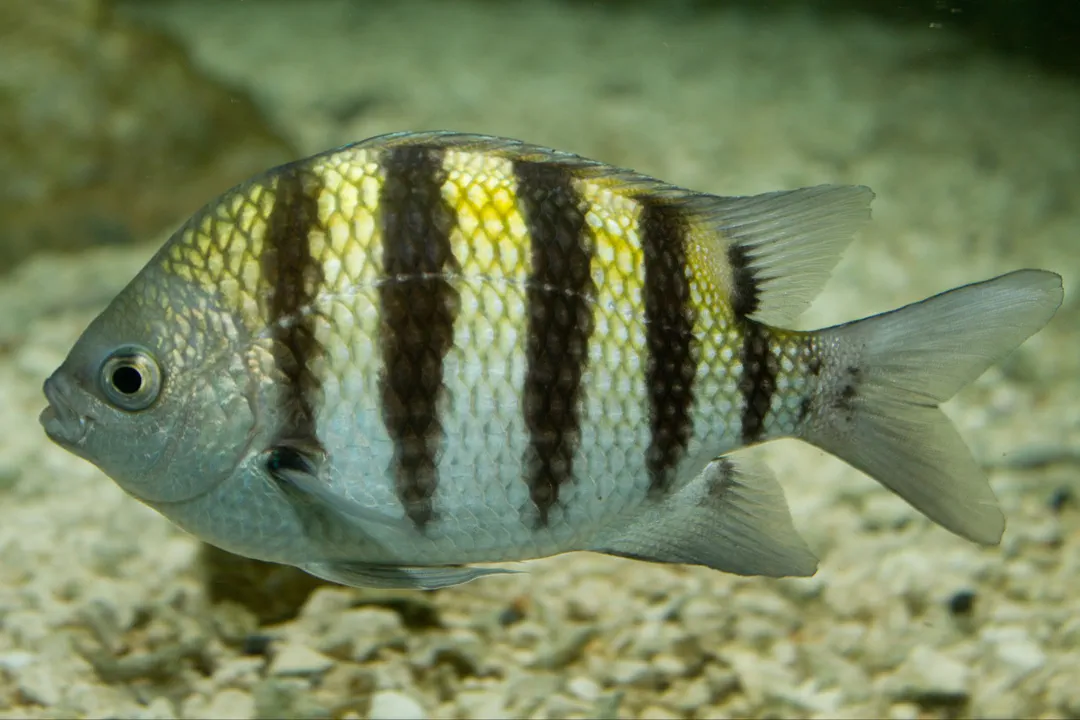
The shallow depth means sunlight penetrates directly to the seabed, reflecting bright light across the sand. Visitors must avoid stepping directly onto the rays or grabbing their wings, as the animals carry sharp caudal spines for self-defense. The surrounding North Sound seagrass beds also support grey snapper (Lutjanus griseus) and sergeant majors (Abudefduf saxatilis).
Depth: 1-4 m. Access: boat, 25 minutes from West Bay. Level: Beginner / Snorkeller. Best months: Year-round.
 © Dan SchofieldCC BY 4.0 · iNaturalist
 © LASZLO ILYESCC BY 4.0 · iNaturalist
 © Brian GratwickeCC BY 4.0 · iNaturalist
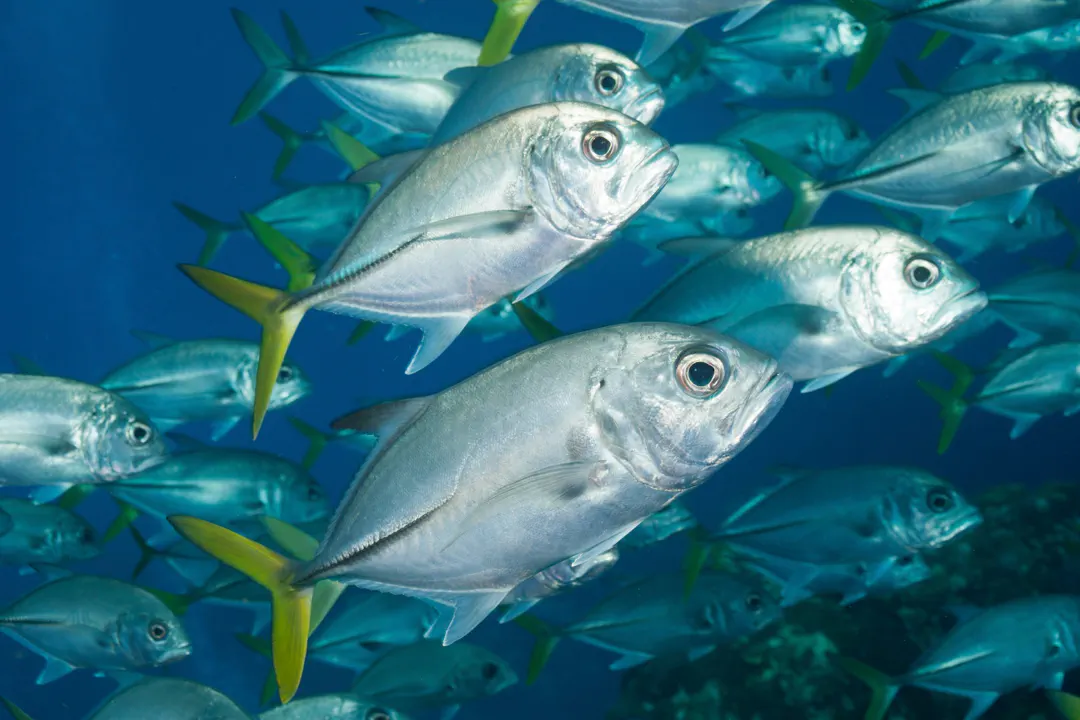 © seabook.appAll rights reserved
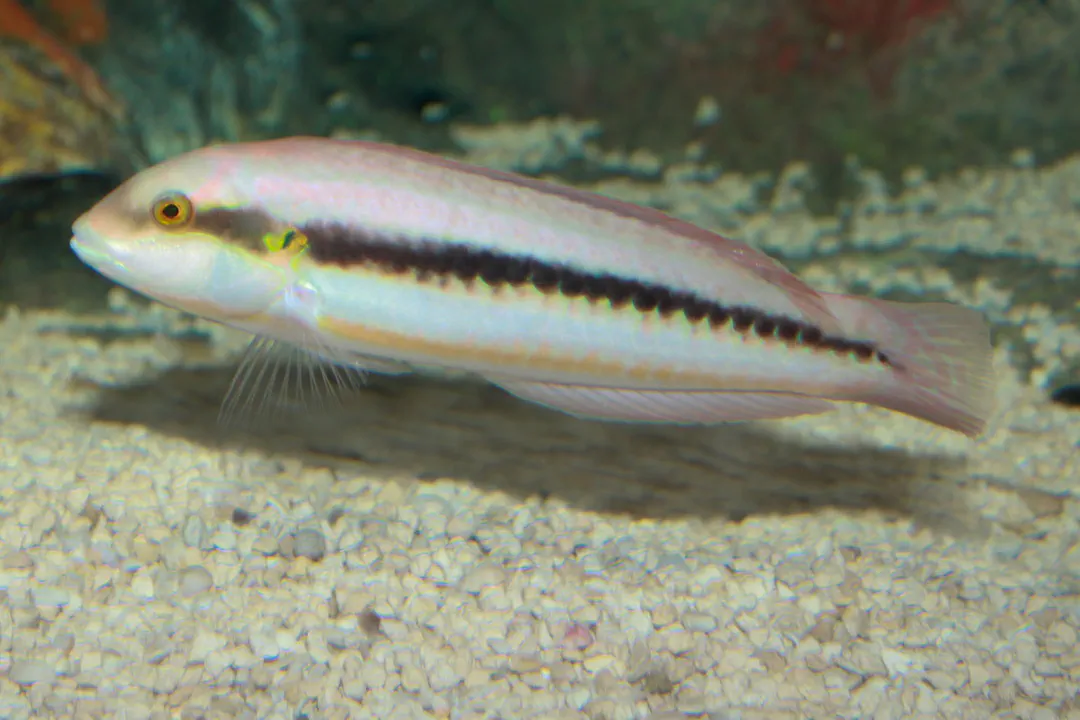 © Brian GratwickeCC BY 4.0 · iNaturalist
USS Kittiwake (Grand Cayman)
Sunk deliberately in January 2011 off Seven Mile Beach, the USS Kittiwake was a 76.5-metre Chanticleer-class submarine rescue ship that served the U.S. Navy for over 45 years. The ship now rests upright on a clear sandy bottom at a maximum depth of 18 metres, with its wheelhouse rising to within 4 metres of the sea surface.
Before scuttling, workers stripped the vessel of doors, weapons, and hazards, cutting large access openings to create safe light penetration for wreck exploration. Divers can swim through open mess halls, steering rooms, and hyperbaric chamber compartments without tight overhead restrictions. Nassau grouper (Epinephelus striatus) and green moray eels (Gymnothorax funebris) inhabit the steel frame, taking shelter inside dark machinery bays.
Corals and sponges have taken root across the exterior hull, attracting queen angelfish (Pomacanthus arcuatus) and stoplight parrotfish (Scarus vetula). Spotted eagle rays (Aetobatus narinari) occasionally circle the outer radar towers, while schools of mahogany snapper (Lutjanus mahogoni) hover above the main deck.
Depth: 4-18 m. Access: boat, 10 minutes from Seven Mile Beach. Level: Open Water. Best months: Year-round.
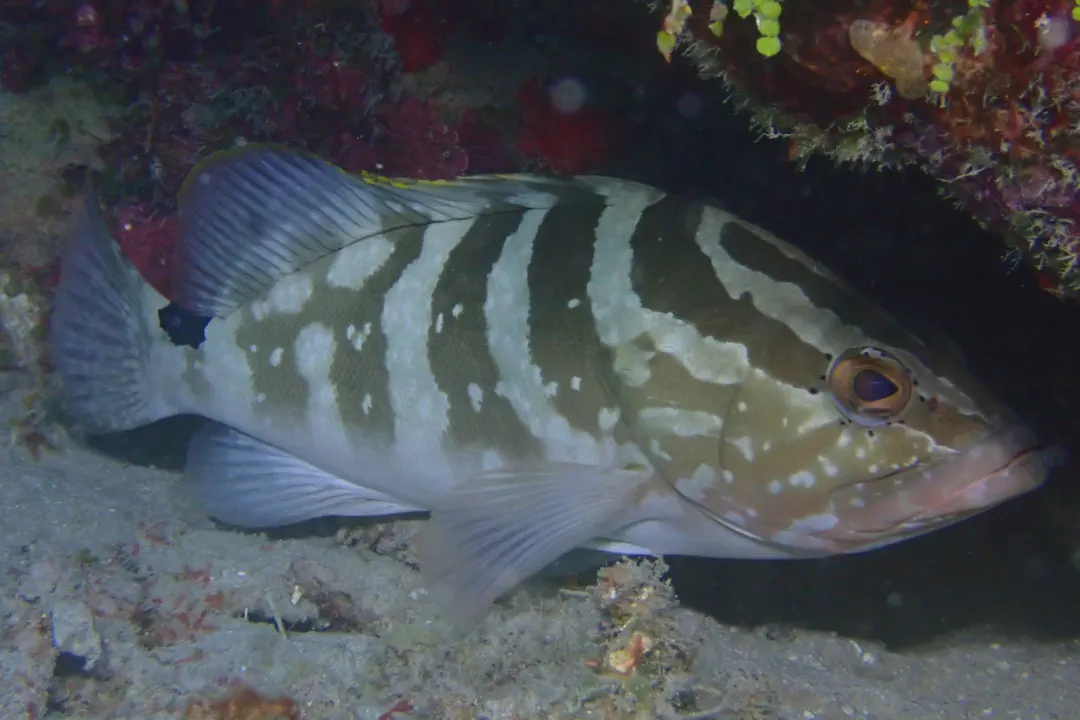 © Robin WhiteCC BY 4.0 · iNaturalist
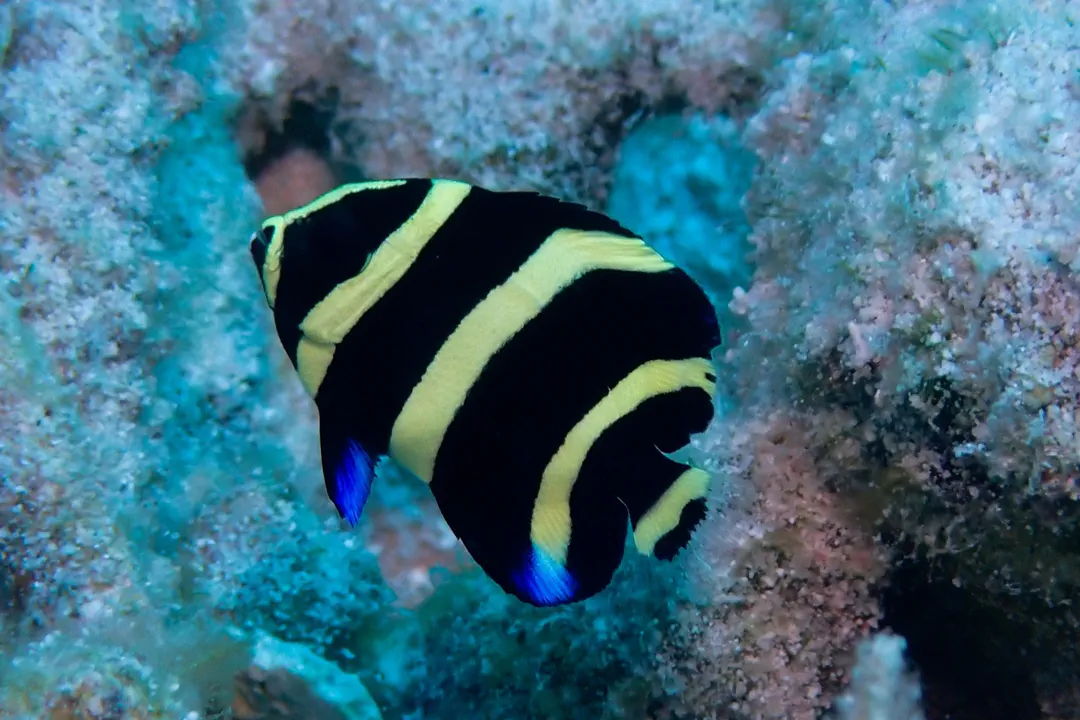 © Dan SchofieldCC BY 4.0 · iNaturalist
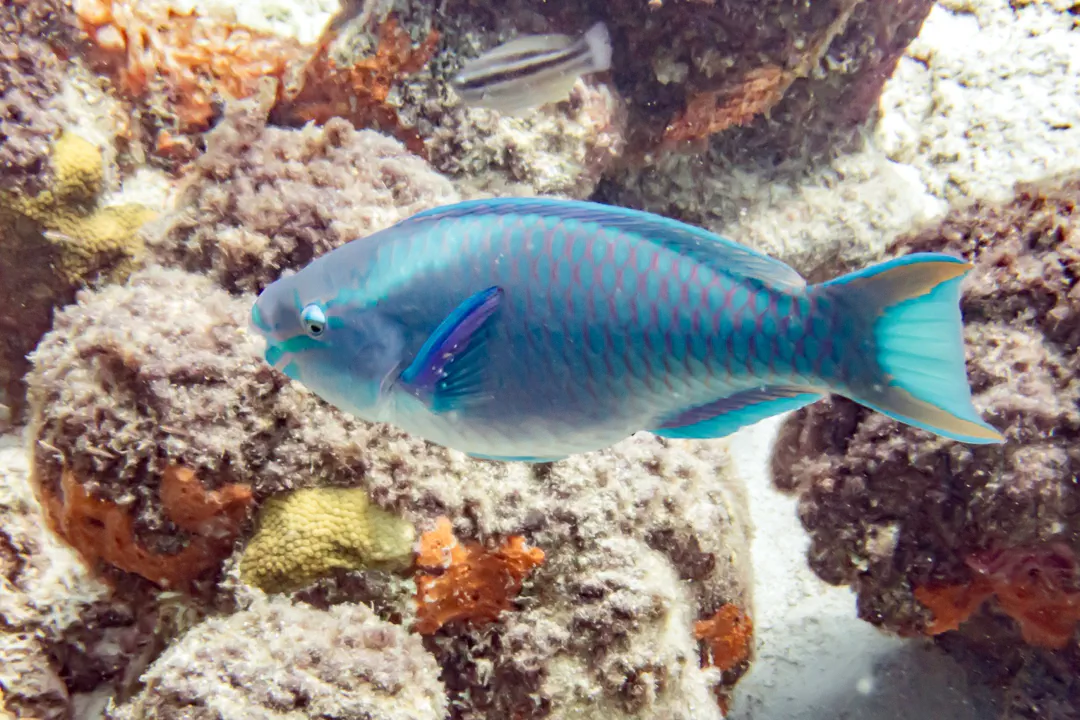 © Jay BrasherCC BY 4.0 · iNaturalist
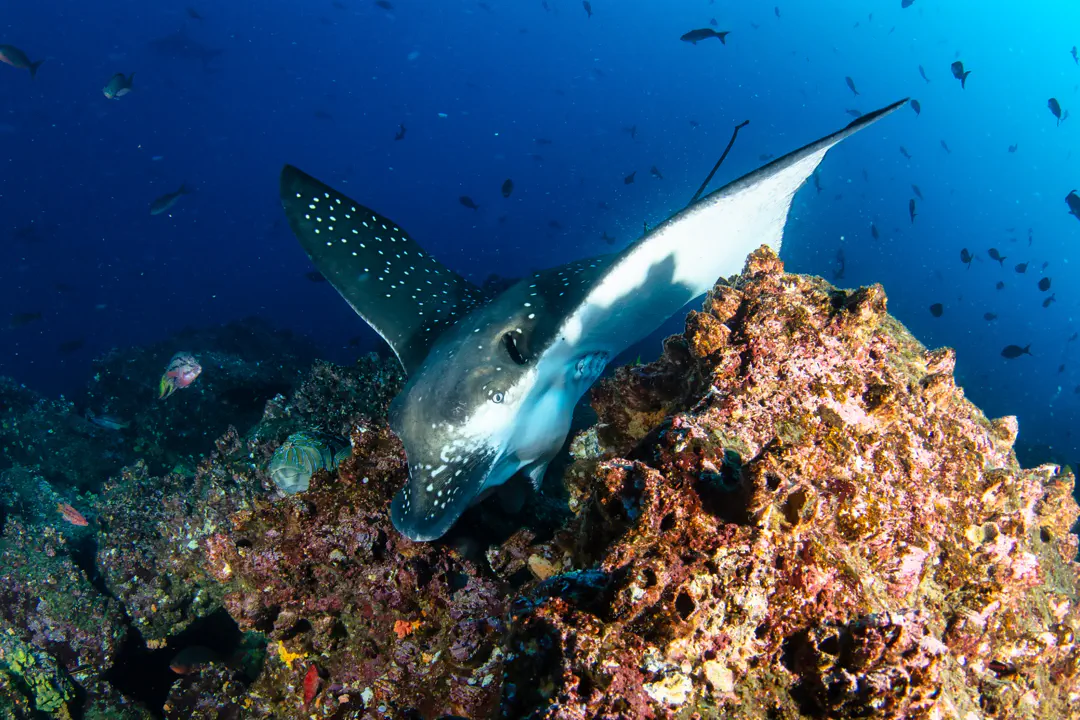 © seabook.appAll rights reserved
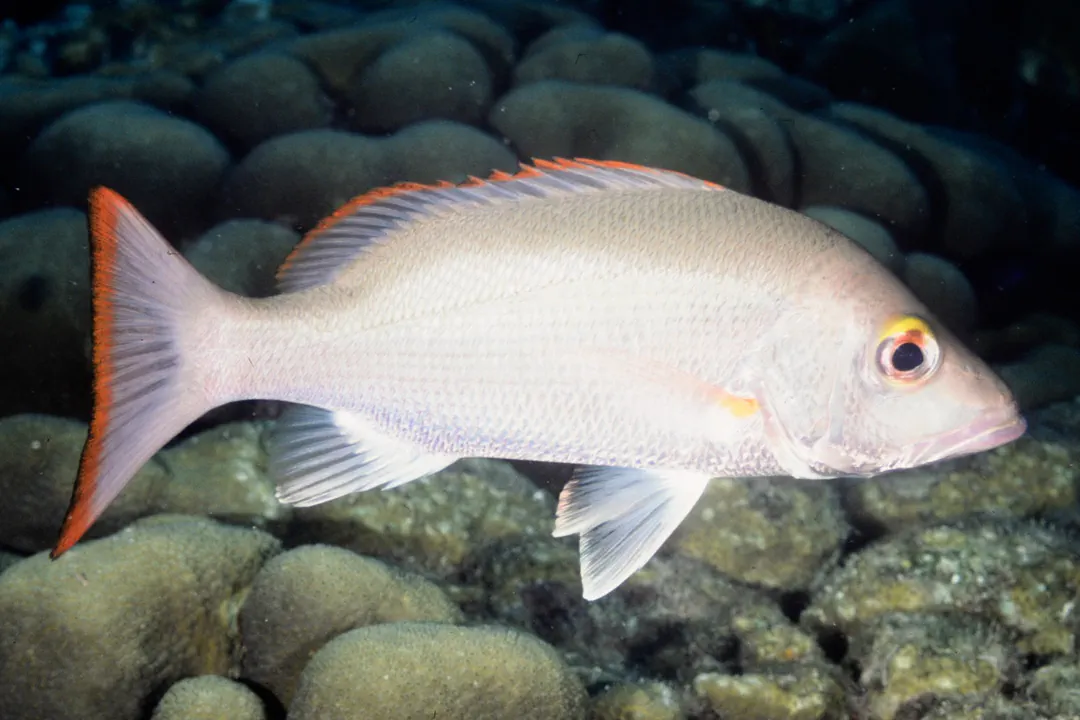 © Roger RittmasterCC BY 4.0 · iNaturalist
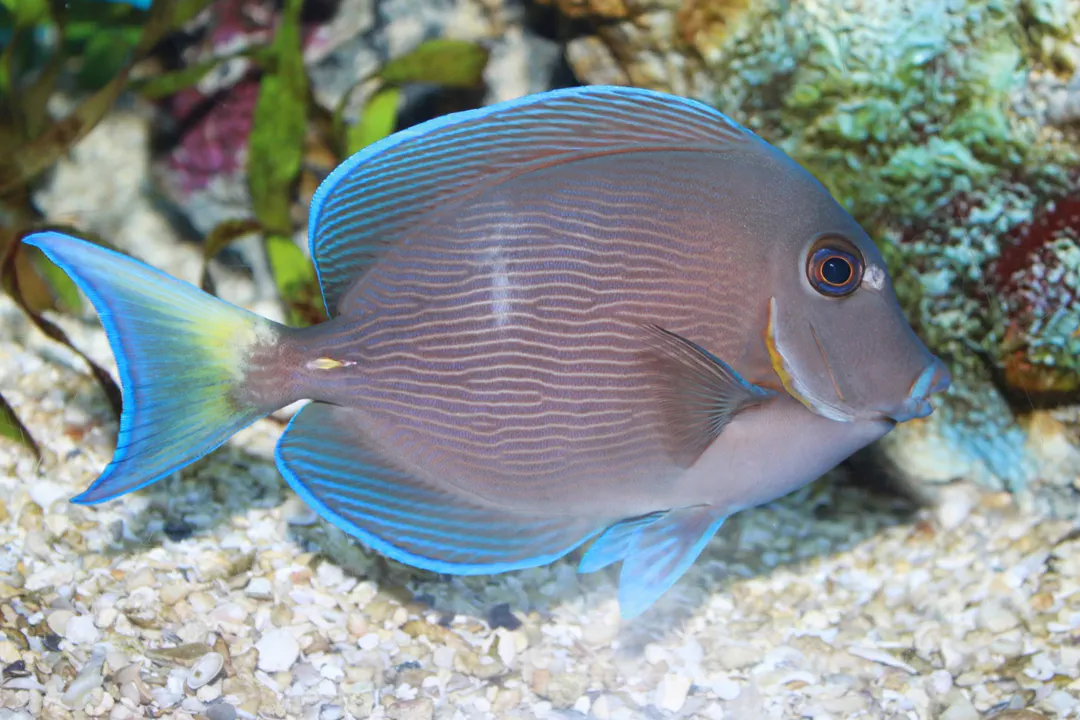 © Brian GratwickeCC BY 4.0 · iNaturalist
Bloody Bay Wall (Little Cayman)
Bloody Bay Wall along the northern shore of Little Cayman is widely regarded as one of the Caribbean's most dramatic sheer drop-offs. The reef flat extends out from shore until it reaches the edge of the wall at a depth of just 5 to 6 metres. From there, the ocean floor plunges vertically down into an abyssal trench exceeding 1,800 metres depth.
Giant yellow tube sponges, deep-water gorgonians, and black coral trees blanket the sheer vertical rock. Fairy basslets (Gramma loreto) swim upside down along overhangs, their bright purple and yellow bodies contrasting against dark rock faces. Caribbean reef sharks (Carcharhinus perezii) patrol the open water just off the drop-off, cruising along current seams at 20 metres depth.
Because the wall drops so sharply, divers must maintain strict control over their buoyancy and monitor depth gauges closely. Black groupers (Mycteroperca bonaci) rest on coral ledges, while hawksbill sea turtles (Eretmochelys imbricata) feed on encrusting sponges along the wall edge.
Depth: 6-30 m. Access: boat, 15 minutes from Little Cayman resorts. Level: Open Water. Best months: December-June.
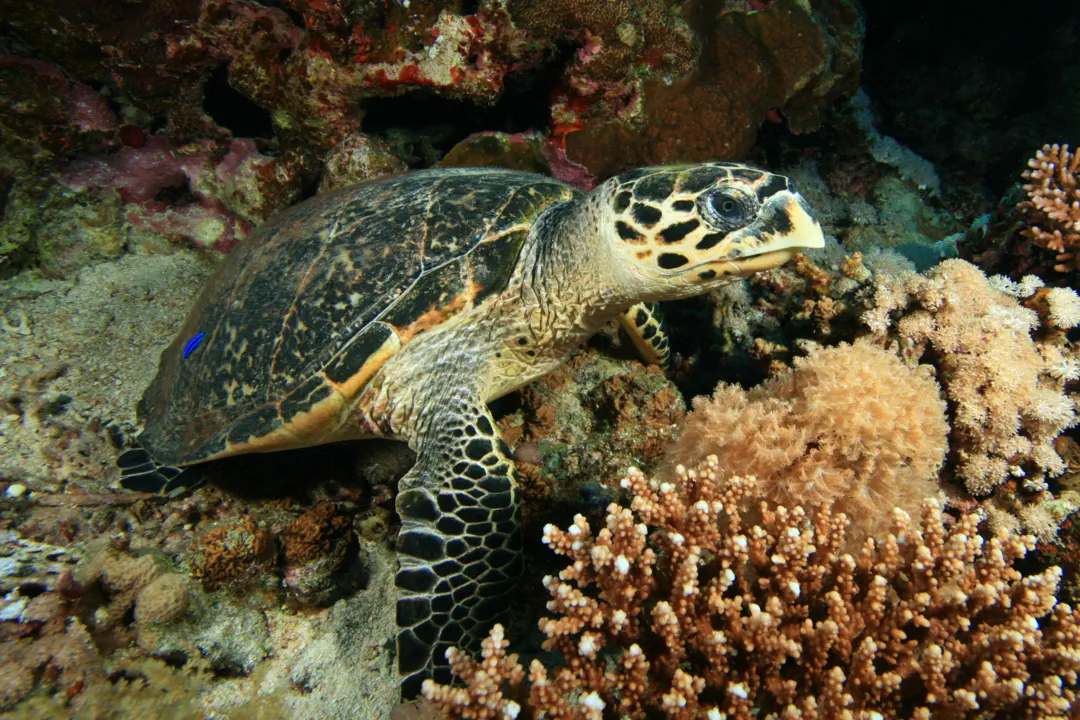 © seabook.appAll rights reserved
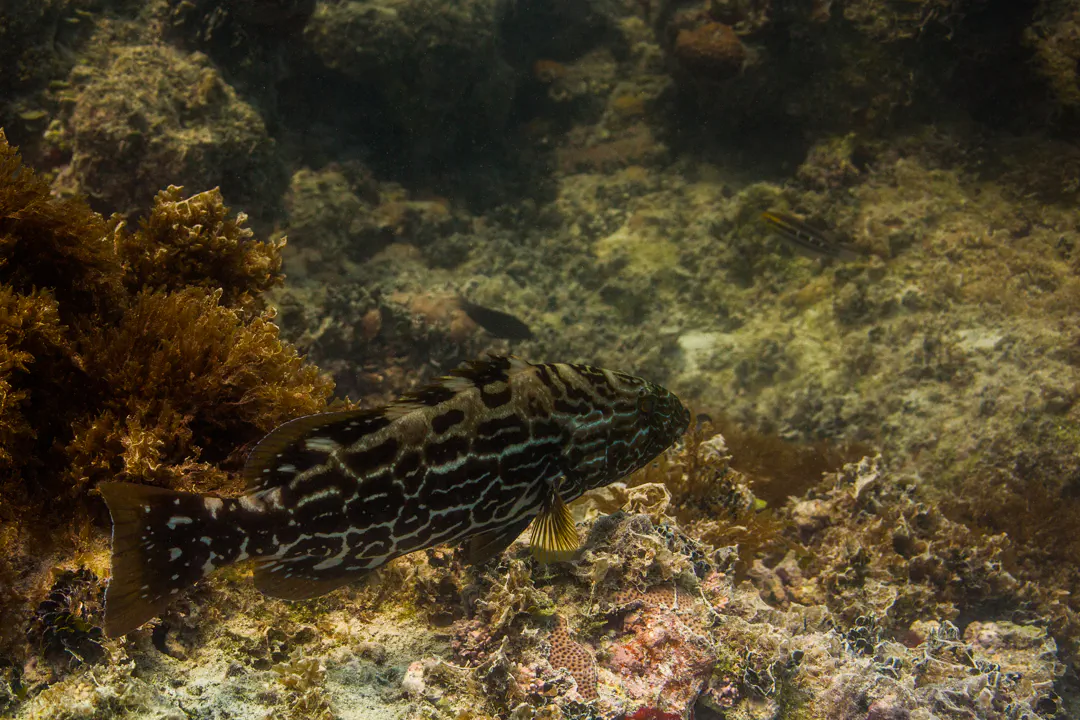 © João D'AndrettaCC BY 4.0 · iNaturalist
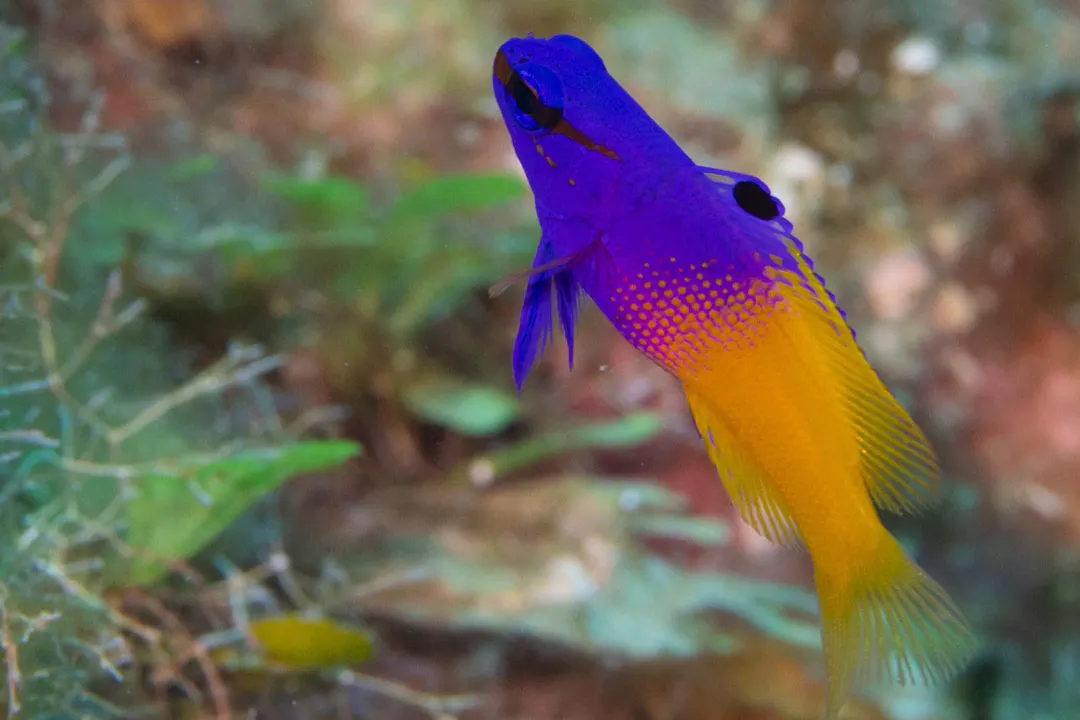 © cello caruso-turielloCC BY 4.0 · iNaturalist
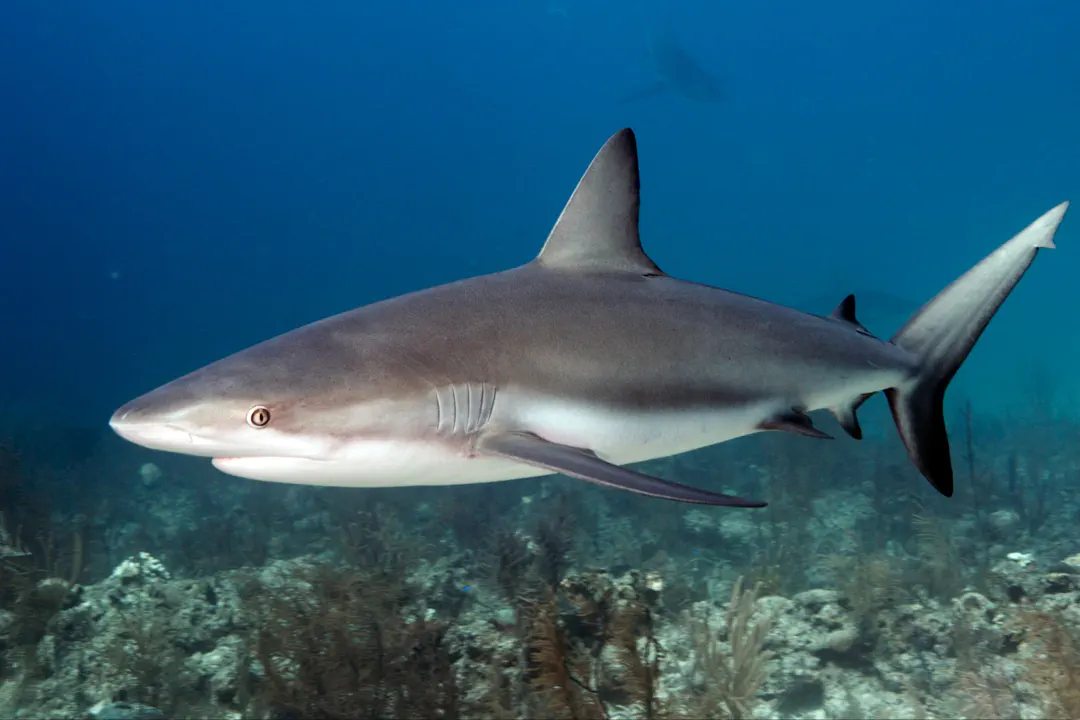 © R VasconcellosCC BY 4.0 · iNaturalist
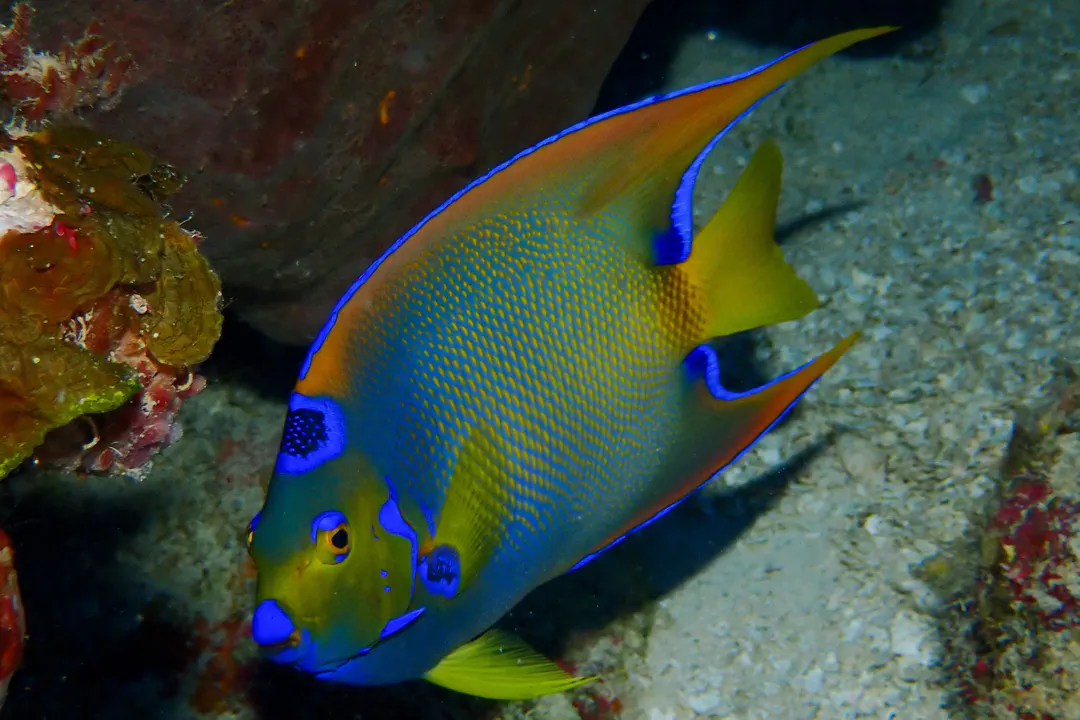 © Dan SchofieldCC BY 4.0 · iNaturalist
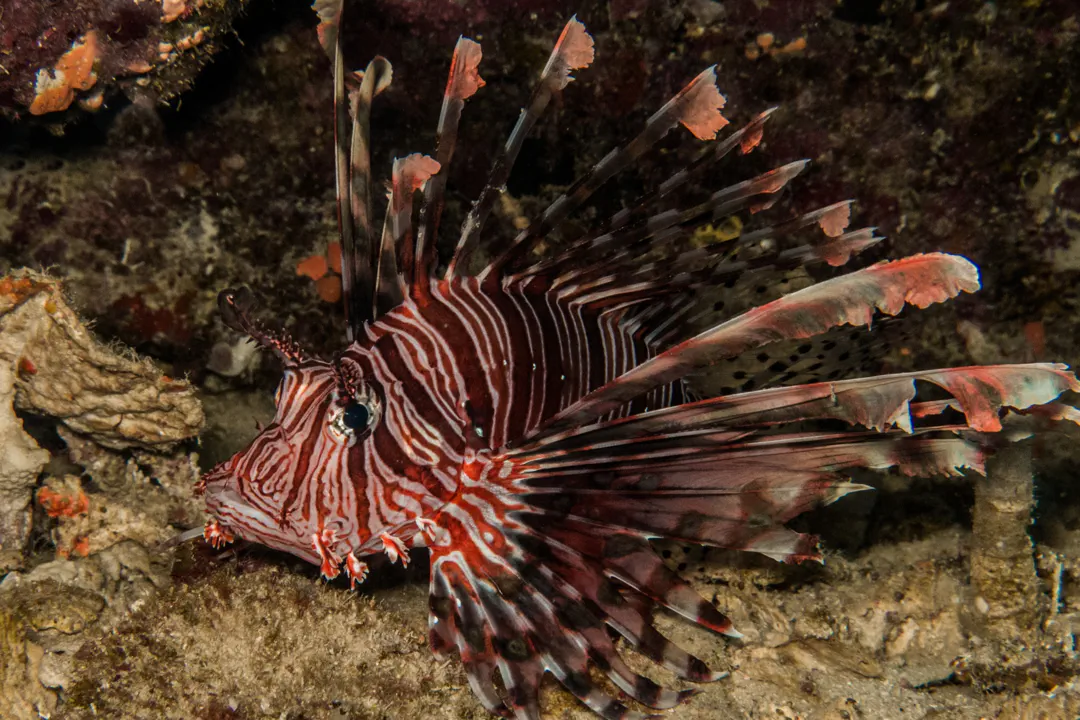 © João D'AndrettaCC BY 4.0 · iNaturalist
Babylon (Grand Cayman)
Positioned along Grand Cayman's remote North Wall, Babylon centers around a massive coral pinnacle that rises from deep water and anchors against the vertical cliff. The top of the pinnacle sits at 15 metres depth, surrounded by open ocean water that yields frequent pelagic sightings. Deep-water sea fans and purple gorgonian sea fans (Gorgonia ventalina) catch plankton brought by oceanic currents.
Divers maneuver around the pinnacle to inspect crevices filled with banded coral shrimp (Stenopus hispidus) and frogfish (Antennarius multiocellatus). Rock beauties (Holacanthus tricolor) dart between yellowhead wrasses (Halichoeres garnoti), while large Nassau groupers watch from shadow ledges.
The deep exposure at Babylon means currents can pick up quickly along the edge of the drop-off. Great hammerhead sharks (Sphyrna mokarran) and Caribbean reef sharks sometimes sweep past the outer side of the pinnacle. Divers should maintain a conservative gas plan to allow for a prolonged safety stop along the mooring line.
Depth: 15-30 m. Access: boat, 45 minutes from North Sound. Level: Advanced Open Water. Best months: May-October.
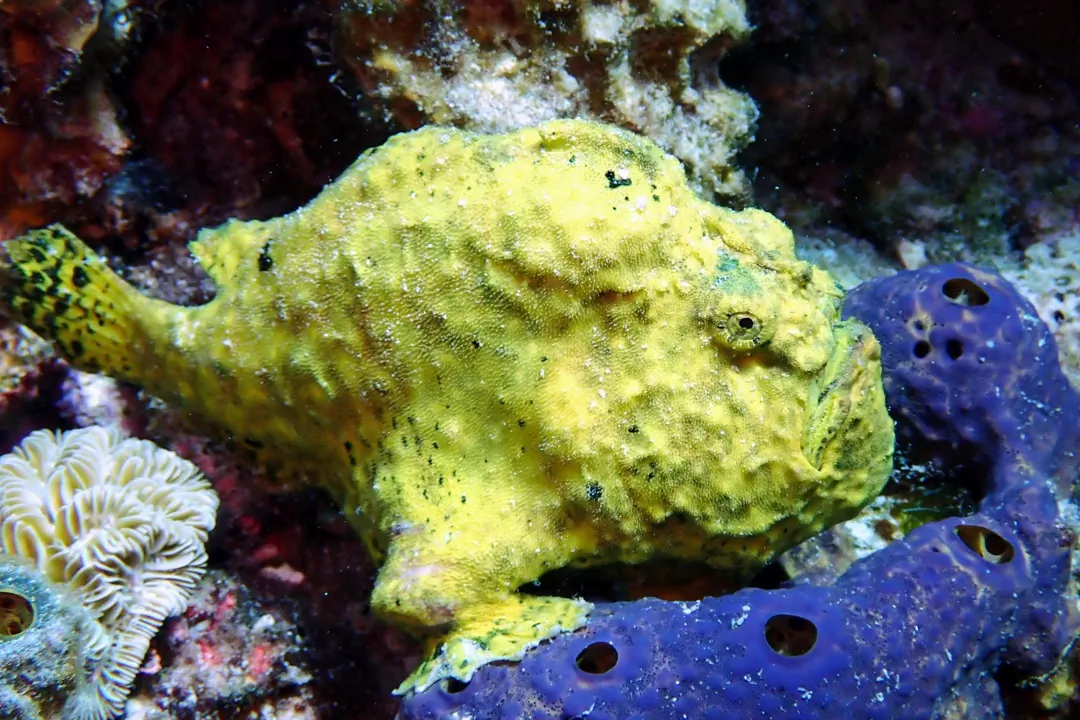 © mikazillaCC BY 4.0 · iNaturalist
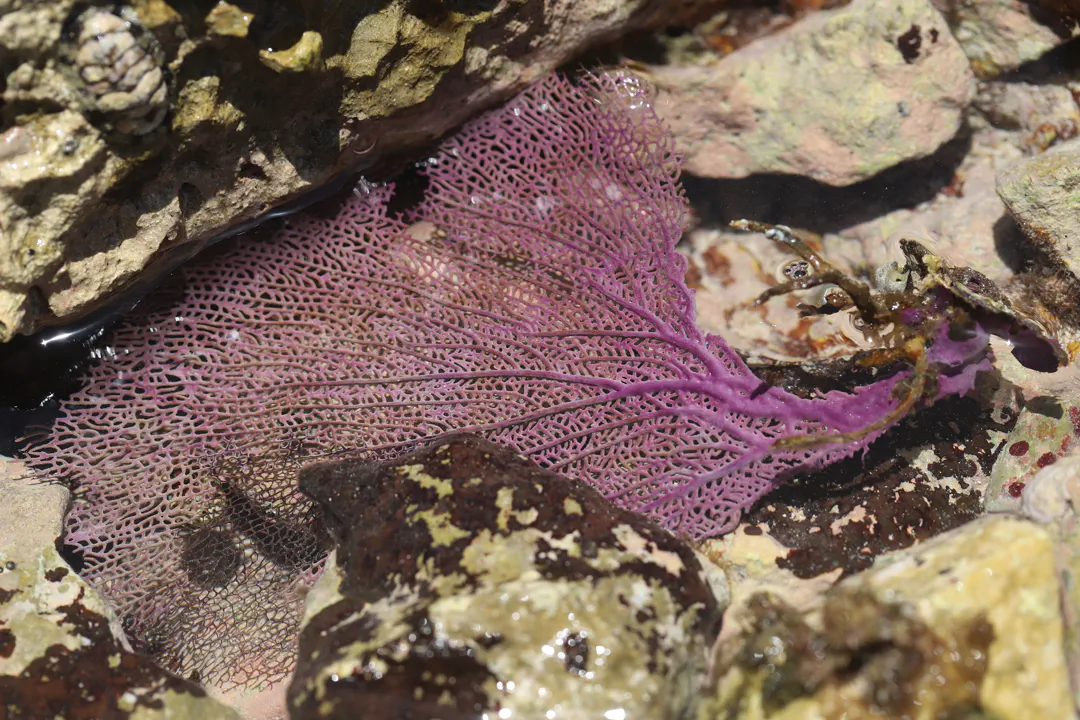 © Steven BodzinCC BY 4.0 · iNaturalist
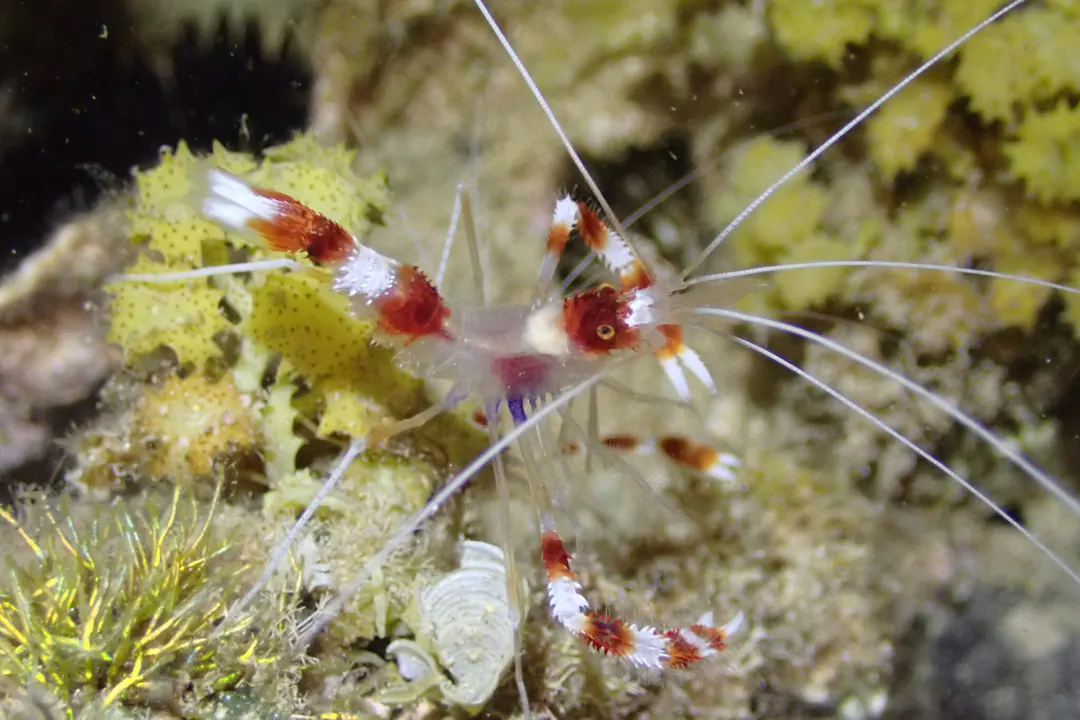 © Cricket RaspetCC BY 4.0 · iNaturalist
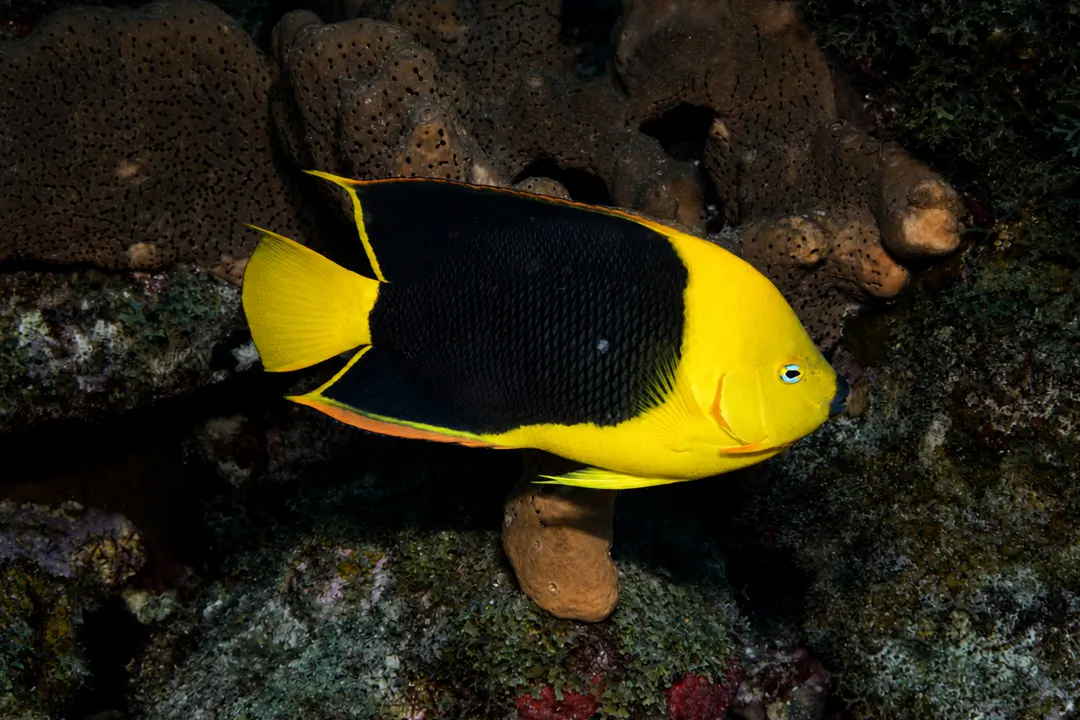 © seabook.appAll rights reserved
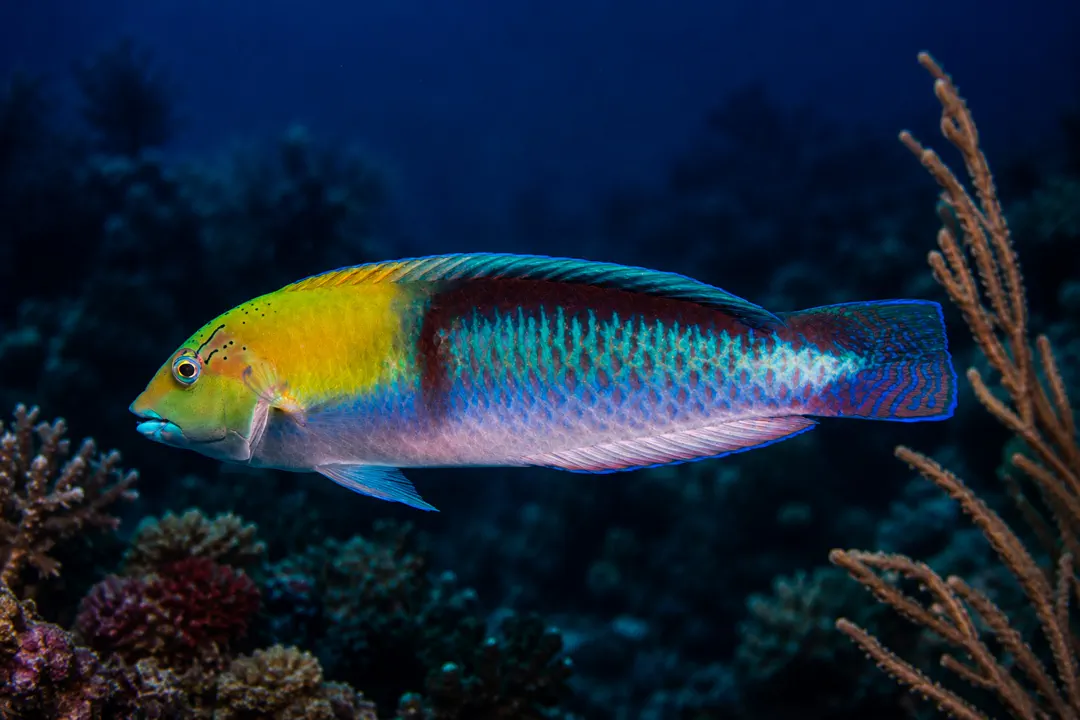 © seabook.appAll rights reserved
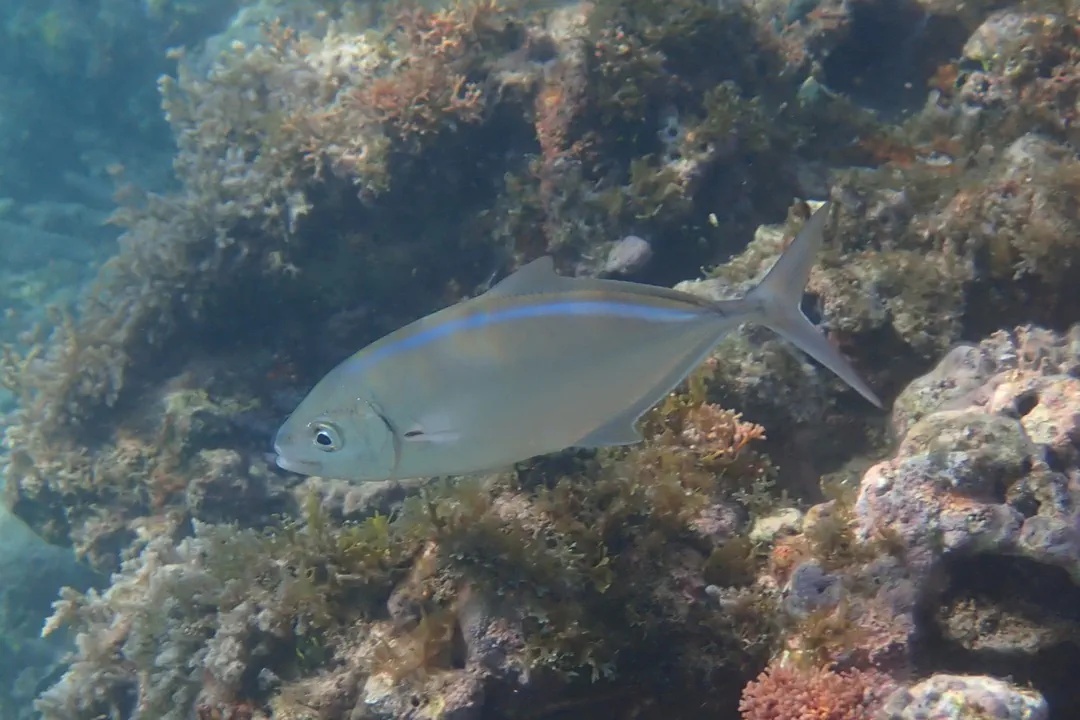 © Fish and DiveCC BY 4.0 · iNaturalist
Captain Keith Tibbetts (Cayman Brac)
Off the northwest coast of Cayman Brac rests the Captain Keith Tibbetts, a 100-metre Soviet-built Koni II-class naval frigate. Scuttled in 1996 to create an artificial reef, the steel ship was broken into two main sections by powerful storm waves during Hurricane Paloma in 2008. The forward hull sits upright on a white sand seabed at 27 metres depth, while the stern section lays tilted on its side.
Schooling yellowtail snapper (Ocyurus chrysurus) and schoolmaster snapper (Lutjanus apodus) congregate around the forward deck guns and superstructure. Inquisitive green moray eels hide in open pipe fittings, while inshore lizardfish (Synodus foetens) lie motionless on the sandy seabed next to the hull plates.
Wreck-certified divers can enter open deck sections, provided they carry primary dive lights and follow established line protocols. Damselfish (Microspathodon chrysurus) defend territories along the algae-covered metal deck, while barracuda linger above the broken midsection.
Depth: 15-27 m. Access: boat, 15 minutes from Cayman Brac. Level: Advanced Open Water. Best months: November-April.
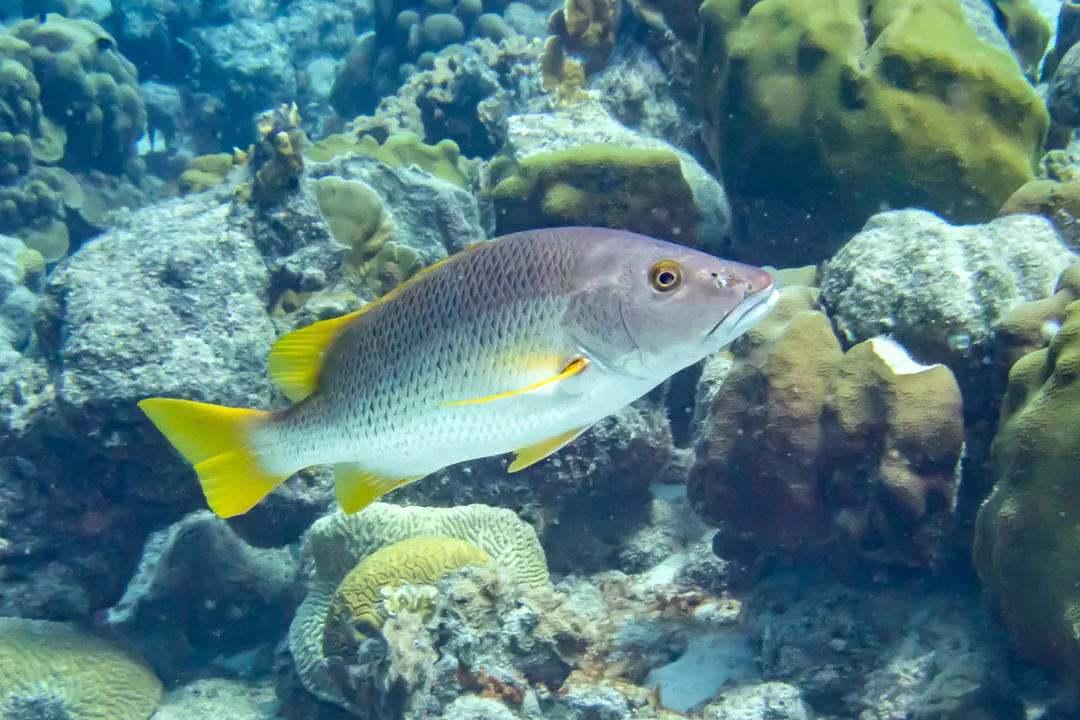 © Jay BrasherCC BY 4.0 · iNaturalist
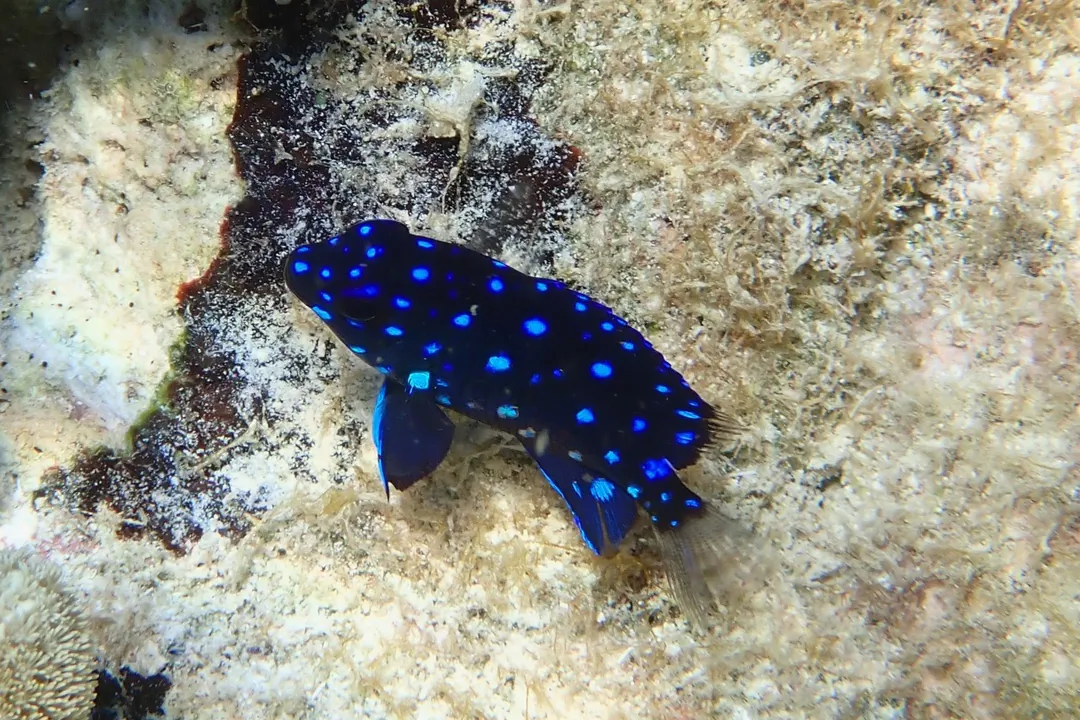 © Alex DoyleCC BY 4.0 · iNaturalist
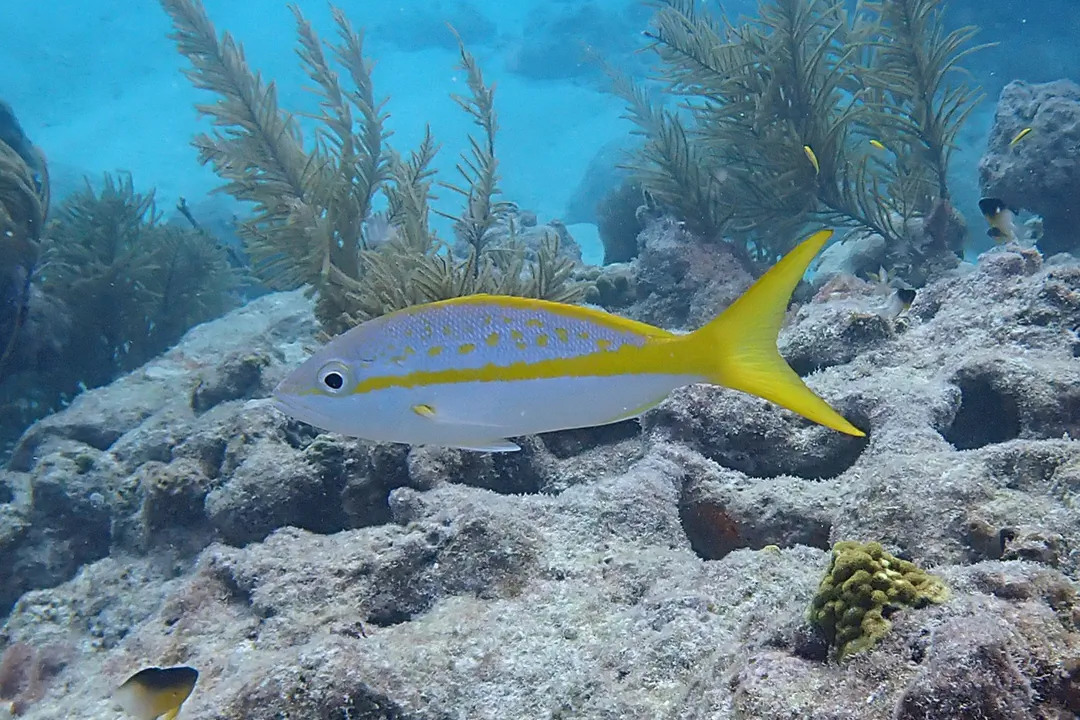 ZygyCC0 · iNaturalist
Trinity Caves (Grand Cayman)
Located off the West Bay of Grand Cayman, Trinity Caves features three large coral swim-throughs that slice through a shallow reef system before opening onto the sheer drop-off. Sunlight filters down through natural ceiling fissures, illuminating white sandy floors inside the coral tunnels at 18 metres depth.
Inside the passages, French grunts (Haemulon flavolineatum) and porkfish (Anisotremus virginicus) gather in shaded pockets to escape current. Foureye butterflyfish (Chaetodon capistratus) pair up along the tunnel walls, picking at encrusting invertebrates.
As divers exit the dark tunnels, the reef opens onto a vast wall plunging into deep water. Green sea turtles (Chelonia mydas) and hawksbill sea turtles frequently cruise past the tunnel exits, feeding on sponges clinging to the outer reef wall face.
Depth: 14-26 m. Access: boat, 15 minutes from West Bay. Level: Open Water. Best months: Year-round.
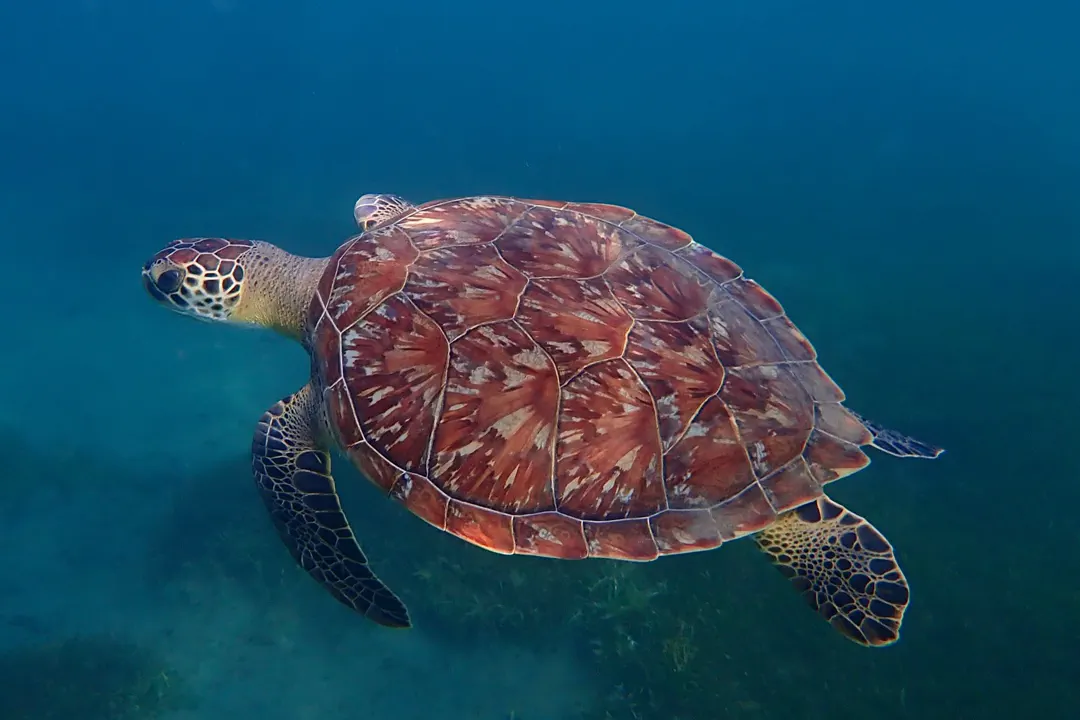 © Matteo BellucciCC BY 4.0 · iNaturalist
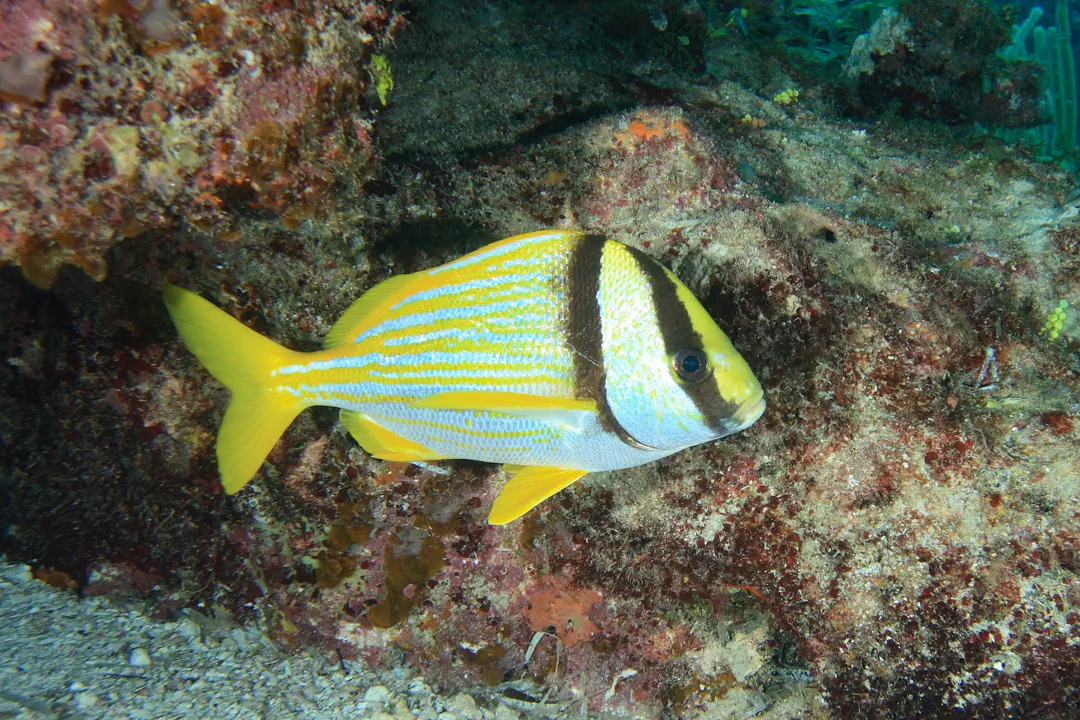 © seabook.appAll rights reserved
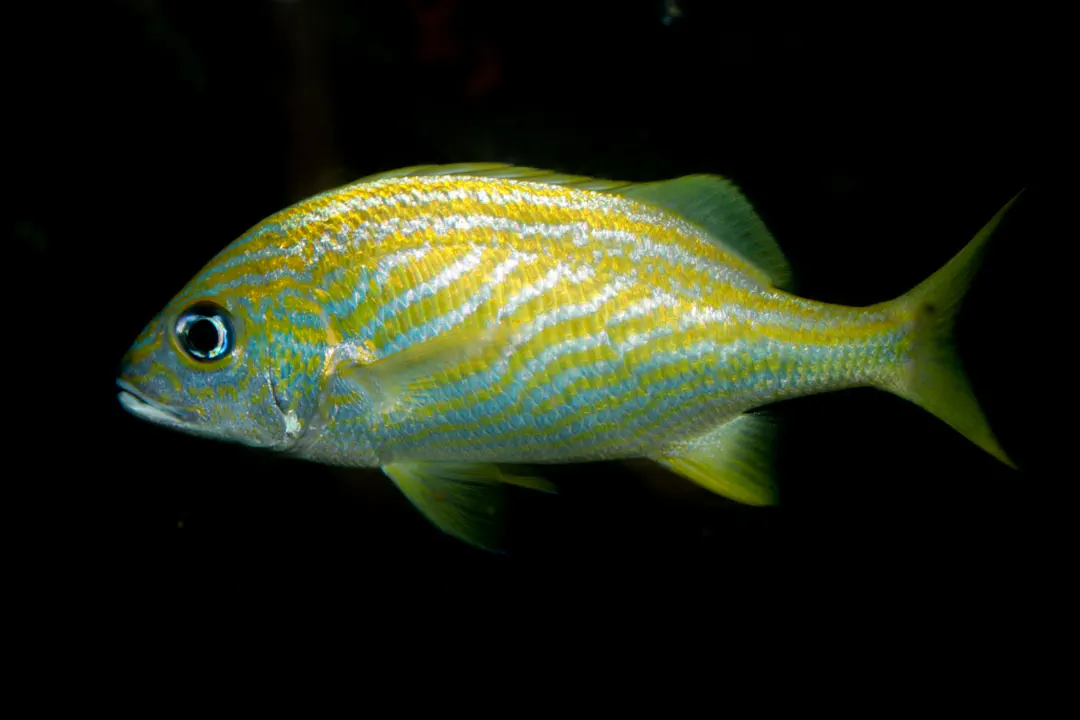 © Brian GratwickeCC BY 4.0 · iNaturalist
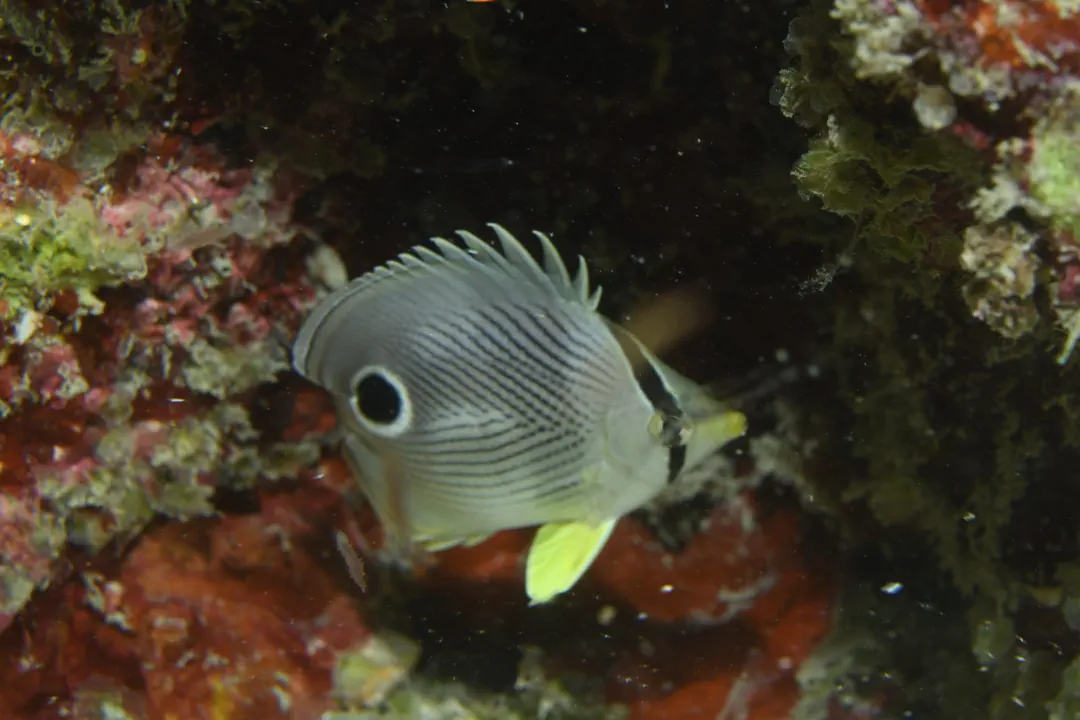 © Robin WhiteCC BY 4.0 · iNaturalist
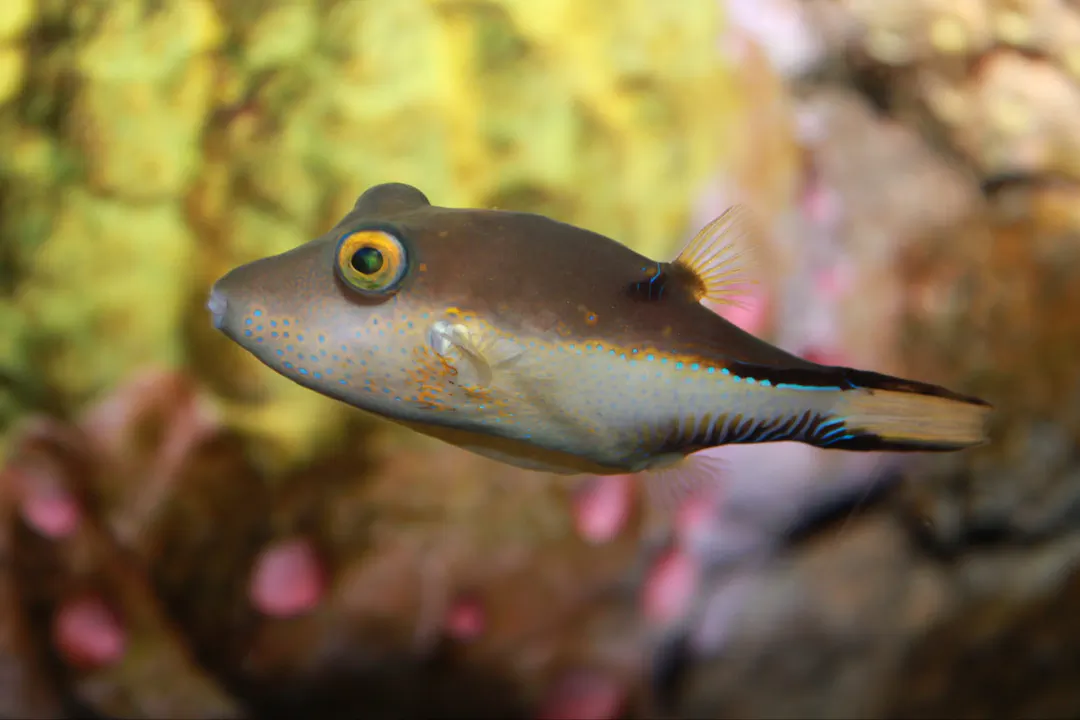 © Brian GratwickeCC BY 4.0 · iNaturalist
Devil's Grotto & Eden Rock (Grand Cayman)
Situated right off George Town, Devil's Grotto and Eden Rock offer shallow shore diving through a maze of high-profile coral heads and dark swim-throughs. The top of the reef sits just 4 metres below the surface, with sandy channels winding between coral buttresses down to 14 metres depth.
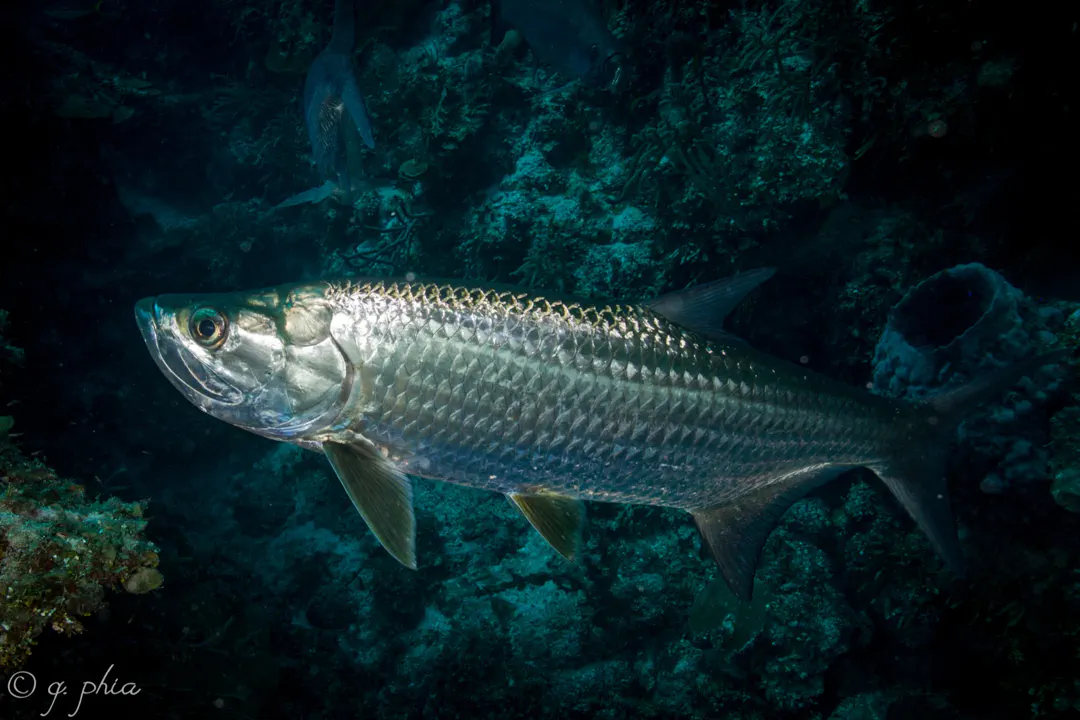
During midsummer, millions of tiny dwarf herring (Anchoa hepsetus)—locally known as silversides—fill the caverns in dense bait balls. Atlantic tarpon (Megalops atlanticus) measuring up to 2 metres long hunt through these dark swim-throughs, carving through silver fish clouds in disorienting strikes.
Spanish lobsters (Scyllarides aequinoctialis) and Caribbean spiny lobsters (Panulirus argus) hide under low ledges during daylight hours. Ocean surgeonfish (Acanthurus bahianus) and spotted goatfish (Pseudupeneus maculatus) sidetrack through sand channels searching for benthic worms and small crustaceans.
Depth: 4-14 m. Access: shore dive from George Town ladder entries. Level: Beginner. Best months: June-September for silversides; year-round for reef life.
 © q phiaCC BY 4.0 · iNaturalist
Marine Life in the Cayman Islands
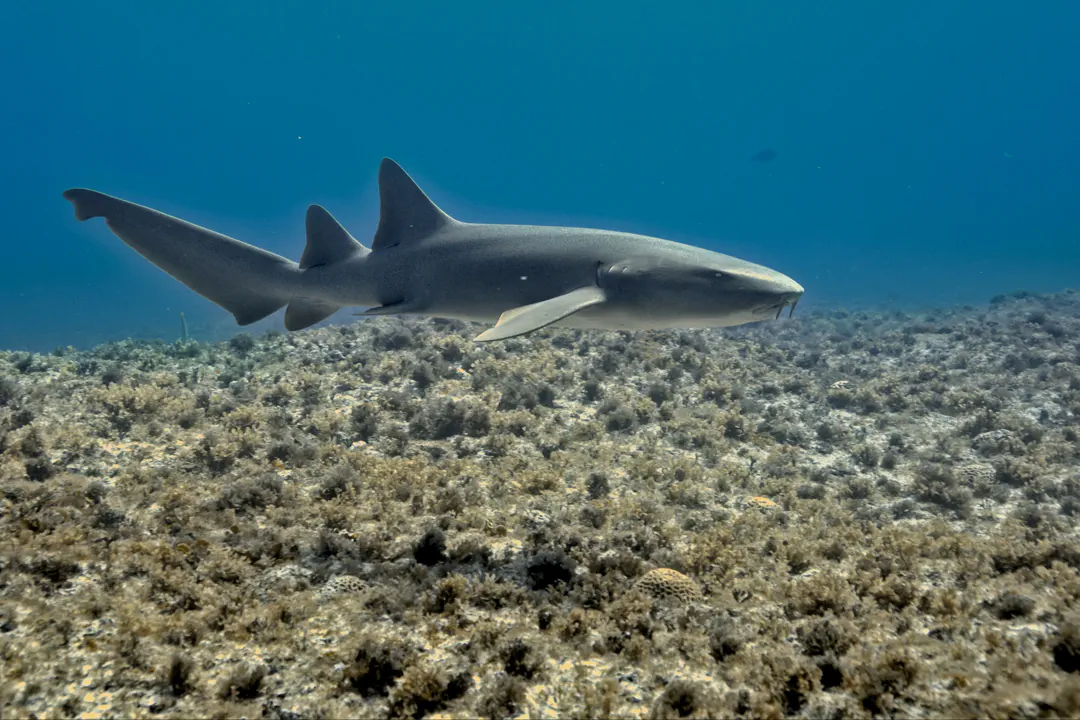
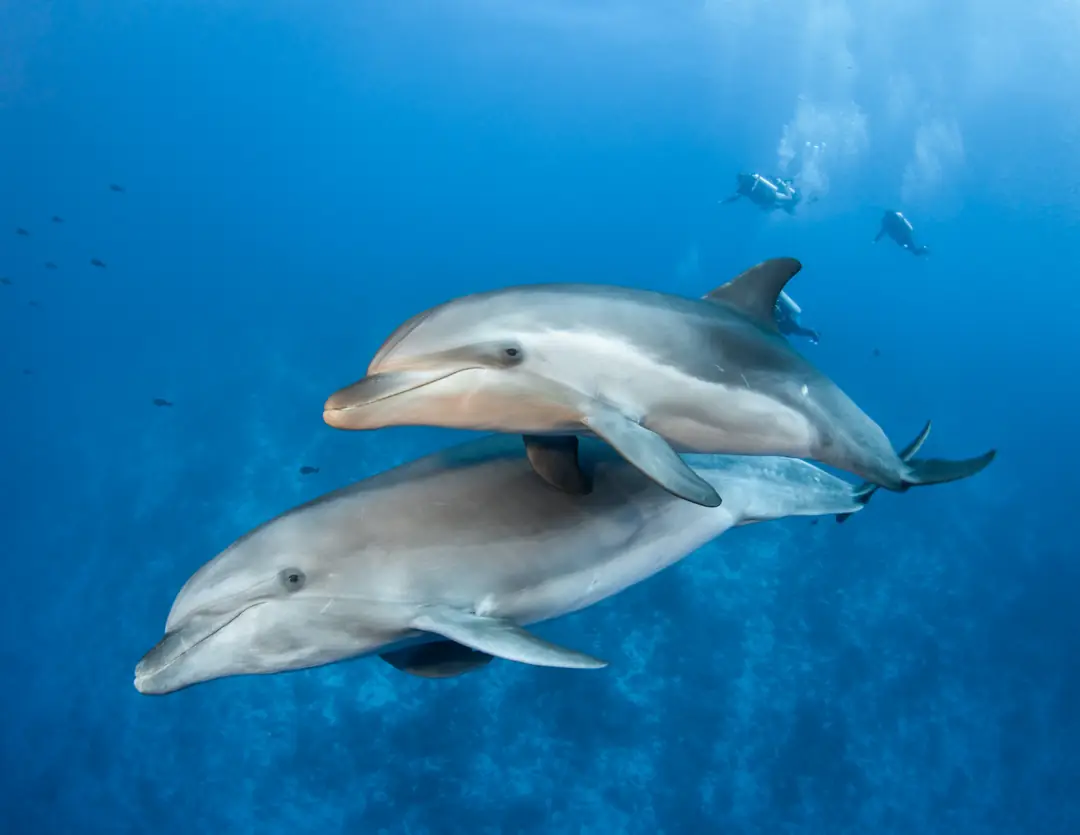
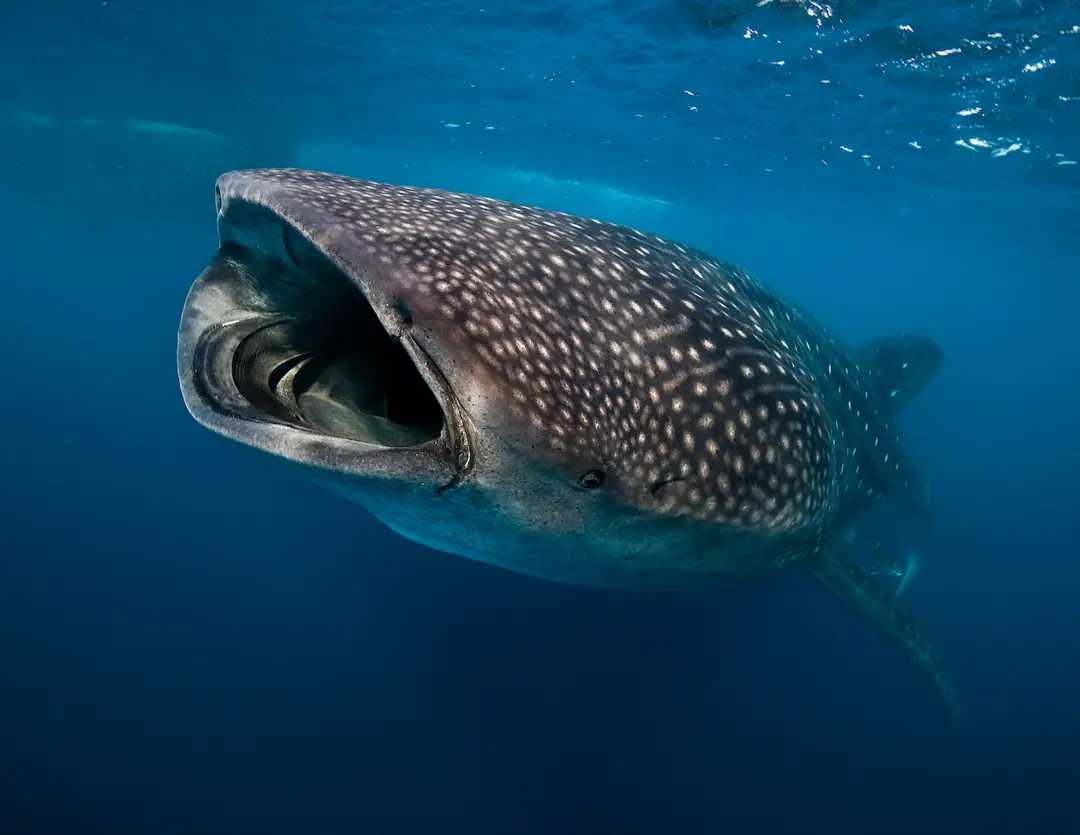
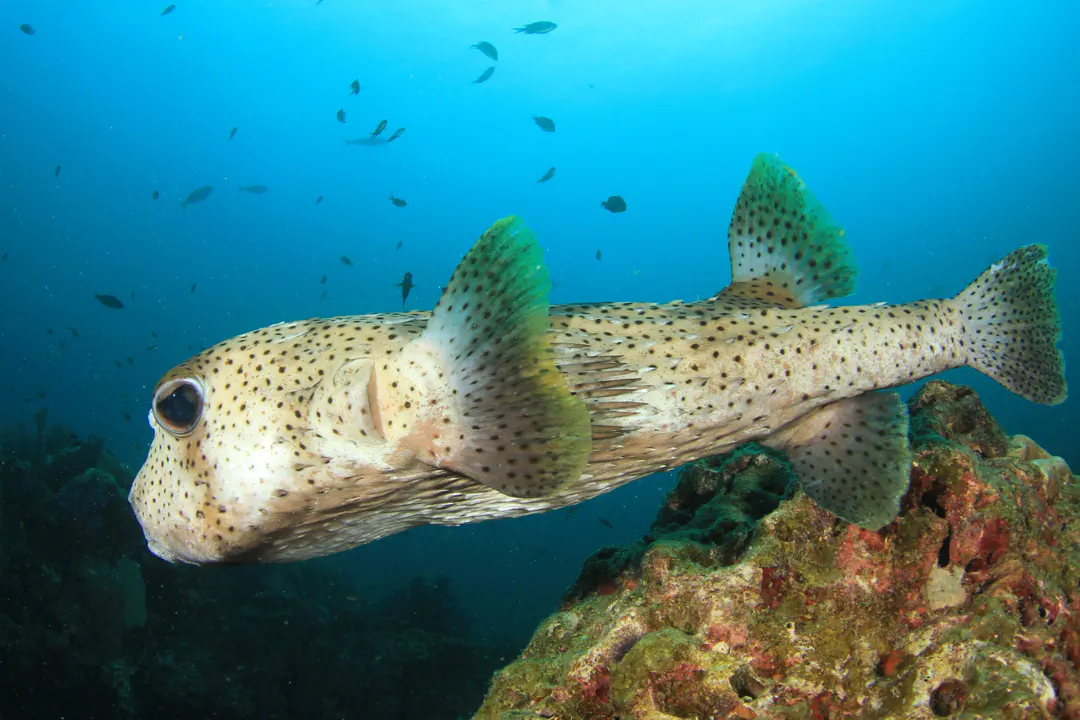
The marine ecosystems of the Cayman Islands thrive on a combination of shallow coral reefs, seagrass beds, and deep wall environments. Nurse sharks (Ginglymostoma cirratum) often sleep beneath coral overhangs during the day, while bottlenose dolphins (Tursiops truncatus) occasionally accompany dive boats along the outer reef edges. In open water beyond the wall, pelagics like whale sharks (Rhincodon typus) pass through deep channels.
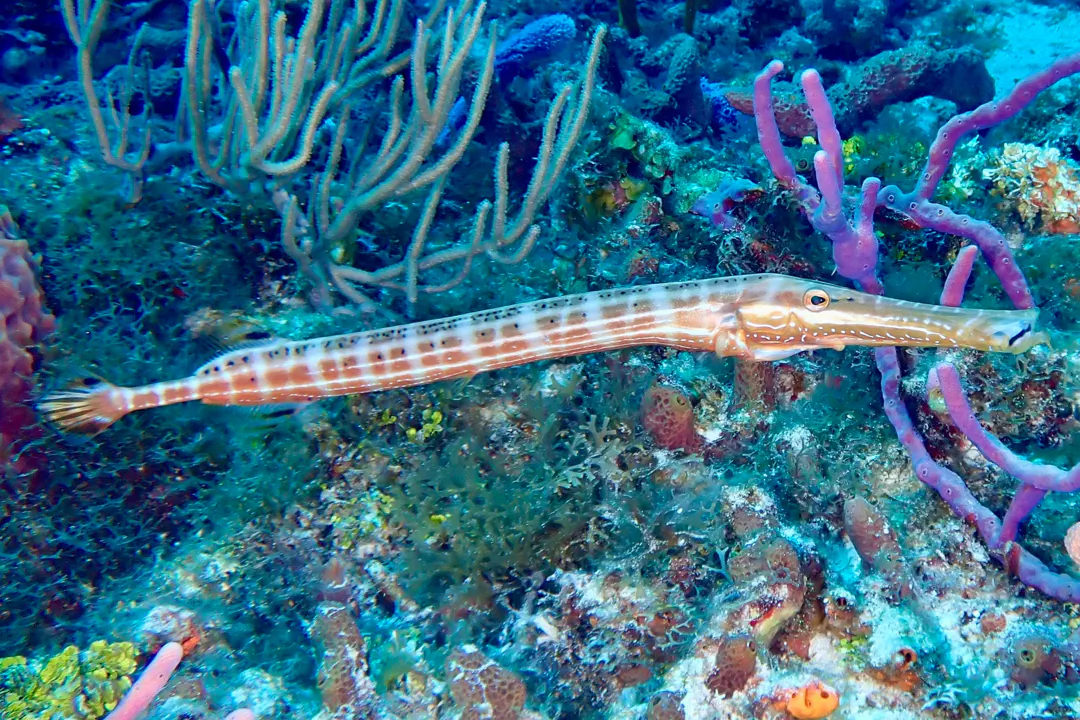
Benthic critters provide plenty of detail for sharp-eyed divers exploring shallow macro sites. Yellowhead jawfish (Opistognathus aurifrons) hover tail-down above their sand burrows, popping inside at the first sign of danger. Trumpetfish (Aulostomus maculatus) hang vertically among sea whips to disguise themselves from juvenile parrotfish, while flamingo tongue snails (Cyphoma gibbosum) feed on soft gorgonian tissue. Divers can use the Seabook app on surface intervals to identify unfamiliar reef fish and log exact species encounters across all three islands.
Hard corals, giant sea anemones (Condylactis gigantea), and sea urchins like the West Indian sea egg (Tripneustes ventricosus) build the physical substrate of the reef. Long-spined sea urchins graze on turf algae, keeping coral heads clean for new polyp settlement. Marine park regulations ensure these sensitive populations remain protected from fishing pressure and anchor damage.
 © R VasconcellosCC BY 4.0 · iNaturalist
 © seabook.appAll rights reserved
 © seabook.appAll rights reserved
 © seabook.appAll rights reserved
 Chris SpainCC0 · iNaturalist
 © Jan Ebr & Ivana EbrováCC BY 4.0 · iNaturalist
Is Diving in the Cayman Islands Good for Beginners and Snorkellers?
The Cayman Islands are well suited to novice divers and non-diving companions thanks to gentle sea conditions and shallow site options. Clear water visibility consistently reaching 20 to 30 metres removes much of the anxiety for standard training dives. Minimal current across sheltered shore sites along George Town and Seven Mile Beach makes entry and navigation straightforward for new Open Water divers.
Shallow sites like Stingray City, Eden Rock, and the upper deck of the USS Kittiwake allow beginners to experience marine encounters in less than 10 metres of water. Snorkellers can explore lively shallow reefs and sand flats right from shore without needing long boat journeys out into open sea.
Dive operators across Grand Cayman offer entry-level courses, Discover Scuba Diving experiences, and guided reef tours. Calm conditions inside protected bays provide a safe environment for practicing buoyancy control before advancing to deep wall profiles.
Getting There and Practical Tips
Travelers reach the territory through Owen Roberts International Airport on Grand Cayman, which receives direct flights from major international hubs across North America and Europe. Inter-island flights operated by Cayman Airways connect Grand Cayman to Cayman Brac and Little Cayman via short hop flights on smaller aircraft.
Grand Cayman houses a fully staffed recompression chamber at the Cayman Islands Hospital in George Town. While medical support is readily available, divers should practice conservative profiles, execute safety stops, and strictly observe recommended pre-flight surface intervals before taking inter-island or international flights.
Standard dive gear for the region includes a 3mm wetsuit, a surface marker buoy for ocean drift safety, and a compact underwater dive light to illuminate coral swim-throughs and wreck interiors. Divers should always verify current marine park rules, local depth limits, and boat safety briefing procedures with their dive operator before entering the water.
Questions
Are there sharks in the Cayman Islands?
Yes, Caribbean reef sharks (Carcharhinus perezii) frequent the deep drop-offs and outer reef walls, while nurse sharks (Ginglymostoma cirratum) are commonly found resting under shallow coral overhangs and ledges across all three islands.
Can you see turtles when diving in the Cayman Islands?
Green sea turtles (Chelonia mydas) and hawksbill sea turtles (Eretmochelys imbricata) populate the reefs and shallow sea grass beds. Thanks to long-standing local conservation programs, divers regularly encounter turtles feeding along wall edges and patch reefs.
How warm is the water in the Cayman Islands?
Water temperatures range from 25°C between January and March to 29°C between July and October. Most divers are comfortable in a 3mm full wetsuit during winter months and a 3mm shorty or rashguard in peak summer.
Is Cayman Islands diving suitable for beginners?
Yes, shallow sites such as Stingray City, Eden Rock, and the upper superstructure of the USS Kittiwake feature warm, clear water with minimal current, making them ideal for novice divers and training courses.
What is the best month to dive in the Cayman Islands?
May and June offer an optimal window of calm surface conditions, warm water near 28°C, and minimal rainfall before the Atlantic hurricane season peaks in late summer.
Do I need a liveaboard to dive the Cayman Islands?
No, land-based resort and shore diving is extremely convenient across Grand Cayman, Little Cayman, and Cayman Brac, providing easy boat access to famous drop-offs, swim-throughs, and wrecks without living aboard a vessel.
Sources
- Environment | Cayman Islands Government · 2026-10-03

